Om Vayave Namaha is one of the shortest mantras in a practitioner's repertoire, and one of the most physical. Built around vayu, the Sanskrit word for wind, it is offered as a chant for healing, protection and the breath moving inside the body, and as a prayer for the air outside it. Dennis Lang shares it on the yogawithdennisandkathy.com channel as a companion to a Yin Yoga practice, and the three-minute video is a compact introduction to how a single line of Sanskrit can be used as breath medicine. What follows explains the mantra's words, the tradition of the vayus behind it, how the chant is framed for healing and protection, and how a short mantra is used in repetition practice.
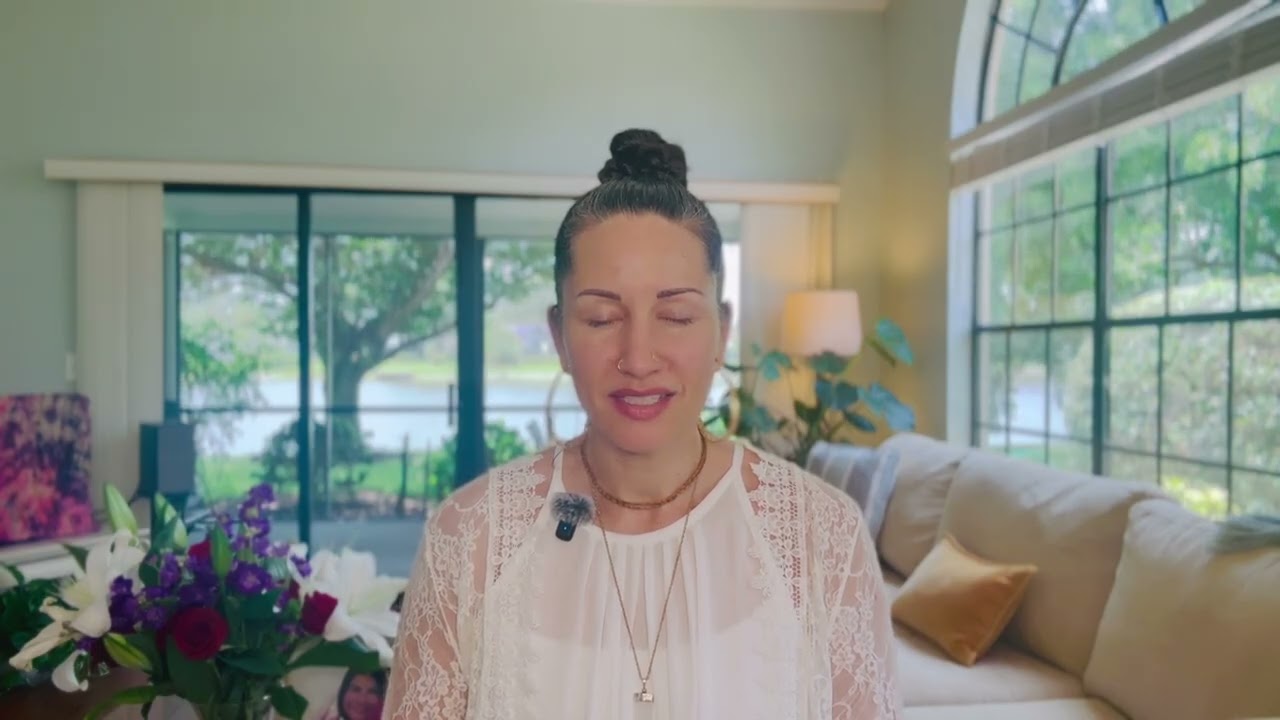
Imagine a yoga room at the end of a long day. The lights are low, the mat is still, and the practice has been slow: long holds, gravity doing most of the work, the body settling into shapes that can be held for minutes rather than seconds. This is the territory of Yin Yoga, and it is where a chant like this tends to land. Nothing about the scene requires a dramatic gesture. The mantra is quiet, repeated, and simple enough to carry into the next breath.
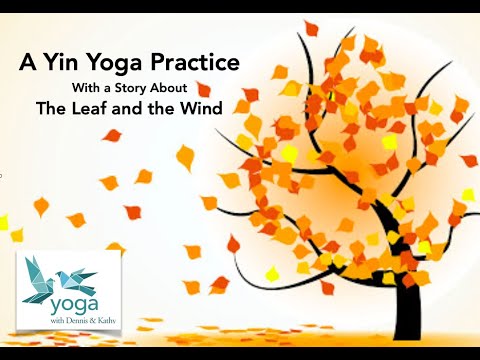
The channel's description places the chant inside a Yin Yoga video practice that is built around a story called "The Leaf and the Wind." The description points viewers to the Yoga practices playlist on the channel for the full sequence. The chant itself is the thread that ties the practice to its theme: wind as something that moves through the world, through the body, and through everything in between.
The mantra breaks into three working parts. The first, Om, is the syllable most associated with the sound of the universe in the broader Indian tradition, and it opens nearly every chant of this kind. The second, Vayave, is the dative form of vayu, meaning wind or air. The ending shifts the word from a thing to a direction: the chant is spoken to the wind. The last word, Namaha, is a bow of reverence, a way of saying salutations or I offer myself.
Put plainly, the line is a bow to the wind. That is a more intimate act than it first sounds. Most of us treat wind as weather, something that happens to us. A mantra like this turns it into a presence that can be addressed, thanked and asked for things. The channel's own description makes exactly that move, pairing the chant with a request for protection and healing.
The channel's description makes a distinction that is the heart of the mantra. Vayu, it says, "refers to the air or winds of the world and the air, breath, or winds within." In other words, the same word holds the weather outside and the breath inside. The chant is designed to speak to both at once.
Within the yogic framework, that inner wind is discussed as a set of five prana vayus. This is general tradition rather than a point made in the video itself, but it is the context that gives the description its weight. The five are usually named as prana, apana, samana, udana and vyana, each describing a different movement of life force: inhalation and the upward flow of breath, the downward movement associated with elimination, the central movement that digests and balances, the upward current linked to speech and effort, and the outward circulation that moves through the whole body. The description says these vayus "flow us," and that is the sentence that makes the chant a body practice rather than only a sound.
This is where the description goes furthest, and where a careful reader should slow down. The channel says the mantra "is one of healing and protection for the five prana vayus," and that it "can be a healing chant for our respiration" and "can strengthen our immune systems." These are the channel's claims, offered as a practice intention. They are not medical statements, and a chant is not a substitute for medical care for breathing conditions or illness.
What is worth taking seriously is the logic. The mantra asks the practitioner to attend to the breath while speaking, to feel the vibration of the sound in the chest and throat, and to let the attention rest on respiration for the length of the chant. Many people find that slowing the exhale to fit a repeated phrase is itself calming. The description's claim about healing is an invitation to bring that attention to the breath deliberately, and to see what changes.
The most striking line in the description widens the frame. The channel writes that the chant "can be a chant for clean air for the world as well." This shifts the practice from personal wellbeing to collective concern. The same breath that moves through one body is part of a shared atmosphere, and the mantra asks that the protection it invokes extend outward.
The description also names protection from "negative energies and spirits." Here the language is traditional, and it is the kind of intention that a practitioner can hold without needing to settle questions about what those forces are. Protection, in this sense, is the act of setting an intention at the start of a practice and returning to it. The closing line of the description states the intention plainly:
"Om Vayave Namaha... may this mantra bring you protection and healing... may it bring the same to all." (channel description, yogawithdennisandkathy.com)
That final phrase, "to all," is the mantra's most generous move. It turns a private request into a shared one, the way many mantras close with a wish for the welfare of every being.
The channel calls the mantra "a great chant for Mantra Japa (repetition) as its short and powerful." Japa is the practice of repeating a mantra, often with a mala of beads or simply by counting breaths, until the repetition itself becomes the focus. A short mantra suits this well. Om Vayave Namaha has few syllables, so it can be repeated many times in a single session without the mind losing its thread.
A simple way to begin is to sit or lie in a position you can hold, let the breath find its natural rhythm, and then speak the mantra on the exhale. Let the sound be audible at first, then softer, then internal. When attention drifts, return to the next repetition rather than judging the drift. Over several minutes, many practitioners find that the mantra begins to set the pace of the breath rather than the other way around. The Yin practice the video accompanies is a natural setting for this, because the body is already still and the attention is already turned inward.
It is worth being honest about the limits of the material. The video is short, and the description is the most detailed source available. The "Leaf and the Wind" story it references is not retold in the description, so this article cannot describe its contents. Nor is there a transcript that records how Dennis Lang frames the chant in his own words beyond the description's text. The view count, at around 1,400 at the time of retrieval, suggests a modest, practice-focused channel rather than a broad platform, which fits a teaching offered as part of a larger sequence.
What the description does provide is enough to practice with. The mantra is short, its meaning is accessible, and its intentions are clear: breath, healing, protection, and the wellbeing of the wider world. The most useful next step is simply to try it. Sit for a few minutes, speak the mantra on the exhale, and notice what the breath does when it has a word to rest on.
Watch the three-minute video on the yogawithdennisandkathy.com channel to hear the chant and see it in the context of the Yin practice. Then explore the Yoga practices playlist on the same channel to find the full sequence that the description references, including the Leaf and the Wind story. If the chant becomes a regular part of your practice, consider keeping a simple log of how your breath feels across a week of repetitions. And if you want to go deeper into the Sanskrit itself, study the individual words of the mantra, then return to the chant with that understanding in place.