BrightStar

Parcourir tous les Events

Découvre des rassemblements conscients

events

Yoga
Meditation
Breathwork
Qigong
Tai Chi
Sacred Music
World Music
Medicine Music
Sound Healing
Ecstatic Dance
Destinations populaires
BaliSedonaLos AngelesCosta RicaNew YorkSan FranciscoAustinMiamiJoshua TreeTulum
Voir toutes les catégoriesVoir toutes les destinations

Explorer toutes les fonctionnalités

Des outils puissants pour développer tes événements

Fonctionnalités de la plateforme

Tarification dynamique intelligente
Catégories de billets
Places assignées
Récupération des paniers abandonnés
Récupération des visiteurs
Dons & Prix variables
Système d'affiliation
Scanner de billets
Codes promo
Questions personnalisées
Partage de billets
Ventes additionnelles & Options
Analyses & Rapports
Séquences d'emails
Liste d'attente / Notifier / Rappeler
Personnes & Lieux
Artists & TeachersEvent OrganizersVenues & StudiosKnowledge BaseGlossaryInspiration
Voir toutes les fonctionnalitésÀ propos
TarifsBlog
Language
Saved events
Parcourir tous les événements

events

YogaMeditationBreathworkQigongTai ChiSacred MusicWorld MusicMedicine Music

Destinations populaires

BaliSedonaLos AngelesCosta RicaNew YorkSan Francisco

Personnes & Lieux

Artists & TeachersEvent OrganizersVenues & StudiosKnowledge BaseGlossaryInspiration

Fonctionnalités de la plateforme

Tarification dynamique intelligenteCatégories de billetsPlaces assignéesRécupération des paniers abandonnésRécupération des visiteursDons & Prix variablesSystème d'affiliationScanner de billetsCodes promoQuestions personnaliséesPartage de billetsVentes additionnelles & OptionsAnalyses & RapportsSéquences d'emailsListe d'attente / Notifier / Rappeler
Voir toutes les fonctionnalitésÀ propos
TarifsBlog
ConnexionChercheursCréateurs
  • Parcourir tous les Événements
  • Pour les chercheurs
  • Yoga
  • Méditation
  • Breathwork
  • Qi gong
  • Tai-chi
  • Musique sacrée
  • Musiques du monde
  • Musique médecine
  • Soins sonores
  • Danse extatique
  • Retraites
  • Ateliers
  • Toutes les catégories →
  • Bali
  • Sedona
  • Los Angeles
  • Costa Rica
  • Tulum
  • Byron Bay
  • San Francisco
  • Austin
  • New York
  • San Diego
  • Denver
  • Seattle
  • Portland
  • Miami
  • Toutes les villes →
  • Join the Movement
  • Why we list
  • Sell Globally
  • Pour les créateurs
  • Pour les équipes
  • Pour les écrivains
  • Pour les enseignants
  • Pour les artistes de kirtan
  • Pour les studios
  • Pour les festivals
  • Pour les centres de retraite
  • Pour les associations
  • Ambassadeur de marque
  • Billetterie gratuite
  • Elevate
  • Amplify
  • Réseau de 500K+ acheteurs
  • Récupération des paniers abandonnés
  • Tarification dynamique intelligente
  • Catégories de billets
  • Événements récurrents
  • Places assignées
  • Système d'affiliation
  • Liste d'attente / Notifier
  • Scanner de billets
  • Widget intégrable
  • Diffusion d'événements
  • Messagerie
  • Intégrations
  • Rapports
  • Toutes les fonctionnalités →
  • À propos
  • L'écosystème
  • Blog
  • Glossaire
  • Inspiration
  • Centre d'aide
  • Contact
  • Documentation API
  • Ressources de marque
  • Carrières
  • Presse
  • Conditions d'utilisation
  • Politique de confidentialité

Événements

  • Parcourir tous les Événements
  • Pour les chercheurs
  • Yoga
  • Méditation
  • Breathwork
  • Qi gong
  • Tai-chi
  • Musique sacrée
  • Musiques du monde
  • Musique médecine
  • Soins sonores
  • Danse extatique
  • Retraites
  • Ateliers
  • Toutes les catégories →

Destinations

  • Bali
  • Sedona
  • Los Angeles
  • Costa Rica
  • Tulum
  • Byron Bay
  • San Francisco
  • Austin
  • New York
  • San Diego
  • Denver
  • Seattle
  • Portland
  • Miami
  • Toutes les villes →

Pour les créateurs

  • Join the Movement
  • Why we list
  • Sell Globally
  • Pour les créateurs
  • Pour les équipes
  • Pour les écrivains
  • Pour les enseignants
  • Pour les artistes de kirtan
  • Pour les studios
  • Pour les festivals
  • Pour les centres de retraite
  • Pour les associations
  • Ambassadeur de marque
  • Billetterie gratuite
  • Elevate
  • Amplify

Fonctionnalités

  • Réseau de 500K+ acheteurs
  • Récupération des paniers abandonnés
  • Tarification dynamique intelligente
  • Catégories de billets
  • Événements récurrents
  • Places assignées
  • Système d'affiliation
  • Liste d'attente / Notifier
  • Scanner de billets
  • Widget intégrable
  • Diffusion d'événements
  • Messagerie
  • Intégrations
  • Rapports
  • Toutes les fonctionnalités →

Entreprise

  • À propos
  • L'écosystème
  • Blog
  • Glossaire
  • Inspiration
  • Centre d'aide
  • Contact
  • Documentation API
  • Ressources de marque
  • Carrières
  • Presse
  • Conditions d'utilisation
  • Politique de confidentialité
BrightStar
Téléchargez l'app
Télécharger dans l'App StoreDisponible surGoogle Play
© 2026 BrightStar. Tous droits réservés.
Inspiration

Sacred Chants of Shiva: Shankara's Hymns as Meditation

Craig Pruess
Craig Pruess
Oct 25, 2013
8 min de lecture
À regarder · 5

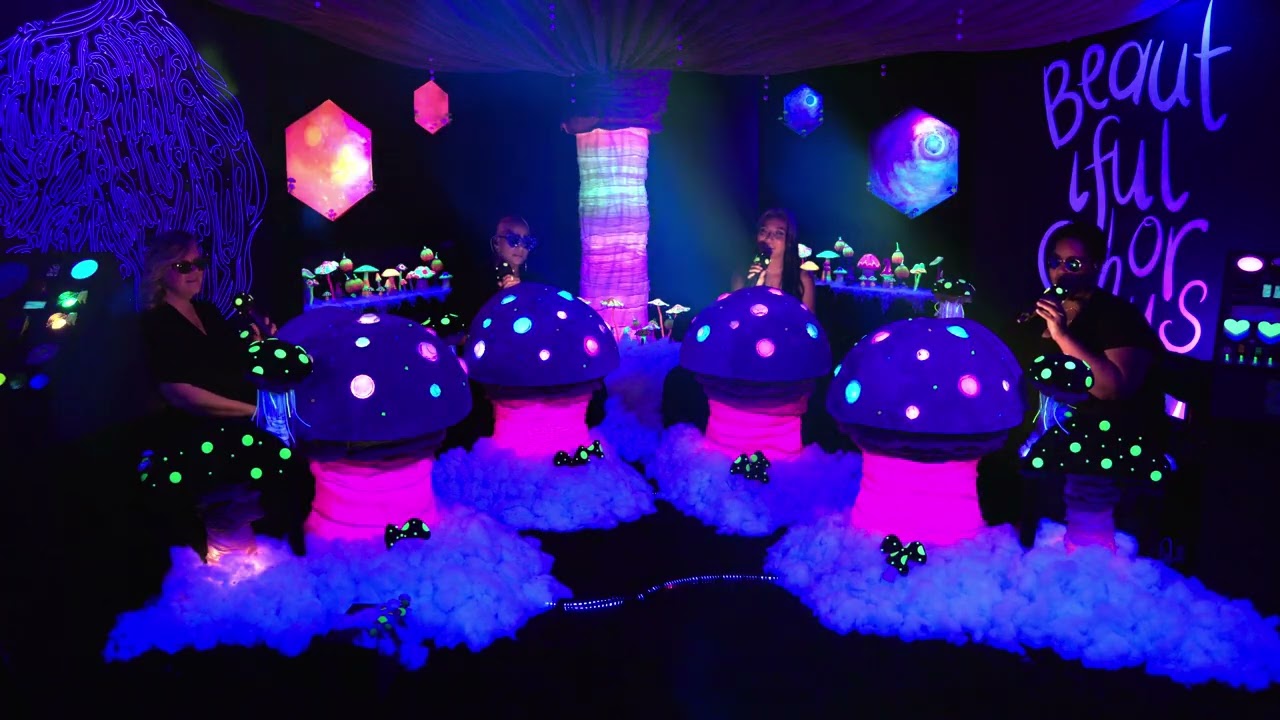
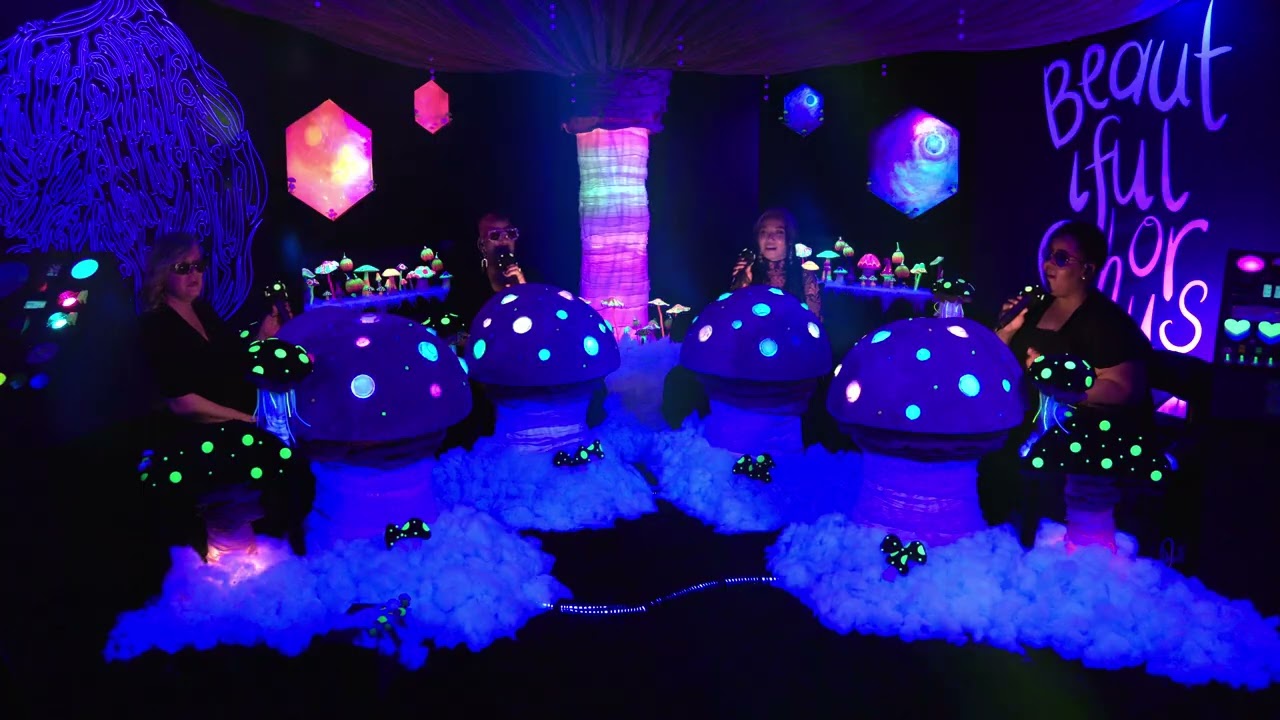
Sacred Chants of Shiva is a long, unhurried recording of Sanskrit devotional verse, built mostly on hymns attributed to Adi Shankara, and it asks the listener to do very little except stay put. The album, presented on a 68-minute video upload by the yoga teacher Catherine Annis, pairs the texts with wide, sustained sound and many voices, so that a single line can hang in the air for what feels like a full breath. Its core material is a set of stotras, or hymns of praise: the Shiva Manasa Puja, the Shivoham, the Lingashtakam, and a Bhavani Ashtakam addressed to the Goddess. Read closely, the words are less a list of praises than a sequence of instructions for the mind, moving from offering to self-recognition to the quiet that follows both.

Start the video at about the one-minute mark. Under a bed of held tone, a voice rises with the Sanskrit for flowers and incense, the first words of an offering that is being made entirely in the imagination. There is no drum to mark the beat and no chorus pushing toward a climax. The sound opens like a room, and the listener is invited in before anyone explains the house. That choice, more than any single verse, is the subject of this record.

Lecture · 8 sections

What is a stotra, and why does this record sound the way it does?

A stotra is a hymn of praise, usually in Sanskrit, meant to be recited or sung rather than read silently. Traditionally these works praise a deity by naming his or her attributes, and they often close with a request or a surrender. The album's own description places it at the contemplative end of that tradition. Its promotional copy, quoted on the video page, calls the work:

"Spacious, transcendental Sanskrit Chants for meditation and silence."

That phrase matters. Kirtan, the call-and-response chanting many Western listeners know, builds energy through repetition and participation. A stotra recording of this kind does the opposite. Lines are allowed to end, silence is allowed to arrive, and the repeated refrains work like a mantra, returning the mind to the same few syllables. The length of the tracks is part of the teaching: a short chant gives the ear a melody, but a long one gives the attention somewhere to settle.

How does Shiva Manasa Puja turn worship into imagination?

Manasa puja means worship performed in the mind. The text of the Shiva Manasa Puja, which the album's description names among its tracks, takes the ritual items of a temple offering and presents them inwardly: a seat set with jewels, water for bathing, sandalwood, flowers, incense, a lamp, food, and fruit. The captions at the opening minute carry this list, and the sequence keeps going, offering music and dance and prostration as well.

The idea behind the practice is that the devotee's inner act can stand in for an outer one. A person who cannot afford a temple, or who is traveling, or who is simply too restless to sit before a physical altar, can still complete the full ritual inside. The offering becomes the attention itself. Heard this way, the long catalogue of items is not clutter. It is a rehearsal of giving everything away, one thing at a time, until nothing is left to hold.

What does "Shivoham" claim about the self?

Around the seventeen-minute mark, the Shivoham refrain takes over: "I am Shiva." Captions around 17:38 show the phrase repeated in alternating lines, and the surrounding verse builds its claim by negation. Before it affirms anything, it denies. The self is not the mind, not the intellect, not the ear, eye, or breath, not the five sheaths of body and vital energy, not the seven tissues. Only after this stripping away does the chant arrive at its statement: consciousness and bliss, eternal, pure, awake, free.

This is the classic structure of the nirvana-style hymns attributed to Shankara, and it is worth understanding because the music is so calm that the argument can slip past. The verse is doing philosophy. It moves the listener through what they are not, so that the final "I am Shiva" lands as a recognition rather than a boast. Chanted slowly, the repetition gives the claim time to sink in. Chanted fast, it becomes a slogan. The recording chooses the slow version.

Why does the Lingashtakam appear in the middle of the record?

Around the thirty-one-minute mark, the Lingashtakam begins, with the refrain "Lingam tat pranamami sada," an offering of obeisance to the linga, the aniconic form through which Shiva is worshipped. The hymn is built in short stanzas, each closing on the same line, and each naming a different quality of the form. Captions around 34:14 pick up the verses describing the linga encircled by eight petals, a reminder that these texts are full of concrete temple imagery even when they point beyond it.

Among the epithets in the captions are ones for the form that destroys desire and the form that is compassionate, a pairing the hymn holds without apology. The Lingashtakam's power lies in exactly that tension. It does not ask the listener to choose between severity and mercy in the divine. It places them in one stone, and the repeated refrain gives the mind a single point to return to while the names accumulate.

Does the Goddess have a place on a Shiva album?

Yes, and the transcript makes it clear. Around the seven-minute mark, the refrain "mama gatis tvam" (you are my refuge) begins, and it returns again and again through a Bhavani Ashtakam, a set of verses addressed to the Goddess. The stanzas list the ways a person can be lost: without father or mother, without friends, in danger, in sickness, in the midst of enemies, in a forest or at sea. Each list ends in the same plea. The effect is less theological than emotional. The listener hears the vulnerability that prayer begins from.

The inclusion of the Goddess also explains something about the album's reach. The Shiva tradition that these hymns come from does not stand alone. Its devotional life includes the feminine as a living presence, and the refuge theme gives non-specialist listeners a human way in before the metaphysics begin.

Why did this recording travel so far?

The video's description makes several claims that are worth reporting as claims. It says the album "has already become a classic in India, selling over millions of copies since its launch," and that it has drawn "over 20 rave press reviews from India." It also credits the Sanskrit pronunciation and performance to guidance from Sri Sri Ravi Shankar, founder of the Art of Living Foundation, whose "guidance and grace" the description says shaped the recordings. The description adds that the discs were recorded in the UK for "first class sound production in beautiful stereo sound." The material available for this piece does not independently verify the sales or review figures, so readers should treat them as the publisher's account. What it does show is the care taken with the language: a recording that wants its Sanskrit to be right is making a claim about respect, and the listening experience follows from that.

The video itself, which carries a statement that Craig Pruess granted permission for the upload, has drawn more than 2.5 million views on the channel. Its audience is clearly wider than devotional specialists. That tells you the appeal: people who have never chanted in Sanskrit are using these hymns as a place to sit still.

How should you listen to a 68-minute chant record?

Give it real time. The video runs one hour and eight minutes, and the value comes from the long middle, not the opening. Listen once without reading anything, letting the held tones and the many voices do their work. Then go back to a translation of the Shiva Manasa Puja, the Shivoham, and the Lingashtakam, and follow the refrains. The captions on the video are automatically generated and often garbled, so they are a rough guide to where a verse begins, not a reliable text. A printed or verified translation will serve you much better.

If you chant along, do it slowly and let the silences be part of the practice. The recording has been designed around the pauses. Matching its pace is harder than it sounds, and it is the point.

Where to go from here

Start with the Shivoham. Its structure, moving from negation to affirmation, is the clearest entry into how these Sanskrit hymns think. Next, find a translation of the Shiva Manasa Puja and read it while listening, so the offerings become visible as you hear them. Then try the Lingashtakam, whose single refrain is an easy place to practice returning your attention. Finally, listen to the full album at its own length, and notice what changes when the chant stops asking you to understand and starts asking you to rest.

Comments

Loading the conversation…

Transcript

[0:02] [संगीत]

[0:25] रत्ने कल्पित मासनम

[0:28] [संगीत]

[0:31] हिम

[0:33] चले स्नान

[0:41] चम नाना रत्न

[0:45] विभूषित मृग

[0:47] मदा

[0:49] मोदक

[0:52] [संगीत]

[0:56] चंदनम जाति चंपक बिल पत्र

[1:03] रचित पुष्पम च धूपम

[1:10] तथा दीपम देव

[1:15] दयानिधे

[1:17] पशुपति हत कल्पित

[1:22] [संगीत]

[1:29] ग्रहिता स वण नवरत्न खंड

[1:35] रचते पात्रे कतम

[1:38] [प्रशंसा]

[1:43] पायसम भम पंच विध पयो दध

[1:49] यतम रम फलम पान

[1:53] [संगीत]

[1:58] कम शाका

[2:01] यतम जलम रुचिक

[2:06] करम कर्पूर खंडो

[2:09] [संगीत]

[2:13] जलम तंबुलम मनसा

[2:17] मया

[2:20] विरचित भक्त प्रभो स्वी गुरु

[2:28] [संगीत]

[2:31] छत्र चामर

[2:34] योगम जजन

[2:36] कम चा दर्श कम

[2:40] [संगीत]

[2:43] निर्मलम वीणा भेरी मृदंग कोहल

[2:49] कला गीतम च नृत्यम

[2:57] तथा साष्टांग प्रण

[3:00] स्तुति बहु

[3:03] विधा हेत समस्त

[3:11] मया

[3:13] संकल्पन

[3:16] समर्पित तव

[3:18] [संगीत]

[3:20] विभो पूजाम ग्रहण

[3:27] प्रभो आत्मा गिरिजा

[3:32] मते सह

[3:34] चरा प्राणा शरीर

[3:38] [संगीत]

[3:42] ग्रह

[3:43] पूजाते विषयो प भोग

[3:49] रचना निद्रा समाधि

[3:52] [हंसी]

[3:56] स्थिति

[3:58] संचार पतियो

[4:01] प्रत्यक्षण विधि स्तोत्र

[4:09] सर्वाग जत कर्म करोम तत

[4:15] [संगीत]

[4:17] अखिलम शंभो तवा

[4:28] आराधन कर चरण

[4:31] कृतम काय जम कर्म

[4:38] जमवा श्रवण नयन

[4:42] जमवा मान संवा

[4:48] पराध विहित म

[4:52] विहित

[4:54] सर्वमत चम

[4:57] स्वा जय जय कर णा

[5:03] श्री

[5:05] महादेव शंभो

[5:07] [संगीत]

[5:08] [हंसी]

[5:15] [संगीत]

[5:23] [संगीत]

[5:55] [संगीत]

[6:12] [संगीत]

[6:12] [प्रशंसा]

[6:14] [संगीत]

[6:28] [संगीत]

[6:38] न

[6:39] तातो न माता न

[6:42] बंधु न

[6:49] दाता न पुत्रो न पुत्री न

[6:55] भृत्य न भरता

[7:01] [संगीत]

[7:04] न

[7:05] जाया

[7:07] नवेद

[7:09] नव

[7:10] [संगीत]

[7:15] मम गतिस्वम

[7:18] गतिस्वम

[7:20] त्वम का

[7:24] भवानी गतिस्वम गतिस्वम

[7:30] का

[7:35] [संगीत]

[7:44] भवानी भवा धाव

[7:49] पारी महा दुख भीरू

[7:53] [संगीत]

[8:01] प्रपात

[8:03] प्रका

[8:11] प्रलोभन कु

[8:14] संसार

[8:15] भाष

[8:17] प्रबत सदा

[8:23] हम गतिस्वम

[8:27] गतिस्वम त्वम

[8:31] [संगीत]

[8:33] भवानी गतिस्वम

[8:36] गतिस्वम

[8:37] [संगीत]

[8:39] त्वमेका

[8:44] [संगीत]

[8:49] भवानी

[8:51] दजाना मि

[8:53] दनम नच ध्यान योगम

[9:00] [संगीत]

[9:02] न

[9:03] जानामि

[9:05] तंत्रम नच तोत्र

[9:14] मंत्रम न

[9:16] जानामि

[9:18] पूजाम न

[9:20] ज्यास

[9:24] [संगीत]

[9:26] योगम

[9:28] गतिम ग स्वम त्वम का

[9:35] भवानी गतिस्वम

[9:38] गतिस्वम

[9:40] त्वम का भवानी

[9:46] [संगीत]

[9:51] [संगीत]

[9:54] [हंसी]

[9:57] [संगीत]

[10:01] न

[10:02] जानामि

[10:04] पुण्यम न

[10:06] जानामि

[10:10] तीर्थम न

[10:13] जानामि

[10:14] मुक्ति लय वा

[10:18] [संगीत]

[10:23] कदाचित न

[10:26] जानामि

[10:28] भक्ति व्रतम

[10:30] बाप

[10:35] मात गतिस्वम

[10:39] गतिस्वम

[10:41] त्वमेका

[10:45] भवानी गतिस्वम

[10:48] गतिस्वम

[10:50] त्वम का भवानी

[10:55] [संगीत]

[11:01] कुकर्मी कु

[11:03] संगी कु

[11:05] बुद्धि कु

[11:11] दास

[11:13] कुलाचार

[11:15] हीन

[11:18] कदाचार

[11:25] लीन कु

[11:27] दृष्टिक वाक्य

[11:31] प्रबंध

[11:33] [संगीत]

[11:38] सदाह गतिस्वम

[11:41] गतिस्वम

[11:43] त्वम का

[11:45] [संगीत]

[11:47] भवानी गतिस्वम

[11:50] गतिस्वम

[11:52] [संगीत]

[11:53] त्वमेका भवानी

[11:58] [संगीत]

[12:04] प्रजेश

[12:05] [प्रशंसा]

[12:05] [संगीत]

[12:07] रमेश

[12:09] महेश

[12:15] सुरेशम

[12:17] दिनेश

[12:19] निशीथे स्वरम बा कदाचित

[12:28] [संगीत]

[12:30] जानामि

[12:32] जानत सदा हम

[12:35] [संगीत]

[12:40] शरणे गतिस्वम

[12:43] गतिस्वम

[12:46] त्वमेका

[12:49] भवानी गतिस्वम

[12:53] गतिस्वम

[12:56] त्वमेका भवानी

[13:05] [संगीत]

[13:20] विवादे

[13:21] विषदे

[13:24] प्रमाद प्रवासे

[13:32] जले चा नले

[13:35] पर्वत शत्रु

[13:42] [संगीत]

[13:43] मध्य

[13:45] अरण्य शरण में सदा माम प्र

[13:53] [संगीत]

[13:57] पाही कति

[14:00] गतिस्वम

[14:02] [संगीत]

[14:03] त्वमेका

[14:06] भवानी गतिस्वम

[14:09] गतिस्वम

[14:11] त्वम का

[14:13] [संगीत]

[14:22] भवानी

[14:24] अनाथो

[14:26] दरिद्र जरा

[14:29] [संगीत]

[14:36] यतो महा छण

[14:40] दीन सदा जाट

[14:45] [संगीत]

[14:48] वक

[14:50] विपत

[14:52] प्रविष्ट

[14:54] प्रण सदा हो

[15:01] गतिस्वम

[15:03] गतिस्वम

[15:05] त्वम का

[15:09] भवानी गतिस्वम

[15:12] गतिस्वम

[15:15] त्वमेका

[15:18] भवानी

[15:20] गतिम

[15:22] गतिम तुम

[15:25] का

[15:26] [संगीत]

[15:28] भवान नी

[15:35] [संगीत]

[16:08] [संगीत]

[16:16] [प्रशंसा]

[16:18] [संगीत]

[16:19] [प्रशंसा]

[16:21] [संगीत]

[16:24] [प्रशंसा]

[16:32] [संगीत]

[16:36] [प्रशंसा]

[16:43] शिवो हम शिवो

[16:49] हम

[16:51] शिव

[16:53] [संगीत]

[16:57] स्वरूप शिव श हम

[17:04] शिवोहम

[17:06] शिव

[17:08] स्वरूपो

[17:12] हम नित्य हम शुद्ध

[17:17] हम बुद्ध हम

[17:22] मुक्तो

[17:25] हम नित्य हम शुद्ध

[17:30] हम बुद्ध हम

[17:35] मुक्तो

[17:38] हम शिवो हम शिवो

[17:44] हम

[17:47] शीव

[17:49] स्वरूपो

[17:52] हम

[17:54] शिवोहम

[17:58] शिवोहम

[18:00] जीव

[18:03] स्वरूपो

[18:06] हम नित्य हम शुद्ध

[18:11] हम

[18:13] बुद्ध हम

[18:19] मुक्तो

[18:20] नित्य हम शुद्ध

[18:25] हम

[18:27] बुद्ध हम

[18:29] मुक्तो

[18:31] हम शिवो हम शिवो

[18:38] हम

[18:40] शव

[18:42] स्वरूप

[18:44] हम

[18:47] शिवोहम

[18:50] शिवोहम

[18:52] शिव

[18:55] स्वरूपो हम

[19:01] अद्वैत

[19:04] मानंद

[19:07] रूपम

[19:11] रूपम

[19:13] अद्वैत

[19:17] मानंद

[19:19] रूपम

[19:23] रूपम ब्रह्मो हम ब्रह्मो हम

[19:31] ब्रह

[19:34] स्वरूप

[19:36] हम ब्रह्मो हम ब्रह्मो

[19:42] हम

[19:44] ब्रह

[19:47] स्वरूपो

[19:50] हम चदो हम चद

[19:57] हम स

[20:02] चिदानंद

[20:04] हम चदो हम चदो

[20:11] हम

[20:16] सच्चिदानंद

[20:18] हम शिवो हम शिवो

[20:25] हम

[20:27] शीव स्वर

[20:32] पह

[20:34] शिवोहम

[20:38] शिवोहम

[20:40] शीव

[20:43] स्वरूपो

[20:45] हम नित्य हम शुद्ध

[20:50] हम बुद्ध हम मुक्तो

[20:59] हम शुद्ध

[21:02] हम बुद्ध हम

[21:09] मुक्तो शिवो हम शिवो

[21:16] हम

[21:18] शव

[21:21] स्वरूप

[21:23] हम

[21:26] शिवोहम शिवोहम

[21:31] शव

[21:34] स्वरूप

[21:36] हम

[21:38] शीव

[21:41] स्वरूपो

[21:43] हम

[21:45] शीव स्वरूप

[21:48] [संगीत]

[22:40] [संगीत]

[22:47] ओ

[22:50] [संगीत]

[23:02] मनो बूद

[23:07] हंकार

[23:10] चेता

[23:11] [संगीत]

[23:14] निनाहम नच

[23:17] शोत्र

[23:21] जीवे नच

[23:24] घण नेत्र

[23:30] नच

[23:31] व्यम

[23:34] भूमन

[23:36] तेज न

[23:39] [संगीत]

[23:40] वायु

[23:43] चिदानंद

[23:44] [संगीत]

[23:46] रूप

[23:48] शिवोहम

[23:51] [संगीत]

[23:53] शिवोहम

[23:56] चिदानंद रूप

[24:03] शिवोहम

[24:08] शिवोहम नच प्राण

[24:13] संयो

[24:15] नई पंच

[24:20] वायु

[24:21] नवा

[24:24] सप्त

[24:26] धातु नव

[24:29] पंच

[24:32] कोष नवा पाणि

[24:37] पादम नचो पस्त

[24:42] पाय

[24:45] चिदानंद

[24:49] रूप

[24:51] शिवोहम शिवो

[24:55] हम

[24:57] चिदानंद

[25:02] रूप

[25:04] शिवोहम

[25:07] [संगीत]

[25:09] शिवोहम नमे द्वेष

[25:15] रागो नम

[25:18] लोभ

[25:21] मोहर मधुर

[25:25] नैव में नैव

[25:29] मा

[25:30] स्य

[25:33] भाव न

[25:36] धर्मो न

[25:39] र्थ न

[25:41] कामो न

[25:44] मोक्ष

[25:46] चिदानंद

[25:49] रूप

[25:52] शिवोहम

[25:55] शिवोहम

[25:57] चिदानंद

[25:58] [संगीत]

[26:01] रूप

[26:03] शिवोहम

[26:06] [संगीत]

[26:09] शिवोहम न

[26:11] पुण्यम न

[26:14] पापम न

[26:16] सख्यम न

[26:20] दुखम न

[26:22] मंत्रो न

[26:25] तीर्थम नवे दन

[26:30] यज अहम भो

[26:34] जनम

[26:36] नव

[26:38] भजमन

[26:40] भोक्ता

[26:43] चिदानंद

[26:46] रूप

[26:48] शिवोहम

[26:49] [संगीत]

[26:51] शिवोहम

[26:53] [संगीत]

[26:54] चिदानंद रूप

[27:00] शिवोहम

[27:01] [संगीत]

[27:05] शिवोहम न

[27:07] मृत्यु न

[27:10] शंखा न मे जाति

[27:16] बेद पिता

[27:19] नैव में

[27:22] नव

[27:24] माता न जन्मा

[27:28] न

[27:30] बंधुन

[27:33] मित्रम गुरु नव

[27:38] शेष

[27:41] चिदानंद

[27:44] रूप

[27:46] शिवोहम

[27:50] शिवोहम

[27:53] चिदानंद

[27:54] [संगीत]

[27:56] रूप शिव

[27:59] हम

[28:04] शिवोहम अहम

[28:09] निर्विकल्प

[28:12] निराकार

[28:14] रूपो वि

[28:16] भूत्वा च

[28:20] सर्वत्र सर्वे

[28:25] इंद्रिया नच

[28:29] संगतम

[28:31] दैव

[28:34] मुक्ति

[28:36] मेय

[28:39] चिदानंद

[28:42] रूप

[28:44] शिवोहम

[28:48] शिवोहम

[28:50] चिदानंद

[28:54] रूप

[28:56] शिवोहम शिवो

[28:59] हम

[29:01] शिवोहम शिवो

[29:05] हम

[29:07] शिवोहम शिवो हम

[29:14] [संगीत]

[30:08] [संगीत]

[30:22] [संगीत]

[30:32] ब्रह्म मुरारी सुरा चित

[30:37] [संगीत]

[30:40] लिंगम निर्मल भाषित शोभित

[30:44] [संगीत]

[30:48] लिंगम जन्म ज दुख

[30:52] विनाशक

[30:53] [संगीत]

[30:55] लिंगम त प्रणम

[30:59] सदा

[31:04] [संगीत]

[31:07] [प्रशंसा]

[31:10] [संगीत]

[31:15] शिवलिंगम देव मुनि

[31:18] प्रवरा चित

[31:22] लिंगम काम दहन करुणा कर लिंग

[31:32] रावण तर्प

[31:34] विनाश

[31:38] लिंगम त प्रण मामि सदा

[31:48] शिवलिंगम सर्व सुगंधि सुले पित

[31:55] लिंगम बुद्धि विव न कारण

[32:02] लिंगम सिद्ध सुरा सुर वंदित

[32:10] लिंगम त प्रण मामि

[32:14] सदा

[32:16] [संगीत]

[32:26] शिवलिंगम कणक म मणि भूषित

[32:31] [संगीत]

[32:34] लिंगम फण पति वेष शोभित

[32:42] लिंगम दक्ष सु यजन

[32:46] विनाशक

[32:51] लिंगम तत् प्रण मामि

[32:55] सदा शिवलिंगम

[33:00] [संगीत]

[33:02] कुमकुम चंदन

[33:04] लेपित

[33:06] [संगीत]

[33:08] लिंगम पंकज हार

[33:12] सुशोभित

[33:17] लिंगम संचित पाप

[33:21] विनाशक

[33:22] [संगीत]

[33:25] लिंगम त प्रमा

[33:29] सदा

[33:31] [संगीत]

[33:43] शिवलिंगम देव गण चित सेवित

[33:50] लिंगम

[33:51] भाव भक्ति भेव च लिंगम

[33:57] [संगीत]

[33:59] दिनकर कोटि

[34:01] प्रभाकर

[34:05] लिंगम त प्रण मामि

[34:09] सदा

[34:14] शिवलिंगम अष्ट तल

[34:18] परिवेट

[34:19] [संगीत]

[34:23] लिंगम सर्व समोद भव का

[34:31] लिंगम अष्ट दत्र

[34:35] विनाशक

[34:40] लिंगम त प्रण मामि

[34:44] सदा शिवलिंगम

[34:47] [संगीत]

[35:01] सुरगुरु सरवर पूजित

[35:08] लिंगम सरवन पुष्प सदा चित

[35:12] [संगीत]

[35:16] लिंगम परम पदम परमात्मा

[35:21] [संगीत]

[35:24] कलिंगम त प्रण मामि सदा

[35:29] [संगीत]

[35:32] शिवलिंगम त प्रण मामि

[35:36] सदा

[35:37] [संगीत]

[35:41] शिवलिंगम त प्रण मामि

[35:45] सदा शिवलिंगम

[35:48] [संगीत]

[36:12] [संगीत]

[36:19] [संगीत]

[36:34] [संगीत]

[36:54] ज

[36:58] आ

[37:04] [संगीत]

[37:56] श आ

[37:59] [संगीत]

[38:28] आ

[38:30] [संगीत]

[39:12] श

[39:21] [संगीत]

[39:41] ओ

[39:52] [संगीत]

[40:27] [संगीत]

[40:36] श्री

[40:50] [संगीत]

[41:16] [संगीत]

[41:25] वि

[41:33] ज

[41:41] [संगीत]

[41:47] [संगीत]

[42:00] श्री

[42:02] [संगीत]

[42:11] [संगीत]

[42:33] [प्रशंसा]

[42:41] ज

[42:42] [संगीत]

[43:03] [संगीत]

[43:26] आ श

[43:38] [संगीत]

[44:07] [संगीत]

[44:21] न

[44:32] [संगीत]

[44:39] [संगीत]

[44:46] [प्रशंसा]

[44:56] ज आ

[45:04] [संगीत]

[45:23] [प्रशंसा]

[45:27] [संगीत]

[45:33] [संगीत]

[45:44] ज

[45:49] [संगीत]

[45:55] [संगीत]

[46:02] [प्रशंसा]

[46:02] [संगीत]

[46:09] [प्रशंसा]

[46:11] श

[46:25] [संगीत]

[46:31] [संगीत]

[46:47] [प्रशंसा]

[46:55] [संगीत]

[47:08] श

[47:12] [संगीत]

[47:20] [प्रशंसा]

[47:23] [संगीत]

[47:30] [प्रशंसा]

[47:32] [संगीत]

[47:35] शी

[47:53] [संगीत]

[48:16] [संगीत]

[48:36] ह

[48:39] [संगीत]

[48:59] शी

[49:11] [संगीत]

[49:27] ओ

[49:43] [संगीत]

[50:12] [संगीत]

[50:26] आ आ

[50:31] [संगीत]

[51:01] [संगीत]

[51:17] [प्रशंसा]

[51:19] रा

[51:27] [संगीत]

[51:32] [संगीत]

[51:46] श

[51:48] [संगीत]

[51:57] आ

[52:01] [संगीत]

[52:27] आ

[52:28] [संगीत]

[52:53] [संगीत]

[53:03] [संगीत]

[53:10] श

[53:19] [संगीत]

[53:55] ज ज

[53:58] [संगीत]

[54:16] [संगीत]

[54:34] श

[54:46] [संगीत]

[55:16] [संगीत]

[55:46] [संगीत]

[55:56] [प्रशंसा]

[55:58] श्री

[55:59] [संगीत]

[56:07] [संगीत]

[56:26] आ

[56:38] [संगीत]

[57:25] श आ

[57:34] [संगीत]

[57:58] ज

[58:05] [संगीत]

[58:45] श्री

[58:55] [संगीत]

[58:56] आ

[58:58] [संगीत]

[59:05] [संगीत]

[59:27] [संगीत]

[59:42] ज

[59:49] [संगीत]

[1:00:00] [संगीत]

[1:00:05] [प्रशंसा]

[1:00:10] [संगीत]

[1:00:23] [संगीत]

[1:00:25] ज आ

[1:00:29] [संगीत]

[1:00:50] [संगीत]

[1:01:06] न

[1:01:15] [संगीत]

[1:01:23] [संगीत]

[1:01:33] श

[1:01:42] [संगीत]

[1:02:01] ओ

[1:02:15] [संगीत]

[1:02:30] ज

[1:02:34] [संगीत]

[1:02:43] [संगीत]

[1:03:08] [संगीत]

[1:03:25] शी अ

[1:03:37] [संगीत]

[1:04:25] श आ

[1:04:31] [संगीत]

[1:05:00] [संगीत]

[1:05:17] ज

[1:05:24] [संगीत]

[1:05:55] शव

[1:05:57] [संगीत]

[1:06:16] [प्रशंसा]

[1:06:16] [संगीत]

[1:06:25] आ और

[1:06:27] [संगीत]

[1:07:54] और और

Craig Pruess
ArtistCraig Pruess

Film and TV composer, arranger and sitar-playing multi-instrumentalist behind Bend It Like Beckham and BBC's Moses Jones, whose chant project Sacred Chants of Shiva sold over 10 mi…

Voir le profilSite web
Explorer les thèmes
Shiva-chantsAdi-shankaraShivohamLingashtakamSanskrit-chanting

Des questions ?

Questions fréquemment posées

It is a recording of Sanskrit devotional hymns, mostly attributed to Adi Shankara, set to long, spacious renditions meant for meditation and silence. According to the video description, it includes the Shiva Manas Puja, Shivoham, and Astakams, along with a slow version of Om Nama Shivaya sung by many voices. The recording was made in the UK.
Shivoham is usually translated as 'I am Shiva,' and the chant develops that claim by first denying identification with the body, mind, senses, and breath. It then affirms the self as consciousness and bliss, described in the captions as eternal, pure, awake, and free. The structure of negation followed by affirmation is central to the hymn.
Manasa puja is worship performed in the mind rather than with physical objects. The Shiva Manasa Puja lists offerings such as a seat, bathing water, sandalwood, flowers, incense, a lamp, and food, all presented inwardly. The practice lets the attention itself become the offering.
A stotra is a hymn of praise, usually in Sanskrit, meant to be recited or sung. Traditional stotras name a deity's attributes and often end with a request or a surrender. The chants on this album are presented as meditation rather than as call-and-response devotional singing.
The video description does not say that. It states that the Sanskrit pronunciation and performance were carefully guided by Sri Sri Ravi Shankar, founder of the Art of Living Foundation, and that his guidance shaped the recordings. The description does not claim he sang on the album.
Yes, the Lingashtakam appears in the recording, marked by the refrain 'Lingam tat pranamami sada.' Its stanzas praise the linga, the aniconic form of Shiva, with each verse naming a different quality. It is one of the clearest refrains in the album for practicing sustained attention.
The uploaded video runs one hour and eight minutes. The automatically generated captions are often garbled, so a verified translation of the hymns is better for studying the words than the video captions.

Continuer la lecture

More from Craig

Voir tout
Si Quaeris Miracula: Inside a Medieval Latin Chant Reborn
Inspire

Si Quaeris Miracula: Inside a Medieval Latin Chant Reborn

Craig Pruess and Andrea Zaupa's Latin chant "Si quaeris miracula" pairs a medieval text with ethereal production. Here is what the piece is …

1 min read
Devi Prayer: Inside the 108 Names of Mother Divine Chant
Inspire

Devi Prayer: Inside the 108 Names of Mother Divine Chant

Craig Pruess and Ananda Vodvic's 2002 chant "Devi Prayer" grew from a recording session that went silent for 15 to 20 minutes. Here is the s…

1 min read
Mantra Medicine: Safe — Repeating "I Am Safe" Through Sound
Inspire

Mantra Medicine: Safe — Repeating "I Am Safe" Through Sound

A near eight-minute sung mantra built on the phrase "I am safe," with no spoken teaching. Here is how to listen to Mantra Medicine: Safe and…

1 min read
Be Here Now Mantra Medicine: How a Chant Trains Presence
Inspire

Be Here Now Mantra Medicine: How a Chant Trains Presence

A six-minute "Be Here Now" chant set over music, read through its own description: how the repetition works, how the phrase shifts across th…

1 min read

Continue d’explorer

Poursuis ton chemin

Plus de sagesse et de rassemblements dans tout l’annuaire BrightStar.

Plus d’articles

Parcours toute la bibliothèque d’enseignements, d’entretiens et de guides.

Retour à tous les articles →

Enseignants et artistes

Découvre les lignées, les musiciens et les guides du monde conscient.

Explorer les artistes →

Trouver un événement

Kirtan, retraites, bains sonores, breathwork, festivals — bientôt près de chez toi.

Parcourir les événements →