BrightStar

Parcourir tous les Events

Discover conscious gatherings

events

Yoga
Meditation
Breathwork
Qigong
Tai Chi
Sacred Music
World Music
Medicine Music
Sound Healing
Ecstatic Dance
Destinations populaires
BaliSedonaLos AngelesCosta RicaNew YorkSan FranciscoAustinMiamiJoshua TreeTulum
Voir toutes les catégoriesVoir toutes les destinations

Explorer toutes les fonctionnalités

Des outils puissants pour développer vos événements

Fonctionnalités de la plateforme

Tarification dynamique intelligente
Catégories de billets
Places assignées
Récupération des paniers abandonnés
Récupération des visiteurs
Dons & Prix variables
Système d'affiliation
Scanner de billets
Codes promo
Questions personnalisées
Partage de billets
Ventes additionnelles & Options
Analyses & Rapports
Séquences d'emails
Liste d'attente / Notifier / Rappeler
Personnes & Lieux
Artists & TeachersEvent OrganizersVenues & StudiosKnowledge BaseGlossaryInspiration
Voir toutes les fonctionnalitésÀ propos
TarifsBlog
Parcourir tous les événements

events

YogaMeditationBreathworkQigongTai ChiSacred MusicWorld MusicMedicine Music

Destinations populaires

BaliSedonaLos AngelesCosta RicaNew YorkSan Francisco

Personnes & Lieux

Artists & TeachersEvent OrganizersVenues & StudiosKnowledge BaseGlossaryInspiration

Fonctionnalités de la plateforme

Tarification dynamique intelligenteCatégories de billetsPlaces assignéesRécupération des paniers abandonnésRécupération des visiteursDons & Prix variablesSystème d'affiliationScanner de billetsCodes promoQuestions personnaliséesPartage de billetsVentes additionnelles & OptionsAnalyses & RapportsSéquences d'emailsListe d'attente / Notifier / Rappeler
Voir toutes les fonctionnalitésÀ propos
TarifsBlog
ConnexionChercheursCréateurs
Tibetan BuddhistOm Mani Padme Hum · Om Mani Padme Hum · Om Mani Padme Hum · Om Mani Padme Hum · Om Mani Padme Hum ·
  • Parcourir tous les Events
  • Pour les chercheurs
  • Yoga
  • Meditation
  • Breathwork
  • Qigong
  • Tai Chi
  • Sacred Music
  • Retraites
  • Ateliers
  • Toutes les catégories →
  • Bali
  • Sedona
  • Los Angeles
  • Costa Rica
  • Tulum
  • Byron Bay
  • San Francisco
  • Austin
  • Toutes les villes →
  • Pour les créateurs
  • For Teams
  • Pour les écrivains
  • Pour les enseignants
  • Pour les artistes de kirtan
  • Pour les studios
  • Pour les festivals
  • Pour les centres de retraite
  • Pour les associations
  • Ambassadeur de marque
  • Études de cas
  • Seva
  • Elevate
  • Amplify
  • Réseau de 350K+ acheteurs
  • Récupération des paniers abandonnés
  • Tarification dynamique intelligente
  • Catégories de billets
  • Événements récurrents
  • Places assignées
  • Système d'affiliation
  • Liste d'attente / Notifier
  • Scanner de billets
  • Widget intégrable
  • Event Syndication
  • Message Center
  • Integrations
  • Reports
  • Toutes les fonctionnalités →
  • À propos
  • The Ecosystem
  • Blog
  • Glossaire
  • Inspiration
  • Centre d'aide
  • Contact
  • Documentation API
  • Ressources de marque
  • Carrières
  • Presse
  • Conditions d'utilisation
  • Politique de confidentialité

Events

  • Parcourir tous les Events
  • Pour les chercheurs
  • Yoga
  • Meditation
  • Breathwork
  • Qigong
  • Tai Chi
  • Sacred Music
  • Retraites
  • Ateliers
  • Toutes les catégories →

Destinations

  • Bali
  • Sedona
  • Los Angeles
  • Costa Rica
  • Tulum
  • Byron Bay
  • San Francisco
  • Austin
  • Toutes les villes →

Pour les créateurs

  • Pour les créateurs
  • For Teams
  • Pour les écrivains
  • Pour les enseignants
  • Pour les artistes de kirtan
  • Pour les studios
  • Pour les festivals
  • Pour les centres de retraite
  • Pour les associations
  • Ambassadeur de marque
  • Études de cas
  • Seva
  • Elevate
  • Amplify

Fonctionnalités

  • Réseau de 350K+ acheteurs
  • Récupération des paniers abandonnés
  • Tarification dynamique intelligente
  • Catégories de billets
  • Événements récurrents
  • Places assignées
  • Système d'affiliation
  • Liste d'attente / Notifier
  • Scanner de billets
  • Widget intégrable
  • Event Syndication
  • Message Center
  • Integrations
  • Reports
  • Toutes les fonctionnalités →

Entreprise

  • À propos
  • The Ecosystem
  • Blog
  • Glossaire
  • Inspiration
  • Centre d'aide
  • Contact
  • Documentation API
  • Ressources de marque
  • Carrières
  • Presse
  • Conditions d'utilisation
  • Politique de confidentialité
BrightStar
© 2026 BrightStar. Tous droits réservés.
Back to Yasna Safaei
Where to Start with Yasna Safaei: A Beginner's Guide
For Beginners

Where to Start with Yasna Safaei: A Beginner's Guide

Start Here: Her Social Media…

Yasna Safaei
Yasna Safaei
Jul 18, 2026
3 min read
Read · 1 sections

Where to Start with Yasna Safaei: A Beginner's Guide

Start Here: Her Social Media Performances

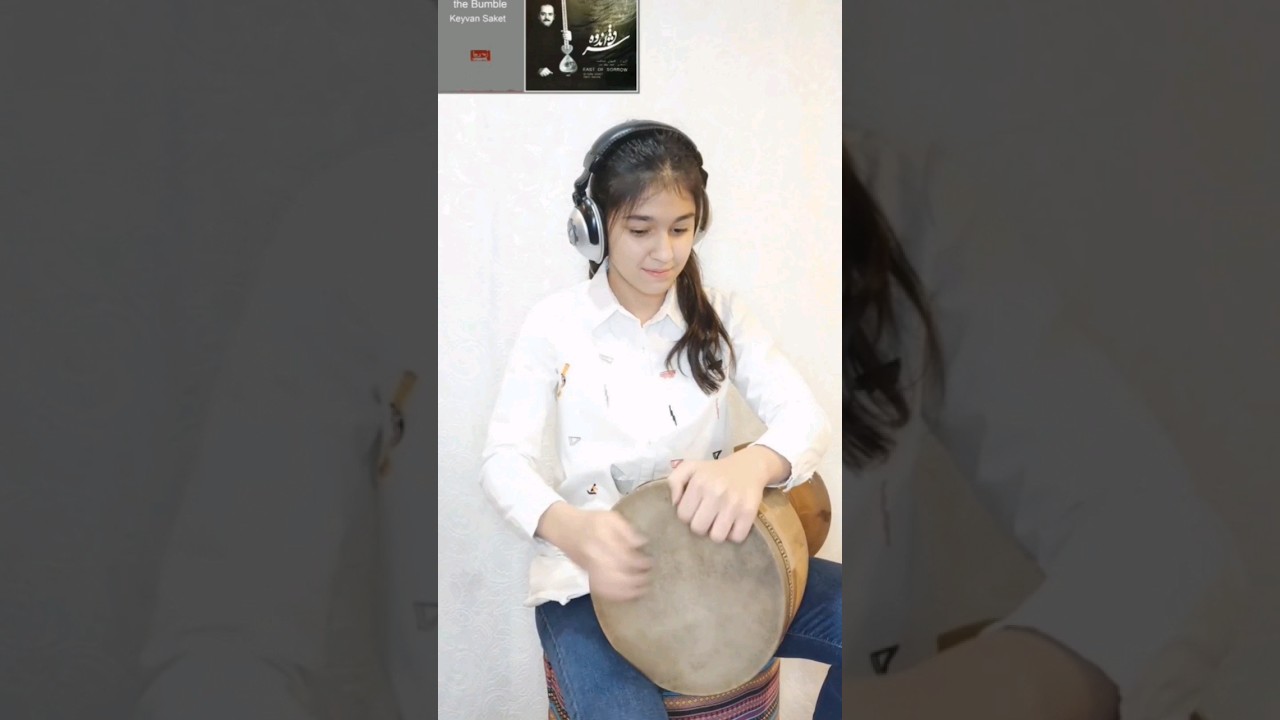
Yasna Safaei's social media presence is your essential entry point. Unlike artists with extensive discographies or published works, Safaei shares her tombak practice and performances directly through these platforms. Begin by watching her performance videos—they're immediate, unfiltered, and reveal exactly what she's after: the pursuit of tombak mastery within Persian classical tradition. You'll see her hands working the goblet-shaped drum's surface, producing everything from deep bass tones at the center to crisp rim strikes. These performances are short enough to repeat viewing, which you'll want to do. The tombak's sonic vocabulary takes time to distinguish.

After That: Follow This Sequence

Once you've watched several performance videos, seek out any content where Safaei discusses her practice philosophy. Her descriptions of tombak as an art form—not just an accompaniment instrument—reveal how seriously she takes this centuries-old tradition. Next, look for ensemble performances if available. The tombak traditionally supports other instruments in Persian classical music, and seeing Safaei in that context shows the drum's conversational role within the radif system. Finally, explore performances that highlight specific Persian modes and meters. The tombak isn't simply keeping time; it's articulating complex rhythmic cycles that structure Persian musical thought.

What to Expect on First Encounter

Your first experience will likely feel both simpler and more complex than anticipated. Simpler because you're watching one person, two hands, one drum. More complex because the sonic range is startling—the tombak produces a palette of sounds you wouldn't expect from a single instrument. You'll notice the bass "tom" sound from the center, the high "bak" from the rim (hence "tom-bak"), and countless variations between. The technique is subtle; Safaei's fingers barely seem to move, yet the rhythmic intricacy is unmistakable. Don't expect melody in the Western sense. Expect rhythm as architecture.

Common Misunderstandings

Beginners often mistake the tombak for background music or simple timekeeping. It's neither. The tombak in Persian classical music functions more like the tabla in Indian classical traditions—it's a lead voice with its own improvisational language. Another misconception: thinking you can grasp it in one sitting. The tombak's meters, particularly in the radif repertoire, follow cycles that take repeated listening to internalize. Finally, don't assume Safaei's focus on tradition means her work is historical recreation. She's actively interpreting, bringing her own voice to an established lineage.

When This Work Lands Hardest

Safaei's tombak performances tend to resonate most during transitional periods—when you're questioning how depth is achieved in any discipline. There's something clarifying about watching someone commit fully to mastering a single instrument's possibilities. It also hits differently when you're exhausted by novelty and seeking work rooted in centuries of refinement. If you're a musician, it might matter most when you're stripping your own practice back to fundamentals. If you're not, it might land when you need proof that focus still exists.

Your One-Week Starter Plan

Day 1: Watch three different Safaei performances. Don't analyze—just listen.

Day 2: Rewatch one from yesterday. This time, focus only on the bass tones. Notice when they appear.

Day 3: Watch the same performance again, focusing on rim strikes and finger techniques.

Day 4: Read about the tombak's history and construction. Understand what Safaei is working with.

Day 5: Watch a new performance. Try counting the rhythmic cycle. You'll probably lose count. That's fine.

Day 6: Explore Persian classical music more broadly—find radif performances where tombak accompanies other instruments.

Day 7: Return to Safaei's work. Notice what you hear now that you missed on Day 1.

The tombak rewards patient attention. So does Safaei's pursuit of it.

Yasna Safaei
AboutYasna Safaei

Yasna Safaei is a tombak player specializing in Persian percussion. She has dedicated her practice to the performance art of the tombak, a goblet drum central to Iranian classical…

View profile

Continue Reading

More about Yasna Safaei

View All
Who Is Yasna Safaei? Life, Work, and Legacy
Article

Who Is Yasna Safaei? Life, Work, and Legacy

Keep exploring

Continue your journey

More wisdom and gatherings from across the BrightStar directory.

More Articles

Browse the full library of teachings, interviews, and guides.

Back to all articles →

Teachers & Artists

Explore the lineages, musicians, and guides of the conscious world.

Explore artists →

Find an Event

Kirtan, retreats, sound baths, breathwork, festivals — happening soon.

Browse events →