BrightStar

Parcourir tous les Events

Discover conscious gatherings

events

Yoga
Meditation
Breathwork
Qigong
Tai Chi
Sacred Music
World Music
Medicine Music
Sound Healing
Ecstatic Dance
Destinations populaires
BaliSedonaLos AngelesCosta RicaNew YorkSan FranciscoAustinMiamiJoshua TreeTulum
Voir toutes les catégoriesVoir toutes les destinations

Explorer toutes les fonctionnalités

Des outils puissants pour développer vos événements

Fonctionnalités de la plateforme

Tarification dynamique intelligente
Catégories de billets
Places assignées
Récupération des paniers abandonnés
Récupération des visiteurs
Dons & Prix variables
Système d'affiliation
Scanner de billets
Codes promo
Questions personnalisées
Partage de billets
Ventes additionnelles & Options
Analyses & Rapports
Séquences d'emails
Liste d'attente / Notifier / Rappeler
Personnes & Lieux
Artists & TeachersEvent OrganizersVenues & StudiosKnowledge BaseGlossaryInspiration
Voir toutes les fonctionnalitésÀ propos
TarifsBlog
Parcourir tous les événements

events

YogaMeditationBreathworkQigongTai ChiSacred MusicWorld MusicMedicine Music

Destinations populaires

BaliSedonaLos AngelesCosta RicaNew YorkSan Francisco

Personnes & Lieux

Artists & TeachersEvent OrganizersVenues & StudiosKnowledge BaseGlossaryInspiration

Fonctionnalités de la plateforme

Tarification dynamique intelligenteCatégories de billetsPlaces assignéesRécupération des paniers abandonnésRécupération des visiteursDons & Prix variablesSystème d'affiliationScanner de billetsCodes promoQuestions personnaliséesPartage de billetsVentes additionnelles & OptionsAnalyses & RapportsSéquences d'emailsListe d'attente / Notifier / Rappeler
Voir toutes les fonctionnalitésÀ propos
TarifsBlog
ConnexionChercheursCréateurs
Tibetan BuddhistOm Mani Padme Hum · Om Mani Padme Hum · Om Mani Padme Hum · Om Mani Padme Hum · Om Mani Padme Hum ·
  • Parcourir tous les Events
  • Pour les chercheurs
  • Yoga
  • Meditation
  • Breathwork
  • Qigong
  • Tai Chi
  • Sacred Music
  • Retraites
  • Ateliers
  • Toutes les catégories →
  • Bali
  • Sedona
  • Los Angeles
  • Costa Rica
  • Tulum
  • Byron Bay
  • San Francisco
  • Austin
  • Toutes les villes →
  • Pour les créateurs
  • For Teams
  • Pour les écrivains
  • Pour les enseignants
  • Pour les artistes de kirtan
  • Pour les studios
  • Pour les festivals
  • Pour les centres de retraite
  • Pour les associations
  • Ambassadeur de marque
  • Études de cas
  • Seva
  • Elevate
  • Amplify
  • Réseau de 350K+ acheteurs
  • Récupération des paniers abandonnés
  • Tarification dynamique intelligente
  • Catégories de billets
  • Événements récurrents
  • Places assignées
  • Système d'affiliation
  • Liste d'attente / Notifier
  • Scanner de billets
  • Widget intégrable
  • Event Syndication
  • Message Center
  • Integrations
  • Reports
  • Toutes les fonctionnalités →
  • À propos
  • The Ecosystem
  • Blog
  • Glossaire
  • Inspiration
  • Centre d'aide
  • Contact
  • Documentation API
  • Ressources de marque
  • Carrières
  • Presse
  • Conditions d'utilisation
  • Politique de confidentialité

Events

  • Parcourir tous les Events
  • Pour les chercheurs
  • Yoga
  • Meditation
  • Breathwork
  • Qigong
  • Tai Chi
  • Sacred Music
  • Retraites
  • Ateliers
  • Toutes les catégories →

Destinations

  • Bali
  • Sedona
  • Los Angeles
  • Costa Rica
  • Tulum
  • Byron Bay
  • San Francisco
  • Austin
  • Toutes les villes →

Pour les créateurs

  • Pour les créateurs
  • For Teams
  • Pour les écrivains
  • Pour les enseignants
  • Pour les artistes de kirtan
  • Pour les studios
  • Pour les festivals
  • Pour les centres de retraite
  • Pour les associations
  • Ambassadeur de marque
  • Études de cas
  • Seva
  • Elevate
  • Amplify

Fonctionnalités

  • Réseau de 350K+ acheteurs
  • Récupération des paniers abandonnés
  • Tarification dynamique intelligente
  • Catégories de billets
  • Événements récurrents
  • Places assignées
  • Système d'affiliation
  • Liste d'attente / Notifier
  • Scanner de billets
  • Widget intégrable
  • Event Syndication
  • Message Center
  • Integrations
  • Reports
  • Toutes les fonctionnalités →

Entreprise

  • À propos
  • The Ecosystem
  • Blog
  • Glossaire
  • Inspiration
  • Centre d'aide
  • Contact
  • Documentation API
  • Ressources de marque
  • Carrières
  • Presse
  • Conditions d'utilisation
  • Politique de confidentialité
BrightStar
© 2026 BrightStar. Tous droits réservés.
Back to Sianna Sherman
Sianna Sherman's Teaching: Approach, Method, and Voice
Teaching

Sianna Sherman's Teaching: Approach, Method, and Voice

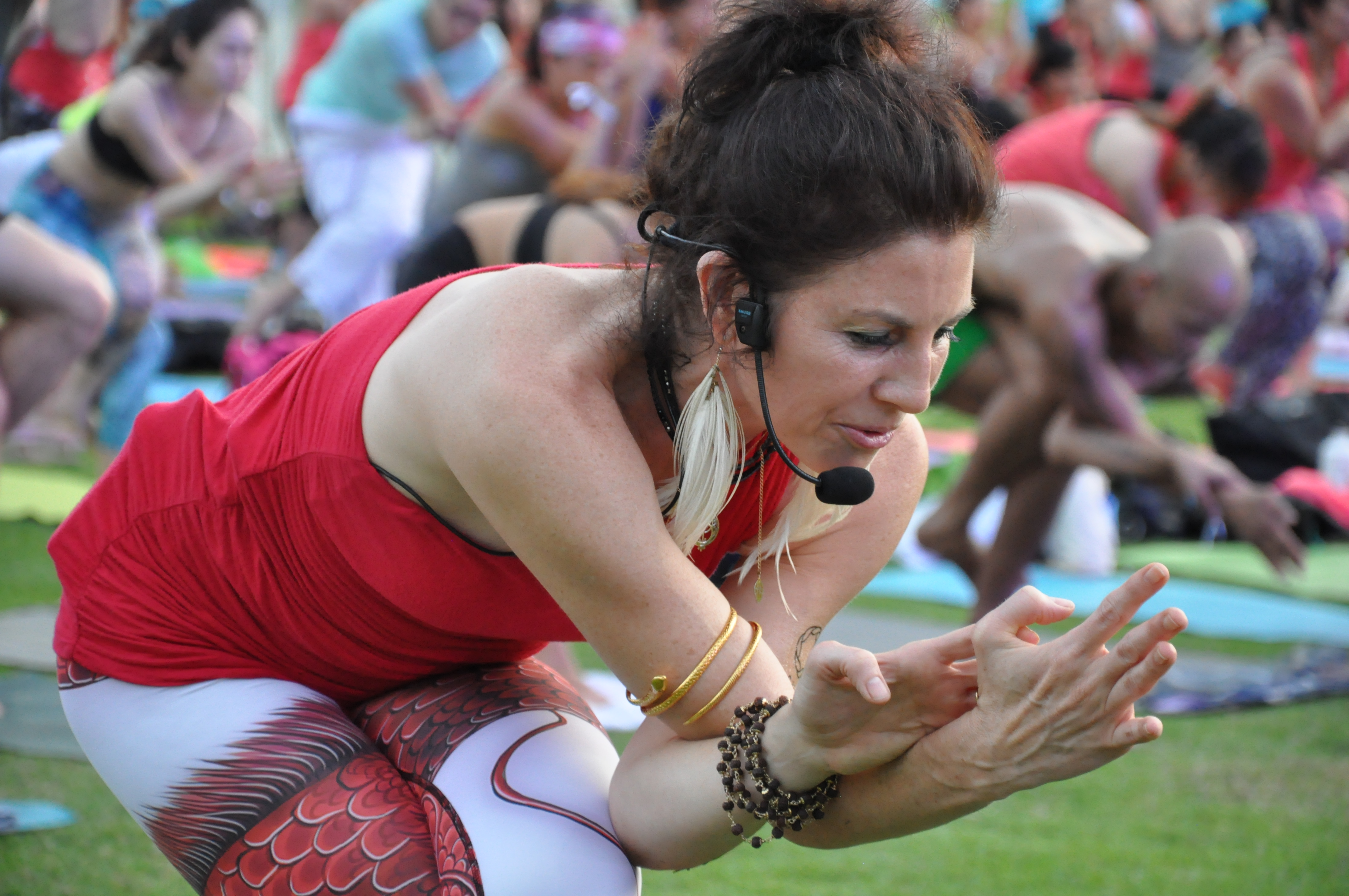
A class with Sianna Sherman unfolds with deliberate pacing. There is usually an opening invocation—a chant, perhaps, or a moment of silence to mark the transition from ordinary time into practice time.

Sianna Sherman
Sianna Sherman
Jul 18, 2026
4 min read
Read · 7 sections

Sianna Sherman's Teaching: Approach, Method, and Voice

The Architecture of a Session

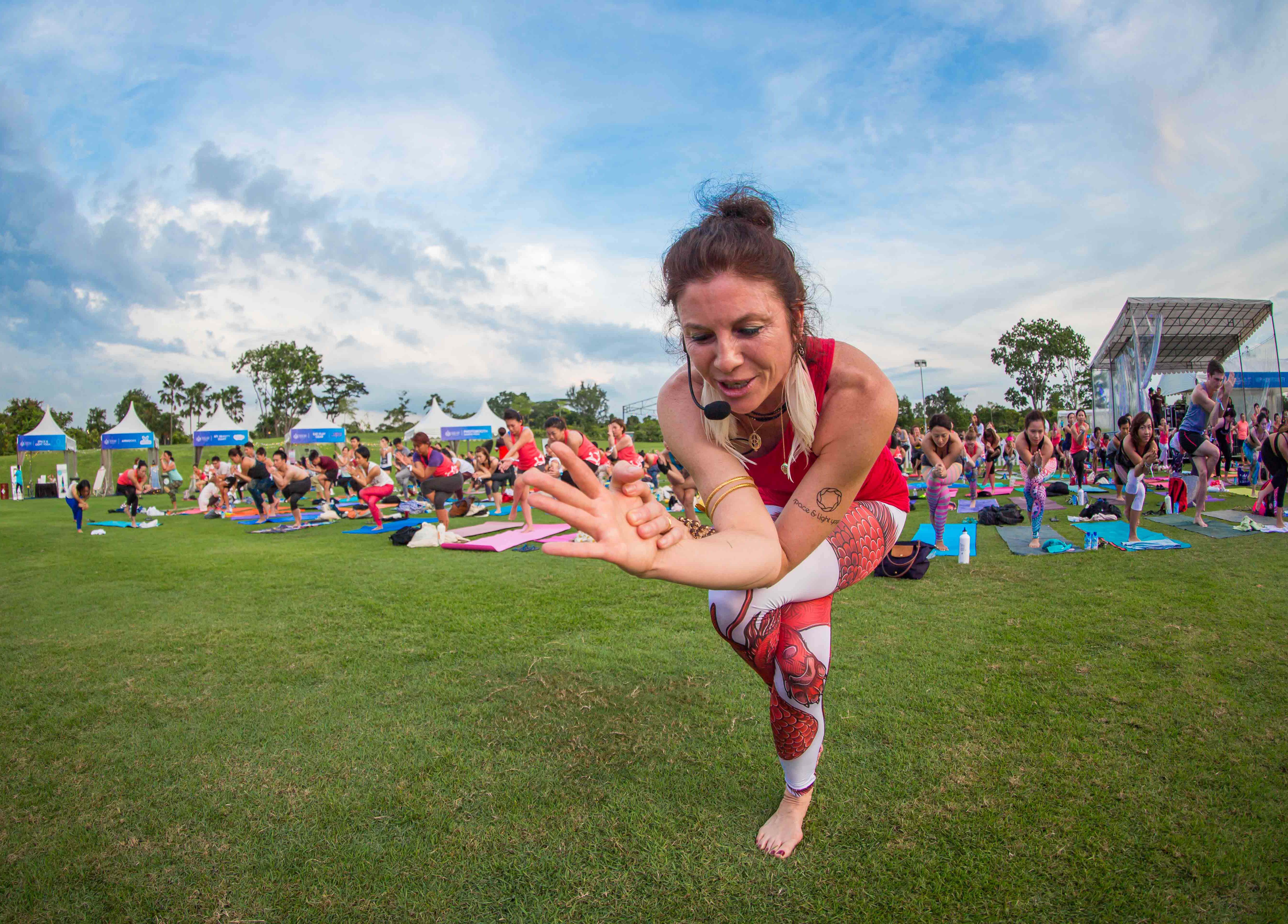
A class with Sianna Sherman unfolds with deliberate pacing. There is usually an opening invocation—a chant, perhaps, or a moment of silence to mark the transition from ordinary time into practice time. The asana that follows is technically demanding but not rushed. Sherman builds sequences that ask students to work at their edge without theatrical displays of advanced postures. A two-hour workshop might spend forty minutes on variations of a single pose family, returning again and again to refine alignment, explore energetic qualities, and deepen sensation.

Her retreats and multi-week immersions follow a similar rhythm: sustained attention rather than variety for its own sake. Mornings begin with pranayama and meditation before moving into asana practice. Afternoons might include philosophy study or small-group discussion. Evenings often close with kirtan or silent sitting. The structure is traditional, even orthodox, but Sherman does not treat it as museum practice. She teaches these elements as living tools, not historical artifacts.

Recurring Themes

Sherman's teaching returns persistently to a handful of core inquiries. The concept of rasa—often translated as "essence" or "juice"—is central. She asks students to locate the quality of aliveness within their practice, to notice where a pose becomes rote versus where it opens into something nourishing. This is not an invitation to perform bliss but to investigate what sustains practice over years and decades.

Another recurring theme is the relationship between effort and surrender. Sherman draws heavily from the Bhagavad Gita here, exploring the tension between skillful action and non-attachment to results. In practical terms, this means she will correct a student's alignment with precision while also questioning the impulse to "master" a pose. The paradox is left unresolved, deliberately.

She also emphasizes lineage and transmission. Sherman is explicit about her place within a tradition that extends backward through generations of teachers. This is not name-dropping; it is a way of contextualizing the practice as inherited rather than invented. She teaches the Yoga Sutras and Bhagavad Gita not as abstract philosophy but as maps drawn by practitioners who encountered the same obstacles her students face.

Questions Students Sit With

Sherman does not offer many neat answers. Instead, she pushes students to inhabit questions that resist closure. What does devotion mean in a secular context? How do you practice non-violence toward your own body while also asking it to change? What is the difference between spiritual bypassing and legitimate surrender?

In teacher trainings, the questions become more pointed: What gives you authority to teach? How do you hold space without performing spirituality? When does alignment cueing become control? These are not rhetorical. Sherman expects her trainees to wrestle with them in writing, in discussion, and in their own teaching experiments.

Aesthetic and Delivery

Sherman's delivery is earnest without being solemn. She uses humor sparingly—a wry comment about the gap between yogic ideals and human messiness—but does not rely on it to build rapport. Silence is a significant part of her teaching. She will offer a prompt and then leave space for students to feel their way into it rather than filling the air with explanation.

Story appears more often than scripture quotation, though both are present. She might relate a moment from her own practice where a pose finally opened, or describe a teaching she received from one of her mentors. These stories are not inspirational vignettes but illustrations of process: incremental, sometimes frustrating, occasionally revelatory.

When she does reference texts, it is usually in plain language. She does not perform erudition. The Bhagavad Gita and Yoga Sutras are treated as practical manuals, not sacred mysteries requiring special interpretation.

Who It Lands For

Sherman's teaching appeals to students ready for commitment. Those looking for a single weekend breakthrough or a branded yoga experience will likely find it too slow, too serious. It works for practitioners who have moved past the honeymoon phase of yoga and are looking for depth—teachers refining their craft, longtime students interested in the philosophical scaffolding beneath the poses.

It also attracts people drawn to devotional practice who are wary of devotionalism's excesses. Sherman offers structure and ritual without requiring guru worship or cultural appropriation. For students seeking that balance, her approach provides a rare middle path.

Tradition and Context

Sherman belongs to the vinyasa lineage but does not stay confined to its contemporary expressions. Her work reaches back toward classical yoga texts while incorporating the alignment rigor of modern postural yoga. She is part of a generation of Western teachers attempting to honor traditional forms while acknowledging their position as inheritors rather than originators. The Rasa Yoga Collective model—sustained mentorship, community-building, ongoing study—reflects an older apprenticeship approach adapted to contemporary structures. It is teaching as long conversation rather than transaction.
Sianna Sherman
AboutSianna Sherman

Sianna Sherman is a yoga teacher and the founder of Rasa Yoga Collective, an organization dedicated to yoga education and community. She teaches classes and trainings international…

View profile

Continue Reading

More about Sianna Sherman

View All
Who Is Sianna Sherman? Life, Work, and Legacy
Article

Who Is Sianna Sherman? Life, Work, and Legacy

Where to Start with Sianna Sherman: A Beginner's Guide
Article

Where to Start with Sianna Sherman: A Beginner's Guide

Keep exploring

Continue your journey

More wisdom and gatherings from across the BrightStar directory.

More Articles

Browse the full library of teachings, interviews, and guides.

Back to all articles →

Teachers & Artists

Explore the lineages, musicians, and guides of the conscious world.

Explore artists →

Find an Event

Kirtan, retreats, sound baths, breathwork, festivals — happening soon.

Browse events →