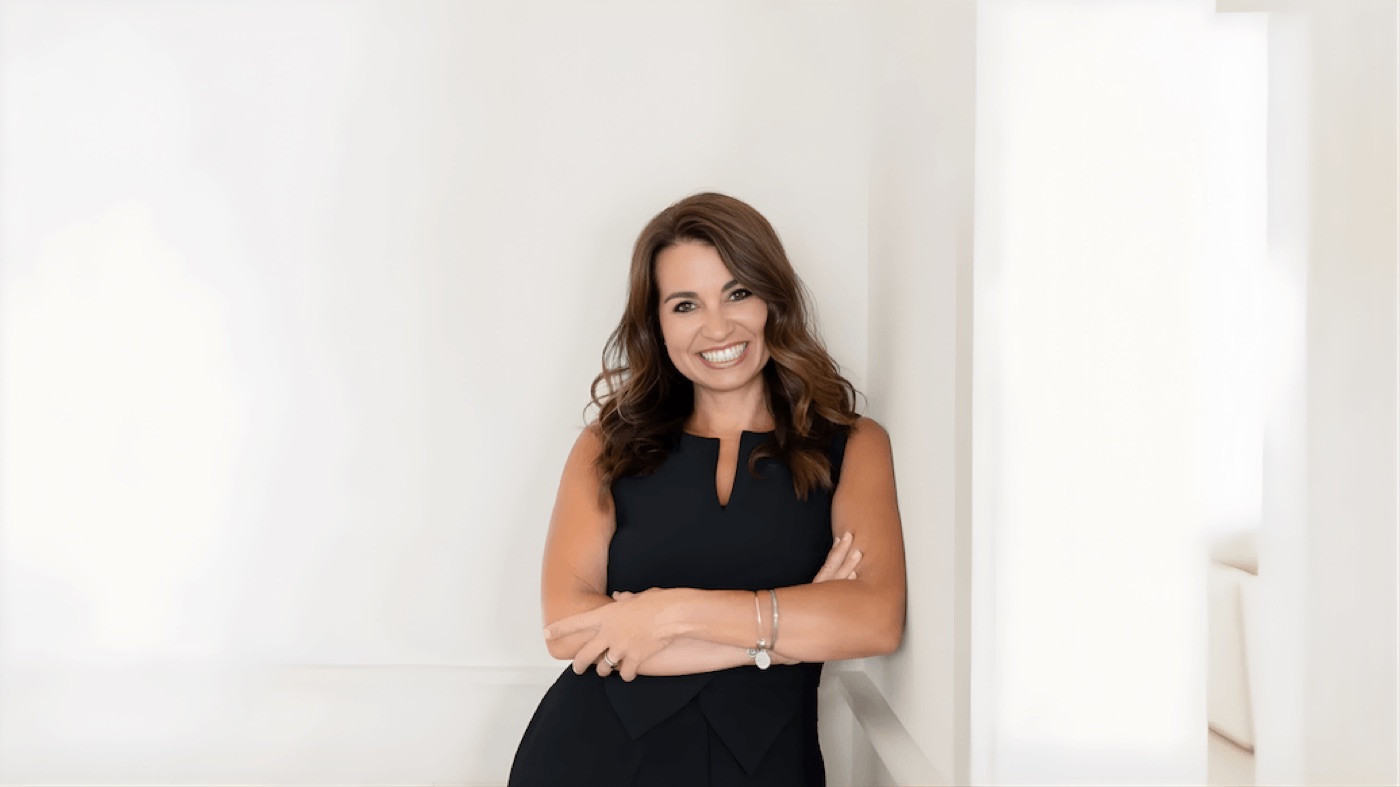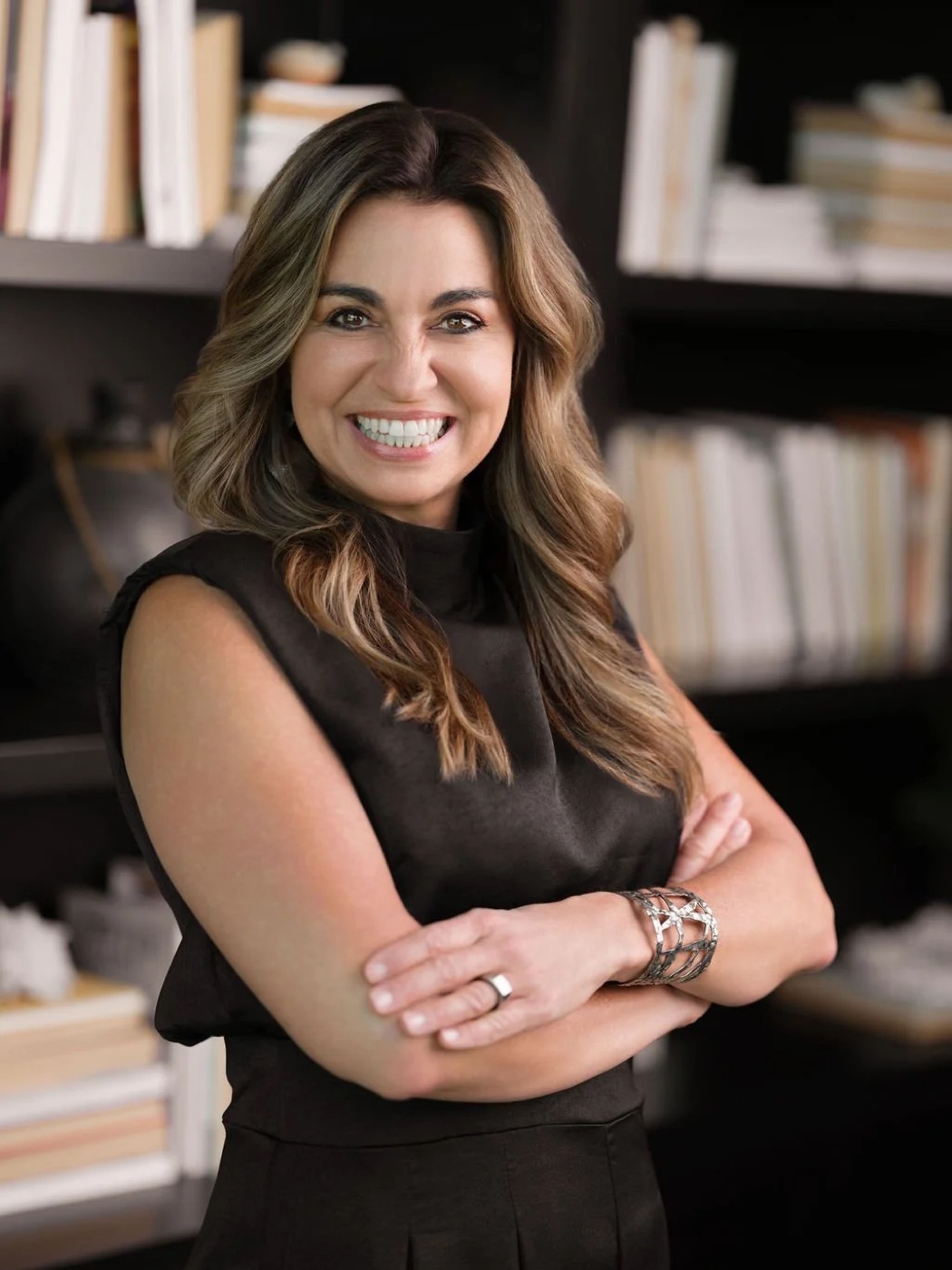

Michelle Chalfant has described her upbringing as loving but dysfunctional. In her telling, it was a family where addiction, codependency and a lack of healthy boundaries were part of daily life. Her hometown and the particulars of her early years are not documented in the sources available, and this profile does not guess at them. What she has made plain is the emotional shape of that childhood and what it left behind.
Behind an outwardly okay appearance, she has said, she struggled with depression, anxiety and destructive coping. That gap between how things looked and how they felt is a thread that runs through her later teaching. It also gives her work a particular credibility: she is not describing from a distance the experience of feeling stuck and disconnected.
The pivotal moment in her story is a realization rather than a single event. She came to understand that the patterns she was living in were not who she was at her core. That recognition, by her account, was the beginning of her work.
She pursued it first through formal channels, earning a master's degree in counseling and opening a private practice. But she has said something still felt missing. That sense of an unfinished answer pushed her beyond the conventional boundaries of her field and into a long period of searching.
Curiosity led her to mentors, books and classes spanning both spirituality and psychology. Her training grew to include energy medicine, meridian therapy, NLP, EFT, PSYCH-K, chakra balancing, meditation, intuition and yoga. She credits the teachers she studied under, though her sources do not name them, and her approach is not tied to any single lineage or tradition. Her authority rests instead on a combination of formal credentials, including her counseling background and her designations as a licensed professional counselor and certified holistic coach, and direct study across many modalities.
It was while learning from teachers she admires that she developed The Adult Chair®, the model for which she is best known.
The Adult Chair is a framework that blends psychology and spirituality, and its appeal lies in its specificity. Rather than offering abstract encouragement, it gives people language for the parts of themselves that run the show: the younger, reactive selves shaped by old wounds, and the adult self capable of clarity and choice. The model helps people understand those parts, heal old wounds, respond instead of react, and set boundaries without guilt.
Her work sits at an intersection that has become increasingly common among therapists and coaches: Western psychology on one side, contemporary spirituality on the other, with an effort to avoid the older split between talk therapy and spiritual bypassing. Recurring themes include the difference between reacting and responding, the role of the nervous system in healing, and boundaries as a form of clarity rather than selfishness. Those who follow her describe a teacher who does not pretend that growth is frictionless, and who speaks with humor and directness.
Underneath it all is a conviction that people already hold the wisdom, strength and clarity they need. She sees her role as helping them uncover that and learn to trust it.
Her teaching takes several forms:
- The Adult Chair, her book, which lays out the model and its practical exercises.
- The Michelle Chalfant Show, her podcast, where she explores topics such as boundaries, triggers and codependency. On Spotify it has more than 31,000 followers.
- Guided meditations, which offer an immediate way into her voice and pacing.
- Online courses and a community, giving structured, self-paced ways to work with the material.
- Live events and speaking engagements, where the work is shared in person.
- Adult Chair® Certified Coaches, a training program through which she prepares others to work with the model.
For newcomers, a podcast episode or a guided meditation is the lightest way in, while the book serves as the fullest introduction to the framework.
More than 25 years into her career, Michelle Chalfant's work has moved from the therapy room into a wider ecosystem of books, audio, courses and training. She says the model has helped thousands of people gain awareness and freedom. The certification program suggests a further stage: not only teaching the framework but handing it on to practitioners who can carry it into their own work.
Her website, michellechalfant.com, is the hub for current offerings and events. Specific event dates are not widely publicized, so her site is the most reliable place to look.
The people drawn to her work are often those who have done a fair amount of self-reflection and still feel stuck: people shaped by codependency, people-pleasing and self-abandonment who want practical tools rather than only insight. Her framework speaks to those who find purely clinical language too thin and purely spiritual language too vague.
It is worth being clear about its limits, as she herself would likely insist. The work is not a substitute for crisis care or medical treatment, and its "parts" language may sit awkwardly with people who understand the self as a unified soul. It also asks for patience with introspection; it is not a quick fix.
Her significance lies in the integration itself. At a time when many people are looking for ways to bring emotional health and spiritual life into the same conversation, she offers a named, teachable structure for doing so, grounded in her own history rather than in borrowed authority.
Away from work, she says she is most often kayaking on the lake, which she calls her floating meditation cushion, or filling another journal. It is a fitting detail for a teacher whose message is that the answers are already within reach, if one makes room to listen.