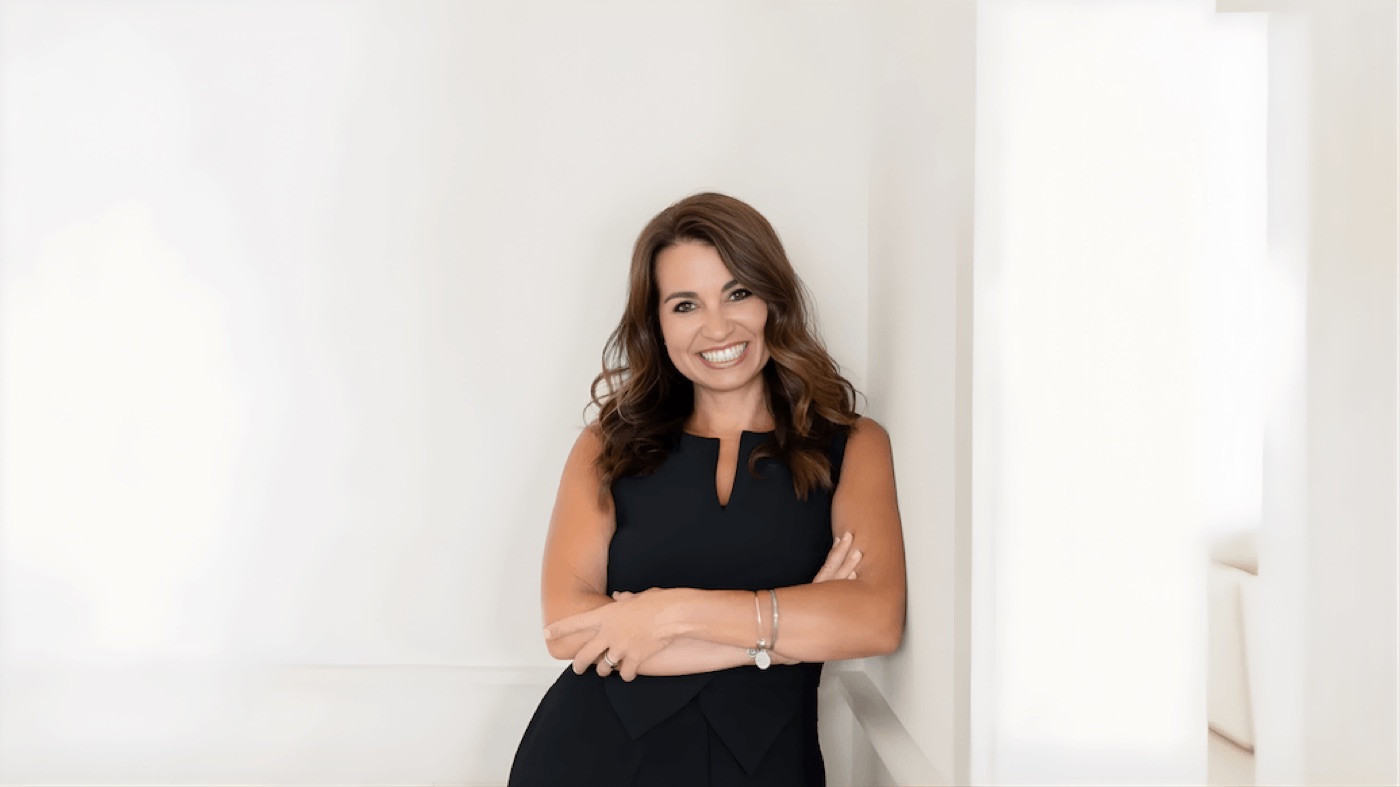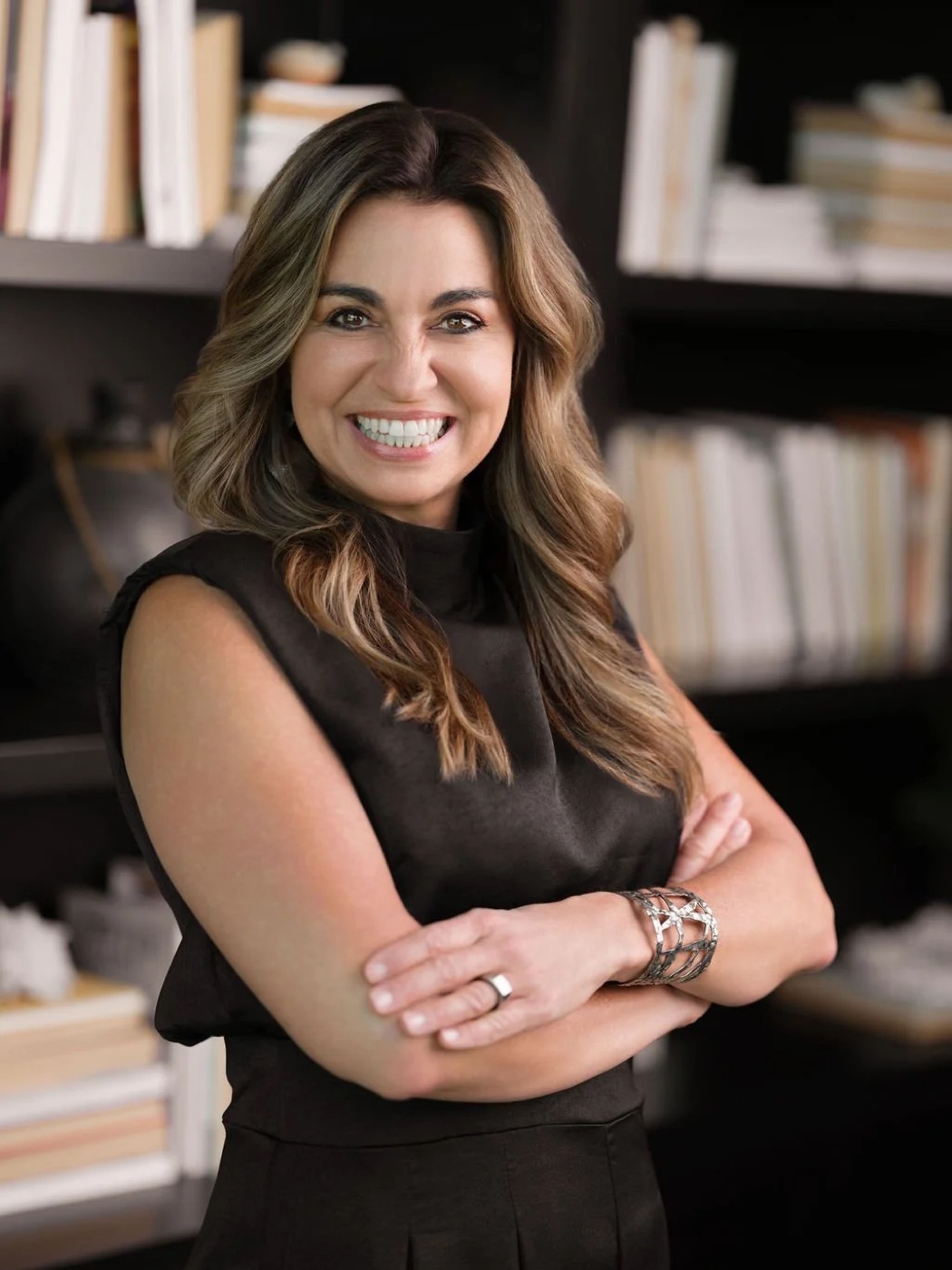

Michelle Chalfant's work is organized around a named model, The Adult Chair®, and nearly everything she teaches is routed through it. A session is less a mood than a method. According to the descriptions of her work, she pairs frank discussion of psychological patterns, such as codependency, boundary collapse and inner-child reactivity, with contemplative practice. A student might do a guided meditation and then talk through what arose in the nervous system, or take a specific trigger and examine it through the framework.
The recorded meditations are described as calm and clearly paced, leaving room for the listener to sit with their own responses rather than pushing toward a manufactured breakthrough. Her teaching is structured in modules and practices, which shows in the online courses and the Adult Chair® Certified Coaches training. Competence is built incrementally. Charismatic transmission is not the mechanism. Beginners are not buried in unexplained jargon, though those already familiar with therapy or somatic work will find more to chew on.
Her formats are mostly verbal and pedagogical: a book, a podcast (The Michelle Chalfant Show), guided meditations, courses, a community, live events and speaking engagements. Specific retreat or tour details are not widely publicized, so claims about what an in-person weekend feels like should be held loosely.
The central distinction is between reacting and responding. In her model, an adult part of the self is capable of clarity and boundaries, while younger parts, shaped by family history, take over when old wounds are touched. Much of her teaching is training in noticing which part is in the chair.
Around that core sit related concerns: healing the inner child through recognition and reparenting; codependency, people-pleasing, shame and self-abandonment as linked patterns rooted in early family life; and boundaries framed as clarity rather than selfishness, set "without guilt." The nervous system recurs as a site of healing, not only the mind. Energy medicine and chakra work appear as tools for shifting stuck patterns. Meditation is presented less as transcendence than as a way of meeting oneself with compassion. She also argues that emotional regulation is a prerequisite for spiritual practice, since presence is hard to reach while reactive.
Her own history gives the themes their weight. She describes a loving but dysfunctional family marked by addiction, codependency and weak boundaries, and an outwardly okay appearance covering depression, anxiety and destructive coping.
The questions are implicit in the model more than scripted. Which part of me is speaking right now? Am I reacting from an old wound or responding as an adult? Where am I abandoning myself to keep someone else comfortable? What would a boundary look like here that did not require guilt or collapse? What do I already know that I keep outsourcing to someone else?
That last question reflects a stance she holds firmly: the teacher is not the healer, and the student holds the answers. This is a demanding position. It offers no rescue.
Her delivery is direct, with humor, and unprecious about spirituality. Those who know her work describe someone who does not pretend that growth is frictionless and who speaks from lived experience rather than from above it. The pacing in meditation is deliberate, and silence functions as working space for the student, not as ornament.
Story enters mainly as her own biography and as illustrations of internal parts at work. Scripture does not feature as a source of authority in what has been described; she does not root her teaching in sacred texts. The register is closer to a counselor's office than to a satsang hall: plain language, named concepts, exercises.
It lands for people who want a usable vocabulary for their inner life: those stuck in people-pleasing, boundary problems or reactive loops, and those who like structure, naming and practice. It suits therapy clients looking for an adjunct and meditators who feel something is missing in purely contemplative work. The podcast is an easy way in, particularly on boundaries, triggers, codependency and regulation.
It is likely to frustrate several groups. People looking for external spiritual authority or hierarchy will not find it. Those wanting quick fixes or to be told what to do will meet a method that hands the work back to them. Someone in acute crisis, such as severe untreated depression, active addiction or dissociation, needs psychiatric or medical care, and a framework like this does not replace it. People rooted in traditions that see the self as a unified soul may find the "parts" language reductive or too secular. And those seeking chant, movement, ceremony or non-verbal transmission may find the work too heady.
A fair critical note: the model's strength, a clean and portable vocabulary, is also its risk. Any framework that names the inner world so neatly can be applied more tidily than experience warrants, and the breadth of modalities in her training (energy medicine, NLP, EFT, PSYCH-K and others) will sit differently with skeptics than with enthusiasts.
Her bio does not place her in a single lineage, and she does not claim one. She is a licensed therapist and holistic coach with a master's in counseling, who went on to train across energy medicine, meridian therapy, NLP, EFT, PSYCH-K, chakra balancing, meditation, intuition and yoga, studying under teachers she admires without being identified with any one of them. The bio names none. Her work belongs to the integrative space between psychology and spirituality. Its authority rests on formal credentials, over 25 years of practice and direct experience, not on transmission from a guru or school.