
The Best Entry Point: The Dzogchen Foundation Website and Introductory Talks
Your first encounter with Lama Surya Das should be through the Dzogchen Foundation's introductory materials. Look for his recorded dharma talks on the nature of mind and basic meditation instruction. These talks typically run 45-90 minutes and demonstrate his signature style: deeply learned yet conversational, serious about practice without being solemn, and remarkably skilled at translating Tibetan Buddhist concepts into language that resonates with Western psychological frameworks without diluting the tradition.
Start with any talk titled around "Introduction to Dzogchen" or "Natural Great Perfection." He'll likely open with stories from his decades studying with Nyoshul Khen Rinpoche or Dilgo Khyentse Rinpoche in the Himalayas, then shift into practical meditation instruction that you can use immediately. The talks feel like sitting with an old friend who happens to be a meditation master—informal, occasionally funny, but pointing toward something profound.
What to Expect on First Encounter
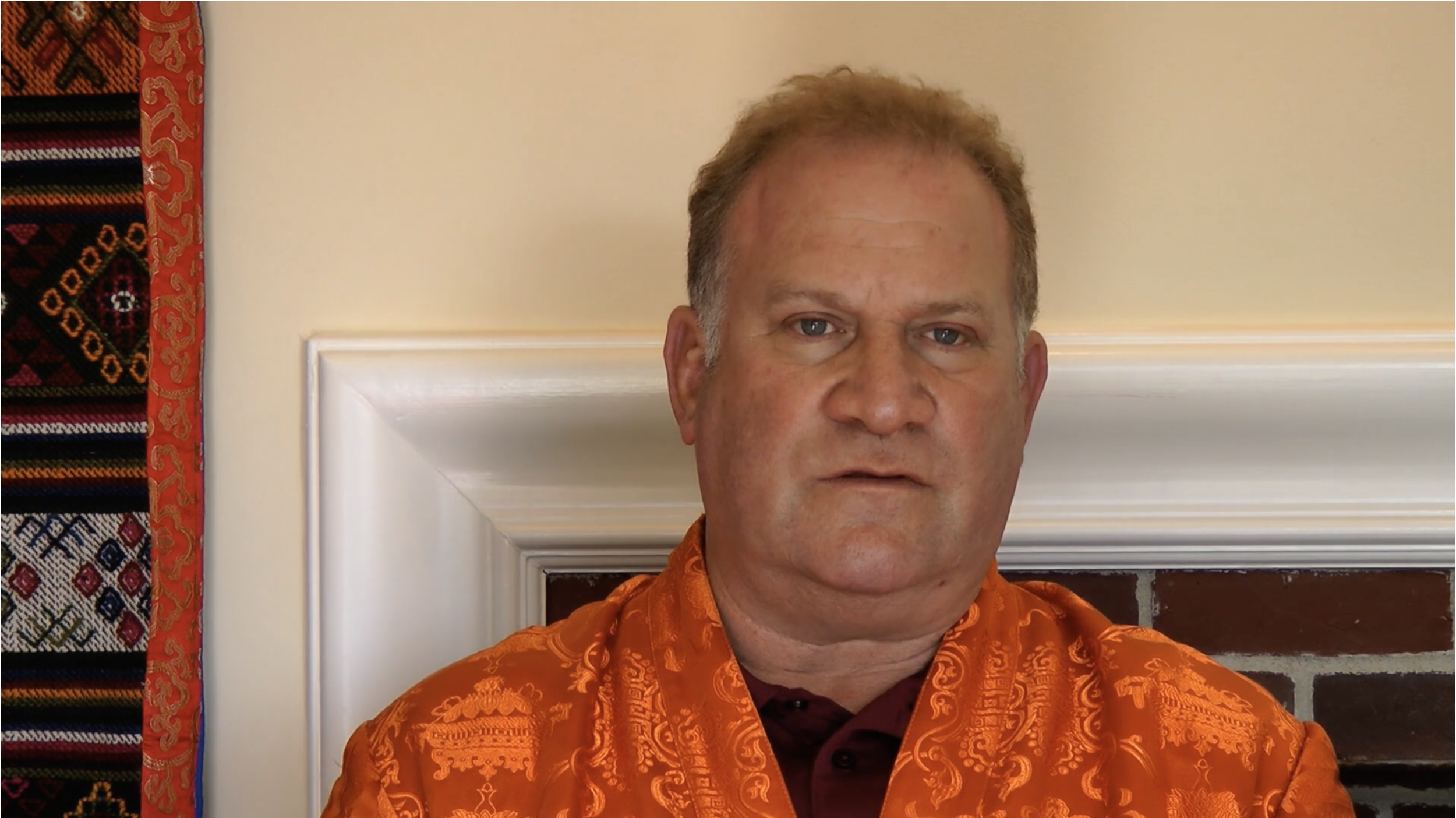
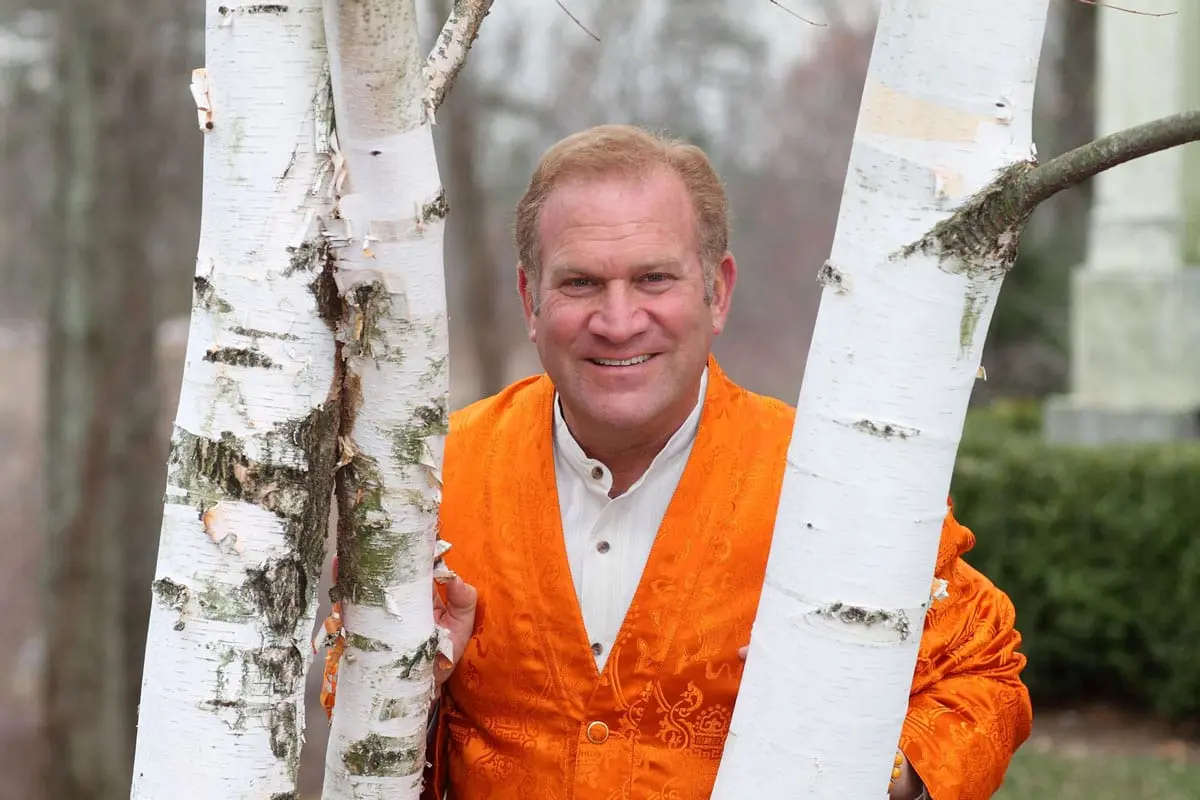
Expect to be surprised by how American he sounds. Born Jeffrey Miller, Lama Surya Das doesn't affect an accent or adopt the formal teaching style of his Tibetan teachers. He references Bob Dylan as readily as he does Buddhist scripture. This accessibility is strategic: his life's work involves making Dzogchen—traditionally considered the most advanced and secret teaching in Tibetan Buddhism—available to ordinary Western practitioners without years of preliminary training.
You'll also encounter immediate practice instructions. Unlike teachers who spend months on philosophy before introducing meditation, Lama Surya Das points you directly toward recognizing the nature of awareness itself. He'll often lead brief meditation sessions during talks, creating direct experience rather than abstract understanding.
Common Misunderstandings
The biggest mistake beginners make is assuming that because his presentation is accessible, the practice is simple or casual. Dzogchen is called the "Great Perfection" because it points to complete awakening, not partial stress reduction. When he says "rest in natural awareness," newcomers often think this means spacing out or being vague. It doesn't. It's a precise practice of recognizing awareness itself as always already present.
Another misunderstanding: assuming his Western style means he's teaching a diluted form of Buddhism. He completed traditional three-year retreats and received transmission from some of the twentieth century's greatest Tibetan masters. The accessible language packages orthodox Nyingma lineage teachings.
After Your First Talk
Once you've engaged with introductory material, explore these areas in order:
First, attend a meditation retreat or workshop offered through the Dzogchen Center if possible. His in-person or online group practice sessions provide essential context that recordings can't capture—the silence, the group energy, and the opportunity for direct questions.
Second, investigate his teachings on Tibetan Dream Yoga. These practices extend awareness into sleep states and demonstrate how Dzogchen works with all aspects of experience, not just cushion time. The practices are concrete and results-oriented, which helps many Western practitioners stay engaged.
Third, delve into his material on Tibetan Energy Yoga, which integrates breathwork and subtle body awareness. This provides the somatic dimension often missing from purely insight-based practices.
When This Work Lands Hardest
Lama Surya Das's teaching tends to hit deepest during major life transitions—career changes, relationship endings, health crises, or simply the existential questions that arrive in your thirties or forties. His approach appeals particularly to people who've tried other meditation systems and found them helpful but incomplete, or to those suspicious of New Age vagueness who want authentic tradition without cultural appropriation.
One-Week Starter Plan
Days 1-2: Watch two different introductory talks. Take notes on instructions.
Days 3-5: Practice 20 minutes daily of the basic awareness meditation he teaches. Just that. No apps, no extras.
Day 6: Explore one teaching on Dream Yoga. Begin paying attention to your dreams.
Day 7: Review your week. Notice what changed. Read about the Dzogchen Foundation's programs and consider deeper engagement.
The key is doing rather than accumulating information. Lama Surya Das teaches a practice tradition, not a philosophy. Start practicing.