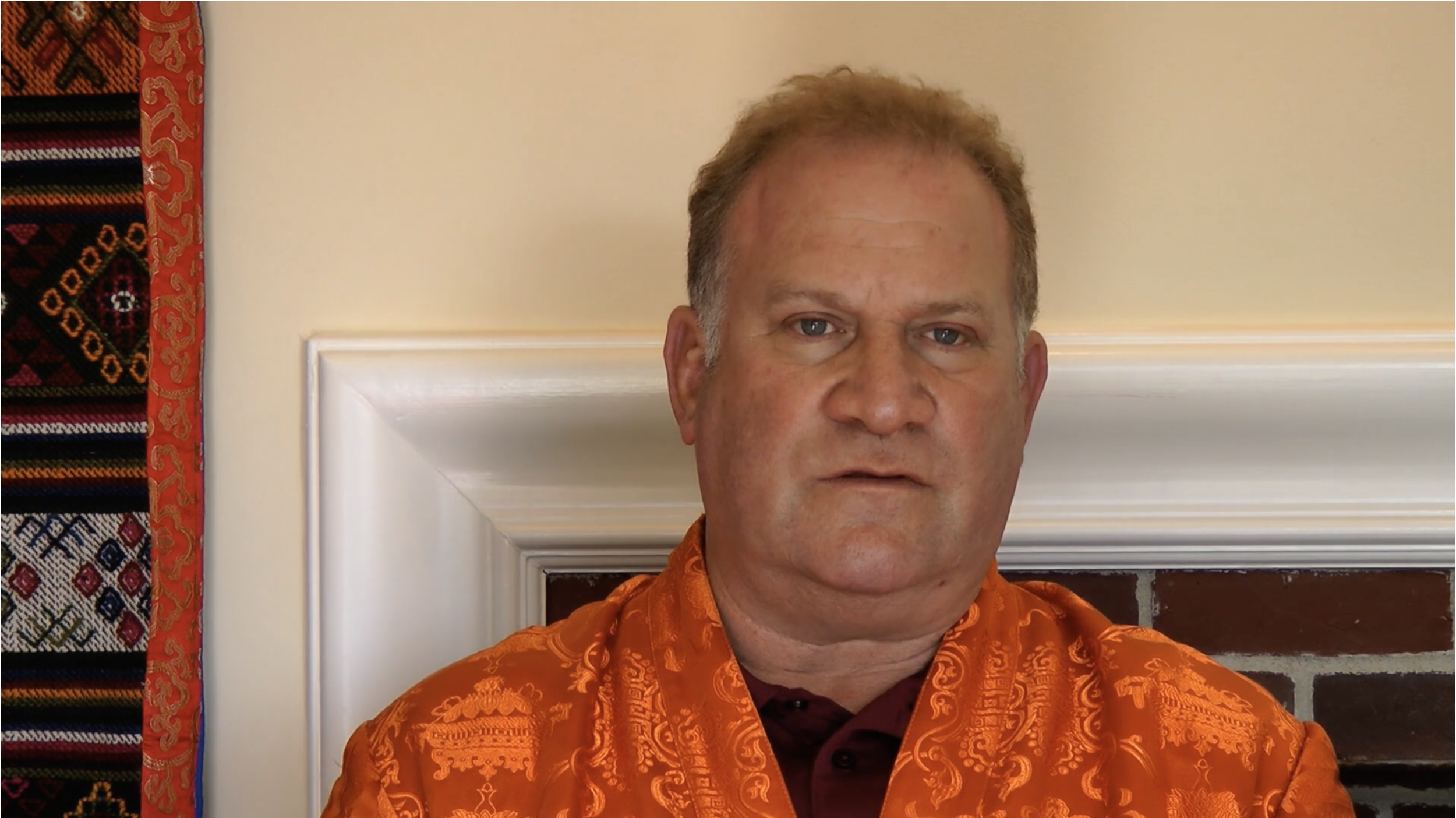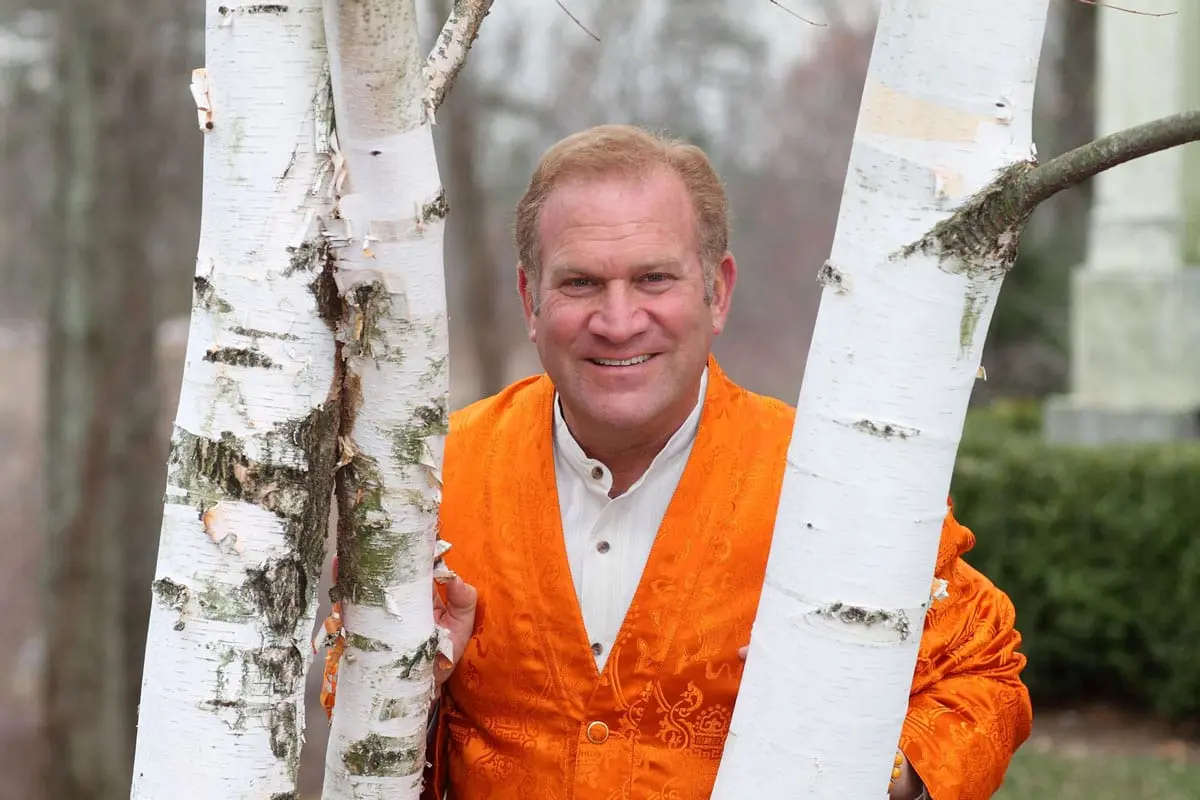

A teaching with Lama Surya Das typically unfolds with more narrative scaffolding than silence. Whether in a weekend retreat or a single evening talk, he works to contextualize practices before leading them—explaining the mechanics of Dzogchen meditation or Tibetan Dream Yoga in language that assumes no prior technical knowledge. Sessions include periods of guided meditation, but rarely does a sitting extend beyond twenty or thirty minutes without commentary or check-in. The pacing feels pedagogical rather than austere: he teaches about the practice while guiding practitioners into it, creating a bridge between intellectual understanding and direct experience.
Multi-day intensives follow a rhythm of instruction, practice, and integration. Mornings might begin with sitting meditation followed by discussion of subtle body awareness or the nature of mind. Afternoons often turn toward contemplative exercises drawn from Tibetan Energy Yoga—breath work and visualization techniques that complement the stillness of seated practice. Evenings may include teachings on dream practice, with instructions for carrying awareness into sleep. The environment feels structured but not rigid, with space for questions and a tone that invites engagement rather than reverent silence.
Lama Surya Das returns consistently to the central Dzogchen teaching: recognizing the nature of mind as already awakened, already complete. This Great Perfection perspective frames meditation not as a gradual accumulation of spiritual merit but as a direct seeing-through of confusion. He circles back to this point from multiple angles—through discussion of emptiness, through the language of innate Buddha nature, through practical instructions for resting in awareness itself.
Another persistent thread is the integration of esoteric Tibetan practices into contemporary Western life. He addresses the question of how Dream Yoga functions for someone with a career and family, how Energy Yoga relates to stress and embodiment, how Dzogchen teachings can inform psychological healing. The tension between traditional Tibetan frameworks and modern Western sensibilities becomes material for teaching rather than something to smooth over.
He also emphasizes lineage and transmission—the importance of authentic connection to a living tradition—while simultaneously working to make that tradition legible and accessible to people who will never complete a three-year retreat in the Himalayas. This dual commitment shapes much of his output.
The core question Lama Surya Das asks students to sit with is deceptively simple: What is aware right now? This inquiry points directly at the Dzogchen view, inviting practitioners to recognize awareness itself rather than the objects of awareness. He returns to this from different angles, sometimes phrasing it as an investigation of who is thinking, who is experiencing, what remains when conceptual elaboration falls away.
He also pushes practitioners to examine their relationship to effort. How much striving is necessary? When does spiritual ambition become an obstacle? The Dzogchen teaching that awakening is immediate and unconditioned challenges Western students accustomed to progress narratives, and he uses this friction deliberately.
Another persistent inquiry concerns integration: How do practices meant for monastics or retreat settings function in daily life? What does it mean to bring Dream Yoga into a full night's sleep when you have a job in the morning? These aren't rhetorical questions; he expects students to work with them.
Lama Surya Das employs a conversational, often humorous register. He uses colloquialisms and contemporary references alongside Tibetan terminology, creating a hybrid vocabulary that can feel jarring to those expecting either pure traditionalism or pure secularism. Stories from his own training appear frequently—accounts of time with teachers, anecdotes about misunderstandings and insights—delivered with self-deprecating humor that humanizes the teaching without diminishing its seriousness.
Scripture and traditional texts provide grounding, but he translates and interprets rather than simply transmitting. His delivery prioritizes clarity and relatability over poetic ambiguity. Where some teachers lean into paradox and silence, he leans into explanation and accessibility.
This teaching resonates with students who want access to traditional Tibetan Buddhist practices without relocating to a monastery or learning Tibetan. It works for those comfortable with a teacher who bridges two worlds—someone who completed traditional training but speaks the language of contemporary Western psychology and culture.
It may bounce off practitioners seeking either pure traditionalism or fully secularized mindfulness. Those who want teachings delivered in classical Tibetan forms, or who prefer practice mostly free of doctrinal content, will likely find his approach either too Westernized or not Westernized enough. Students allergic to explanatory frameworks, or who prefer Zen-style directness over discursive teaching, may chafe at the amount of contextualization.
Lama Surya Das operates within the Nyingma lineage, the oldest school of Tibetan Buddhism, with particular emphasis on Dzogchen—the Great Perfection teachings that represent that tradition's highest view. His work belongs to a broader project among Western-trained lamas: making practices developed in Himalayan contexts functional for students embedded in modern secular life, without abandoning the depth or rigor of the source tradition.