Released on 14 June 2011, Flying is the middle chapter of Garth Stevenson's solo location-recording core. It follows Alpine (2007, 12 tracks) and precedes Voyage (2016, 13 tracks). At 14 tracks, it is the longest of the three. Newcomers are usually pointed to Voyage first, but Flying rewards the listener who already knows the method and wants to hear how it changed over time.
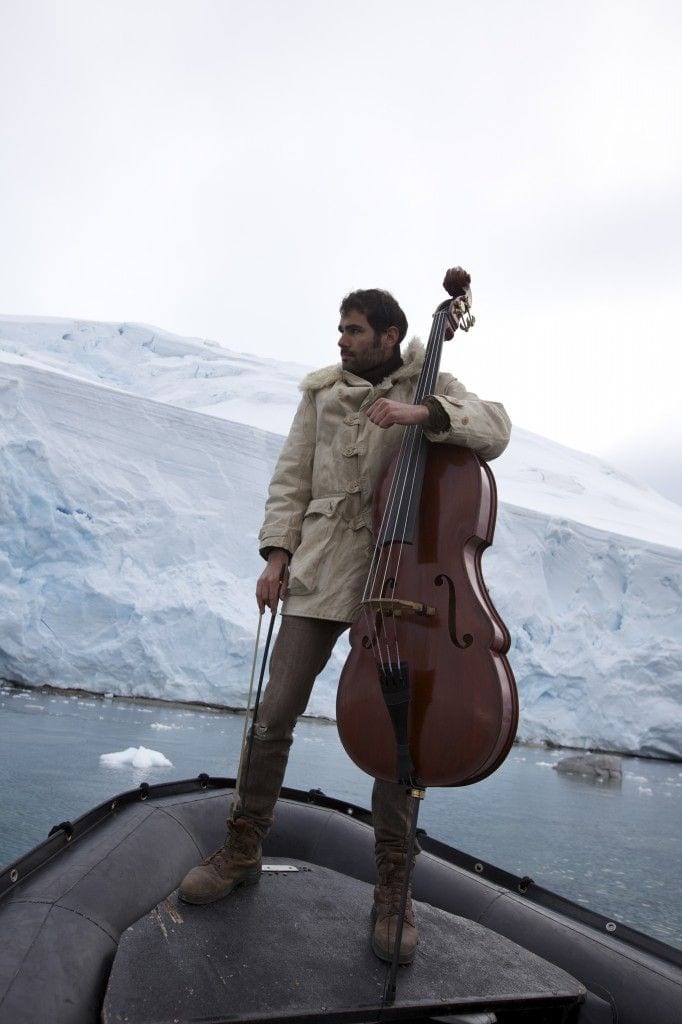
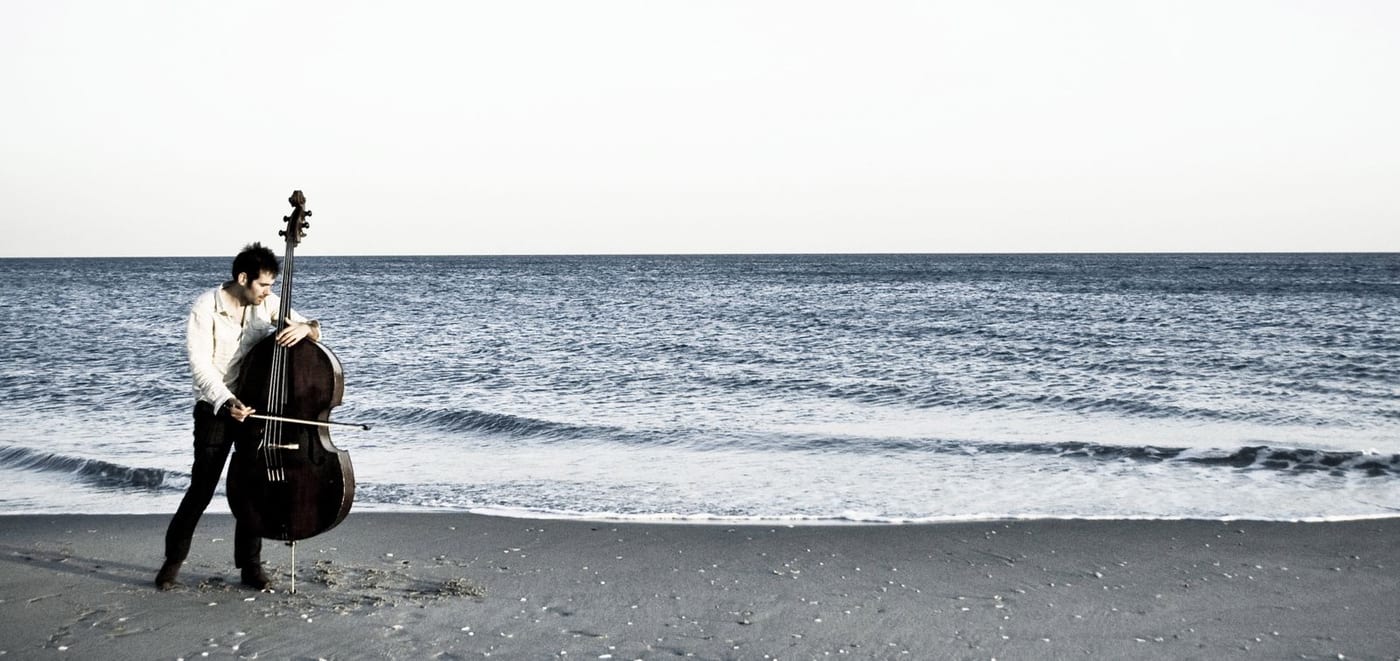
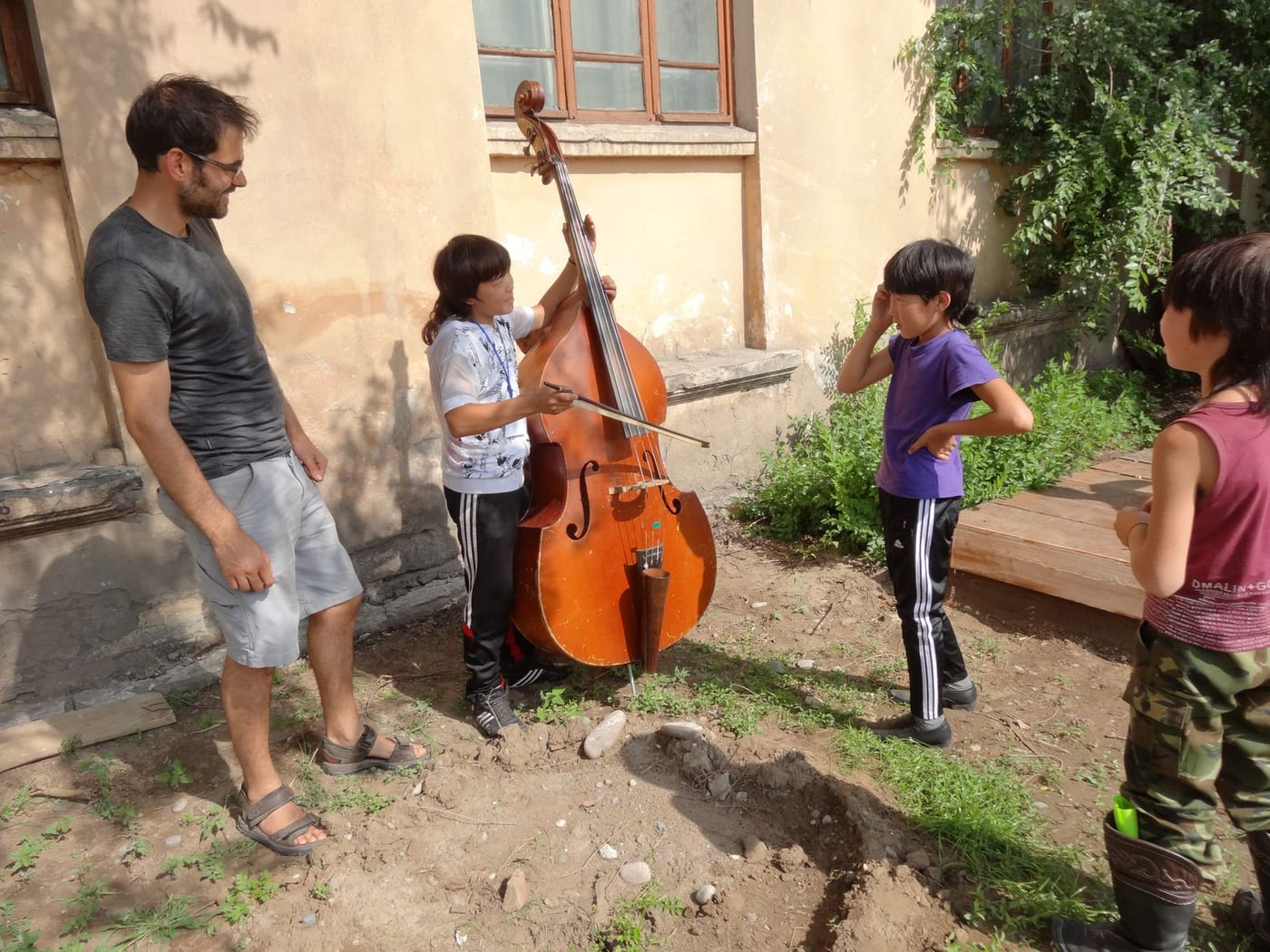
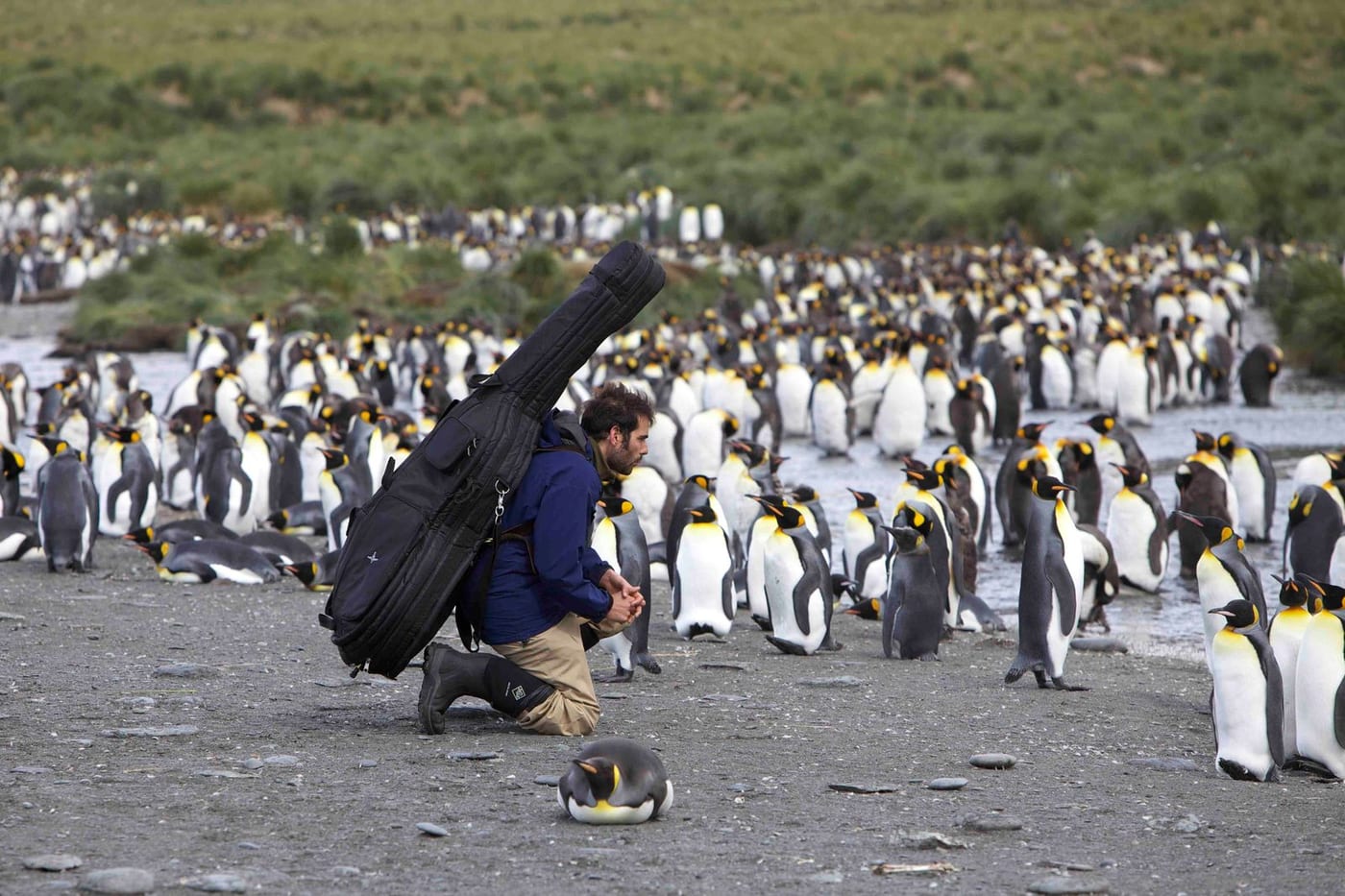
Stevenson is a composer and double bassist raised in the mountains of Western Canada. He also works as a meditation teacher and leads guided outdoor sessions. His approach is to carry the double bass into remote places and record unaccompanied pieces on site. Flying belongs to that practice. The bass is played in place, and the surrounding air and acoustics become part of the record.
The core sound is solo double bass with minimal processing. Its woody attack, bowed sustain and plucked textures sit close to how they sound in a room, or outdoors. Stevenson does not layer or synthesize environmental sound afterward. Wind, water and natural reverb enter through the performance itself and shape his improvisation as well as the finished recording.
The pacing is slow and sparse. A phrase may hold for a long stretch before the next one arrives, and the silences carry nearly as much weight as the notes. The music is wordless, and no sung voice or lyrics are credited. The mood is patient and contemplative rather than dramatic. Virtuosity gives way to restraint: the bass is allowed to be quiet, and the environment is allowed to answer it. The result sounds less like a produced ambient record and more like a field notebook kept in sound.
I can't responsibly name individual tracks here. The material available for this guide confirms that the album has 14 of them but doesn't list their titles or durations, and inventing titles would mislead you. What I can offer is a way of listening that suits the whole record.
Treat the opening pieces as your orientation. They will show you how close the microphone sits to the instrument and how much of the surrounding space you can hear. As the album proceeds, listen for what changes between pieces: how long a bowed note is allowed to decay, where the plucked passages leave gaps, and where the sound of wind or water seems to answer the bass. For track-by-track titles, the Spotify page for the album (open.spotify.com/album/4FViVwipetWhzoq8Topg0P) lists the full sequence.
Flying does not belong to bhakti, kirtan or any named devotional lineage. No teacher, guru or formal school is documented for Stevenson, and assigning one would be invention. The closest honest frame is contemplative listening, sitting between mindfulness practice and nature observation. His training is in music performance, and his backcountry hiking and environmental observation are the stated roots of the work. The project began as a personal experiment in solitude and attention, so it reads as self-directed practice rather than an institutional line.
Within ambient and meditative music, his distinction is method. Many acoustic and ambient artists layer field recordings or synthesize environmental sound in post-production. Stevenson performs in the location and leaves the sound of the place unprocessed, so the room becomes a participant in the composition rather than a texture added at the mixing desk.
Flying is best for listeners who already have some patience for slow, unaccompanied music: people who practice mindfulness or meditation, walkers and hikers who want to carry a sense of place indoors, and anyone coming back from the noise of a busy stretch who needs the nervous system to settle. It suits long holds or final relaxation in yoga, where sparse bass and environmental sound can support stillness without demanding attention.
It is not for everyone. Listeners wanting rhythm, a melodic hook or conventional verse-and-chorus structure may find it formless at first, and that is intentional. People who want background music to fill a room may find the silences and audible environment too present. It is also a poor choice for a party or a fast-moving workout.
Listen alone, with headphones. The low register and the room sound come through most clearly that way, and laptop speakers can make the quieter passages feel thin. Choose an evening or another unhurried window, and keep the volume modest so the environmental sound stays natural rather than loud.
Give the first piece your full attention before deciding whether the album suits you. If you plan to use it in a class or ceremony, audition the opening tracks at low volume first, and test levels in the room, because wind and water can compete with a teacher's voice. The album is not framed as ritual music for any specific tradition, so its use in ceremony depends on the context you bring to it.
Then try the album through once without doing anything else, and notice what the silences do.