



What is Retreats?
A retreat is a deliberate withdrawal from ordinary social, professional, and domestic routines into a dedicated time and space designed for spiritual practice, contemplation, healing, rest, or intensive study. Unlike vacations oriented toward leisure or entertainment, retreats are structured around intentional practices—meditation, prayer, yoga, silence, ceremony, or therapeutic modalities—that support inner exploration and transformation. Retreats range from solitary hermitages lasting months or years to weekend group gatherings focused on specific teachings, lineages, or healing modalities. The defining characteristic is purposeful separation from habitual patterns to create conditions for deepening awareness, connecting with community, or encountering the sacred.
Origins & Lineage
The practice of retreat has independent roots across religious and spiritual traditions spanning millennia. In Buddhism, formal retreat practices date to the time of the historical Buddha (circa 5th century BCE), who spent extended periods in forest solitude and established the vassa or rains retreat, a three-month annual period when monastics remain in one location for intensive practice. This tradition continues in Theravada countries and informs modern vipassana retreat centers. In Christianity, the Desert Fathers and Mothers withdrew to the Egyptian desert beginning in the 3rd century CE, establishing eremitic and cenobitic retreat models that influenced monastic rules like those of John Cassian and Benedict of Nursia (6th century). The Catholic Ignatian retreat tradition, based on the Spiritual Exercises of Ignatius of Loyola (1548), formalized structured silent retreats lasting from three days to thirty days.
In Hindu traditions, tapas (austerity) and forest retreat (vanaprastha) appear in Vedic literature from the 2nd millennium BCE, with sages withdrawing for years of meditation and study. Islamic khalwa (seclusion) practices emerged in Sufi orders from the 8th century onward, emphasizing forty-day retreats in darkness or silence. Indigenous cultures worldwide have practiced vision quests, fasting retreats, and ceremonial withdrawals as rites of passage and spiritual renewal for thousands of years.
The modern Western retreat movement began in the mid-20th century when Asian meditation teachers brought practices to Europe and North America. The Insight Meditation Society, founded in Massachusetts in 1975 by Jack Kornfield, Joseph Goldstein, and Sharon Salzberg, established the Western vipassana retreat format. Esalen Institute in California (founded 1962) pioneered the encounter-group and therapeutic retreat model. Since the 1980s, retreat centers have proliferated globally, blending traditional lineage teachings with contemporary psychology, somatics, and community practices.
How It’s Practiced
Retreats vary enormously in structure, duration, and focus, but share common elements: designated time boundaries (hours to months), physical separation from daily environments, and guided or self-directed practices. Meditation retreats typically follow a daily schedule of seated and walking meditation periods, with optional teachings, interviews with teachers, and work practice. Many observe noble silence—refraining from speech, eye contact, reading, and writing to minimize distraction. Participants sleep in simple accommodations, eat vegetarian meals, and surrender devices.
Yoga retreats combine asana practice with pranayama, meditation, workshops on philosophy, and often vegetarian cuisine and nature immersion. Christian contemplative retreats may include lectio divina, Eucharist, guided spiritual direction, and extended periods of silence. Shamanic and ceremonial retreats incorporate plant medicine journeys, fire ceremonies, drumming, vision quests, and integration circles. Therapeutic retreats use modalities like somatic experiencing, Internal Family Systems, breathwork, or grief ritual in group and individual sessions.
Retreat environments range from rustic monasteries and wilderness camps to luxury resort centers. Some traditions emphasize austerity—sleeping on boards, predawn rising, one meal daily—while others prioritize comfort to support deep relaxation. Group retreats typically include 10–100 participants; solitary retreats involve minimal human contact, with food delivered in silence.
Retreats Today
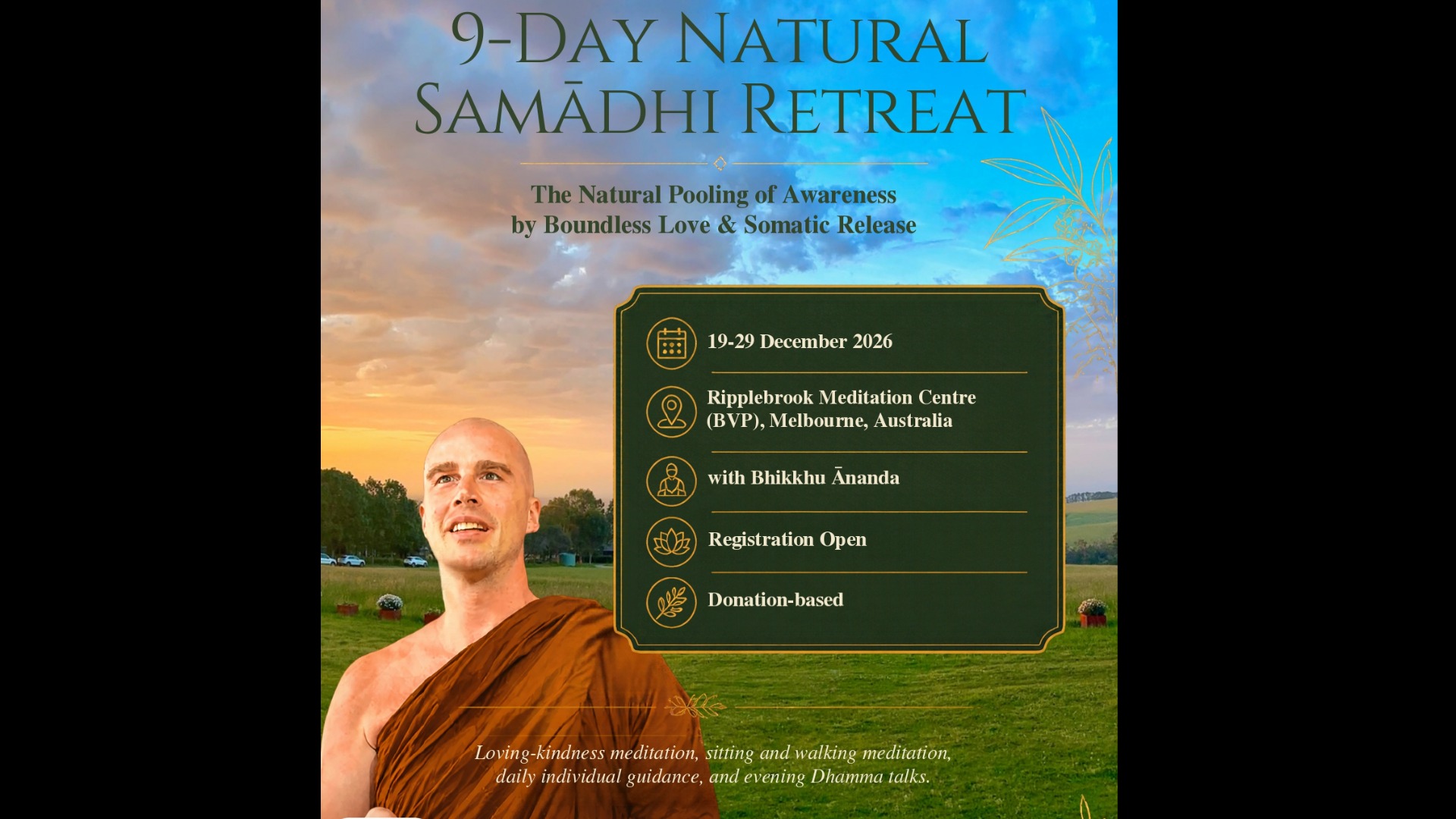
Retreat culture has expanded dramatically since 2000, fueled by burnout, digital overwhelm, and hunger for meaning. Seekers encounter retreats through yoga studios, meditation apps like Insight Timer, wellness influencers, and dedicated platforms listing thousands of offerings globally. Popular formats include weekend silent meditation intensives, weeklong yoga and meditation immersions, ten-day vipassana courses (often donation-based through organizations like Dhamma.org), month-long teacher trainings, and hybrid online-in-person formats emerging post-2020.
Specialized retreats address specific populations: grief retreats, LGBTQ+ spiritual gatherings, men’s or women’s circles, recovery retreats, creative artist residencies, and family retreats. “Luxury wellness retreats” blend spa treatments with spiritual programming; “dark retreats” involve days in complete darkness for pineal activation; “adventure retreats” combine trekking or surfing with meditation and ceremony.
Retreat costs range from free monastic stays (dana-based) to $10,000+ luxury weeks. Accessibility remains a tension point, with scholarship programs attempting to address economic barriers. Virtual retreats gained prominence during COVID-19, offering live-streamed teachings and home practice schedules, though lacking the immersive environmental shift central to traditional models.
Common Misconceptions
Retreats are not vacations, though rest may occur; they typically involve rigorous schedules, discomfort, and confronting difficult emotions or mental patterns. They are not escapes from life but intensive training grounds for bringing awareness into daily existence. Not all retreats are silent, religious, or require renouncing comfort—formats span from austere to luxurious, secular to devotional.
Retreats do not guarantee enlightenment, healing, or bliss. Many participants experience boredom, physical pain, doubt, or psychological difficulty. Retreat leaders are not therapists unless credentialed as such, and while many retreats are psychologically beneficial, they can destabilize individuals with trauma histories or mental health conditions without proper screening and support.
The term “retreat” itself can mislead—the practice is often better described as advancing inward rather than withdrawing from challenge. Finally, attending retreats does not substitute for consistent daily practice or ongoing therapeutic work; they serve as intensives within a broader path.
How to Begin
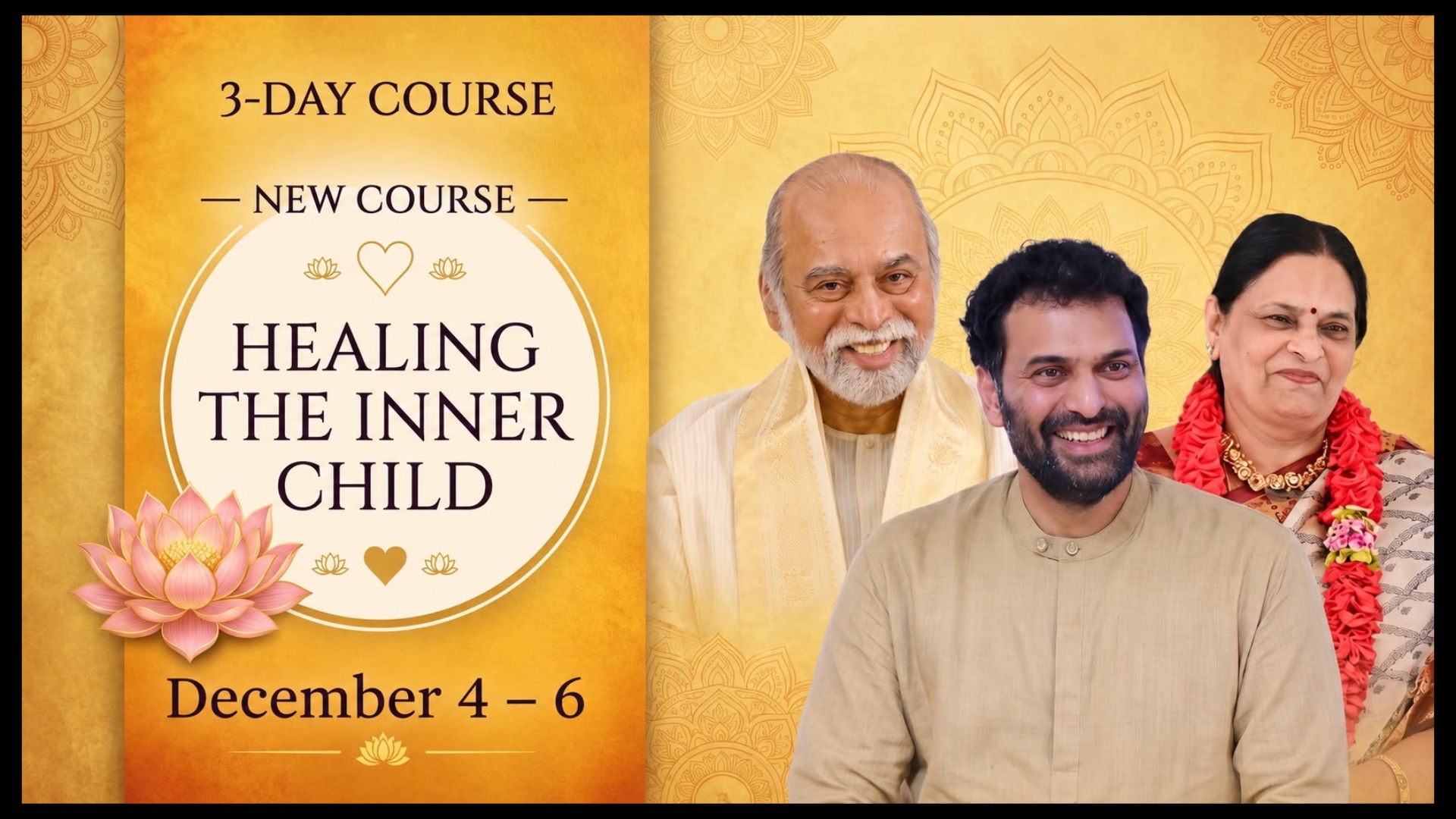
For beginners, weekend or three-day retreats offer accessible entry points without overwhelming commitment. Research formats aligned with your interests: meditation-focused (vipassana, Zen, Tibetan), yoga-based, Christian contemplative, nature immersion, or therapeutic. Read retreat center reviews, teacher bios, and daily schedules carefully. Organizations like Spirit Rock (California), Insight Meditation Society (Massachusetts), Plum Village (France), Kripalu Center (Massachusetts), and local sanghas offer beginner-friendly programs with experienced teachers.
Before attending, establish a basic daily practice—even ten minutes of meditation or breathwork—to familiarize yourself with the territory. Pack simple, comfortable clothing; journals if allowed; any medications; and release expectations of specific outcomes. Arrive willing to follow the schedule, observe guidelines (especially silence if required), and ask teachers questions during designated times. After retreat, prioritize integration through continued practice, journaling, or community connection rather than immediately returning to full-speed life.
Books like A Path with Heart by Jack Kornfield and The Miracle of Mindfulness by Thich Nhat Hanh provide context for meditation retreats. For Christian contemplative traditions, Thomas Merton’s New Seeds of Contemplation and resources from the World Community for Christian Meditation offer orientation. Many retreat centers provide pre-retreat orientation materials, recordings, and reading lists to support preparation.


