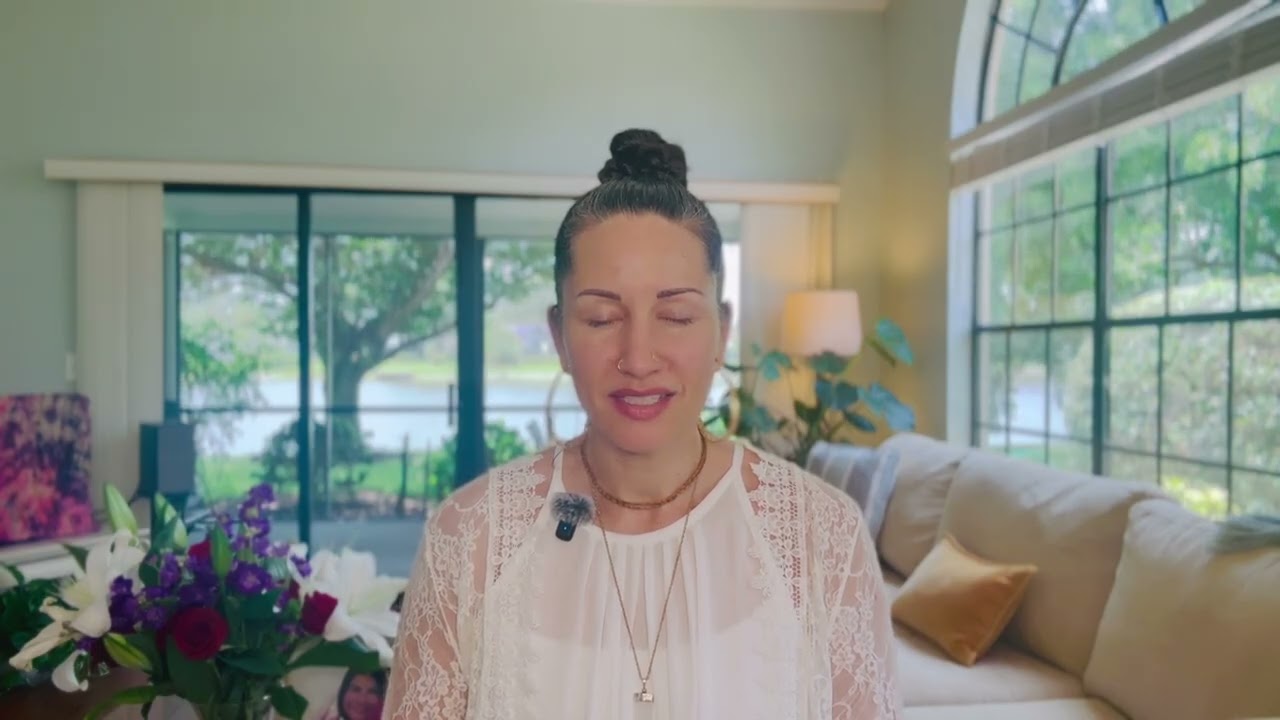
Somewhere in the first minute, a quiet voice asks you to find a seat you can hold for twenty minutes. Not a perfect seat, just one that is steady. Then it asks you to notice your face. The jaw, the tongue, the muscles around the eyes. Nobody is asking you to do anything dramatic. The request is almost gentle, and that is the point: the guided mindfulness of breathing that Danayutta leads for the London Buddhist Centre is built on the idea that a settled body and an attentive mind are not two separate projects. This article walks through that session the way a musician might walk through a rehearsal, stage by stage, looking at what each part is for, why the order matters, and where beginners tend to get tangled.
Most people arriving at a breath meditation expect the breath to be the first thing they touch. Danayutta does not start there. The recording spends its first several minutes on the body, moving attention slowly from the face down through the neck, shoulders, arms, hands, belly, sit bones, legs and feet. The instructions are specific. Let the muscles around the eyes soften. Feel the jaw and tongue. Let the shoulders rest down and back. Keep the fingers still.
The reasoning is stated plainly in the recording. At about the five-minute mark, Danayutta says:
"If we want our minds to be calm and still and steady we need to support that with a body that's calm and still and steady."
Think of it the way a drummer thinks about a kit before a take. If the throne wobbles and the cymbal stand creeps, the time feels unstable no matter how good the hands are. The body is the throne here. A meditator who is holding tension in the jaw or hunching the shoulders is asking the attention to sit on something unsteady, and attention tends to reflect that unsteadiness back. Settling the body first is not a warm-up to be rushed through. It is the foundation the rest of the practice stands on.
Not in the sense most people mean. The recording is careful about this, and it is worth paying attention to. Once attention turns to the breath, Danayutta is explicit: you are not trying to breathe in any special way, this is not a breathing technique. The breath is being used as an object, something for awareness to rest on, the way a guitarist uses the fretboard as a place to return to rather than a thing to be performed.
That distinction matters because it removes a common trap. Many people, once they are told to watch the breath, start to manage it. They deepen it, slow it, lengthen the exhale, and then spend the session evaluating whether they are doing it correctly. The instruction here runs the other way. Let the breath come in naturally, go out naturally, and wait for the next one. If you catch yourself telling yourself to breathe, notice that and return to the natural rhythm.
The structure of the session is the most distinctive thing about it. Rather than simply following the breath from the start, the practice moves through four stages, and the counting changes role in each.
Stage one: counting the out-breath. At the end of each exhale, you mark a number from one to ten. One on the first exhale, two on the next, and so on. At ten you begin again at one. The instruction about how to mark the number is as important as the number itself. Danayutta describes it as a quiet marking, "a bit like dropping a pebble into a still pond," and says the aim is to help the mind calm and gather its focus. The recording also points to something beginners often overlook: the quality of energy you bring to this is important. Counting too hard, too eagerly, creates its own agitation.
If you lose count, or arrive at fifteen, the instruction is simply to start again at one. There is no failure state in this practice. Losing count is information about where the mind went, and the return to one is the practice itself.
Stage two: counting at the start of the in-breath. The numbering shifts to the other end of the cycle. Now you mark each number just before the in-breath begins, again running from one to ten. Here the recording asks for precision. If you find yourself dragging the number out along the in-breath, make it crisp, precise and accurate. The count should be a clean point in time, not a smear across the breath. And the recording is clear about what is being cultivated: it is not the mindfulness of counting. It is, in Danayutta's words, "primarily an exercise of mindfulness." The numbers are a handle, not the destination.
Stage three: dropping the numbers. This is where many practitioners feel the session open up. The numbers are released, and attention widens to the whole breath: its dynamic flow in through the nose or mouth, the expansion and contraction of the rib cage and belly, the rise and fall of the diaphragm. You are invited to notice the breath at the front of the body and at the back, since the back of the rib cage moves too. Some breaths arrive in quick succession. Others are separated by a long, spacious gap between the end of one exhale and the start of the next. The task is to follow the breath from one cycle to the next without losing the thread.
Stage four: the edge of the nostrils or lips. The final stage narrows the field. Attention moves to the point where the breath first enters the body and last leaves it, the edge of the nostrils or the lips. The sensations here are subtle. Danayutta describes them as "a little bit of cool air coming in," "a little bit of slightly warmer air leaving," and then the gaps in between, where nothing much happens. The recording is reassuring about this. If you don't feel very much, that is fine. The aim is a one-pointed, subtle attention, and subtle awareness, the recording suggests, can be quite content with simple experience.
The pauses between breaths come up repeatedly in the recording, and they deserve more attention than a passing mention. In stage three, the spacious gap is described as something to notice. In stage four, the gaps are where "nothing much happens," and the instruction is to keep holding attention through them rather than rushing to fill them with something to observe.
This is the practice's quietest lesson. Most of our minds are busy with commentary during the gaps, anticipating the next breath, checking whether we are doing well. The meditation asks you to remain with the simple fact of no sensation, and to find that this is not empty. For a musician, it is close to the discipline of rests: a bar of silence that is still part of the phrase.
The closing is brief and deliberately unhurried. As the meditation draws to a close, Danayutta asks you to relax the effort you have been putting into focusing on the breath. Feel into the benefits of the practice. Then open your eyes and take the world in again. There is no summing up and no demand to judge how the session went. The last instruction is to come back gently, which is consistent with everything that came before.
The recording is roughly thirty minutes, with the guided practice itself running around twenty. If you are new to it, the most useful thing is to sit with the full structure once, slowly, and notice which stage is the hardest. For many people it is the counting in stage two, where the numbers want to stretch. For others it is the release in stage three, when the scaffolding falls away and the mind feels loose. Both are worth returning to.
Keep the body instructions as your starting point every time. Let the face soften, the shoulders drop, the hands stay still. Then count without forcing, release the count without grabbing the breath, and let your attention settle at the edge of the nostrils, where the breath is nearly weightless. If you want to hear the full guidance in Danayutta's voice, the London Buddhist Centre's video of the session is the place to start, and the channel's classes and courses are the place to go if you want to practise with others.