BrightStar

Parcourir tous les Events

Découvre des rassemblements conscients

events

Yoga
Meditation
Breathwork
Qigong
Tai Chi
Sacred Music
World Music
Medicine Music
Sound Healing
Ecstatic Dance
Destinations populaires
BaliSedonaLos AngelesCosta RicaNew YorkSan FranciscoAustinMiamiJoshua TreeTulum
Voir toutes les catégoriesVoir toutes les destinations

Explorer toutes les fonctionnalités

Des outils puissants pour développer tes événements

Fonctionnalités de la plateforme

Tarification dynamique intelligente
Catégories de billets
Places assignées
Récupération des paniers abandonnés
Récupération des visiteurs
Dons & Prix variables
Système d'affiliation
Scanner de billets
Codes promo
Questions personnalisées
Partage de billets
Ventes additionnelles & Options
Analyses & Rapports
Séquences d'emails
Liste d'attente / Notifier / Rappeler
Personnes & Lieux
Artists & TeachersEvent OrganizersVenues & StudiosKnowledge BaseGlossaryInspiration
Voir toutes les fonctionnalitésÀ propos
TarifsBlog
Language
Saved events
Parcourir tous les événements

events

YogaMeditationBreathworkQigongTai ChiSacred MusicWorld MusicMedicine Music

Destinations populaires

BaliSedonaLos AngelesCosta RicaNew YorkSan Francisco

Personnes & Lieux

Artists & TeachersEvent OrganizersVenues & StudiosKnowledge BaseGlossaryInspiration

Fonctionnalités de la plateforme

Tarification dynamique intelligenteCatégories de billetsPlaces assignéesRécupération des paniers abandonnésRécupération des visiteursDons & Prix variablesSystème d'affiliationScanner de billetsCodes promoQuestions personnaliséesPartage de billetsVentes additionnelles & OptionsAnalyses & RapportsSéquences d'emailsListe d'attente / Notifier / Rappeler
Voir toutes les fonctionnalitésÀ propos
TarifsBlog
ConnexionChercheursCréateurs
  • Parcourir tous les Événements
  • Pour les chercheurs
  • Yoga
  • Méditation
  • Breathwork
  • Qi gong
  • Tai-chi
  • Musique sacrée
  • Musiques du monde
  • Musique médecine
  • Soins sonores
  • Danse extatique
  • Retraites
  • Ateliers
  • Toutes les catégories →
  • Bali
  • Sedona
  • Los Angeles
  • Costa Rica
  • Tulum
  • Byron Bay
  • San Francisco
  • Austin
  • New York
  • San Diego
  • Denver
  • Seattle
  • Portland
  • Miami
  • Toutes les villes →
  • Join the Movement
  • Sell Globally
  • Pour les créateurs
  • Pour les équipes
  • Pour les écrivains
  • Pour les enseignants
  • Pour les artistes de kirtan
  • Pour les studios
  • Pour les festivals
  • Pour les centres de retraite
  • Pour les associations
  • Ambassadeur de marque
  • Études de cas
  • Billetterie gratuite
  • Elevate
  • Amplify
  • Réseau de 500K+ acheteurs
  • Récupération des paniers abandonnés
  • Tarification dynamique intelligente
  • Catégories de billets
  • Événements récurrents
  • Places assignées
  • Système d'affiliation
  • Liste d'attente / Notifier
  • Scanner de billets
  • Widget intégrable
  • Diffusion d'événements
  • Messagerie
  • Intégrations
  • Rapports
  • Toutes les fonctionnalités →
  • À propos
  • L'écosystème
  • Blog
  • Glossaire
  • Inspiration
  • Centre d'aide
  • Contact
  • Documentation API
  • Ressources de marque
  • Carrières
  • Presse
  • Conditions d'utilisation
  • Politique de confidentialité

Événements

  • Parcourir tous les Événements
  • Pour les chercheurs
  • Yoga
  • Méditation
  • Breathwork
  • Qi gong
  • Tai-chi
  • Musique sacrée
  • Musiques du monde
  • Musique médecine
  • Soins sonores
  • Danse extatique
  • Retraites
  • Ateliers
  • Toutes les catégories →

Destinations

  • Bali
  • Sedona
  • Los Angeles
  • Costa Rica
  • Tulum
  • Byron Bay
  • San Francisco
  • Austin
  • New York
  • San Diego
  • Denver
  • Seattle
  • Portland
  • Miami
  • Toutes les villes →

Pour les créateurs

  • Join the Movement
  • Sell Globally
  • Pour les créateurs
  • Pour les équipes
  • Pour les écrivains
  • Pour les enseignants
  • Pour les artistes de kirtan
  • Pour les studios
  • Pour les festivals
  • Pour les centres de retraite
  • Pour les associations
  • Ambassadeur de marque
  • Études de cas
  • Billetterie gratuite
  • Elevate
  • Amplify

Fonctionnalités

  • Réseau de 500K+ acheteurs
  • Récupération des paniers abandonnés
  • Tarification dynamique intelligente
  • Catégories de billets
  • Événements récurrents
  • Places assignées
  • Système d'affiliation
  • Liste d'attente / Notifier
  • Scanner de billets
  • Widget intégrable
  • Diffusion d'événements
  • Messagerie
  • Intégrations
  • Rapports
  • Toutes les fonctionnalités →

Entreprise

  • À propos
  • L'écosystème
  • Blog
  • Glossaire
  • Inspiration
  • Centre d'aide
  • Contact
  • Documentation API
  • Ressources de marque
  • Carrières
  • Presse
  • Conditions d'utilisation
  • Politique de confidentialité
BrightStar
© 2026 BrightStar. Tous droits réservés.
Inspire

Musical Duets and Spiritual Presence: Two Voices Meeting

Ben Leinbach
Ben Leinbach
May 3, 2021
6 min de lecture

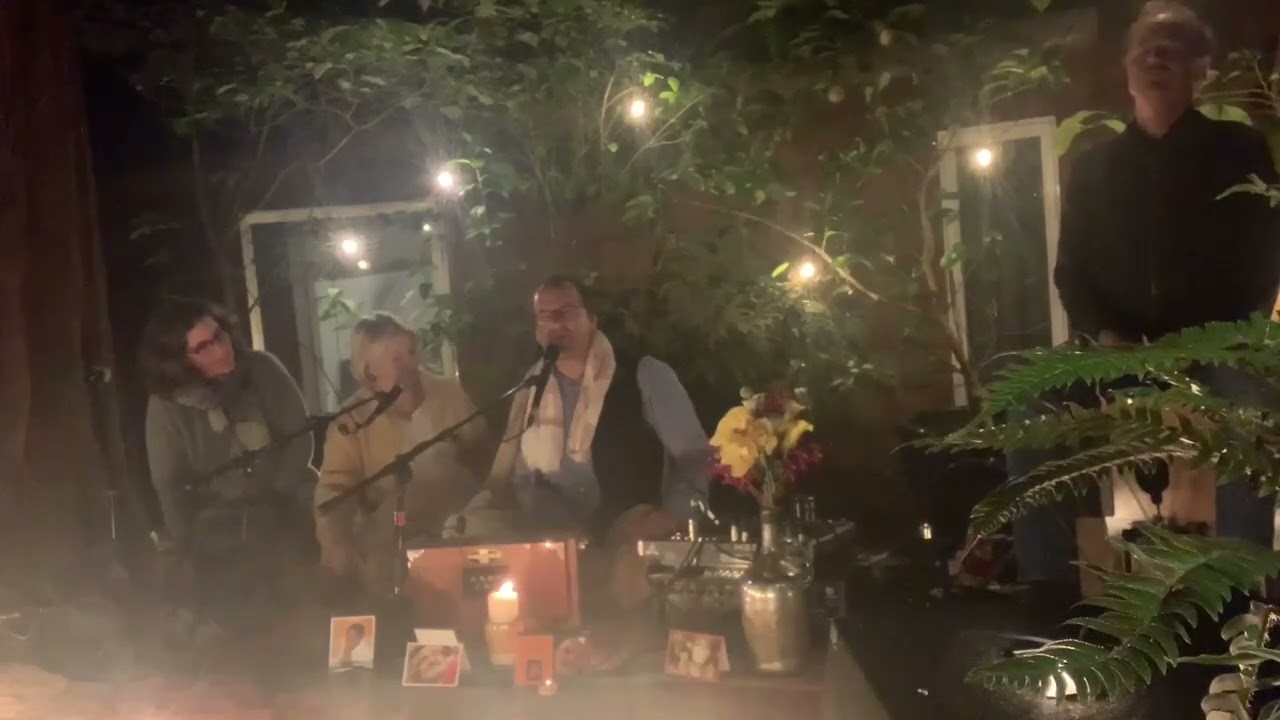
The moment two voices meet in song is a meeting of distinct consciousnesses. In the video "Duets," captured from The Festival of Light, the form itself becomes the message: two musicians—whether playing percussion, stringed instruments, or singing—meet not in unison but in conversation. A duet is not merely a technical arrangement; it is an agreement to listen as much as to sing. The form documents a fundamental act of musical presence: the willingness to meet another voice exactly where it stands, to respond rather than dominate, to create space for the other even as you claim your own.

Lecture · 7 sections

What Is a Musical Duet?

A duet, at its most basic, is music made by two performers. But the technical definition barely captures what actually happens when two musicians truly engage with one another. A duet is an ongoing dialogue. One voice initiates; the other responds. They may interweave, creating counterpoint. They may trade solos, allowing each performer the full attention of the listener for a passage before yielding the foreground. They may lock into synchrony, becoming almost a single voice—but always with the awareness that two separate beings are choosing to move together.

This form has ancient roots. Call-and-response structures appear across the world's musical traditions: in African drumming, in gospel singing, in Appalachian ballads, in Indian classical music. The duet isn't a contemporary invention; it's a recognition of something fundamental about how humans make meaning together. When two voices meet, something happens that neither could achieve alone. The space between them becomes generative.

Why Two Voices Matter More Than We Think

There's a reason soloing—one voice standing alone—can feel complete, and also why a true duet can feel like something has been resolved at a deeper level. A solo is a vision, a statement, a unfolding of self. A duet is a relationship. The presence of another consciousness, another breath, another body moving through time alongside you, creates a container that has psychological and perhaps spiritual weight. You cannot hide in a duet the way you might in a larger ensemble. With more voices, you can blend, disappear. With one other voice, you are witnessed.

Spiritual music traditions have long understood this. The call-and-response structures found in kirtan, gospel, and devotional music worldwide aren't merely aesthetic choices—they're technological innovations for deepening presence and attention. When one voice calls and another responds, the listener is drawn into an active state; they're not passive. The exchange creates rhythm not just in sound but in shared intention. The listener's nervous system recognizes: something is being received; something is being answered.

Duets and the Technology of Presence

There's a phrase musicians use when something clicks between performers: "being in the pocket." It doesn't mean playing in time with a metronome—it means playing in time with the other human being. Your breath aligns. You anticipate silence together. You know when to step forward and when to step back. This technology of presence is learned through attention and repetition, but it's fundamentally about surrender. You must listen more than you play.

This is especially true in spiritual music contexts. The Festival of Light, from which this video originates, exists in a tradition where music isn't primarily about technical display or entertainment. It's about creating conditions for something to happen—a shift in consciousness, a deepening of presence, a remembering. When two musicians move into genuine duet with this intention, the listening itself becomes an act of meditation. You're not watching two people perform at you; you're witnessing two people listening to each other, and being invited into that quality of listening.

The Form of Call and Response

The simplest duet structure is call and response: one voice sounds, the other answers. This isn't just a musical pattern; it's a template for relationship itself. The caller opens a question or gesture. The responder receives it, honors it, and completes a cycle. Then the roles may reverse. In spiritual contexts, this call-and-response can evoke the dialogue between self and divine, between the individual and the universal, between question and answer that runs through contemplative practice.

Indian classical music, which has influenced much of the contemporary kirtan and devotional music world, builds entire performance structures around this principle. A vocalist may initiate a phrase; a tabla player responds not by copying but by creating rhythmic counterpoint. Neither is "leading"—they're in constant dialogue, listening and answering in real time. This isn't possible with a recording; it requires two beings present to each other.

Listening as an Act

To truly hear a duet, you must listen differently than you listen to a solo. With a single voice, your attention can wander and return; the voice continues regardless. With a duet, moments of genuine listening become necessary for the form to cohere. You need to hear the relationship, the space between the voices, the way each performer shapes their contribution in response to what the other just offered. This quality of listening—full attention to mutual exchange—is the point. The duet creates conditions for deep listening the way meditation creates conditions for awareness of awareness.

The Festival of Light Context

The Festival of Light, the source event for this video, reflects a growing contemporary movement of spiritual music gatherings. These festivals exist to create container for sacred music—whether that's kirtan, devotional chanting, sacred ambient music, or other forms rooted in contemplative tradition. Within that context, a video titled "Duets" carries particular resonance. It's not a concert recording. It's documentation of intimate exchange, of two musicians creating presence together, held within a space dedicated to that kind of work.

Viewing such a recording is an invitation into a specific quality of attention. The musicians' focus isn't on impressing an audience; it's on meeting each other. And through that meeting, the listener is drawn into a different relationship with sound, with time, and with presence itself.

Where to Go From Here

If this video has resonated with you, one direction is to seek out recordings and live performances of call-and-response and duet traditions: gospel duets, Indian classical jugalbandi (duet) recordings, kirtan call-and-response, sacred folk traditions. Listen for the moment of genuine exchange—where one musician responds not by rote but by listening and adapting. That moment, however brief, reveals the whole point of the duet form.

You might also explore the live experience. Duets and call-and-response music create a different field when experienced in person than through a recording. If you have access to spiritual music gatherings, kirtan circles, or devotional music events in your area, the duet form—music made by two people listening to each other—offers a particular gift: the reminder that depth doesn't come from individual mastery alone, but from the willingness to meet another consciousness, fully present, and create something neither could have created in isolation.
Comments

Loading the conversation…

Ben Leinbach
ArtistBen Leinbach

Ben Leinbach is an award-winning producer, composer, recording engineer and multi-instrumentalist from San Anselmo, California, known for world music and for producing many of kirt…

Voir le profilSite web
Explorer les thèmes
DuetsSpiritual-musicPresence-listeningCall-and-responseKirtan

Des questions ?

Questions fréquemment posées

A duet is music performed by two musicians in active conversation—not merely playing together, but each responding to and listening deeply to the other. One voice may initiate and the other respond (call-and-response), or they may interweave in counterpoint, creating a relationship that neither could achieve alone.
Call-and-response structures create conditions for deep listening and active attention in both performers and listeners. They evoke relationship itself—the dynamic between self and other, question and answer—making them powerful tools for contemplative and devotional practice.
In a solo, your attention can waver and the music continues. In a duet, genuine listening becomes necessary to perceive the form—you're hearing the relationship between two voices and how each responds to the other, which invites a more active, meditative quality of attention.
A duet can feature any combination of instruments or voices—two guitarists, a vocalist and percussionist, two tabla players, or any other pairing. What matters is that two distinct musicians are listening and responding to one another in real time.
Yes. In-person duet performances create a different energetic and nervous-system resonance because the musicians' presence and real-time responsiveness are physically available. Video recordings preserve the music but not the full field of presence, though they still offer profound listening opportunities.
Explore gospel duets, Indian classical jugalbandi recordings, kirtan call-and-response traditions, sacred folk music, or spiritual music festivals and gatherings in your area. Listen specifically for moments where one musician genuinely responds to what the other offers, rather than playing a predetermined arrangement.

Continuer la lecture

More from Ben

Voir tout
Sacred Music Production: How Presence Defines Excellence
Inspire

Sacred Music Production: How Presence Defines Excellence

Collaborator Adam Bauer on what makes sacred music producer Ben Leinbach exceptional: presence and human integrity matter more than technica…

1 min read
Yoga Soundtracks Volume 2: Pop Meets Bhakti in English
Inspire

Yoga Soundtracks Volume 2: Pop Meets Bhakti in English

Johanna Beekman and Ben Leinbach blend bhakti traditions with Western pop sensibility, proving yoga music doesn't need Sanskrit to deepen sp…

1 min read
Why Life Keeps Testing You: Building on Rock, Not Sand
Inspire

Why Life Keeps Testing You: Building on Rock, Not Sand

Eckhart Tolle reads the house-on-rock parable to explain why life keeps challenging us. A rooted inner dimension, he says, keeps grief from …

1 min read
Minimal Vocalization as Spiritual Practice: Power in Simplicity
Inspire

Minimal Vocalization as Spiritual Practice: Power in Simplicity

A brief live vocal interlude demonstrates how devotional sound—stripped to its essence—can invoke presence and transformation through pure r…

1 min read

Continue d’explorer

Poursuis ton chemin

Plus de sagesse et de rassemblements dans tout l’annuaire BrightStar.

Plus d’articles

Parcours toute la bibliothèque d’enseignements, d’entretiens et de guides.

Retour à tous les articles →

Enseignants et artistes

Découvre les lignées, les musiciens et les guides du monde conscient.

Explorer les artistes →

Trouver un événement

Kirtan, retraites, bains sonores, breathwork, festivals — bientôt près de chez toi.

Parcourir les événements →