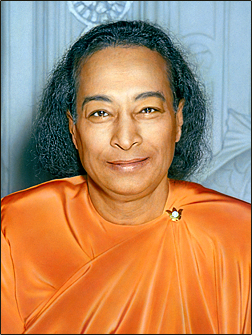
The Interplay of Mind and Body: A Journey into Self-Realization
Paramahansa Yogananda's assertion that "the body is literally manufactured and sustained by mind" invites us to explore the profound connection between our mental and physical states. This statement emphasizes that our thoughts, beliefs, and emotions shape not only our experiences but also the very essence of our being. Understanding this relationship is crucial, as it opens pathways to healing, transformation, and a deeper awareness of our existence.
In a world often dominated by materialism, Yogananda's words serve as a reminder that the mind is not merely a passive observer but an active creator of our reality. This perspective challenges us to reconsider how we engage with our thoughts and emotions, urging us to cultivate a mindset that nurtures our physical health and spiritual well-being. By recognizing the power of the mind, we can begin to harness its potential to create a life that resonates with harmony and purpose.
The image / the metaphor
At first glance, Yogananda's quote presents a striking image of the mind as a craftsman, shaping and sustaining the body as if it were a physical object. The use of the word "manufactured" suggests a deliberate process, highlighting the active role our thoughts play in constructing our physical reality. This imagery evokes a sense of agency, reminding us that we are not merely victims of circumstance but rather architects of our own lives.
Diving deeper into this metaphor, we can see that the mind's influence extends beyond mere physicality; it encompasses our emotional and spiritual dimensions as well. The body, in this context, becomes a canvas upon which the mind paints its perceptions, beliefs, and intentions. This interplay suggests that our physical health is intricately linked to our mental state, reinforcing the idea that cultivating a positive and focused mind can lead to a more vibrant and resilient body.
In the speaker's tradition
Yogananda's teachings are deeply rooted in the rich tradition of Hindu philosophy, which emphasizes the interconnectedness of mind, body, and spirit. Concepts such as dharma, the moral order of the universe, and bhakti, the path of devotion, illustrate how our mental and spiritual pursuits shape our physical existence. In this light, the mind is not just a tool for navigation through life but a vital force that aligns us with our higher purpose and the cosmic order.
Moreover, Yogananda's insights resonate with the Buddhist concept of sunyata, or emptiness, which teaches that our perceptions shape our reality. Just as the mind can create suffering through negative thoughts, it can also cultivate joy and peace through mindfulness and awareness. In this way, the teachings of Yogananda echo the wisdom found in ancient texts, such as the Bhagavad Gita, which emphasizes the importance of self-awareness and the mastery of the mind in achieving spiritual liberation.
Living the teaching
Consider a modern scenario where an individual grapples with chronic stress and anxiety. This person may find themselves caught in a cycle of negative thinking, which manifests physically as tension, fatigue, and illness. By embracing Yogananda's teaching, they can begin to recognize that their mental state directly influences their physical health. Through practices such as meditation, mindfulness, and positive affirmations, they can shift their mindset, ultimately leading to a more balanced and healthy body.
In a different context, imagine a relationship strained by misunderstandings and unspoken grievances. Here, the mind's role becomes crucial; negative thoughts can create barriers, while a shift towards compassion and understanding can foster connection. By consciously choosing to cultivate a mindset of love and empathy, individuals can transform their interactions, allowing the body to express this newfound harmony through gestures, words, and presence. This illustrates how Yogananda's teaching can be applied not only to individual well-being but also to the dynamics of our relationships.
A reflection
As we contemplate Yogananda's profound assertion, we are invited to reflect on the nature of our own thoughts and their impact on our lives. Are we aware of how our mental patterns shape our physical health and relationships? In what ways can we cultivate a more positive and constructive mindset to enhance our overall well-being? These questions encourage us to engage in a deeper exploration of the mind-body connection, guiding us toward a more harmonious existence.


