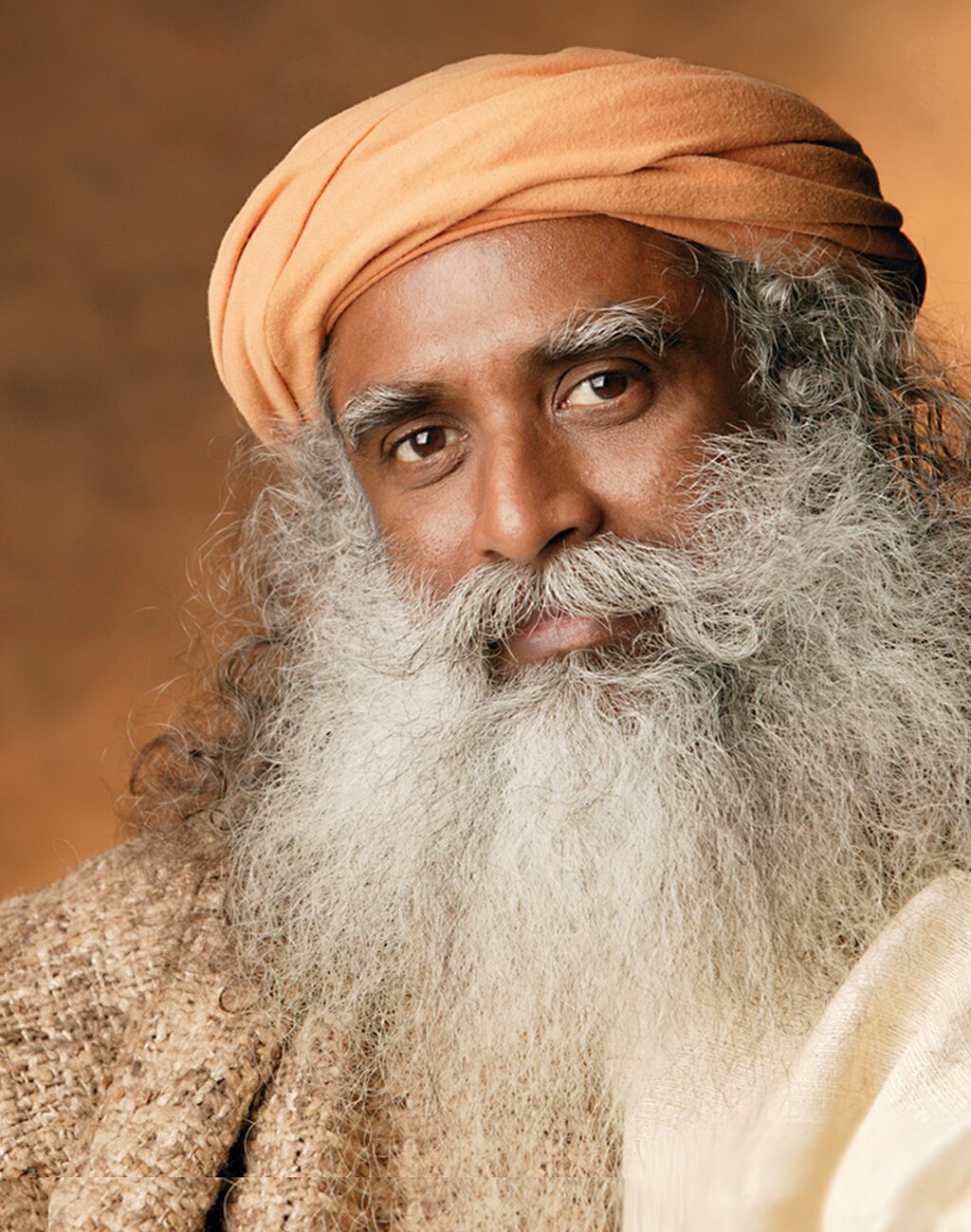
The Essence of Needlessness in Meditation
In the words of Sadhguru, "True meditation begins when there is no need." This profound statement invites us to explore the essence of meditation beyond the surface-level practices and techniques. It challenges us to consider the motivations that often drive our spiritual pursuits, suggesting that genuine meditation emerges from a state of being rather than a state of wanting. This distinction is crucial, as it reframes our understanding of meditation from a tool for achieving goals to a pathway toward deeper self-awareness and presence.
As we delve deeper into this quote, we begin to recognize the layers of meaning embedded within it. The notion of "need" implies a sense of lack, a yearning for something outside ourselves. In contrast, true meditation, as Sadhguru suggests, arises when we transcend these desires and enter a realm of pure experience. This shift from need to essence is not merely a philosophical exercise; it is a transformative journey that can lead to profound inner peace and clarity. Understanding this transition is essential for anyone seeking to deepen their meditation practice and cultivate a more authentic connection with themselves.
The image / the metaphor
At first glance, the imagery in Sadhguru's quote evokes a sense of liberation. The phrase "when there is no need" suggests a state of freedom from the incessant demands of the mind and the external world. The verbs chosen—"begins"—imply that meditation is not a static state but a dynamic process that unfolds as we let go of our attachments and desires. This imagery resonates with the experience of many meditators who find that the most profound moments of stillness arise when they cease striving for something specific and simply allow themselves to be.
Diving deeper into the metaphor, we can see that "need" represents the myriad distractions that cloud our minds and hearts. It symbolizes the incessant chatter of thoughts, worries, and aspirations that often accompany our daily lives. When Sadhguru speaks of true meditation beginning in the absence of need, he invites us to envision a space where these distractions dissolve, revealing the essence of our being. This essence is characterized by a profound stillness, a sense of connection to something greater than ourselves, and an openness to the present moment. In this way, the quote serves as both an invitation and a challenge to explore the depths of our consciousness.
In the speaker's tradition
Situated within the rich tradition of yoga, Sadhguru's teaching resonates with key concepts such as dharma, the inherent duty or path each individual must follow, and sunyata, the emptiness that allows for the fullness of existence. In yoga philosophy, the journey toward self-realization often involves shedding layers of need and desire, ultimately leading to a state of pure awareness. This aligns with the practice of kenosis, or self-emptying, found in various spiritual traditions, where the relinquishing of personal desires opens the heart to divine presence.
Moreover, this teaching echoes the wisdom found in the Bhagavad Gita, where Krishna advises Arjuna to act without attachment to the fruits of his actions. The Gita emphasizes that true action arises from a place of inner stillness and clarity, rather than from a place of need or desire. In this context, Sadhguru's assertion that true meditation begins when there is no need serves as a contemporary reminder of these timeless teachings, urging us to cultivate a practice rooted in presence rather than pursuit.
Living the teaching
Consider a modern scenario where this teaching might resonate: a busy professional striving for success in their career. The constant pressure to achieve can create a sense of urgency and need that overshadows the joy of the work itself. In this context, Sadhguru's insight becomes a guiding light, encouraging the individual to pause and reflect on their motivations. By letting go of the need for validation or success, they may discover a deeper sense of fulfillment in their work, allowing creativity and passion to flourish without the weight of expectation.
Another application of this teaching can be found in personal relationships. Often, we enter relationships with certain needs—be it companionship, validation, or support. However, when we approach our connections from a place of need, we may inadvertently create tension and dependency. By embracing Sadhguru's perspective, we can learn to cultivate relationships based on mutual respect and genuine connection, free from the burdens of expectation. This shift not only enhances our interactions but also fosters a deeper sense of love and understanding, allowing both individuals to thrive independently while sharing a meaningful bond.
A reflection
As we contemplate Sadhguru's assertion that "true meditation begins when there is no need," we are invited to reflect on our own motivations for meditation and spiritual practice. What needs or desires are we bringing into our practice, and how might they be shaping our experience? In this moment of introspection, consider this question: How can I cultivate a state of being that transcends need, allowing me to fully embrace the present moment and the essence of my true self?