Returning to the Essence: The Call to Seek the Source
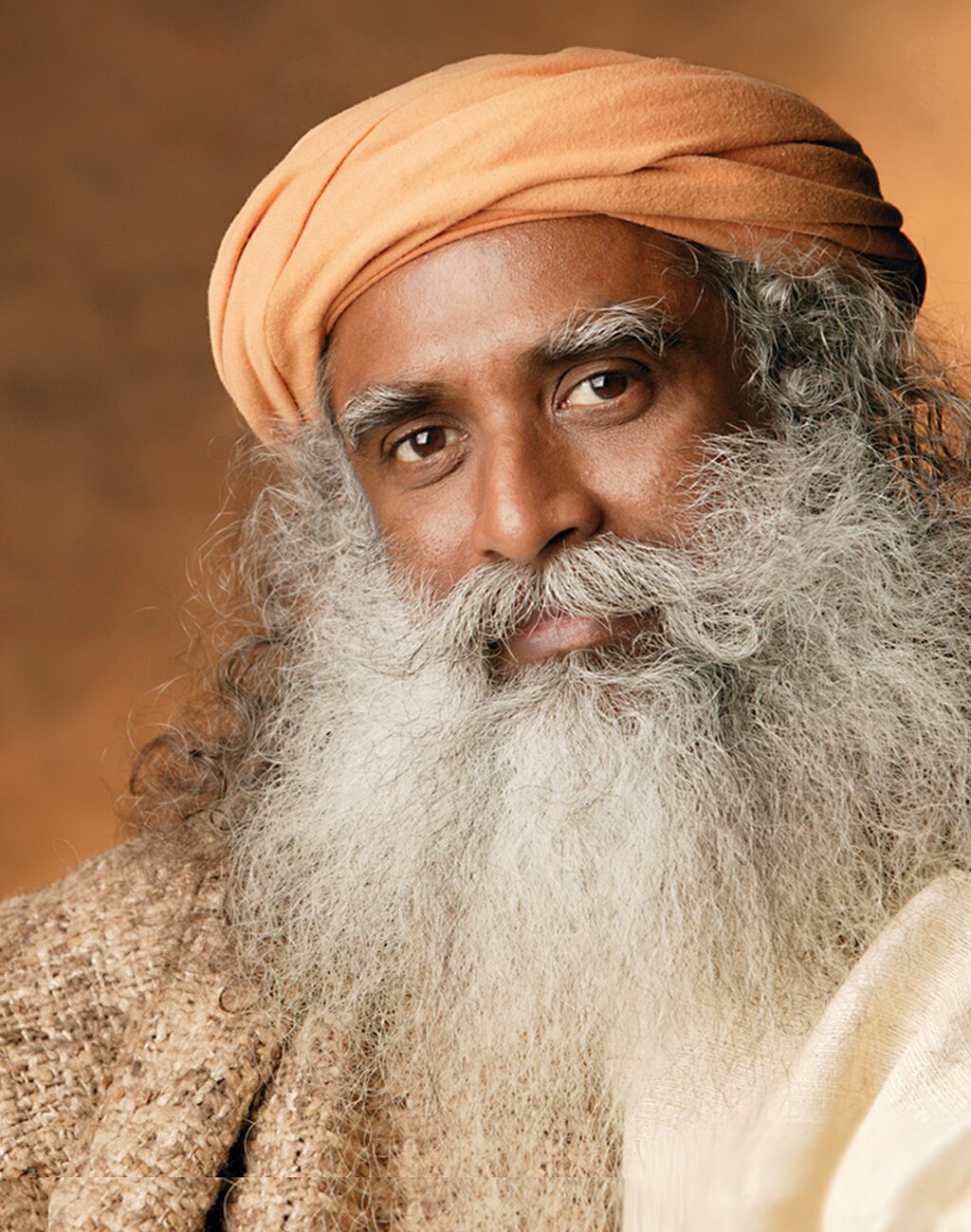
Sadhguru's poignant assertion, "Seek the source. Everything else is a distraction," invites us to delve into the depths of our being, urging us to prioritize the pursuit of our true essence over the myriad distractions that life presents. In a world saturated with noise and superficiality, this call to focus on the source becomes not just a suggestion but a necessity for authentic living. The stakes are high; without this inward journey, we risk losing ourselves in the chaos of existence, drifting away from our true purpose and potential.
This quote resonates deeply within the framework of yoga philosophy, where the quest for the source is synonymous with the journey towards self-realization. It challenges us to confront the distractions that cloud our vision, whether they be external circumstances or internal conflicts. By seeking the source, we engage in a transformative process that not only clarifies our understanding of ourselves but also aligns us with the greater cosmos. In this light, Sadhguru's words serve as a compass, guiding us back to the heart of our existence.
The image / the metaphor
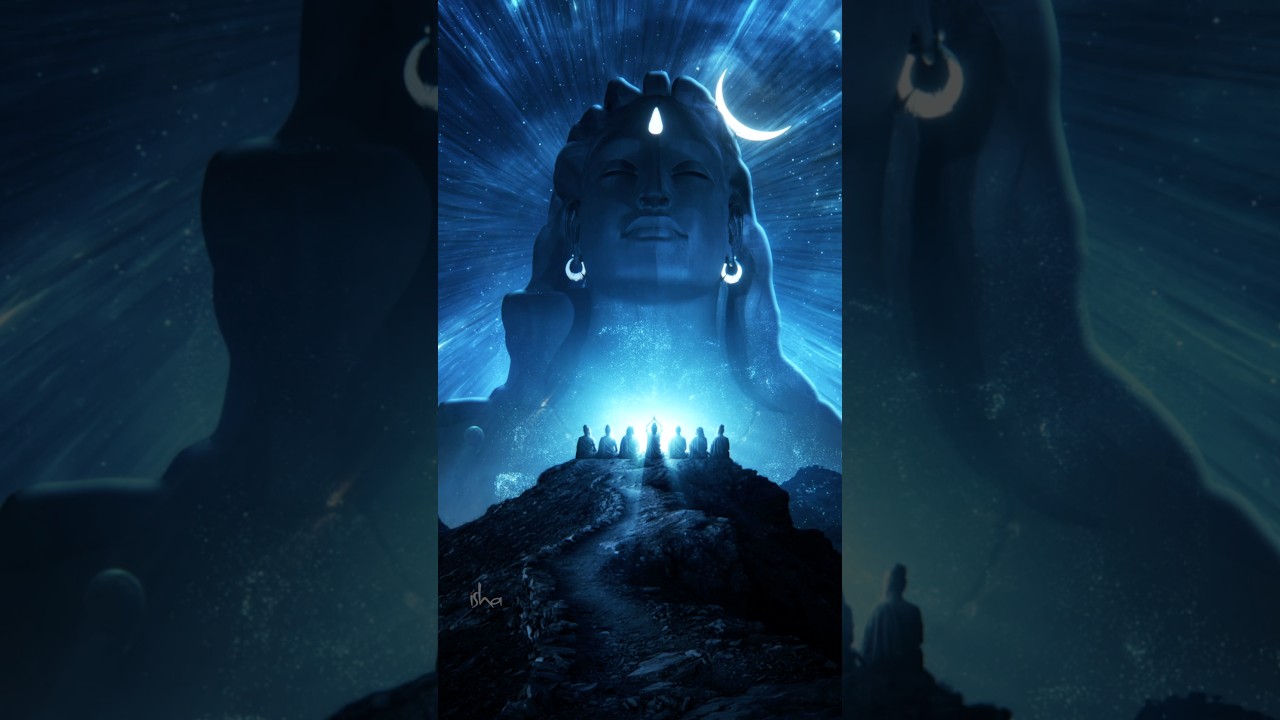
The imagery in Sadhguru's quote evokes a sense of urgency and clarity. The term "source" suggests a wellspring of life, a fundamental origin from which all things flow. The verb "seek" implies an active pursuit, a journey that requires intention and dedication. In contrast, the word "distraction" carries a weight of chaos and fragmentation, highlighting the myriad forces that pull us away from our true path. This juxtaposition creates a vivid landscape where the seeker must navigate through the noise to uncover the stillness at the heart of their being.
In the speaker's tradition
Within the tradition of yoga, Sadhguru's call to seek the source aligns closely with the concept of "dharma," which refers to one's true path or purpose in life. This pursuit is not merely about personal fulfillment; it is about aligning oneself with the universal order and understanding one's role within it. The distractions that Sadhguru speaks of can be likened to the illusions of "maya," which cloud our perception and lead us away from our authentic selves. By seeking the source, we engage in a process of "kenosis," or self-emptying, allowing us to shed the layers of ego and attachment that obscure our true nature.
In the context of yoga texts, this teaching resonates with the principles found in the "Bhagavad Gita," where the protagonist, Arjuna, is urged to look beyond the battlefield of external conflict and seek the deeper truths of existence. The Gita emphasizes the importance of understanding one's inner self and acting from that place of clarity and purpose. This alignment with the source is what ultimately leads to liberation, or "moksha," freeing us from the cycles of distraction and suffering.
Living the teaching
Consider a modern scenario where the teaching of seeking the source can be applied: a professional caught in the relentless grind of corporate life. Each day, they are bombarded with emails, meetings, and deadlines that pull their focus away from what truly matters. In this context, Sadhguru's words serve as a reminder to pause and reflect on the deeper motivations behind their work. By reconnecting with their core values and aspirations, they can transform their approach, finding meaning and fulfillment even amidst the chaos.
Another application of this teaching can be found in personal relationships. Imagine a couple facing challenges due to misunderstandings and external pressures. In such moments, the call to seek the source encourages them to look beyond the immediate conflicts and reconnect with the essence of their love and commitment. By focusing on the deeper emotional and spiritual connection that brought them together, they can navigate through difficulties with greater compassion and understanding, allowing their relationship to flourish.
A reflection
As we contemplate Sadhguru's profound invitation to "seek the source," we are left with a contemplative question: What distractions in my life are preventing me from connecting with my true self? This inquiry invites us to reflect on our daily experiences, encouraging us to identify the noise that clouds our vision and to seek the stillness that lies beneath. In this journey of self-discovery, we may find that the path to our essence is not only a personal endeavor but a universal quest that connects us all.