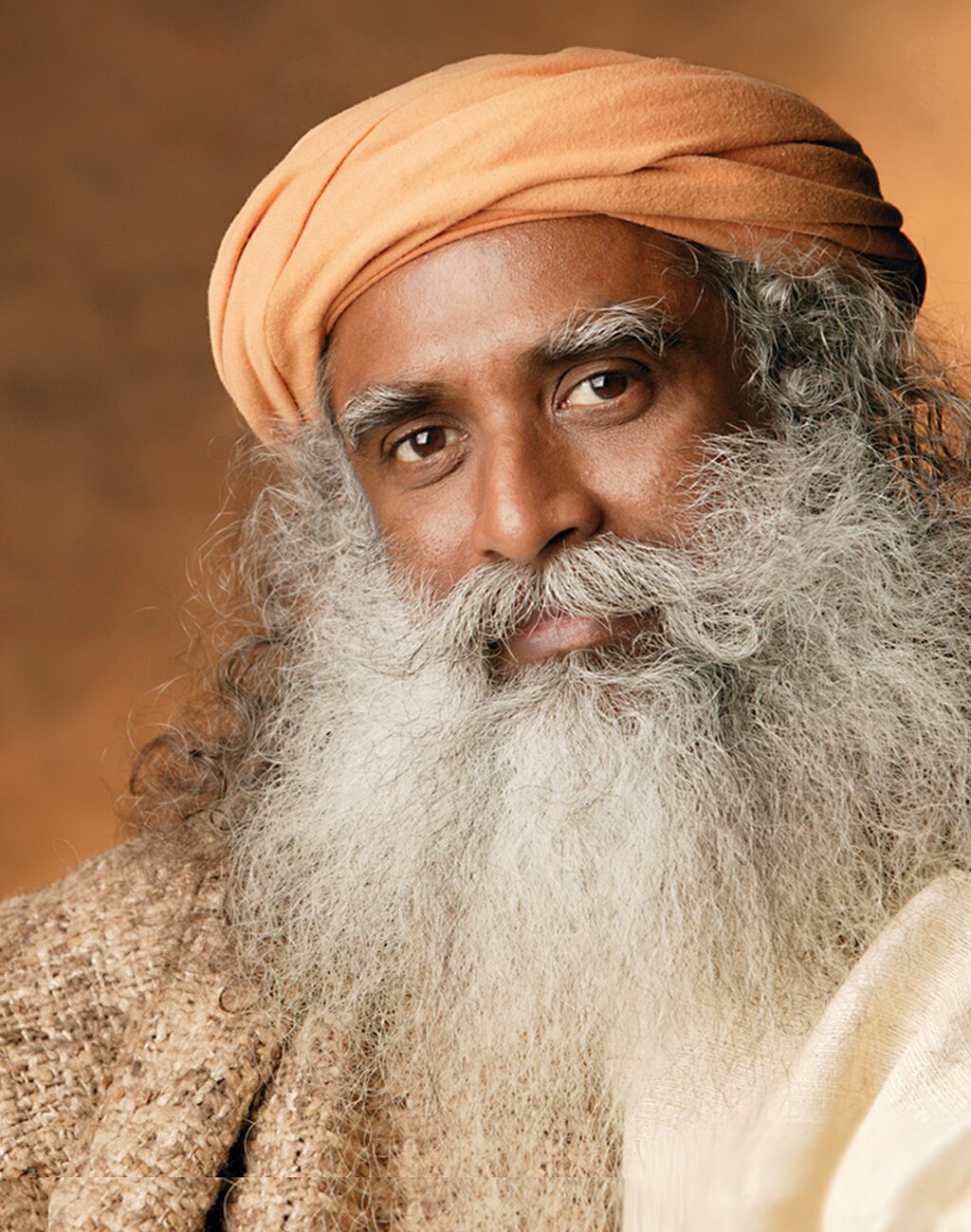
Sadhguru's assertion that "In the end, what counts is what you have done with your karma" invites us to reflect deeply on the nature of our actions and their consequences. This statement encapsulates the essence of karma, urging us to consider not merely the actions we take but the intentions and awareness that accompany them. In a world often preoccupied with outcomes and external validations, this teaching serves as a poignant reminder that the true measure of our lives lies in how we engage with the forces of karma that shape our existence.
To delve into this quote is to confront the intricate dance between choice and consequence. Karma, often misunderstood as mere fate or destiny, is more accurately described as the sum of our actions, thoughts, and intentions. Sadhguru's words challenge us to take ownership of our karma, suggesting that it is not enough to exist passively within the currents of life. Instead, we are called to actively engage with our karma, transforming it into a force for growth and enlightenment. This perspective shifts the focus from external achievements to the internal landscape of our being, where true transformation occurs.
The image / the metaphor
The imagery in Sadhguru's quote evokes a sense of accountability and introspection. The phrase "what you have done with your karma" suggests a dynamic interplay between the self and the universe, where our actions are not isolated events but rather threads woven into the fabric of existence. The verbs "done" and "counts" imply a sense of agency and responsibility, urging us to recognize that our choices have weight and significance. This metaphorical landscape invites us to visualize our lives as a canvas, where each stroke represents a decision that contributes to the overall picture of our karma.
Diving deeper into this metaphor, we can see that karma is not merely a ledger of good and bad deeds; it is a living, breathing entity that evolves with us. Each action we take reverberates through the cosmos, influencing not only our own lives but also the lives of those around us. This interconnectedness highlights the importance of mindfulness in our actions, as we are not just shaping our own destinies but also participating in the collective karma of humanity. Thus, Sadhguru's quote serves as a call to cultivate awareness and intention in every aspect of our lives.
In the speaker's tradition
Situated within the rich tapestry of yogic philosophy, Sadhguru's insights on karma resonate with core concepts such as dharma and the path of self-realization. In yoga, dharma refers to one's duty or righteous path, emphasizing that our actions should align with our higher purpose. This alignment is crucial for transforming karma into a force for good, allowing us to transcend the cycle of cause and effect. The notion of kenosis, or self-emptying, further complements this understanding, suggesting that by relinquishing our ego-driven desires, we can engage more authentically with our karma.
In the Bhagavad Gita, a seminal text in yoga philosophy, Lord Krishna imparts wisdom on the importance of action without attachment to results. This teaching echoes Sadhguru's message, as it emphasizes that the essence of our actions lies not in their outcomes but in the purity of our intentions. By cultivating a sense of detachment and focusing on our duties, we can navigate the complexities of karma with grace and wisdom. Thus, Sadhguru's quote serves as a contemporary reminder of these timeless truths, urging us to engage with our karma in a way that fosters growth and understanding.
Living the teaching
Consider a modern scenario where this teaching can be applied: a workplace environment filled with competition and ambition. In such a setting, individuals often focus on achieving personal success, sometimes at the expense of their colleagues. However, if one were to embrace Sadhguru's perspective on karma, they might shift their approach to prioritize collaboration and support. By recognizing that their actions contribute to a collective workplace culture, they can transform their karma into a source of positivity and growth, ultimately benefiting not only themselves but also their peers.
Another application of this teaching can be found in personal relationships, particularly during challenging moments. Imagine a disagreement with a loved one, where emotions run high, and the urge to react impulsively is strong. By reflecting on Sadhguru's words, one might choose to pause and consider the long-term impact of their responses. This conscious engagement with karma allows for a more compassionate and understanding approach, fostering healing and connection rather than conflict. In this way, the practice of mindfulness in our interactions can profoundly shape the quality of our relationships and the karma we create.
A reflection
As we contemplate Sadhguru's profound statement, we are invited to engage in a reflective practice that deepens our understanding of our own karma. What actions have you taken recently that reflect your true intentions, and how have they shaped your experiences? This question encourages a moment of introspection, prompting us to examine not only our deeds but also the motivations behind them. In doing so, we can begin to align our actions with our higher selves, transforming our karma into a pathway of growth and enlightenment.