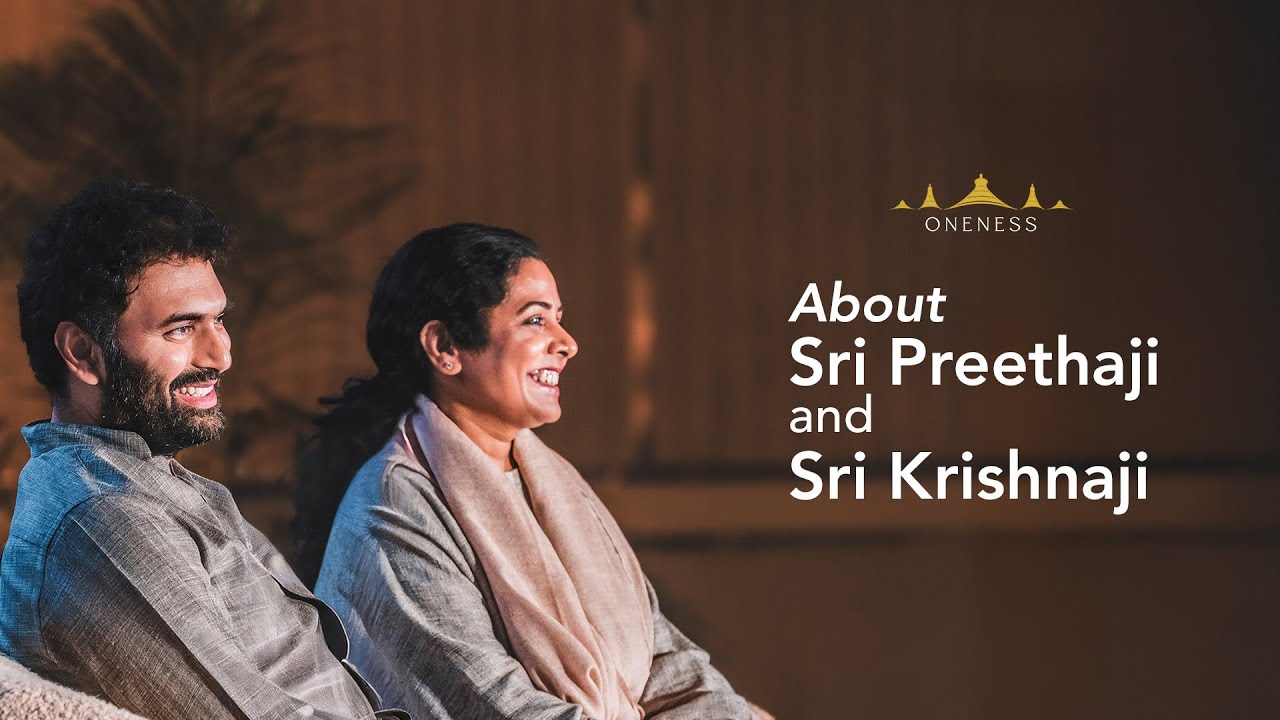
The Significance of Our Practice in the Journey of Oneness
Krishnaji's assertion, "This is why your practice matters," invites us to reflect on the profound implications of our spiritual endeavors. It emphasizes that the act of engaging in practice is not merely a personal pursuit but a vital contribution to the collective consciousness. In a world often marked by disconnection and fragmentation, understanding the significance of our practice can illuminate our path and deepen our sense of purpose.
As we delve into this quote, we recognize that practice serves as a bridge between the individual and the universal. It is through our dedicated efforts that we cultivate awareness, compassion, and understanding, not just for ourselves but for generations to come. This interconnectedness underscores the importance of our spiritual journey, suggesting that each moment of practice reverberates beyond our immediate experience, shaping the fabric of existence itself.
The image / the metaphor
At its core, the quote encapsulates the essence of practice as a vital thread in the tapestry of life. The choice of the word "matters" conveys a sense of urgency and importance, suggesting that our actions hold weight and significance. The imagery evokes a sense of responsibility, as if each practice we engage in contributes to a larger narrative that transcends time and space.
Diving deeper into the metaphor, we can envision practice as a seed planted in the fertile soil of our consciousness. Just as a seed requires nurturing to grow into a flourishing plant, our spiritual practice demands attention, care, and commitment. This nurturing process not only transforms our inner landscape but also has the potential to influence the world around us, creating a ripple effect of positive change.
In the speaker's tradition
Krishnaji's teachings are rooted in the oneness movement, which emphasizes the interconnectedness of all beings. Concepts such as dharma, the inherent duty to uphold cosmic order, and kenosis, the self-emptying love that allows for divine presence, resonate deeply within this framework. By recognizing that our practice is not solely for personal gain but a contribution to the greater whole, we align ourselves with the principles of oneness and compassion.
In the context of Krishnaji's teachings, we can draw parallels to the Buddhist concept of sunyata, or emptiness, which invites us to let go of the ego and embrace the interconnected nature of existence. This understanding encourages us to engage in practices that foster awareness and compassion, ultimately leading us toward a state of unity with all beings. As we immerse ourselves in this tradition, we come to see our practice as a vital expression of our commitment to the unfolding of collective consciousness.
Living the teaching
Consider a modern scenario where the significance of practice becomes evident: a community facing division and strife. In such a context, individuals who engage in mindful practices—such as meditation, compassionate listening, or acts of service—can create a space for healing and understanding. Their commitment to practice not only transforms their own hearts but also inspires others to join in the journey toward reconciliation and unity.
In a more personal context, imagine navigating a challenging relationship. By committing to practices of patience, empathy, and open communication, we can shift the dynamics of our interactions. Each moment spent in conscious practice allows us to respond with love rather than react with frustration, ultimately fostering deeper connections and understanding. In this way, our practice becomes a powerful tool for transformation, both within ourselves and in our relationships with others.
A reflection
As we contemplate the essence of Krishnaji's words, we are invited to consider the impact of our own practices. How do our daily actions contribute to the collective consciousness? In what ways can we deepen our commitment to practice, recognizing its significance not only for ourselves but for the world around us? Reflecting on these questions can guide us toward a more intentional and meaningful engagement with our spiritual journey.