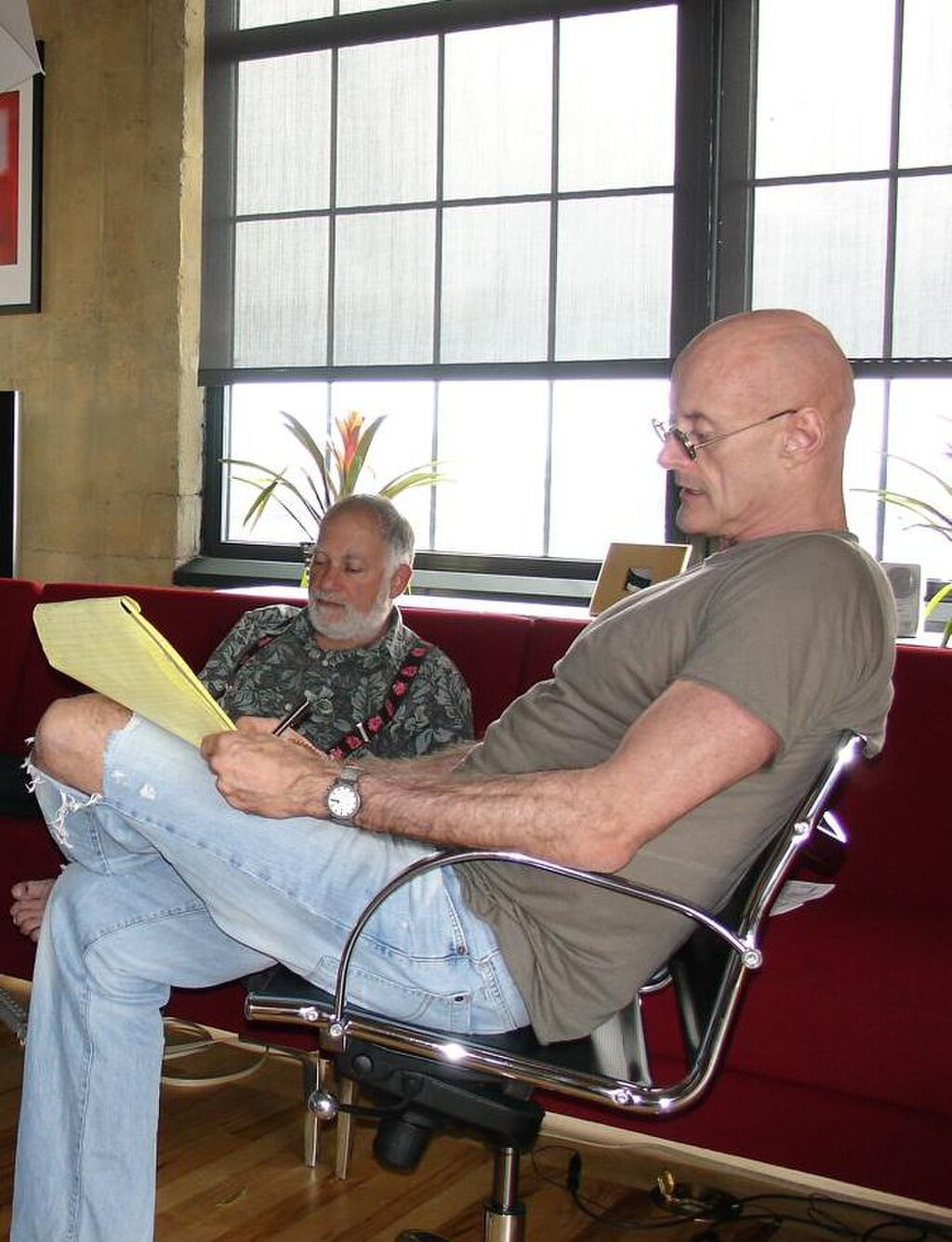
Ken Wilber's assertion that "Spirit is the great unfolding" invites us to consider the dynamic and ever-evolving nature of our spiritual existence. This phrase encapsulates the idea that spirit is not a static entity but rather a continuous process of growth and revelation. Understanding this concept is crucial, as it challenges us to embrace change and transformation as integral parts of our spiritual journey, rather than viewing them as obstacles to be overcome.
At its core, this quote speaks to the essence of evolution—both personal and collective. It suggests that the unfolding of spirit is a journey marked by layers of experience, insight, and understanding. This perspective encourages us to recognize that our spiritual path is not linear but rather a complex tapestry woven from the threads of our experiences, relationships, and insights. By acknowledging this unfolding, we can cultivate a deeper appreciation for the richness of our spiritual lives.
The image / the metaphor
The imagery of "unfolding" evokes a sense of gradual revelation, akin to a flower blooming or a scroll being unrolled. This metaphor suggests that spirit is not something we possess but rather something that emerges from within us as we engage with life. The verb "unfolding" implies a gentle, organic process, one that requires patience and openness. It invites us to consider the layers of our being, each revealing deeper truths as we progress along our spiritual journey.
Diving deeper into this metaphor, we can see that unfolding also implies a sense of surrender. Just as a flower must yield to the sun and rain to bloom, we too must let go of our preconceived notions and fears to allow our spirit to emerge fully. This process can be both beautiful and challenging, as it often requires us to confront the shadows within ourselves. Yet, it is through this confrontation that we can experience the fullness of our spiritual potential, allowing the light of our true selves to shine forth.
In the speaker's tradition
Ken Wilber's integral philosophy emphasizes the interconnectedness of all aspects of existence, suggesting that spirit is not separate from the material world but rather intricately woven into it. Concepts such as dharma, which refers to one's purpose or duty, and kenosis, the act of self-emptying, resonate deeply with the idea of spirit as an unfolding process. In this context, the unfolding of spirit can be seen as a journey toward realizing one's dharma, where each step taken is a manifestation of the divine within.
Wilber's work also draws parallels with Eastern philosophies, particularly the notion of sunyata, or emptiness, which invites us to embrace the fluidity of existence. In this light, the unfolding of spirit is akin to the realization of one's true nature, free from the constraints of ego and attachment. Texts such as the Tao Te Ching echo this sentiment, emphasizing the importance of aligning oneself with the natural flow of life, thereby allowing the spirit to unfold in harmony with the universe.
Living the teaching
Consider a modern scenario where this teaching might resonate: a person facing a significant life transition, such as a career change or the end of a relationship. In such moments, the idea of spirit as an unfolding can provide solace and guidance. Instead of resisting the change, one can embrace it as an opportunity for growth, trusting that the unfolding process will reveal new paths and possibilities. This perspective encourages individuals to remain open to the lessons that emerge from their experiences, fostering resilience and adaptability.
In the context of relationships, the concept of unfolding can also be profoundly transformative. Imagine a couple navigating a period of conflict; rather than viewing their struggles as insurmountable barriers, they can approach them as opportunities for deeper understanding and connection. By allowing their individual spirits to unfold in the presence of one another, they create space for vulnerability and authenticity, ultimately strengthening their bond. This practice of unfolding invites a deeper exploration of love, compassion, and mutual growth.
A reflection
As we contemplate Ken Wilber's assertion that "Spirit is the great unfolding," we are invited to reflect on our own journeys. What areas of your life are calling for greater openness and acceptance? In what ways can you embrace the unfolding of your spirit, allowing it to guide you toward deeper understanding and connection with yourself and others? This contemplative inquiry can serve as a powerful catalyst for personal growth and transformation.


