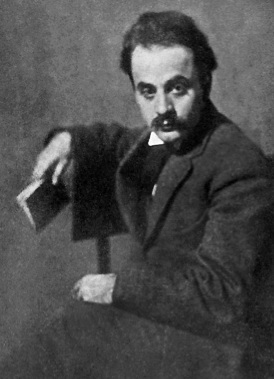
Kahlil Gibran's assertion that "We are limited not by our abilities, but by our vision" invites us to reconsider the boundaries we impose upon ourselves. This profound statement suggests that our potential is often stifled not by a lack of skill or talent, but by the narrowness of our perspective. In a world where possibilities abound, the challenge lies in expanding our vision to embrace what could be, rather than resigning ourselves to what is. This exploration of vision versus limitation is not merely an intellectual exercise; it is a call to awaken to the vastness of our inner landscapes and the potential they hold.
As we delve deeper into Gibran's words, we uncover a rich tapestry of meaning that resonates with the human experience. The notion that our limitations stem from our vision speaks to the heart of spiritual growth and transformation. It compels us to question the narratives we tell ourselves and the beliefs that confine us. In doing so, we embark on a journey of self-discovery, where the act of expanding our vision becomes a sacred practice, one that can lead to profound personal and collective change.
The image / the metaphor
The imagery in Gibran's quote evokes a sense of both confinement and liberation. The word "limited" conjures feelings of restriction, as if we are trapped within invisible walls that prevent us from reaching our full potential. In contrast, "vision" suggests a vast expanse, a horizon that stretches far beyond our immediate grasp. The verbs chosen—"are limited" and "by our vision"—imply an active engagement with our perception, highlighting that our limitations are not static but rather dynamic, shaped by our willingness to see beyond the ordinary.
Diving deeper into the metaphor, we recognize that vision is not merely about sight; it encompasses insight, foresight, and the ability to dream. Gibran invites us to consider the expansive nature of our inner vision, which can illuminate paths previously obscured by doubt or fear. This metaphor serves as a reminder that the journey toward self-realization begins with the courage to envision a life that transcends our current circumstances, urging us to cultivate a broader perspective that embraces possibility.
In the speaker's tradition
Kahlil Gibran, often regarded as a Christian mystic, draws upon a rich tradition that emphasizes the transformative power of vision and insight. Concepts such as kenosis—the self-emptying of one's own will to embrace a higher purpose—resonate deeply within this context. Gibran's work reflects a profound understanding of the interconnectedness of all beings, suggesting that our limitations are often self-imposed barriers that obscure our divine potential. In this light, expanding our vision becomes an act of surrender to a greater reality, one that aligns with the principles of love and unity found in mystical traditions.
In Gibran's "The Prophet," we find echoes of this teaching in the discourse on love and self-knowledge. The prophet speaks of love as a force that transcends the self, urging us to see beyond our individual desires and fears. This aligns with the idea that our limitations dissolve when we embrace a vision that encompasses not only our own aspirations but also the collective well-being of humanity. By expanding our vision, we align ourselves with the divine flow of existence, allowing us to transcend the confines of our perceived limitations.
Living the teaching
Consider a modern scenario where this teaching resonates: a professional facing stagnation in their career. They may possess the skills and qualifications necessary for advancement, yet they find themselves trapped in a cycle of self-doubt and fear of failure. By embracing Gibran's insight, this individual can begin to shift their perspective, recognizing that their limitations are not rooted in their abilities but in their vision of what is possible. By envisioning a future where they are not only successful but also fulfilled, they can take steps toward that reality, breaking free from the chains of self-imposed limitation.
This teaching also finds application in personal relationships, particularly during challenging moments. Imagine a couple facing a conflict that seems insurmountable. If they approach the situation with a limited vision, they may see only their differences and grievances. However, by expanding their vision to include empathy and understanding, they can begin to see the underlying love and connection that brought them together. This shift in perspective allows them to navigate their challenges with grace, transforming limitations into opportunities for deeper intimacy and growth.
A reflection
As we reflect on Gibran's profound statement, we are invited to consider the ways in which our own vision shapes our reality. What limitations have we accepted as truths, and how might we begin to expand our vision to embrace a more expansive understanding of ourselves and our potential? In this moment of contemplation, let us ask ourselves: What would it look like to live without the confines of our perceived limitations, and how might that shift our experience of the world around us?
