Understanding Love: The Path to Conservation
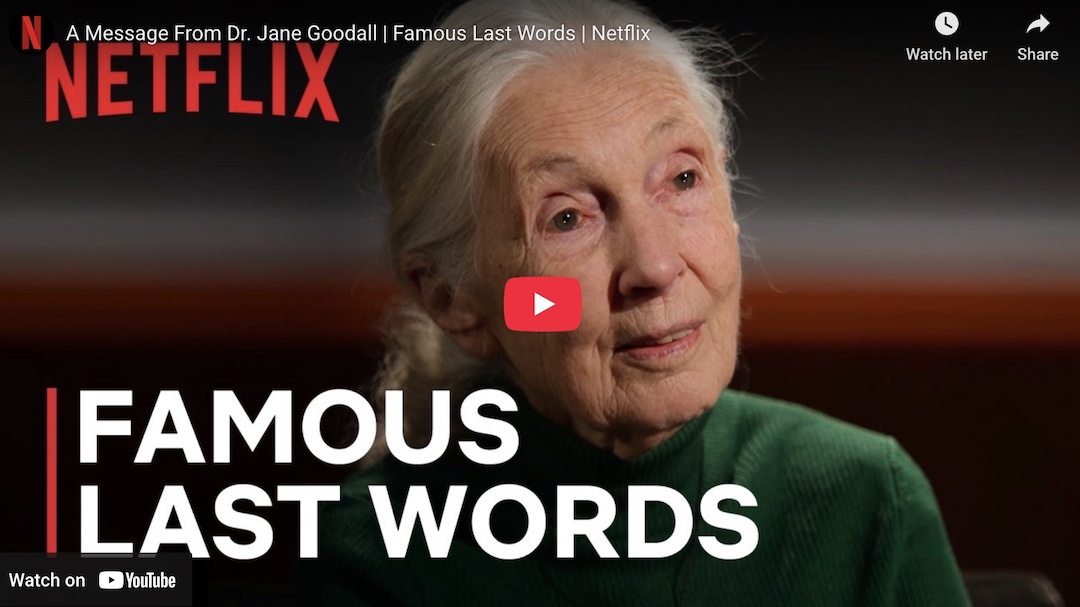
Jane Goodall's profound assertion, "In the end, we will conserve only what we love. We will love only what we understand. We will understand only what we are taught," encapsulates a vital truth about our relationship with the natural world. This quote emphasizes the interconnectedness of love, understanding, and education in fostering a deep commitment to conservation. In an age where environmental degradation looms large, recognizing the necessity of nurturing our emotional and intellectual bonds with nature becomes paramount.
Goodall's words invite us to reflect on the layers of our engagement with the environment. They challenge us to consider how our love for the Earth is not merely an instinctive feeling but a cultivated response shaped by knowledge and experience. The stakes are high; without a genuine understanding of the ecosystems that sustain us, our efforts to protect them may falter. Thus, this quote serves as a call to action, urging us to deepen our understanding and, in turn, our love for the world around us.
The image / the metaphor
The imagery within Goodall's quote is rich and evocative, inviting us to visualize a progression: from understanding to love, and ultimately to conservation. The verbs she employs—"conserve," "love," "understand," and "taught"—each carry weight, suggesting a dynamic process rather than a static state. The act of conserving is depicted as a culmination of emotional and intellectual engagement, implying that our commitment to the environment is rooted in a profound connection that must be nurtured over time.
Diving deeper into the metaphor, we can see that Goodall is not merely outlining a sequence of actions but rather a holistic approach to our relationship with nature. The metaphor suggests that love is not an abstract concept but a tangible force that can drive our actions. It implies that understanding the intricacies of ecosystems, the beauty of biodiversity, and the delicate balance of life can evoke a passionate response—a love that compels us to act in defense of what we cherish. This interconnected web of relationships underscores the importance of education as the foundation for a sustainable future.
In the speaker's tradition
Jane Goodall's work is deeply rooted in the tradition of contemplative ecology, which emphasizes a mindful and reflective approach to our relationship with the natural world. This tradition resonates with concepts such as *bhakti*, or devotional love, which highlights the importance of cultivating a heartfelt connection to all living beings. Goodall's emphasis on understanding as a precursor to love mirrors the Buddhist notion of *prajna*, or wisdom, suggesting that true love for the Earth arises from a deep comprehension of its complexities and interdependencies.
In her speeches and writings, Goodall often references the interconnectedness of life, echoing the teachings found in various spiritual texts. For instance, the *Tao Te Ching* speaks of the harmony between humanity and nature, urging us to recognize our place within the larger tapestry of existence. This alignment with contemplative traditions emphasizes that our responsibility to conserve the Earth is not merely a duty but a sacred calling that arises from love and understanding.
Living the teaching
Consider a modern scenario where this teaching resonates: a community garden initiative aimed at fostering local biodiversity. Participants, often disconnected from the land, come together to learn about native plants, pollinators, and sustainable practices. As they engage in hands-on activities, they begin to understand the intricate relationships that sustain their local ecosystem. This newfound knowledge cultivates a love for the garden, transforming it into a cherished space that they are motivated to protect and nurture.
This teaching can also be applied in personal relationships. Imagine a moment of conflict with a loved one, where misunderstandings arise from a lack of communication. By taking the time to understand each other's perspectives—through active listening and open dialogue—love can flourish. Just as with nature, the act of understanding deepens our emotional bonds, allowing us to conserve the relationship through empathy and compassion. In both contexts, the process of learning and understanding becomes a vital foundation for love and commitment.
A reflection
As we contemplate Goodall's quote, we are invited to ask ourselves: What do I truly love, and how deeply do I understand it? This question encourages a reflective practice that can lead to greater awareness of our connections with both the natural world and the people in our lives. By exploring the depths of our understanding, we can cultivate a love that inspires us to act with intention and care, ultimately leading to a more sustainable and harmonious existence.