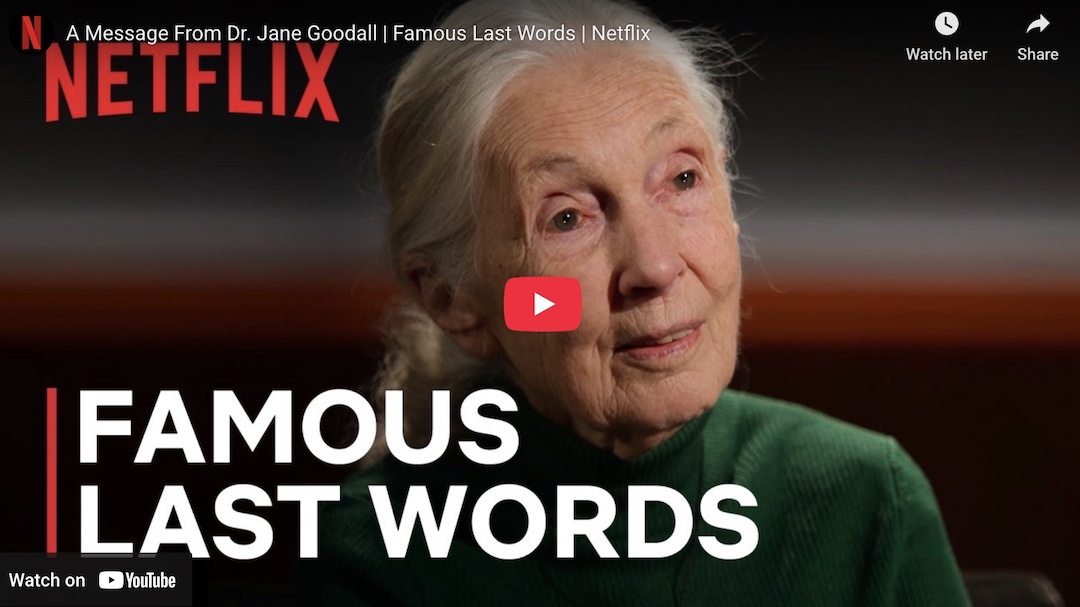
The Gentle Call to Self-Kindness
In her poignant reminder, "Be kind to yourself. The work needs you for a long time," Jane Goodall invites us to embrace a profound yet often overlooked truth: our inner dialogue shapes our capacity to contribute meaningfully to the world. This statement underscores the importance of self-compassion, suggesting that our ability to engage in the work we are passionate about is intimately tied to how we treat ourselves. In a culture that often glorifies relentless productivity, Goodall's words serve as a gentle nudge to prioritize our well-being, emphasizing that our contributions are most impactful when we are grounded in kindness towards ourselves.
Goodall's insight resonates deeply in a world where the pressures of achievement can overshadow our intrinsic worth. The notion that "the work needs you" implies a long-term commitment not only to our endeavors but also to our own health and happiness. This dual focus on self-kindness and sustained effort invites us to reflect on the balance between ambition and self-care, urging us to cultivate a nurturing relationship with ourselves as we strive to make a difference. In this light, her message becomes a call to honor our humanity, recognizing that our best work emerges from a place of self-acceptance and love.
The image / the metaphor
The imagery in Goodall's quote evokes a sense of nurturing and care, as if she is gently cradling the listener's spirit. The phrase "be kind to yourself" conjures a tender, almost maternal approach to self-treatment, suggesting that we should offer ourselves the same compassion we readily extend to others. The verbs "be" and "needs" imply a state of being that is both active and passive; we must actively choose kindness while recognizing that our well-being is essential for the longevity of our contributions. This delicate interplay between self-kindness and the demands of our work creates a rich tapestry of meaning, inviting us to explore how we can sustain ourselves in the face of life's challenges.
Diving deeper into the metaphor, we can see that Goodall's words reflect a broader ecological principle: just as ecosystems thrive when each element is nurtured, so too do our personal and professional lives flourish when we prioritize self-care. The idea that "the work needs you" suggests that our unique contributions are vital, yet they are only sustainable when we are in a state of balance. This metaphor extends beyond individual well-being; it speaks to the interconnectedness of all beings, reminding us that our capacity to serve the world is enhanced when we honor our own needs and limitations.
In the speaker's tradition
Jane Goodall's work is deeply rooted in the tradition of contemplative ecology, which emphasizes the interconnectedness of all life forms and the importance of nurturing both the environment and ourselves. This perspective aligns with concepts such as dharma, which speaks to our individual purpose and responsibility within the larger web of existence. Goodall's emphasis on kindness towards oneself resonates with the idea of kenosis, or self-emptying, where one must first cultivate inner peace and compassion before effectively engaging with the world. In this way, her message becomes a call to recognize that our personal well-being is integral to fulfilling our ecological and humanitarian duties.
In her writings and speeches, Goodall often references the importance of empathy and understanding in fostering a harmonious relationship with nature. This aligns with the Buddhist concept of sunyata, or emptiness, which invites us to let go of rigid self-identities and embrace a more fluid understanding of our place in the world. By practicing self-kindness, we can cultivate a sense of spaciousness within ourselves, allowing us to engage with the complexities of life with greater clarity and compassion. Goodall’s teachings echo the wisdom found in many contemplative traditions, reminding us that our inner landscape profoundly influences our external actions.
Living the teaching
Consider a modern scenario where the pressures of work and life converge, leading to feelings of overwhelm and self-doubt. In such moments, Goodall's call to kindness becomes a lifeline. Imagine a professional facing burnout, pushing through deadlines while neglecting their own needs. By choosing to practice self-kindness—perhaps through taking a break, engaging in a favorite hobby, or simply acknowledging their feelings—this individual can rejuvenate their spirit. This act of self-care not only benefits their mental health but also enhances their productivity and creativity, ultimately enriching the work they contribute to the world.
In relationships, the teaching of self-kindness can manifest in profound ways. When we are gentle with ourselves, we are better equipped to extend that kindness to others. Picture a moment of conflict with a loved one, where frustration and hurt feelings arise. By first practicing self-compassion—recognizing our own vulnerabilities and needs—we create space for empathy and understanding in the relationship. This shift allows for deeper connections and more constructive dialogues, illustrating how self-kindness can ripple outward, fostering harmony not only within ourselves but also in our interactions with others.
A reflection
As we contemplate Goodall's wisdom, we are invited to ask ourselves: How can I cultivate a kinder relationship with myself in the midst of my work and responsibilities? This question encourages us to reflect on our current practices and beliefs, challenging us to consider how self-kindness can transform our approach to both our personal and professional lives. In a world that often prioritizes achievement over well-being, this inquiry serves as a gentle reminder that our most meaningful contributions arise from a place of self-acceptance and love.