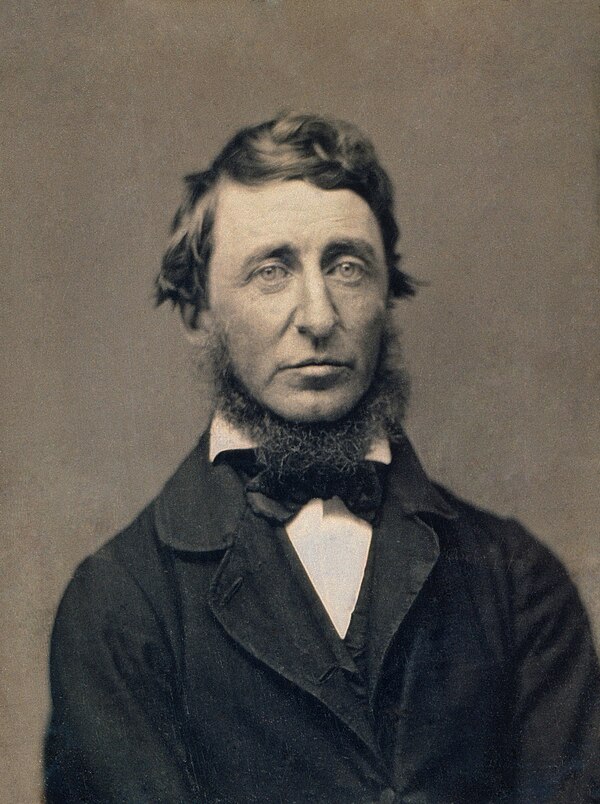
Henry David Thoreau's assertion, "I would rather have my feet in the field than in a king's palace," speaks to a profound preference for the simplicity and authenticity of nature over the artificial grandeur of societal power. This sentiment encapsulates a yearning for a life grounded in genuine experience rather than one dictated by status or material wealth. In a world increasingly enamored with luxury and prestige, Thoreau's words invite us to reconsider our values and the sources of our fulfillment.
At its core, this quote challenges us to reflect on what truly nourishes our spirit. Thoreau, a pivotal figure in the transcendentalist movement, emphasizes the importance of direct engagement with the natural world as a pathway to deeper understanding and personal growth. By choosing the fields over the palace, he advocates for a life of simplicity, connection, and authenticity, urging us to seek meaning in the unadorned beauty of our surroundings rather than in the fleeting allure of power and wealth.
The image / the metaphor
The imagery in Thoreau's quote is striking and evocative. The contrast between "the field" and "a king's palace" conjures a vivid dichotomy: one represents the raw, untamed essence of nature, while the other symbolizes the opulence and constraints of societal hierarchy. The choice of verbs—"have my feet in"—suggests a physical, embodied experience, emphasizing the importance of being rooted in the earth, feeling its textures, and engaging with its rhythms. This grounding in nature evokes a sense of freedom and vitality that is often absent in the sterile confines of wealth and power.
Diving deeper into the metaphor, we can interpret "the field" as a symbol of authenticity, where life unfolds in its most genuine form, unmediated by societal expectations. In contrast, "the king's palace" represents the trappings of success that can often lead to disconnection from one's true self. Thoreau's preference for the field over the palace serves as a reminder that true richness lies not in material possessions or status but in the experiences that connect us to the world around us. This metaphor invites us to explore where we place our own feet and what that choice reveals about our values and priorities.
In the speaker's tradition
Thoreau's perspective is deeply rooted in the transcendentalist tradition, which emphasizes the inherent goodness of nature and the importance of individual intuition. This philosophy aligns with concepts such as dharma, which speaks to one's true path or duty, and prajna, the wisdom that arises from direct experience. In choosing the field, Thoreau embodies the transcendentalist belief that personal insight and spiritual growth are best cultivated through immersion in nature rather than through adherence to societal norms or expectations.
In his seminal work, "Walden," Thoreau elaborates on these themes, advocating for a life of simplicity and self-sufficiency. He writes about the profound lessons learned from observing the natural world, illustrating how solitude and reflection can lead to deeper understanding. This text serves as a testament to the transformative power of nature, reinforcing the idea that true enlightenment often arises from our willingness to step away from the distractions of civilization and engage with the world in its most unrefined state.
Living the teaching
In our modern lives, the choice between the field and the palace can manifest in various ways. Consider the daily grind of urban life, where many find themselves ensnared in the pursuit of career advancement, social status, or material possessions. Imagine a person who, despite the allure of a prestigious job in a corporate office, chooses instead to work in a community garden, nurturing plants and connecting with neighbors. This choice reflects Thoreau's wisdom, as it prioritizes meaningful engagement with the earth and community over the hollow accolades of a high-powered position.
Another application of this teaching can be found in our relationships. In a world that often values superficial connections and social media validation, one might find themselves yearning for deeper, more authentic interactions. By choosing to invest time in meaningful conversations with friends or family—perhaps during a walk in nature rather than a lavish dinner—individuals can embody Thoreau's preference for the field. This shift not only enriches personal relationships but also fosters a sense of belonging and connection that transcends the fleeting nature of status and material wealth.
A reflection
As we contemplate Thoreau's assertion, we are invited to ask ourselves: Where do I choose to place my feet, and what does that reveal about my values? This question encourages introspection about our daily choices and the environments we inhabit. It prompts us to consider whether we are truly grounded in the richness of our experiences or if we are merely chasing the illusions of success and prestige. In this reflection, we may find the seeds of transformation, leading us toward a more authentic and fulfilling existence.