The Boundless Nature of Dharma
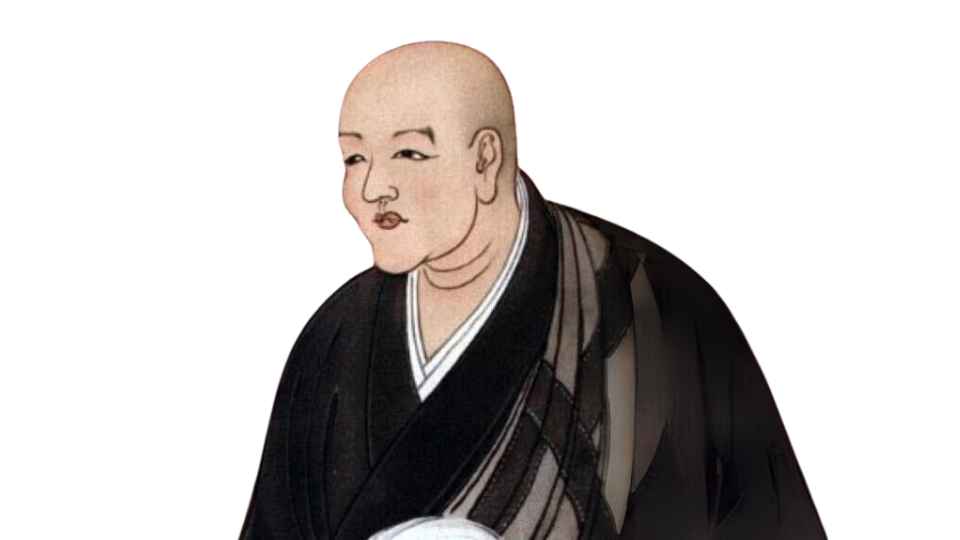
Dōgen's assertion, "When dharma does not fill your whole body and mind, you think it is already sufficient," invites us to reflect on the nature of our engagement with spiritual teachings. At first glance, it suggests a complacency that arises when we mistake partial understanding for completeness. This quote serves as a gentle yet profound reminder that true spiritual fulfillment is not merely a matter of intellectual grasp or superficial practice; it demands a total immersion of our being in the essence of dharma. The stakes are high: to remain in a state of sufficiency is to risk stagnation in our spiritual journey.
In a world often characterized by distraction and superficiality, Dōgen's words resonate deeply. They challenge us to examine the depth of our commitment to spiritual practice and the extent to which we allow dharma to permeate our lives. This inquiry is not merely academic; it is a call to action, urging us to cultivate a more profound relationship with the teachings that guide us. As we explore this quote, we will uncover layers of meaning that speak to the heart of Zen practice and the transformative potential of a life fully engaged with dharma.
The image / the metaphor
The imagery in Dōgen's quote evokes a sense of fullness and saturation. When he speaks of dharma filling our "whole body and mind," he conjures the idea of an experience that is all-encompassing, where every thought, feeling, and action is infused with the essence of spiritual truth. The verbs "fill" and "think" suggest a dynamic interplay between experience and perception, highlighting how our understanding of sufficiency can limit our spiritual growth. This metaphor of fullness invites us to consider what it means to be truly engaged with the teachings we hold dear.
In the speaker's tradition
Dōgen, a pivotal figure in the Zen tradition, emphasizes the importance of direct experience and the embodiment of dharma. His teachings often revolve around concepts such as "shikantaza," or "just sitting," which encourages practitioners to immerse themselves fully in the present moment. This practice aligns with the idea of kenosis, or self-emptying, where one relinquishes preconceived notions of sufficiency to embrace a deeper, more authentic experience of reality. In this context, dharma is not merely a set of teachings but a living, breathing force that demands our full attention and engagement.
In his seminal work, "Genjokoan," Dōgen articulates the relationship between practice and enlightenment, suggesting that the two are inseparable. He writes, "To study the Buddha Way is to study the self; to study the self is to forget the self." This profound insight echoes the sentiment of his quote, emphasizing that true understanding arises not from intellectual grasp but from a deep, embodied connection to the teachings. The journey toward enlightenment is one of continual deepening, where the realization of sufficiency can often be a hindrance rather than a goal.
Living the teaching
Consider a modern scenario where this teaching might resonate: a busy professional who engages in meditation but views it as a task to check off their list. They may feel satisfied with their practice, believing that their daily meditation is sufficient for spiritual growth. However, this sense of sufficiency can lead to a superficial engagement with the practice, preventing them from experiencing the transformative potential of a deeper commitment to dharma. By recognizing that true fulfillment requires more than a routine, they can begin to explore the depths of their practice, allowing dharma to fill their entire being.
In relationships, the concept of sufficiency can manifest in various ways. For instance, a couple may feel content with their communication patterns, believing that they have reached an adequate level of understanding. Yet, this complacency can hinder their ability to grow together. By embracing Dōgen's teaching, they can cultivate a deeper connection, recognizing that true intimacy requires ongoing exploration and vulnerability. In both personal and relational contexts, the challenge lies in moving beyond a sense of sufficiency to embrace the boundless nature of dharma.
A reflection
As we contemplate Dōgen's words, we are invited to ask ourselves: In what areas of my life do I feel a sense of sufficiency that may be limiting my growth? This question encourages a deep examination of our spiritual practices, relationships, and personal aspirations. By reflecting on where we may have settled for less than the fullness of experience, we open ourselves to the possibility of transformation and deeper engagement with the teachings that guide us. In this inquiry lies the potential for profound awakening and a richer, more meaningful life.


