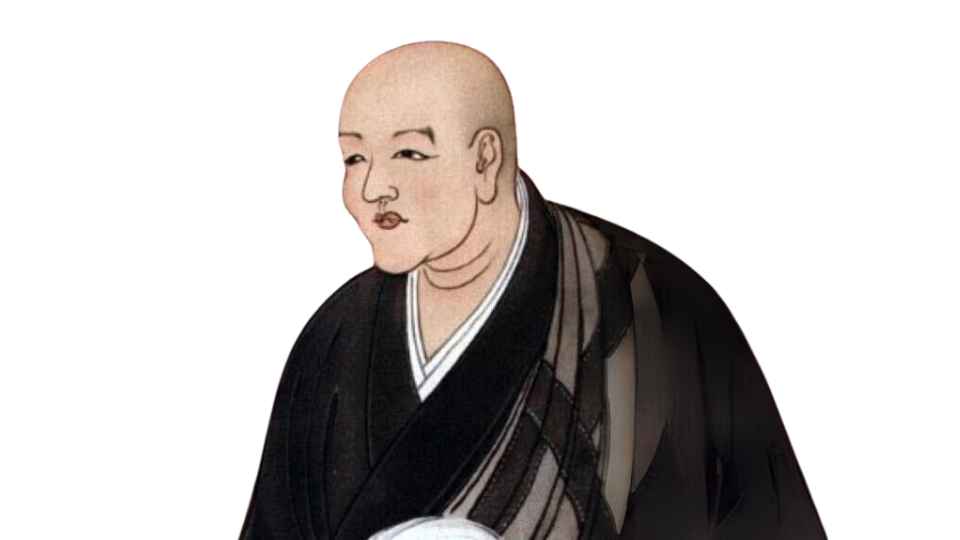
The Path to Total Realization: Dōgen's Insight
Dōgen's assertion, "It is the practice-realization of total culmination," invites us to explore the profound relationship between practice and realization within the Zen tradition. This statement emphasizes that the journey toward enlightenment is not merely a destination but a continuous unfolding of awareness and understanding. The stakes are high; in a world often obsessed with outcomes, Dōgen reminds us that the essence of spiritual practice lies in the process itself, where each moment of zazen (seated meditation) becomes a step toward total culmination.
In deepening our understanding of this quote, we recognize that Dōgen is not merely speaking of an abstract concept but is pointing to a lived experience. The term "total culmination" suggests a state of completeness that transcends dualistic thinking, inviting practitioners to engage fully with their practice. This realization is not a singular event but a dynamic interplay of effort and insight, where the act of sitting in meditation becomes a transformative journey toward awakening. Thus, Dōgen's words resonate with those who seek to integrate their spiritual practice into the fabric of daily life.
The image / the metaphor
The imagery in Dōgen's quote evokes a sense of wholeness and integration. The phrase "practice-realization" suggests that the act of practicing is inseparable from the realization of one's true nature. The verbs chosen—"practice" and "realization"—imply an active engagement with the present moment, where each breath taken during zazen is both a practice and a step toward understanding. This duality captures the essence of Zen, where the journey and the destination are one and the same, inviting practitioners to immerse themselves fully in their experience.
In the speaker's tradition
Within the Zen tradition, Dōgen's insights resonate with key concepts such as sunyata (emptiness) and prajna (wisdom). The notion of total culmination aligns with the understanding that enlightenment is not a fixed state but a fluid realization of our inherent nature. This perspective invites practitioners to let go of attachments to outcomes and embrace the present moment as it is. Dōgen's teachings often emphasize the importance of direct experience, where the practice of zazen serves as a gateway to the profound wisdom that lies within.
In his seminal work, "Shobogenzo," Dōgen elaborates on the relationship between practice and enlightenment, asserting that "to study the Buddha Way is to study the self." This statement encapsulates the essence of his teaching, where the act of sitting in meditation becomes a means of self-discovery and realization. By situating his insights within the broader context of Zen philosophy, we see that Dōgen is inviting us to engage deeply with our practice, recognizing that each moment of zazen is a step toward the total culmination of our being.
Living the teaching
Consider a modern scenario where Dōgen's teaching can be applied: a busy professional grappling with stress and anxiety. In the midst of deadlines and responsibilities, the individual may find solace in the practice of zazen. By dedicating time to sit quietly, they cultivate a sense of presence that allows them to navigate their challenges with greater clarity and calm. This practice-realization becomes a refuge, where the act of sitting transforms into a profound exploration of their inner landscape, leading to a deeper understanding of their responses to external pressures.
Another application of this teaching can be found in relationships, particularly during moments of conflict. When tensions arise, the practice of zazen can serve as a grounding force, enabling individuals to pause and reflect before reacting. By embodying the principles of total culmination, one can approach the situation with a sense of openness and compassion, recognizing that the resolution lies not in winning an argument but in understanding and connection. This practice-realization fosters a deeper bond, allowing both parties to engage authentically and move toward a shared understanding.
A reflection
As we contemplate Dōgen's profound insight, we are invited to reflect on our own relationship with practice and realization. How do we engage with our spiritual practices, and do we recognize them as integral to our journey toward total culmination? In what ways can we deepen our commitment to the present moment, allowing each breath and each experience to guide us toward a fuller understanding of ourselves and our place in the world? These contemplative questions can serve as a compass, directing us toward a more profound engagement with our practice and our lives.


