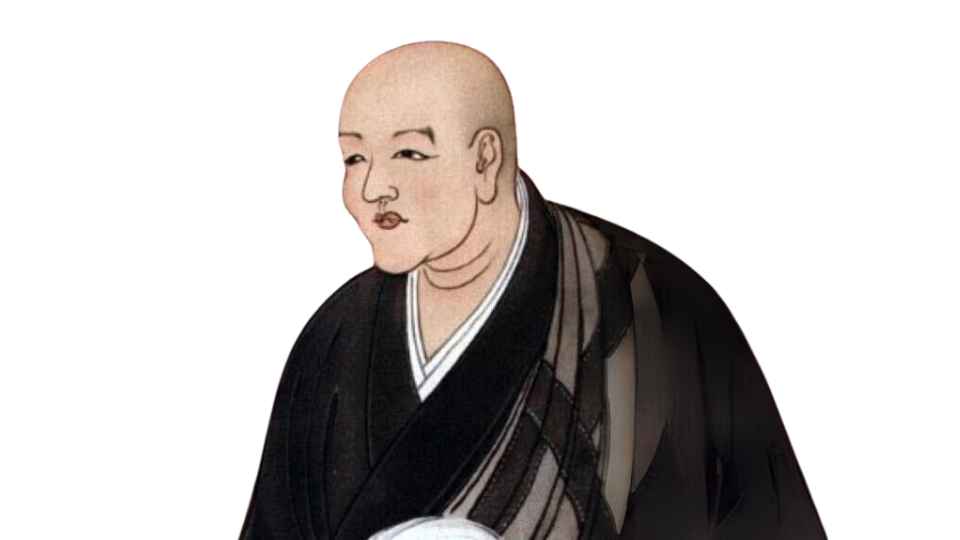
The Unfolding Now: Embracing the True Dharma
Dōgen's assertion that "the true Dharma is itself manifesting at this very moment" invites us to recognize the profound significance of the present. In a world often preoccupied with past regrets or future anxieties, this statement serves as a gentle reminder that the essence of truth and understanding is not found in distant horizons but in the immediacy of our current experience. This realization is not merely philosophical; it is a call to awaken to the richness of life as it unfolds before us.
To grasp the weight of Dōgen's words, we must delve into the nature of Dharma itself. It is not a static doctrine or a set of beliefs but a dynamic expression of reality that is continuously revealing itself. The invitation to witness this manifestation in the present moment is both liberating and challenging, urging us to cultivate a deep awareness of our surroundings, our thoughts, and our feelings. In this way, Dōgen beckons us to engage with life in its fullness, to see the sacredness in the ordinary, and to understand that every moment is an opportunity for insight and awakening.
The image / the metaphor
The imagery in Dōgen's quote is rich and evocative, suggesting a vibrant tapestry of existence that is constantly being woven. The term "manifesting" implies an active process, a dynamic unfolding rather than a static state. It evokes a sense of immediacy, as if the very fabric of reality is alive and breathing, inviting us to participate in its creation. This notion of manifestation is not merely about observation; it calls for engagement, urging us to immerse ourselves in the present moment with full awareness.
Dōgen's choice of words also hints at a deeper metaphorical landscape. The "true Dharma" can be seen as the essence of reality, the underlying truth that permeates all existence. By emphasizing that this truth is manifesting "at this very moment," he encourages us to recognize the sacredness of each instant. This perspective invites us to consider how our perceptions shape our understanding of reality and how, by being fully present, we can uncover the layers of meaning that lie hidden within our everyday experiences.
In the speaker's tradition
Within the Zen tradition, Dōgen's teachings resonate deeply with the concepts of presence and awareness. The Dharma, in this context, is not merely a set of teachings but the very essence of existence itself, often described in terms of sunyata, or emptiness. This emptiness is not a void but a space of potentiality, where the true nature of things can be perceived without the distortions of attachment or aversion. Dōgen's emphasis on the present moment aligns with the Zen practice of mindfulness, where each breath and each thought is an opportunity to touch the essence of the Dharma.
In his seminal work, "Shobogenzo," Dōgen elaborates on the nature of time and existence, suggesting that past and future are constructs that can obscure our understanding of the present. He writes, "To study the Buddha Way is to study the self; to study the self is to forget the self." This teaching underscores the importance of letting go of our preconceptions and being open to the unfolding of reality as it is, free from the filters of our habitual thinking. In this way, Dōgen invites us to engage with the true Dharma as it manifests in the here and now.
Living the teaching
Consider a modern scenario where Dōgen's teaching might resonate: a busy morning commute. As we navigate the crowded train or the bustling streets, it is easy to become lost in thoughts of the day ahead or the tasks that await us. Yet, if we pause to embrace the present moment, we may find beauty in the simple act of walking, the warmth of the sun on our skin, or the laughter of a child nearby. By practicing presence in these everyday moments, we begin to experience the true Dharma manifesting in our lives, revealing the interconnectedness of all beings and the sacredness of our shared existence.
In a more intimate context, consider a conversation with a loved one. Often, we may find ourselves distracted, thinking about our responses rather than truly listening. Dōgen's teaching encourages us to be fully present, to engage with our partner not just with our ears but with our hearts. By doing so, we create a space where genuine connection can flourish, allowing the true Dharma to manifest in the form of compassion, understanding, and love. In these moments, we are reminded that the essence of our relationships is rooted in our ability to be present with one another.
A reflection
As we contemplate Dōgen's profound insight, we are invited to ask ourselves: How can I cultivate a deeper awareness of the present moment in my daily life? This question encourages us to reflect on our habits, our distractions, and the ways in which we might be missing the richness of our experiences. By embracing this inquiry, we open ourselves to the possibility of transformation, allowing the true Dharma to manifest in our lives in ways we may have never imagined.


