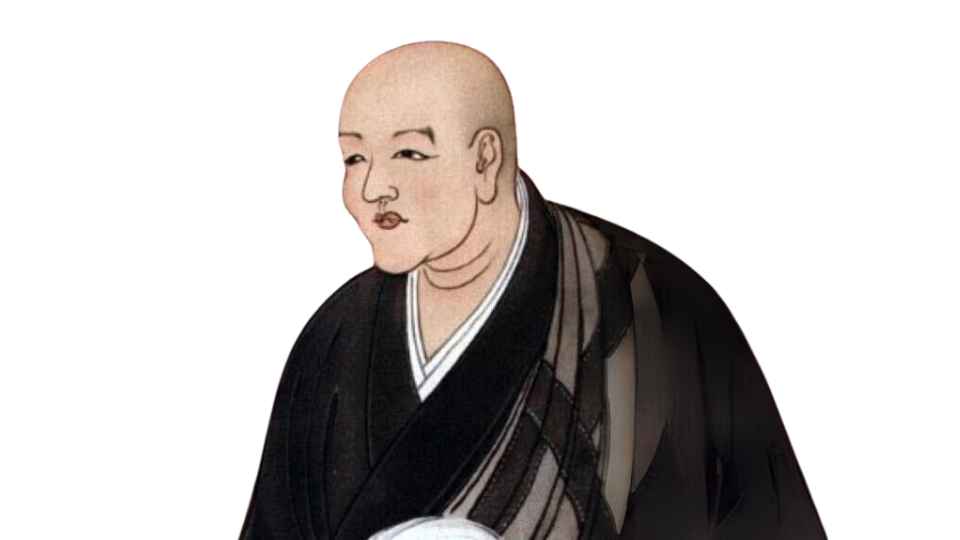
Embracing the Vastness: A Journey Through Reflection
Dōgen invites us to engage deeply with our reflections, urging us to consider both the expansive nature of the world around us and the profound depths of our inner selves. His words, "For each reflection, however long or short its duration, you should examine the breadth of the great water and the height of the great sky," suggest that every moment of contemplation is an opportunity to connect with the vastness of existence. This call to examination is not merely an intellectual exercise; it is a spiritual practice that can lead to greater awareness and understanding of our place within the cosmos.
In a world often characterized by distraction and superficiality, Dōgen's exhortation serves as a reminder of the importance of depth in our reflections. The "great water" and "great sky" symbolize the boundless possibilities of life and the infinite dimensions of our consciousness. By engaging with these elements, we are encouraged to look beyond the immediate and the mundane, to explore the depths of our experiences, and to cultivate a sense of connection with the universe. This practice of reflection is essential for personal growth and spiritual awakening.
The image / the metaphor
Dōgen's imagery of "great water" and "great sky" evokes a sense of vastness and depth that is both tangible and metaphorical. Water, with its fluidity and depth, represents the emotional and spiritual currents that flow through our lives, while the sky, expansive and limitless, symbolizes the potential for growth and understanding. The verbs "examine" and "reflect" suggest an active engagement with these elements, urging us to not only observe but to delve into the meaning and significance of our experiences. This duality of water and sky invites us to consider both our inner landscapes and the outer world, creating a holistic approach to reflection.
Delving deeper into the metaphor, we can see that water is often associated with the subconscious, the depths of our emotions, and the fluidity of thought. In contrast, the sky represents clarity, openness, and the vast potential of the mind. Together, they create a dynamic interplay that encourages us to explore the relationship between our inner and outer worlds. By examining both the depths of our feelings and the heights of our aspirations, we can cultivate a more integrated understanding of ourselves and our place in the universe.
In the speaker's tradition
Within the Zen tradition, Dōgen's teachings emphasize the importance of direct experience and the realization of one's true nature. Concepts such as sunyata (emptiness) and prajna (wisdom) resonate with the idea of examining the breadth and height of our reflections. Sunyata invites us to recognize the interconnectedness of all things, while prajna encourages us to cultivate insight into the nature of reality. Dōgen's call to reflection aligns with these principles, urging practitioners to engage deeply with their experiences and to uncover the wisdom that lies within.
A relevant text that echoes Dōgen's sentiments is the "Heart Sutra," which speaks of the emptiness of all phenomena and the profound insight that arises from understanding this emptiness. Just as the sutra invites us to look beyond the surface of our experiences, Dōgen's exhortation encourages us to explore the depths of our reflections. Both teachings remind us that true understanding comes from a willingness to engage with the complexities of existence and to embrace the vastness of our inner and outer worlds.
Living the teaching
Consider a modern scenario where this teaching can be applied: a busy professional grappling with the demands of work and personal life. In moments of stress, taking a pause to reflect on the "great water" of their emotions and the "great sky" of their aspirations can provide clarity and perspective. By allowing themselves to examine their feelings and thoughts, they may uncover deeper motivations and desires that inform their choices. This practice of reflection can lead to a more balanced approach to life, fostering a sense of peace amidst chaos.
In a different context, imagine a relationship facing challenges. By engaging in open and honest reflection, both partners can explore the depths of their feelings and the heights of their hopes for the relationship. This process of examination can reveal underlying issues and aspirations, allowing for a deeper understanding of one another. By embodying Dōgen's teaching, they can cultivate a more compassionate and connected partnership, transforming their challenges into opportunities for growth.
A reflection
As we contemplate Dōgen's profound words, we are invited to consider: How can we cultivate a practice of reflection that embraces both the vastness of our experiences and the depths of our emotions? This question encourages us to explore our own relationship with reflection, inviting us to engage more fully with the world around us and within us. In doing so, we may discover new insights and a deeper connection to the essence of our being.


