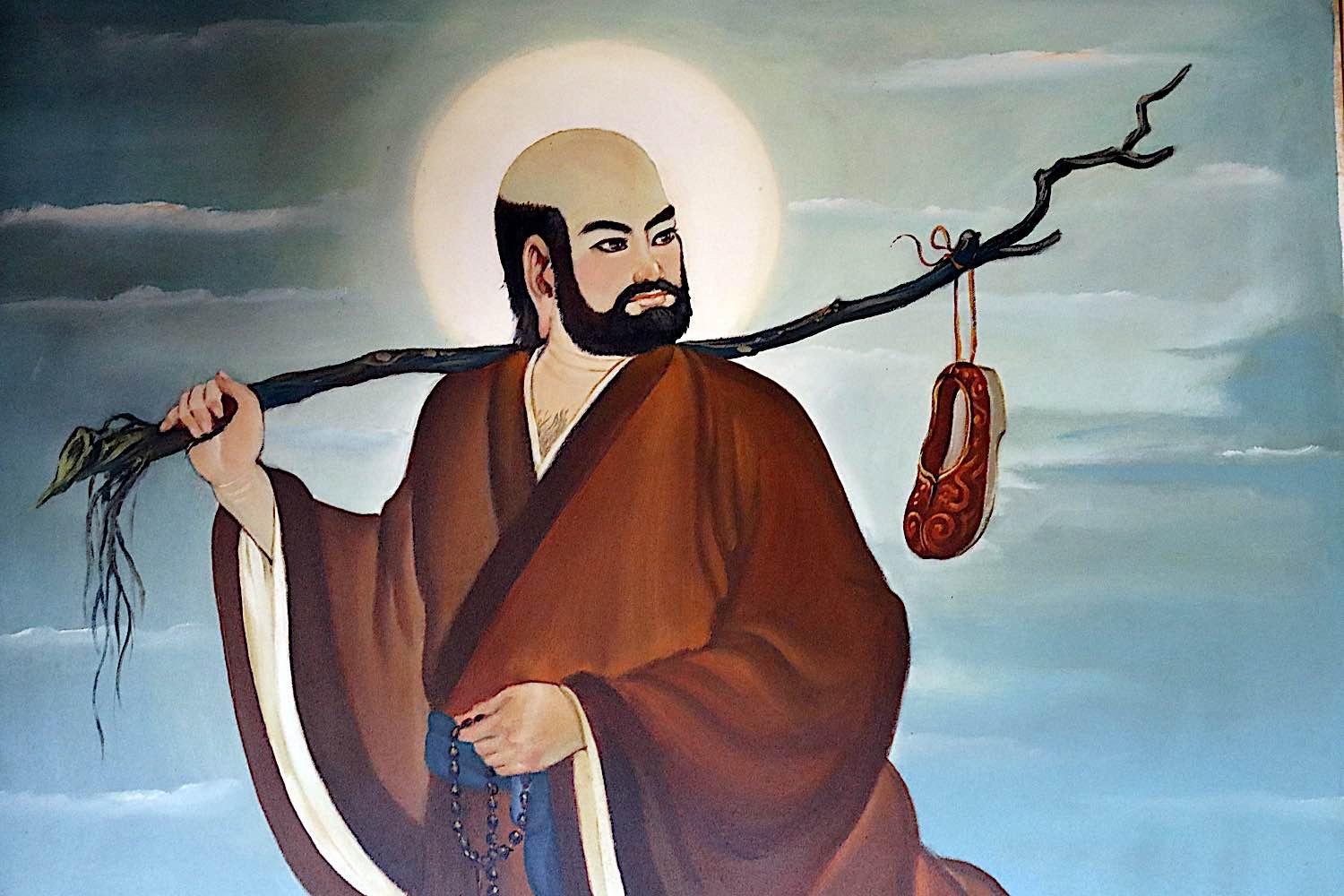
The Ever-Present Nature of Awakening
Bodhidharma's assertion, "It is always there," invites us to contemplate the omnipresence of our inherent Buddha-nature. This statement serves as a profound reminder that the essence of enlightenment is not a distant goal to be achieved but a reality that exists within us at all times. Understanding this truth can transform our spiritual journey, shifting our focus from seeking external validation to recognizing the innate wisdom and clarity that resides within.
In a world often characterized by distraction and disconnection, Bodhidharma's words resonate deeply. They challenge us to look inward, to cultivate a sense of presence that acknowledges the eternal nature of our being. This teaching encourages us to embrace the idea that enlightenment is not a fleeting experience but a constant state of awareness that we can access at any moment. By recognizing that "it is always there," we can begin to dissolve the barriers that separate us from our true selves.
The image / the metaphor
The phrase "It is always there" evokes a sense of steadfastness and reliability. The use of the word "always" suggests an unchanging presence, a constant backdrop against which the drama of life unfolds. This imagery invites us to consider the nature of our own awareness—how often do we overlook the quiet, ever-present essence of our being in the midst of our busy lives? The verb "is" emphasizes existence itself, urging us to recognize that our Buddha-nature is not something to be attained but rather something that simply is.
Diving deeper into the metaphor, we can see that Bodhidharma's teaching points to a profound truth about the nature of reality. Just as the sky remains unchanged regardless of the weather, our Buddha-nature persists beneath the layers of our thoughts, emotions, and experiences. This metaphor encourages us to peel back the distractions and illusions that cloud our perception, revealing the clarity and peace that have always been present. In this way, the quote serves as an invitation to cultivate a deeper awareness of our true nature.
In the speaker's tradition
Bodhidharma, the legendary founder of Zen Buddhism, emphasizes the concept of Buddha-nature as a fundamental aspect of his teachings. This idea posits that every sentient being possesses the potential for enlightenment, a truth that is often obscured by ignorance and attachment. In Zen, this understanding is closely related to the practice of mindfulness and the cultivation of presence, which allows us to experience the fullness of our being. The notion of "kenosis," or self-emptying, also resonates here, as it suggests that by letting go of our preconceived notions and desires, we can access the inherent wisdom that is always available to us.
In the context of Bodhidharma's teachings, we can draw parallels to the concept of "sunyata," or emptiness, found in Mahayana Buddhism. This idea teaches us that our perceptions of self and other are often clouded by illusion, and that true understanding arises when we recognize the interconnectedness of all things. The Bloodstream Sermon, from which this quote is derived, serves as a foundational text that articulates these principles, guiding practitioners toward a direct experience of their own Buddha-nature.
Living the teaching
Consider a modern scenario where this teaching can be applied: a busy professional feeling overwhelmed by the demands of work and life. In the midst of deadlines and responsibilities, it is easy to lose sight of the calm center that exists within. By taking a moment to breathe and reconnect with the understanding that "it is always there," this individual can cultivate a sense of presence that allows them to navigate their challenges with greater ease and clarity. This practice of grounding oneself in the moment can transform stress into a more manageable experience.
Another application of this teaching might arise in the context of relationships. Imagine a moment of conflict between partners, where misunderstandings and emotions run high. By remembering that their inherent Buddha-nature is always present, both individuals can approach the situation with compassion and understanding. This awareness can foster a deeper connection, allowing them to communicate more openly and resolve their differences with grace. In both scenarios, the recognition of our constant Buddha-nature serves as a powerful tool for navigating the complexities of life.
A reflection
As we contemplate Bodhidharma's profound statement, we are invited to reflect on our own experience of presence. How often do we overlook the inherent wisdom and clarity that reside within us? In moments of distraction or turmoil, can we pause and remember that "it is always there"? This contemplation encourages us to cultivate a deeper awareness of our true nature, inviting us to explore the richness of our being in every moment.
