



What is Tantra Yoga?
Tantra Yoga is a broad term for yogic practices rooted in the Tantric traditions of South Asia. These are Hindu (Shaiva and Shakta) and Buddhist movements that emerged in the first millennium CE. Their methods include mantra, visualization of deities, ritual, breath and energy practices, initiation (diksha), and meditation. They treat the body and the phenomenal world as a means of realization, not as something to be renounced. Anyone asking “what is tantra yoga” will find that the term is used in several ways. Scholars use it for a historical body of ritual and yogic technique. Modern teachers often use it for a contemporary practice that stresses presence, sensation, and energy. Popular culture often reduces it to sexuality, which misrepresents the tradition.
The tantra yoga meaning depends partly on lineage. In non-dual Kashmir Shaivism, the world is understood as an expression of a single consciousness (Shiva), and practice aims at recognizing this directly. In Tibetan Buddhist Vajrayana, practice centers on deity yoga and the completion-stage work described in texts such as the Hevajra Tantra and the Guhyasamaja Tantra.
Origins & lineage
Tantric texts and practice communities appear in the historical record from roughly the 5th to 7th centuries CE and flourish through the medieval period. Early Shaiva scriptures include the Svacchanda Tantra and the Netra Tantra. Kaula and related traditions, which worked with Shakti and the goddess, developed alongside them. Buddhist Tantras such as the Guhyasamaja and Hevajra were composed in India and later carried to Tibet, where they became the basis of Vajrayana. The Six Yogas of Naropa are one well-known Tibetan system drawn from this stream.
The Kashmiri philosopher Abhinavagupta (c. 950-1016) gave the non-dual Shaiva tantras their most systematic form, notably in the Tantraloka. The Vijnana Bhairava Tantra, a short text outlining 112 meditation methods, is often cited by modern teachers. Tantric ideas also shaped Hatha Yoga. Texts such as the Hatha Yoga Pradipika (attributed to Svatmarama, 15th century) use the language of kundalini, channels (nadis), and energy centers (chakras) that is Tantric in origin.
Scholars such as Alexis Sanderson, David Gordon White, and Hugh Urban have documented how varied this material is. Some early practices involved transgressive rites, such as the use of impure substances in cremation-ground settings. Scholars debate how literally these were practiced and how they were later interpreted symbolically.
In the West, interest grew through Sir John Woodroffe (writing as Arthur Avalon), whose translations and studies, including The Serpent Power (1919), introduced Tantric texts to English readers. In the 1960s and 1970s, Osho and others popularized what is often called neo-tantra, which emphasizes sexuality and celebration. Yogi Bhajan taught a practice he called White Tantric Yoga in the Kundalini Yoga tradition he brought to the United States in 1969. It is done in pairs, with seated meditation, mantra, and breath, and no sexual content.
How it’s practiced
Classical practice is transmitted through a teacher and usually begins with initiation. Its core methods include mantra repetition, visualization of deities or of subtle energy, ritual offerings, and pranayama. Meditation on the chakras and on the central channel (sushumna) is common. Postures and gestures (asana, mudra, bandha) are used where the lineage includes them.
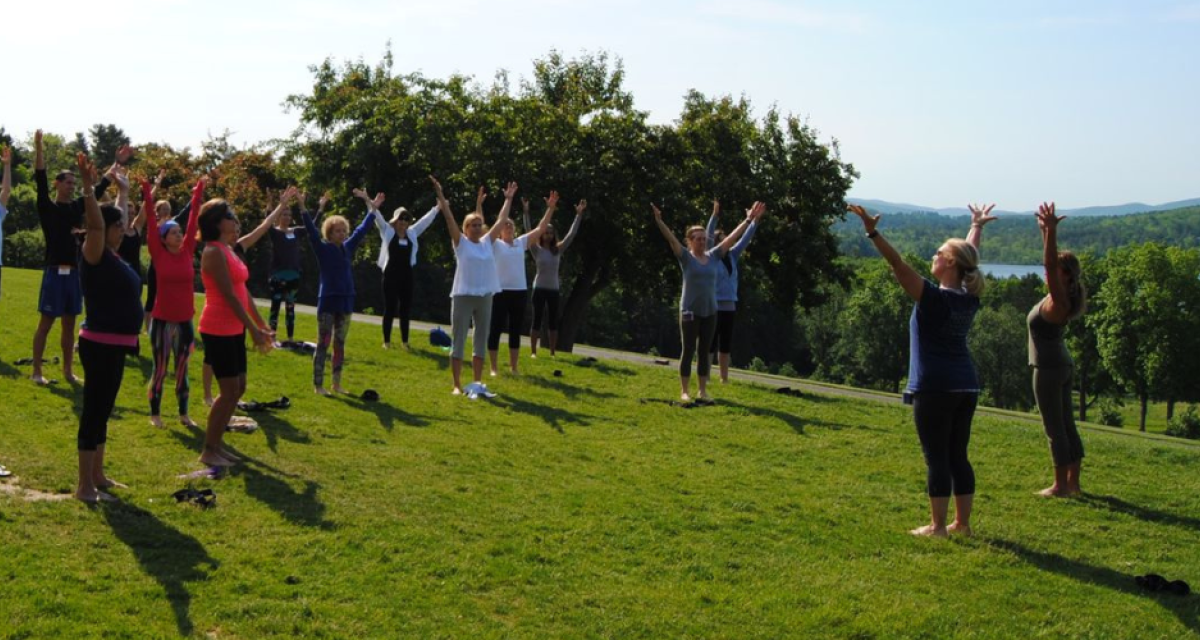
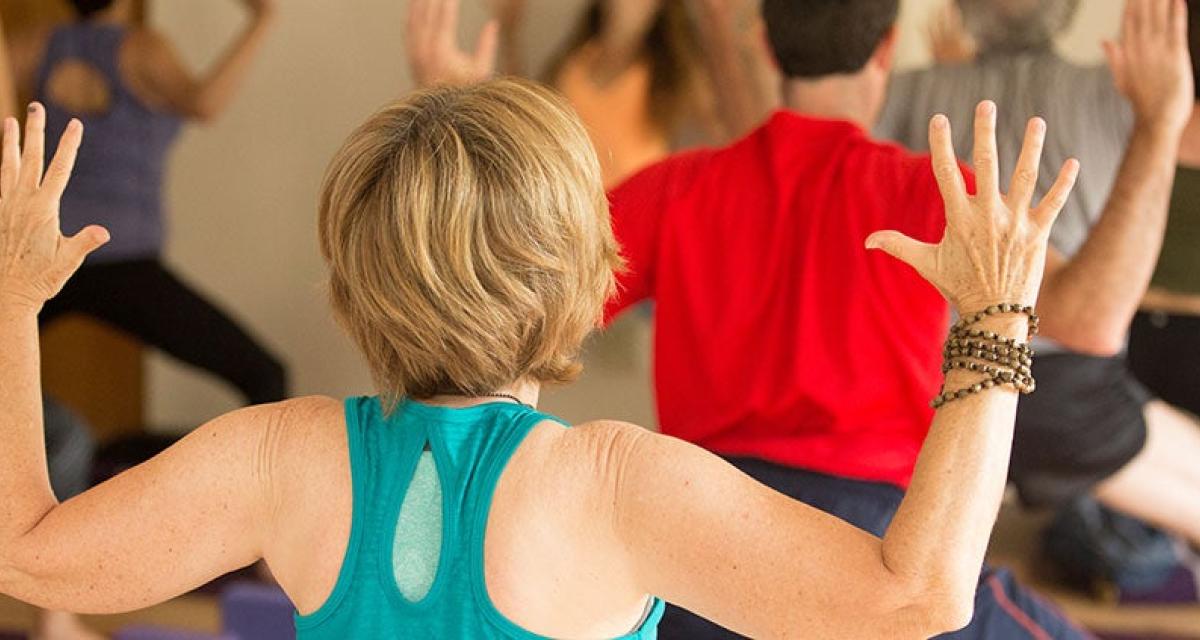
In modern classes, a session might combine slow movement, breath work, chanting, and extended periods of attention to bodily sensation. Practice often feels subtle: warmth, tingling, or a shift in attention. Some formats involve partner exercises, such as eye-gazing or synchronized breathing, typically clothed and non-sexual. Other formats are explicitly about intimacy. Seekers should ask what a particular teacher means by the word.
Tantra Yoga today
Seekers now meet Tantra Yoga in several settings: weekend workshops and retreats, studio classes, online courses, recorded guided practices, and academic or lineage-based study. Kashmir Shaiva teachers, Tibetan Buddhist centers, Kundalini Yoga communities, and neo-tantra facilitators each offer a different thing under similar names.
Quality varies. There is no single governing body or standard credential. Training in a recognized lineage, transparency about methods, and clear consent practices are reasonable things to look for. Within the field, practitioners disagree about whether neo-tantra is a legitimate modern adaptation or a departure from the tradition.
Common misconceptions
- Tantra is not simply sex. Sexual ritual exists in some historical streams, but most Tantric practice is non-sexual. Many Tantric lineages are celibate or monastic.
- There is no single Tantra Yoga. The term covers Hindu and Buddhist traditions with different goals and philosophies.
- It is not a casual set of techniques. Traditional lineages stress initiation, ethical preparation, and guidance from a teacher.
- It is not only ancient. The tradition has changed over centuries, and modern forms are partly Western creations.
- It is not a medical therapy. Claims about curing illness or dysfunction are not supported by the classical sources.
How to begin
For a historical introduction, Georg Feuerstein’s Tantra: The Path of Ecstasy gives a practitioner-friendly overview. Hugh Urban’s Tantra: Sex, Secrecy, Politics, and Power in the Study of Religion (2003) is a critical scholarly account. For tantra yoga for beginners, a good first step is a class in a defined lineage. Examples are a Kundalini Yoga class, a Kashmir Shaivism study group, or an introductory Vajrayana course. Look for a teacher who can name their lineage and training. Begin with simple practices such as breath awareness and mantra, and set aside advanced techniques until you have guidance.