What is a DJ Set?
A DJ set is a performance in which a disc jockey (DJ) mixes and plays pre-recorded music live for an audience. The DJ curates a selection of tracks—whether on vinyl, CDs, or digital files—and uses equipment such as turntables, mixers, or controllers to blend them into a continuous, cohesive sonic flow. The essential distinction: a DJ set involves mixing existing recordings, not creating music live. During the performance, the DJ employs techniques like beatmatching, crossfading, and EQ adjustment to maintain energy, build atmosphere, and respond dynamically to the crowd’s mood.
Origins & Lineage
The roots of DJ culture extend to Jamaican sound system culture in the 1960s, where DJs manipulated records through techniques like the rewind and extended breakbeats. In the United States, radio DJs in the 1960s—including Bill Curtis at WUFO—began manipulating records by slowing them down, repeating sections, and talking over tracks. Terry Noel, resident DJ at New York’s Arthur nightclub, is credited as the first DJ to introduce primitive mixing, using a simple volume dial for each turntable.
The art form crystallized in the 1970s in the Bronx, where DJ Kool Herc developed the “breakbeat” technique—isolating and looping percussive breaks to extend danceable moments. Herc originated the concept of the DJ as the centerpiece of the party, subject to both technical and entertainment scrutiny. Grandmaster Flash refined turntable techniques throughout the decade, innovating the slip mat (replacing rubber with felt for smoother manipulation) and introducing showmanship elements. Grand Wizzard Theodore, an apprentice of Flash, accidentally discovered scratching, the most recognizable turntablism technique.
The term “turntablist,” distinguishing DJs who physically manipulate records as a creative act from those who simply play them, was coined by Luis “DJ Disk” Quintanilla and popularized in 1995 by DJ Babu of the Beat Junkies. The practice expanded globally through clubs, radio, and festivals, while the introduction of digital vinyl systems (DVS) like Serato in the 2000s allowed DJs to manipulate digital files with vinyl-style control. The first mass-market direct drive turntable, the Technics SP-10, released in the early 1970s, made modern DJing technically possible by providing a durable motor that could withstand manipulation.
How It’s Practiced
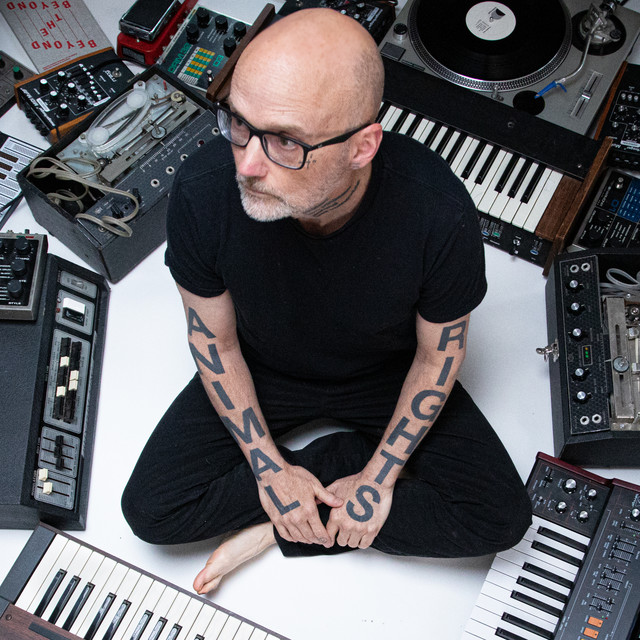
A DJ set typically unfolds over one to eight hours, with one to two hours being standard in most venues. The DJ stands or sits behind equipment—traditionally two turntables and a mixer, or modern equivalents like DJ controllers and laptops running software such as Rekordbox, Serato, or Traktor. Using headphones, the DJ cues the next track privately, matching its tempo (BPM) to the currently playing song through beatmatching. The mixer allows blending of volume levels, EQ frequencies (bass, mid, treble), and effects like reverb, delay, or filters.
Club DJ sets emphasize live interaction, with the DJ constantly reading the crowd—monitoring body language, energy levels, and reactions—to adjust track selection dynamically. Festival DJ sets may feature longer durations and more diverse genres tailored to larger, varied audiences. Radio DJ sets often include spoken introductions, interviews, or curated thematic playlists. Battle DJ sets are competitive showcases emphasizing technical skill, scratching, and beat juggling.
The DJ’s role extends beyond technical execution: they are simultaneously music curator, crowd psychologist, and sonic architect, responsible for maintaining atmosphere, building energy arcs, and creating a sense of journey. Preparation involves hours spent organizing digital libraries by genre, mood, tempo, and key; rehearsing transitions; and researching the venue and audience to tailor the performance.
DJ Set Today
DJ sets are ubiquitous across contemporary music culture. In nightclubs worldwide, resident and guest DJs perform nightly, spanning genres from techno and house to hip-hop and drum & bass. At music festivals—both mainstream events like Coachella and Tomorrowland, and transformational festivals like Lightning in a Bottle and Boom Festival—DJ sets anchor lineups alongside live performances.
Within conscious and spiritual communities, DJ sets have found particular resonance. Ecstatic dance—a freeform conscious dance practice—centers on the DJ as a key facilitator. During ecstatic dance sessions, which typically last 90 minutes to two hours, the DJ improvises a live musical journey through diverse genres (ambient, tribal, electronic, world music), creating a wave-like arc from gentle beginnings through energetic peaks to stillness. These DJ sets prioritize emotional resonance, atmospheric depth, and the creation of a container for embodied spiritual practice. Ecstatic dance DJs often describe their role as creating space for dancers to access flow states, catharsis, and connection.
Modern ecstatic dance was shaped by Max Fathom in the early 2000s, who integrated electronic music into conscious dance after experiencing it at Burning Man. Tyler Blank and Donna Carroll further developed the Oakland Ecstatic Dance community in 2008, emphasizing the DJ-led, community-centered structure. Today, over 700 registered ecstatic dance communities exist globally, each anchored by skilled DJs who understand how to craft sonic journeys that support transformation.
Pre-recorded DJ sets are widely distributed via platforms like SoundCloud, Mixcloud, and YouTube, allowing DJs to reach global audiences. Streaming radio shows and podcasts feature DJ sets as regular programming. Mobile DJs bring the practice to weddings, corporate events, and private parties.
Common Misconceptions
A DJ set is not a live set. This distinction is crucial in electronic music culture. A live set involves the performer creating or manipulating music in real-time using instruments, drum machines, synthesizers, samplers, or software like Ableton Live. A DJ set uses pre-recorded tracks. When event listings specify “DJ Set” next to an artist’s name—particularly for musicians known for live performances—this clarifies that the artist will be mixing existing recordings, not performing with instruments or production hardware.
A DJ set is not a playlist. Unlike a static, pre-programmed sequence of songs, a DJ set is fluid, improvisational, and responsive. The DJ makes real-time decisions based on crowd energy, adjusting tempo, genre, and mood dynamically. Even when DJs prepare extensively, the actual performance involves moment-to-moment creative choices.
DJ sets are not “just pressing play.” The skill required to read a crowd, maintain seamless mixing for hours, and create emotional arcs through music selection demands years of practice, deep musical knowledge, and technical proficiency. Advanced techniques like beat juggling, scratching, harmonic mixing, and on-the-fly remixing require significant artistry.
Finally, DJ sets are not inherently superior or inferior to live sets in quality. Both are valid forms of musical performance with different technical demands and creative possibilities.
How to Begin
For those drawn to experiencing DJ sets within conscious or spiritual contexts, seek out local ecstatic dance, 5Rhythms, or conscious dance communities. Many cities host weekly or monthly gatherings. Organizations like the Ecstatic Dance Community Foundation maintain global directories. Attend transformational festivals—events like Beloved (Oregon), Envision (Costa Rica), or regional Burning Man gatherings—where DJ sets are integrated into holistic, participatory experiences.
To understand DJ culture more deeply, explore recorded sets on SoundCloud or Mixcloud. Search for specific genres or DJ names mentioned in conscious communities: DJs like Blase, Leah Zaeske, and Rire (DK R.I.A) are known for transformational festival sets that blend global bass, organic house, and tribal rhythms.
For those interested in learning to DJ, invest in beginner equipment (a basic two-channel controller like the Pioneer DDJ-400 or Numark Mixtrack) and software (Rekordbox or Serato). Online tutorials and DJ schools offer structured learning paths. The foundational skills—beatmatching, phrasing, EQ mixing—require consistent practice but are accessible to dedicated students. Join online DJ communities or local collectives to connect with mentors.
For seekers specifically interested in DJing for conscious or ecstatic dance contexts, study the arc of a journey set: how to build from stillness through activation to peak and back to integration. Attend facilitator trainings offered by ecstatic dance organizations, which often include DJ-specific modules on music selection, reading energy, and holding ceremonial space through sound.