




What is Chenrezig Mantra?
The Chenrezig mantra is the six-syllable Sanskrit invocation Om Mani Padme Hum (Tibetan: Om Mani Peme Hung), widely regarded as the most recited mantra in Tibetan Buddhism. It is the sonic embodiment of Chenrezig—known in Sanskrit as Avalokiteshvara—the Bodhisattva of infinite compassion who vowed to liberate all sentient beings from suffering. Though often translated as “Hail to the Jewel in the Lotus” or “The Jewel is in the Lotus,” the mantra’s meaning is multilayered: it represents the union of method (compassion) and wisdom, the transformation of impure body, speech, and mind into enlightened states, and the condensed essence of the Buddha’s entire teachings. Recited aloud, whispered, or silently contemplated, the mantra is believed to purify negative karma, cultivate loving-kindness, and open the heart to the bodhisattva’s boundless mercy.
Origins & Lineage
The Chenrezig mantra first appears in the Kāraṇḍavyūha Sūtra, a Mahayana Buddhist scripture composed around the 4th–5th century CE, where it is called the sadaksara (six-syllabled) and the paramahrdaya, the “innermost heart” of Avalokiteshvara. According to the sutra, the mantra was revealed to Avalokiteshvara himself as a powerful means of liberation. By the 7th–8th century CE, when Buddhism spread from India to Tibet, Om Mani Padme Hum had become the spiritual backbone of Himalayan practice. Tibetan king Songtsen Gampo, regarded as an emanation of Chenrezig, helped establish the mantra in Tibetan culture. The lineage of the Dalai Lamas—each considered a living incarnation of Chenrezig—has reinforced its centrality. Every Tibetan child learns the mantra from their parents, and it permeates daily life: carved on stones, printed on prayer flags, spun in prayer wheels, and chanted during circumambulation (kora) and meditation.
How It’s Practiced
Practitioners recite the Chenrezig mantra during formal meditation sessions, deity visualization practices (sadhana), and throughout daily activities—while walking, commuting, or facing difficulty. Traditional pronunciation varies: in Sanskrit, it is closer to “Ohm Mah-nee Pahd-may Hoom”; in Tibetan, “Om Mani Peh-meh Hung.” The mantra can be chanted aloud, whispered, or repeated silently in the mind. Practitioners often use a mala (108-bead rosary) to count repetitions, aiming for 108, 1,080, or even hundreds of thousands of recitations over a lifetime. Many Tibetan Buddhists integrate the mantra into Chenrezig sadhana practice—visualizing the four-armed or thousand-armed form of the bodhisattva, radiating compassionate light while reciting the six syllables. Each syllable is understood to correspond to one of the six realms of existence (gods, demigods, humans, animals, hungry ghosts, hell beings) and to purify the afflictions associated with each realm. The practice requires no formal empowerment (wang) to begin, though receiving the blessing of a qualified teacher deepens its impact.
Chenrezig Mantra Today
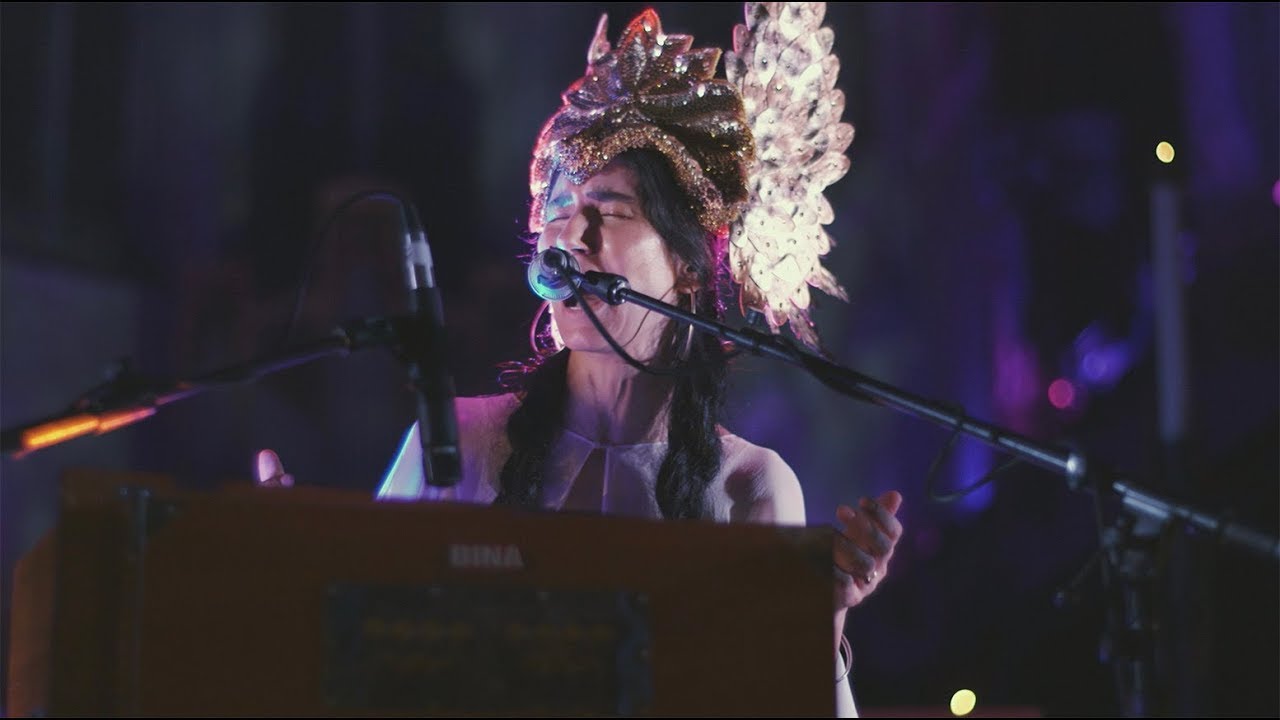
Contemporary seekers encounter the Chenrezig mantra in Tibetan Buddhist centers worldwide, meditation retreats, recordings by artists like Deva Premal and Imee Ooi, and mantra chanting circles (kirtan-style or silent meditation formats). It is inscribed on jewelry, carved into Himalayan mountainsides, and displayed on prayer flags across Nepal, Bhutan, and the Tibetan plateau. Online platforms offer guided mantra meditations, and teachers such as Lama Zopa Rinpoche and Dilgo Khyentse Rinpoche have written extensively on its meaning. In the West, the mantra has been adopted by mindfulness practitioners, yoga communities, and sound healing facilitators, though traditional Tibetan Buddhist lineages emphasize understanding the mantra’s deeper significance beyond its sonic beauty. His Holiness the 14th Dalai Lama frequently teaches on Om Mani Padme Hum, calling it “very good to recite” while urging practitioners to contemplate its meaning.
Common Misconceptions
The Chenrezig mantra is not a magic spell that automatically grants wishes or removes obstacles without inner transformation. While Tibetans pray to Chenrezig for health, safe travel, and worldly success, the mantra’s true purpose is liberation from the mental afflictions—desire, anger, ignorance, pride, jealousy—that bind beings to suffering. It is not necessary to pronounce the mantra with flawless Sanskrit diction; Tibetan teachers affirm that sincere intention matters far more than phonetic perfection. The mantra does not belong exclusively to monastic practitioners—it is open to anyone moved to recite it, regardless of formal Buddhist refuge vows. Scholars debate the literal translation: some parse “mani padme” as a vocative address to a deity named “Jewel-Lotus,” others as “jewel in the lotus.” Tibetan tradition has largely bypassed these debates, focusing instead on the syllables’ symbolic correspondence to the six perfections (generosity, ethics, patience, diligence, concentration, wisdom) and the transformation of ordinary consciousness into enlightened awareness.
How to Begin
To begin practicing the Chenrezig mantra, locate a recording by a traditional Tibetan teacher or monastery to hear authentic pronunciation (Tibetan or Sanskrit). Sit comfortably, take a few breaths, and set the intention to cultivate compassion for all beings. Begin by reciting aloud 108 times (one full mala), allowing the sound to settle in your body. Over time, transition to silent repetition, weaving the mantra into daily moments—washing dishes, waiting in line, before sleep. For deeper study, read The Meaning of Om Mani Padme Hum by His Holiness the Dalai Lama or explore Chenrezig sadhana practice under the guidance of a qualified Tibetan Buddhist teacher. Attend a Chenrezig retreat at centers such as Chenrezig Institute (Australia), Kopan Monastery (Nepal), or Shambhala centers worldwide. Listen to recordings by Krishna Das, Lama Gyurme, or Ani Choying Drolma. Above all, remember that the mantra is not separate from your own compassionate nature—it is the jewel already within the lotus of your heart.