


What is Bolero?
Bolero is a genre of slow-tempo Latin music and dance that originated in Spain during the late 18th century. Characterized by its distinctive 3/4 time signature and a steady, hypnotic rhythmic pattern, bolero combines elements of Spanish dance traditions with African and Cuban influences. The form is known for its gradual crescendo structure, repetitive melodic phrases, and emotionally expressive quality. While bolero exists as both a social dance and a concert music tradition, it gained worldwide recognition through Maurice Ravel’s 1928 orchestral composition “Boléro,” which exemplifies the form’s capacity for trance-inducing repetition and incremental build.
Origins & Lineage
Bolero emerged in Spain around 1780, with dancer Sebastiano Cerezo often credited as its creator or early popularizer. The Spanish bolero developed from earlier Iberian dance forms including the seguidilla and fandango, incorporating the zapateado (rhythmic footwork) and castanets. By the early 19th century, the form had spread throughout Spanish territories and undergone transformation in the Americas.
In Cuba during the 1880s-1890s, bolero evolved into a distinct genre when trovador (troubadour) musicians adapted the Spanish form into a slower, romantic song style, typically in 2/4 time. Cuban composer José “Pepe” Sánchez wrote “Tristezas” around 1885, widely considered the first Cuban bolero. This Cuban variant emphasized lyrical content exploring themes of love, loss, and longing, becoming the foundation for what musicologists call “bolero romántico.”
The Mexican bolero tradition emerged in the 1920s-1930s, with composers like Agustín Lara and María Grever creating a more orchestrated, theatrical style. Ravel’s “Boléro” (1928), premiered at the Paris Opéra, introduced global audiences to the form’s meditative, repetitive structure, though it represented an art-music interpretation rather than traditional practice.
How It’s Practiced
As a dance, Spanish bolero is performed by couples or solo dancers, featuring three-beat rhythmic patterns with distinctive arm positions and turns. Dancers traditionally use castanets and execute precise footwork (zapateado) synchronized with the music’s steady pulse. The dance maintains a formal, upright posture and progresses through a series of codified figures.
Cuban bolero as a musical form typically features guitar or small ensemble accompaniment, with vocalists delivering lyrics in a smooth, romantic style. The clave rhythm (though less pronounced than in other Cuban genres) provides structural foundation, while melodies move gradually through emotional phrases. Performances emphasize lyrical interpretation and often include improvised vocal ornaments.
In concert settings, bolero’s repetitive structure creates a meditative listening experience. Ravel’s composition, for instance, maintains a single ostinato rhythm for approximately 15 minutes while layering orchestral instruments in graduated intensity—a technique that induces trance-like states in some listeners. This repetitive quality has led to bolero’s adoption in contemplative and ecstatic dance practices.
Bolero Today
Contemporary seekers encounter bolero primarily through three channels: world music venues featuring Latin American performers, classical concert halls programming Ravel’s composition, and conscious dance communities. Ecstatic dance and 5Rhythms facilitators occasionally incorporate bolero recordings for their steady, building energy that supports sustained movement meditation.
The Cuban bolero tradition remains vital in Latin American communities, with contemporary artists like Omara Portuondo and Bebo Valdés maintaining the romantic song style. Ravel’s “Boléro” appears regularly in orchestral repertoire and has been adopted by choreographers including Maurice Béjart, whose 1961 ballet interpretation emphasizes ritualistic, repetitive movement.
Some mindfulness practitioners use bolero’s repetitive structures as meditation anchors, similar to minimalist compositions by Philip Glass or Terry Riley. The form’s gradual crescendo mirrors certain breathwork practices and Kundalini activation techniques, though these connections represent contemporary interpretations rather than historical intention.
Common Misconceptions
Bolero is not a single unified tradition but multiple regional forms with distinct characteristics. The Spanish dance bolero, Cuban romantic song, and Ravel’s orchestral composition share a name and certain rhythmic elements but serve different cultural functions.
Ravel’s “Boléro” is not “authentic” bolero in the Spanish or Cuban sense; Ravel himself called it an “experiment in orchestration” rather than an ethnographic representation. The composition’s association with spiritual or trance practices emerged retroactively and was not part of Ravel’s compositional intent.
Bolero is not inherently “sacred” or “spiritual” music. Its adoption by conscious dance communities reflects the form’s structural qualities—steady rhythm, repetition, gradual intensity—rather than original ceremonial purpose. The Spanish and Cuban traditions developed within secular social and entertainment contexts.
How to Begin
For those interested in bolero’s dance tradition, seek Spanish dance academies offering escuela bolera (Spanish classical dance) instruction. These programs teach the fundamental positions, footwork, and use of castanets within historical context.
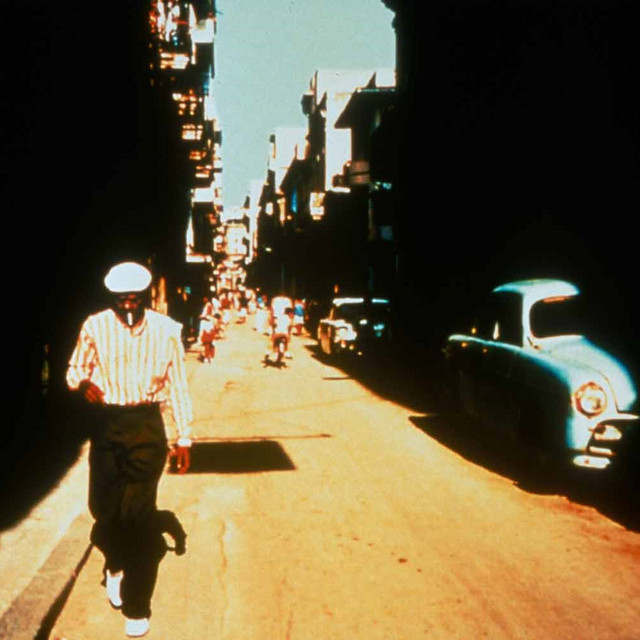
To explore Cuban bolero, begin with canonical recordings: the Buena Vista Social Club album (1997) features several bolero performances, while compilations of Trio Matamoros and Los Panchos document the form’s golden age (1930s-1960s). Liner notes provide cultural context often missing from streaming platforms.
For the meditative qualities of repetitive bolero structure, obtain a recording of Ravel’s “Boléro” performed by a major orchestra (versions by the Berlin Philharmonic under Herbert von Karajan or the London Symphony Orchestra are widely regarded). Listen with attention to how the single rhythmic pattern and melody create shifting perceptual states through instrumental layering alone.
Those seeking movement practices might attend ecstatic dance sessions that incorporate world music, where bolero sometimes appears in playlists designed for sustained rhythmic flow.