
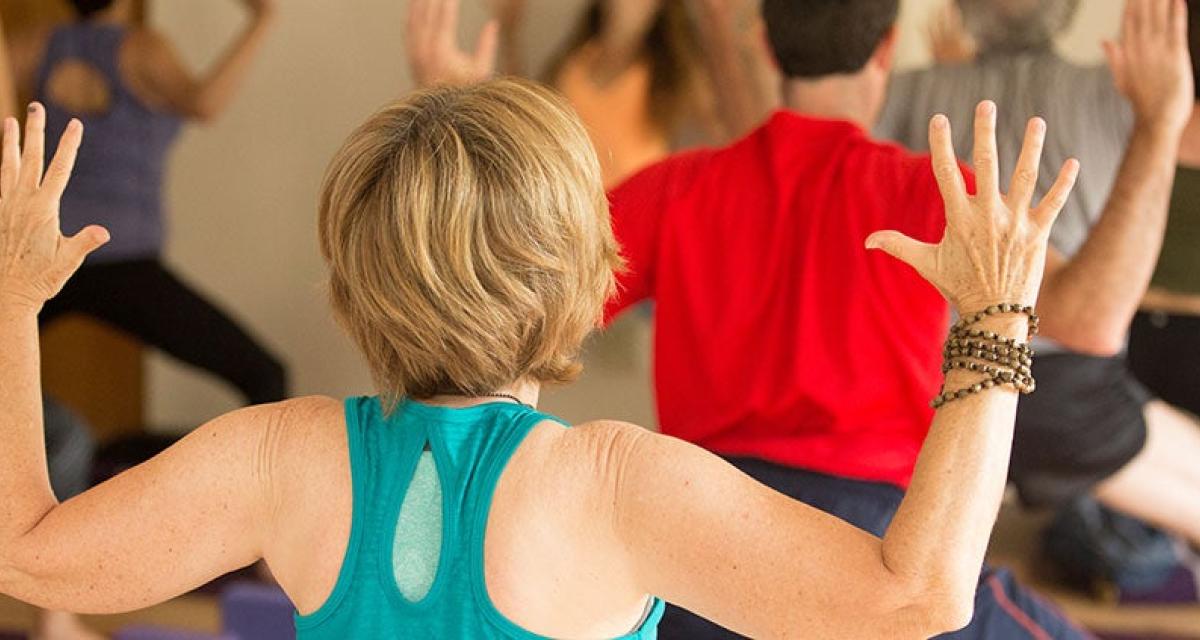




What is Asana?
Asana (Sanskrit: आसन) refers to the physical postures practiced in yoga. While the term originally denoted a stable seated position for meditation, asana has evolved to encompass a vast repertoire of body positions—standing, balancing, inverting, twisting, and reclining—that cultivate strength, flexibility, concentration, and energetic awareness. In classical yoga philosophy, asana constitutes the third of the eight limbs outlined in Patanjali’s Yoga Sutras, serving as the somatic foundation for deeper practices of breath control (pranayama), sense withdrawal (pratyahara), and meditation (dhyana). The Yoga Sutras define asana succinctly as “sthira sukham asanam”—a posture that is both steady (sthira) and comfortable (sukham). Modern practice has expanded this definition, with contemporary systems cataloging hundreds of named postures, each designed to prepare the body and mind for sustained contemplative work.
Origins & Lineage
The earliest references to asana appear in the Vedic literature and Upanishads (circa 1500–500 BCE), where the term denotes a seat or sitting position for ritual and meditation. Patanjali’s Yoga Sutras (composed between 400 BCE and 200 CE) mention asana briefly, emphasizing its role in stabilizing the body for meditation rather than as a physical discipline in itself. The proliferation of physical postures began in the medieval Hatha yoga tradition, particularly in texts like the Hatha Yoga Pradipika (15th century CE by Svatmarama), the Gheranda Samhita (late 17th century), and the Shiva Samhita, which describe 15 to 84 postures ranging from seated meditation poses to more complex physical forms. These tantric manuals positioned asana practice within a broader system aimed at awakening kundalini energy and purifying the subtle body’s nadis (energy channels).
Modern postural yoga—the form most familiar in the West—emerged in early 20th-century India through figures like Tirumalai Krishnamacharya, whose students B.K.S. Iyengar, Pattabhi Jois, and Indra Devi carried Hatha yoga into global prominence. Krishnamacharya synthesized classical texts with gymnastic and therapeutic exercises, creating dynamic systems that emphasized alignment, sequencing, and breath synchronization. This evolution transformed asana from a preparatory practice into a central physical discipline.
How It’s Practiced
Asana practice varies widely across traditions. In Iyengar yoga, practitioners hold poses for extended periods with meticulous attention to alignment, often using props like blocks, straps, and bolsters. Ashtanga Vinyasa yoga, codified by Pattabhi Jois, links postures in set sequences synchronized with breath (ujjayi pranayama) and energetic locks (bandhas). Vinyasa Flow systems adapt this principle into creative, fluid sequences. Yin yoga applies long passive holds (3–5 minutes) to stretch connective tissues and stimulate meridian pathways from Chinese medicine. Restorative yoga uses props to support the body in fully relaxed postures for nervous system regulation.
A typical asana session includes warm-up movements, standing postures (such as Virabhadrasana/Warrior poses or Trikonasana/Triangle), balancing forms (Vrksasana/Tree pose), seated forward bends and twists, backbends, inversions (Sirsasana/Headstand, Sarvangasana/Shoulderstand), and final relaxation (Savasana). Practitioners coordinate breath with movement, use drishti (focused gaze) to anchor attention, and engage bandhas to direct prana (life force) through the subtle body. The practice cultivates physical strength and flexibility alongside qualities like patience, self-awareness, and equanimity.
Asana Today
Contemporary seekers encounter asana in studios offering Hatha, Vinyasa, Kundalini, and specialized formats like Aerial Yoga or Yoga Nidra sessions that blend posture with guided relaxation. Retreats worldwide combine intensive asana practice with meditation, pranayama, and yogic philosophy study. Online platforms provide teacher-led classes spanning beginner-friendly sequences to advanced inversions and arm balances. Many practitioners explore asana as physical fitness, while others integrate it into comprehensive spiritual paths rooted in Tantra Yoga, Advaita Vedanta, or Buddhist mindfulness traditions. The proliferation of teacher trainings has standardized certain pedagogical approaches, though lineage-based schools (Iyengar, Ashtanga, Sivananda) preserve distinct methodologies.
Common Misconceptions
Asana is not synonymous with yoga itself; it is one component of an eightfold system that includes ethical precepts (yama, niyama), breath regulation, and meditative absorption. The goal is not physical perfection or gymnastic achievement but the refinement of awareness and preparation for contemplative states. While modern culture often emphasizes asana’s fitness benefits—flexibility, strength, stress reduction—classical texts position it as a tool for subtle energy cultivation and mental steadiness. “Asana for beginners” does not mean easier poses; it means learning foundational principles of alignment, breath awareness, and internal focus that remain relevant at all levels. Not all asana traditions require extreme flexibility or inversion practice; gentler forms like Restorative or therapeutic yoga prioritize accessibility and healing.
How to Begin
Beginners should seek qualified instruction to learn foundational alignment and breath coordination safely. Start with Hatha or beginner Vinyasa classes that emphasize basic standing poses, simple seated postures, and breath awareness. B.K.S. Iyengar’s Light on Yoga remains a comprehensive visual reference cataloging hundreds of postures with detailed instructions, though live guidance prevents injury and ensures proper form. Workshops on specific topics—hip opening, backbending, inversion fundamentals—allow focused skill development. Online platforms like Yoga International or Glo offer structured courses for home practice. Exploring different styles helps identify approaches suited to individual temperament: alignment-focused (Iyengar), dynamic flow (Vinyasa), meditative stillness (Yin), or energetic awakening (Kundalini). Consistent practice, even 15–20 minutes daily, builds embodied understanding more effectively than sporadic intensive sessions.
Related Practices
Asana practice intersects with pranayama (breath control techniques that regulate prana and prepare for meditation), the study of chakras and nadis (subtle anatomy through which energy flows), and broader yoga traditions like Hatha, Ashtanga Vinyasa, and Iyengar systems. Many practitioners integrate asana with meditation practices such as Vipassana or body scan techniques, or explore its therapeutic applications through Ayurveda’s constitutional analysis. The physical discipline shares philosophical ground with Vedanta and Tantra traditions that view embodied practice as a gateway to self-realization.

