BrightStar

Ver todos os Events

Descubra encontros conscientes

events

Yoga
Meditation
Breathwork
Qigong
Tai Chi
Sacred Music
World Music
Medicine Music
Sound Healing
Ecstatic Dance
Destinos populares
BaliSedonaLos AngelesCosta RicaNew YorkSan FranciscoAustinMiamiJoshua TreeTulum
Ver todas as categoriasVer todos os destinos

Explorar todos os recursos

Ferramentas poderosas para expandir seus eventos

Recursos da plataforma

Precificação dinâmica inteligente
Categorias de ingressos
Lugares marcados
Recuperação de carrinho abandonado
Recuperação de visitantes
Doações e preço variável
Sistema de afiliados
Scanner de ingressos
Códigos de desconto
Perguntas personalizadas
Compartilhamento de ingressos
Upsells e adicionais
Análises e relatórios
Sequências de e-mail
Lista de espera / Notificar / Lembrar
Pessoas e Lugares
Artists & TeachersEvent OrganizersVenues & StudiosKnowledge BaseGlossaryInspiration
Ver todos os recursosSobre nós
PreçosBlog
Language
Saved events
Ver todos os eventos

events

YogaMeditationBreathworkQigongTai ChiSacred MusicWorld MusicMedicine Music

Destinos populares

BaliSedonaLos AngelesCosta RicaNew YorkSan Francisco

Pessoas e Lugares

Artists & TeachersEvent OrganizersVenues & StudiosKnowledge BaseGlossaryInspiration

Recursos da plataforma

Precificação dinâmica inteligenteCategorias de ingressosLugares marcadosRecuperação de carrinho abandonadoRecuperação de visitantesDoações e preço variávelSistema de afiliadosScanner de ingressosCódigos de descontoPerguntas personalizadasCompartilhamento de ingressosUpsells e adicionaisAnálises e relatóriosSequências de e-mailLista de espera / Notificar / Lembrar
Ver todos os recursosSobre nós
PreçosBlog
EntrarBuscadoresCriadores
  • Ver todos os Eventos
  • Para buscadores
  • Yoga
  • Meditação
  • Respiração consciente
  • Qigong
  • Tai chi
  • Música sagrada
  • World music
  • Música de medicina
  • Terapia sonora
  • Dança extática
  • Retiros
  • Workshops
  • Todas as categorias →
  • Bali
  • Sedona
  • Los Angeles
  • Costa Rica
  • Tulum
  • Byron Bay
  • San Francisco
  • Austin
  • New York
  • San Diego
  • Denver
  • Seattle
  • Portland
  • Miami
  • Todas as cidades →
  • Join the Movement
  • Why we list
  • Sell Globally
  • Para criadores
  • Para equipes
  • Para escritores
  • Para professores
  • Para artistas de kirtan
  • Para estúdios
  • Para festivais
  • Para centros de retiro
  • Para organizações sem fins lucrativos
  • Embaixador da marca
  • Ingressos grátis
  • Elevate
  • Amplify
  • Rede de 500K+ compradores
  • Recuperação de carrinho abandonado
  • Precificação dinâmica inteligente
  • Categorias de ingressos
  • Eventos recorrentes
  • Lugares marcados
  • Sistema de afiliados
  • Lista de espera / Notificar
  • Scanner de ingressos
  • Widget incorporável
  • Distribuição de eventos
  • Central de mensagens
  • Integrações
  • Relatórios
  • Todos os recursos →
  • Sobre
  • O ecossistema
  • Blog
  • Glossário
  • Inspiração
  • Central de ajuda
  • Contato
  • Documentação da API
  • Recursos da marca
  • Carreiras
  • Imprensa
  • Termos de Serviço
  • Política de Privacidade

Eventos

  • Ver todos os Eventos
  • Para buscadores
  • Yoga
  • Meditação
  • Respiração consciente
  • Qigong
  • Tai chi
  • Música sagrada
  • World music
  • Música de medicina
  • Terapia sonora
  • Dança extática
  • Retiros
  • Workshops
  • Todas as categorias →

Destinos

  • Bali
  • Sedona
  • Los Angeles
  • Costa Rica
  • Tulum
  • Byron Bay
  • San Francisco
  • Austin
  • New York
  • San Diego
  • Denver
  • Seattle
  • Portland
  • Miami
  • Todas as cidades →

Para criadores

  • Join the Movement
  • Why we list
  • Sell Globally
  • Para criadores
  • Para equipes
  • Para escritores
  • Para professores
  • Para artistas de kirtan
  • Para estúdios
  • Para festivais
  • Para centros de retiro
  • Para organizações sem fins lucrativos
  • Embaixador da marca
  • Ingressos grátis
  • Elevate
  • Amplify

Recursos

  • Rede de 500K+ compradores
  • Recuperação de carrinho abandonado
  • Precificação dinâmica inteligente
  • Categorias de ingressos
  • Eventos recorrentes
  • Lugares marcados
  • Sistema de afiliados
  • Lista de espera / Notificar
  • Scanner de ingressos
  • Widget incorporável
  • Distribuição de eventos
  • Central de mensagens
  • Integrações
  • Relatórios
  • Todos os recursos →

Empresa

  • Sobre
  • O ecossistema
  • Blog
  • Glossário
  • Inspiração
  • Central de ajuda
  • Contato
  • Documentação da API
  • Recursos da marca
  • Carreiras
  • Imprensa
  • Termos de Serviço
  • Política de Privacidade
BrightStar
Baixe o app
Baixar naApp StoreDisponível noGoogle Play
© 2026 BrightStar. Todos os direitos reservados.
Watch

The ABC Smoothie for Skin: Apples, Beets and Carrots

Mel Robbins
Mel Robbins
Oct 20, 2026
8 min de leitura

De Mel Robbins

Assistir · 7

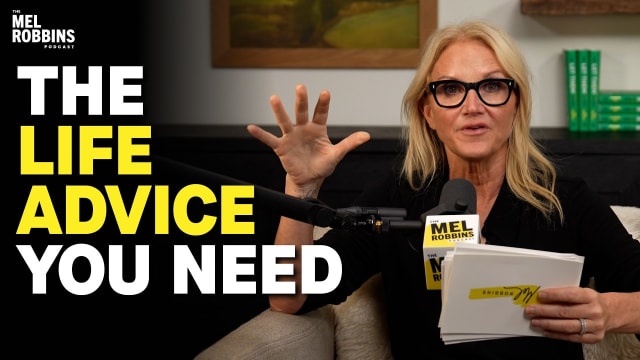
Mel Robbins leans across the counter and asks the question that opens this clip: she wants to hear about a smoothie, and about putting specific ingredients into it. The guest is dermatologist Saranya Wyles, and her answer doesn't begin with nutrients. It begins with a grandmother. The smoothie is a family recipe that became a feeding strategy, and then, in Wyles's telling, a skin strategy. Over roughly two minutes, the clip sketches a cooked blend of apples, beets and carrots, finished with flaxseed, chia seed, turmeric and coconut water, and it makes specific claims about why each piece belongs there. What follows takes that short exchange seriously, unpacks the reasoning behind each ingredient, and marks where the claims stop and the evidence would need to start.

Leitura · 8 seções

Where did the "ABC" idea come from?

The story starts in South India. Wyles says she grew up in Chennai, where she called her grandmother "Thathi." Thathi had a shorthand for feeding a child well: "Okay, don't forget your ABCs." In her house, the letters stood for apples, beets and carrots. Mel repeats it back, Apple, beet, carrot, and the phrase lands the way a good family saying does, a little playful and a little like a rule nobody wrote down.

The lineage matters to the piece because it reframes the smoothie. This isn't a supplement regimen dressed up in a blender. It is a household habit passed from one generation to the next, and Wyles makes the connection explicit: "I think there's a lot of wisdom that we can learn from our mothers and grandmothers." (Wyles, The Mel Robbins Podcast, 0:09)

The bridge from Chennai to a modern kitchen came when she had children. Her account is refreshingly practical: "I had kids, this is what I turned to. I said, 'I don't know what to feed them. So let me take these and stick them in an Instant Pot.'" (Wyles, 0:27) The ABCs became a weeknight solution before they became anything else. That origin, a parent looking for a reliable way to get vegetables and fruit into children, is the most grounded thing in the clip, and it is worth keeping in mind as the skin claims arrive.

Why do you keep the apple peel on?

Mel's instinct is the one most home cooks share. She asks whether the skin stays on. Wyles says yes, and gives a specific reason: "The reason why you keep the apple peel on is because it's got quercetin in it." (Wyles, 0:38) She describes quercetin as a flavonoid that lives in the apple's skin.

From there she moves to the idea that gives the clip its scientific frame. She talks about senescent cells, which she calls "zombie cells," and asks the question that drives the whole segment: how do you target them and get rid of them? Her answer is that fruits and vegetables contain natural products that can reduce the presence of those cells. She places quercetin in that category and calls it a type of "anti-senolytic." (Wyles, 0:45 to 0:59)

Two things are worth noticing. First, the logic is about where the compound sits, not just what it is. The peel is the reason to leave the skin on, and the peel is also the reason to choose apples whose skin is intact and worth eating. Second, the vocabulary is the speaker's, and it is more specialized than the two minutes allow for. A reader who wants to evaluate the claim should look for the research on quercetin and senescent cells directly, not rely on a short clip's compression of it.

What do the flaxseed, chia seed and turmeric add?

The seeds get a shorter, more concrete treatment. Wyles says flaxseed and chia seed supply alpha-linoleic acid and fiber. Then she offers a number that is easy to remember and easy to check: "So 2 Tbsp of chia seeds has 180 mg of calcium. That's about half a cup of milk." (Wyles, 1:10) For a reader building a dairy-light breakfast, that is a useful comparison. It is also one of the few figures in the clip that comes with a specific, checkable quantity.

Mel asks how much goes in, and the answer is modest: "I usually do like one or two tablespoons of each." (Wyles, 1:21) The seeds are a supporting element, not the headline. The turmeric follows the same logic. Wyles adds "a little bit," and the published recipe lists it as a quarter teaspoon and marks it optional. Turmeric's role in the clip is seasoning and flavor as much as anything; the speaker does not make a separate skin claim for it in this excerpt.

The sequence matters too. The seeds and turmeric go into the blender with the cooked base, not into the pot. The cooking is the step that softens the produce; the seeds are added fresh at the end. That division of labor is the quiet logic of the recipe: cook the heavy, fibrous ingredients ahead of time, then add the lighter ones when you assemble.

Why cook the apples, beets and carrots first?

This is the most useful practical idea in the clip, and it is the part Mel tries to restate to make sure she has it right: "Am I only cooking down the ABCs so they're mushy?" Wyles confirms the core of it. Cook the apples, beets and carrots until they are soft, then take a scoop of the mush as the base of each smoothie.

The payoff is convenience. A pot of softened produce can be made in batches, which turns a daily nutrition habit into something closer to a prepared ingredient. The published recipe reflects this directly: cook in an Instant Pot or slow cooker until soft, then store for easy prep. For anyone who has ever abandoned a raw-vegetable smoothie halfway through a hectic week, that is the real innovation here. It is not a new nutrient. It is a workflow.

What is the coconut water doing in the blend?

Wyles chooses coconut water as the liquid base, and her reason is about energy rather than skin: "So coconut water has a lot of electrolytes. So it's going to power you through that day." (Wyles, 1:28) The clip doesn't connect coconut water to the complexion claims, so it's best read as the speaker's practical preference for a drink meant to carry you through a day.

Protein is optional. Mel asks about it, and the answer is that it can go in if you want it. The published recipe lists optional protein powder and says to pour in coconut water "to your desired consistency." The texture is adjustable; the method is fixed.

How do you make the ABC smoothie at home?

The recipe as published in the video description is straightforward. Use three to four medium red apples (Gala, Fuji or Pink Lady), three medium beets and three to four large carrots. Add one cup of water, or the minimum your pressure cooker requires, and cook everything in an Instant Pot or slow cooker until soft. Store the cooked mixture for easy prep. When you want a smoothie, add a scoop of the cooked mixture to a blender with the seeds and turmeric, pour in coconut water to your desired consistency, add protein if you like, and blend until smooth.

Two practical notes follow from the clip itself. The apples' skin stays on, per the speaker's advice. And the seeds go in raw, at blending time, rather than being cooked with the produce. Those are the two places where a home cook can most easily deviate from the method without understanding why.

How much should you trust a two-minute skin claim?

The honest answer is: as much as the evidence in the clip allows, which is less than the framing suggests. The video description promises the episode "will completely change how you think about your skin health," and that is promotional language, not a finding. The clip itself is a short conversation with a specific set of claims: quercetin in apple skin, natural compounds that target senescent cells, alpha-linoleic acid and fiber in flax and chia, 180 mg of calcium in two tablespoons of chia, and electrolytes in coconut water. Those are the speaker's claims. Verifying any of them means going to the underlying research, not stopping at the short.

What the clip does establish well is the kitchen. A family recipe, a parent's weeknight problem, a cooking method that front-loads the work and makes the daily part quick. Those are real, and they are more durable than any single compound. If the recipe helps you eat more apples, beets and carrots in a form you'll actually drink, it has done its job. If you have a specific skin concern, that is a conversation for a clinician, and the speaker is, per the description, a dermatologist speaking in that capacity.

Where to go from here

If you want the reasoning behind the clip, watch the full episode of The Mel Robbins Podcast that the video description links, where Wyles discusses which foods support skin health from the inside out at greater length than the two-minute excerpt allows: the full episode. Try the recipe once with the cooking step done in advance, and notice whether the batch method changes how often you actually make it. And if you want to test the quercetin claim yourself, start with the research on quercetin and senescent cells rather than the clip's summary of it. A grandmother's rule is a good place to start. It is a worse place to stop.

Comments

Loading the conversation…

Transcript

[0:00] I want you to talk to me about this

[0:02] smoothie and the benefits of putting

[0:04] specific ingredients, Dr. Weil, in your

[0:07] smoothie.

[0:07] >> This is something really special that I

[0:09] shared with my grandmother. I think

[0:10] there's a lot of wisdom that we can

[0:12] learn from our mothers and grandmothers.

[0:13] And I grew up in South India in Chennai

[0:16] and um we called her Thathi. So Thathi

[0:18] would say, "Okay, don't forget your

[0:20] ABCs." And what she meant was your

[0:22] apples, beets, and carrots.

[0:24] >> Oh, ABC. Apple, beet, carrot.

[0:27] >> I had kids, this is what I turned to. I

[0:29] said, "I don't know what to feed them.

[0:30] So let me take these and stick them in

[0:32] an Instant Pot."

[0:33] >> You're going to chuck in carrots,

[0:35] apples, and beets?

[0:36] >> Carrots, apples, and beets.

[0:37] >> And do you leave the skin on?

[0:38] >> I do. The reason why you keep the apple

[0:40] peel on is because it's got quercetin in

[0:42] it. And quercetin lives on apple skin,

[0:45] which is a type of flavonoid, which is a

[0:47] type of anti-senolytic. So when we think

[0:49] about, you know, these senescent or

[0:51] zombie cells, well, how do we target

[0:52] them? How do you get rid of them? There

[0:54] are natural products in fruits and

[0:56] vegetables that exist that can target

[0:58] and reduce those presence of those

[0:59] cells. With flaxseed and chia seed,

[1:02] you're getting alpha-linoleic acid and

[1:05] you're also getting fiber. Did you know

[1:07] that chia seeds also have calcium in it?

[1:10] >> They do?

[1:10] >> They do. So 2 Tbsp of chia seeds has 180

[1:15] mg of calcium. That's about half a cup

[1:17] of milk.

[1:18] >> So we're throwing this in the Crock-Pot.

[1:19] How much of the flaxseed and the chia

[1:21] seed do you put in?

[1:21] >> I usually do like one or two tablespoons

[1:23] of each.

[1:23] >> Okay.

[1:24] >> I throw a little bit of turmeric in

[1:25] there. And then I use a coconut water

[1:26] [music] as the base. So coconut water

[1:28] has a lot of electrolytes. So it's going

[1:30] to power you through that day.

[1:33] >> Am I only cooking down the ABCs so

[1:36] they're mushy? And then I take a scoop

[1:39] of the mush, some turmeric, some

[1:40] flaxseed, some chia seed, and then I

[1:43] pour in my coconut water. If I want a

[1:45] little protein, throw that in there and

[1:46] zap it.

[1:47] >> That's right.

Mel Robbins
ArtistMel Robbins

Watch more from Mel Robbins on YouTube.

Ver perfilSite
Explorar temas
Ab-c-smoothieSkin-health-foodsQuercetinBatch-cookingDermatology

Tem perguntas?

Perguntas frequentes

The ABC smoothie is a blend of apples, beets and carrots, cooked until soft and then blended with flaxseed, chia seed, turmeric and coconut water. Dermatologist Saranya Wyles described it on The Mel Robbins Podcast, where the letters come from a grandmother's shorthand: "don't forget your ABCs."
Saranya Wyles says the peel contains quercetin, a flavonoid she describes as an anti-senolytic that lives in apple skin. She links it to natural compounds that can reduce senescent, or "zombie," cells, though the clip doesn't cite the underlying studies.
Wyles says two tablespoons of chia seeds contain 180 mg of calcium, about half a cup of milk. Flaxseed and chia also provide alpha-linoleic acid and fiber, according to the clip.
Yes. The published recipe cooks the apples, beets and carrots in an Instant Pot or slow cooker until soft, then stores the mixture for easy prep. Each smoothie is assembled by blending a scoop of the cooked base with seeds, turmeric and coconut water.
Wyles says coconut water has a lot of electrolytes and will "power you through that day." The recipe lists water only for the cooking step; coconut water is the liquid used at blending time.
The video presents skin-related claims as the speaker's view and doesn't include the clinical evidence behind them. Readers who want to assess the claims should review the research on quercetin, senescent cells and the specific ingredients directly, and consult a clinician for skin concerns.

Continuar lendo

More from Mel Robbins

Ver Tudo
Ina Garten's Reinvention: Why "Is It Fun?" Beats the Plan
Inspire

Ina Garten's Reinvention: Why "Is It Fun?" Beats the Plan

Ina Garten recalls leaving a White House budget job for a tiny food shop after one newspaper ad. Her husband's rule, do what's fun, still gu…

8 min read
Mel Robbins on Moving Away, Passion, and Breakups
Inspire

Mel Robbins on Moving Away, Passion, and Breakups

Mel Robbins answers listener questions on moving away from family, rebuilding passion, fitness, emotions, and breakups. Here is what her adv…

8 min read
Become Live at Center for the Arts: Chant and Call-Response
Inspire

Become Live at Center for the Arts: Chant and Call-Response

A seven-minute live performance of "Become," from the album by Simrit feat. dub creative, built on repeated vocal phrases, held vowels and c…

5 min read
Gracias Cacao: A Song of Thanks to the Cacao Medicine
Inspire

Gracias Cacao: A Song of Thanks to the Cacao Medicine

A short, sung offering of gratitude to cacao, posted by Franko Heke. Here is what the 1:44 clip shows, what its description says about cacao…

4 min read

Continue explorando

Continue sua jornada

Mais sabedoria e mais encontros de todo o diretório BrightStar.

Mais artigos

Explore a biblioteca completa de ensinamentos, entrevistas e guias.

Voltar a todos os artigos →

Professores e artistas

Conheça as linhagens, os músicos e os guias do mundo consciente.

Explorar artistas →

Encontre um evento

Kirtan, retiros, banhos de som, breathwork, festivais — acontecendo em breve.

Ver eventos →