BrightStar

Ver todos os Events

Descubra encontros conscientes

events

Yoga
Meditation
Breathwork
Qigong
Tai Chi
Sacred Music
World Music
Medicine Music
Sound Healing
Ecstatic Dance
Destinos populares
BaliSedonaLos AngelesCosta RicaNew YorkSan FranciscoAustinMiamiJoshua TreeTulum
Ver todas as categoriasVer todos os destinos

Explorar todos os recursos

Ferramentas poderosas para expandir seus eventos

Recursos da plataforma

Precificação dinâmica inteligente
Categorias de ingressos
Lugares marcados
Recuperação de carrinho abandonado
Recuperação de visitantes
Doações e preço variável
Sistema de afiliados
Scanner de ingressos
Códigos de desconto
Perguntas personalizadas
Compartilhamento de ingressos
Upsells e adicionais
Análises e relatórios
Sequências de e-mail
Lista de espera / Notificar / Lembrar
Pessoas e Lugares
Artists & TeachersEvent OrganizersVenues & StudiosKnowledge BaseGlossaryInspiration
Ver todos os recursosSobre nós
PreçosBlog
Language
Saved events
Ver todos os eventos

events

YogaMeditationBreathworkQigongTai ChiSacred MusicWorld MusicMedicine Music

Destinos populares

BaliSedonaLos AngelesCosta RicaNew YorkSan Francisco

Pessoas e Lugares

Artists & TeachersEvent OrganizersVenues & StudiosKnowledge BaseGlossaryInspiration

Recursos da plataforma

Precificação dinâmica inteligenteCategorias de ingressosLugares marcadosRecuperação de carrinho abandonadoRecuperação de visitantesDoações e preço variávelSistema de afiliadosScanner de ingressosCódigos de descontoPerguntas personalizadasCompartilhamento de ingressosUpsells e adicionaisAnálises e relatóriosSequências de e-mailLista de espera / Notificar / Lembrar
Ver todos os recursosSobre nós
PreçosBlog
EntrarBuscadoresCriadores
  • Ver todos os Eventos
  • Para buscadores
  • Yoga
  • Meditação
  • Respiração consciente
  • Qigong
  • Tai chi
  • Música sagrada
  • World music
  • Música de medicina
  • Terapia sonora
  • Dança extática
  • Retiros
  • Workshops
  • Todas as categorias →
  • Bali
  • Sedona
  • Los Angeles
  • Costa Rica
  • Tulum
  • Byron Bay
  • San Francisco
  • Austin
  • New York
  • San Diego
  • Denver
  • Seattle
  • Portland
  • Miami
  • Todas as cidades →
  • Join the Movement
  • Why we list
  • Sell Globally
  • Para criadores
  • Para equipes
  • Para escritores
  • Para professores
  • Para artistas de kirtan
  • Para estúdios
  • Para festivais
  • Para centros de retiro
  • Para organizações sem fins lucrativos
  • Embaixador da marca
  • Ingressos grátis
  • Elevate
  • Amplify
  • Rede de 500K+ compradores
  • Recuperação de carrinho abandonado
  • Precificação dinâmica inteligente
  • Categorias de ingressos
  • Eventos recorrentes
  • Lugares marcados
  • Sistema de afiliados
  • Lista de espera / Notificar
  • Scanner de ingressos
  • Widget incorporável
  • Distribuição de eventos
  • Central de mensagens
  • Integrações
  • Relatórios
  • Todos os recursos →
  • Sobre
  • O ecossistema
  • Blog
  • Glossário
  • Inspiração
  • Central de ajuda
  • Contato
  • Documentação da API
  • Recursos da marca
  • Carreiras
  • Imprensa
  • Termos de Serviço
  • Política de Privacidade

Eventos

  • Ver todos os Eventos
  • Para buscadores
  • Yoga
  • Meditação
  • Respiração consciente
  • Qigong
  • Tai chi
  • Música sagrada
  • World music
  • Música de medicina
  • Terapia sonora
  • Dança extática
  • Retiros
  • Workshops
  • Todas as categorias →

Destinos

  • Bali
  • Sedona
  • Los Angeles
  • Costa Rica
  • Tulum
  • Byron Bay
  • San Francisco
  • Austin
  • New York
  • San Diego
  • Denver
  • Seattle
  • Portland
  • Miami
  • Todas as cidades →

Para criadores

  • Join the Movement
  • Why we list
  • Sell Globally
  • Para criadores
  • Para equipes
  • Para escritores
  • Para professores
  • Para artistas de kirtan
  • Para estúdios
  • Para festivais
  • Para centros de retiro
  • Para organizações sem fins lucrativos
  • Embaixador da marca
  • Ingressos grátis
  • Elevate
  • Amplify

Recursos

  • Rede de 500K+ compradores
  • Recuperação de carrinho abandonado
  • Precificação dinâmica inteligente
  • Categorias de ingressos
  • Eventos recorrentes
  • Lugares marcados
  • Sistema de afiliados
  • Lista de espera / Notificar
  • Scanner de ingressos
  • Widget incorporável
  • Distribuição de eventos
  • Central de mensagens
  • Integrações
  • Relatórios
  • Todos os recursos →

Empresa

  • Sobre
  • O ecossistema
  • Blog
  • Glossário
  • Inspiração
  • Central de ajuda
  • Contato
  • Documentação da API
  • Recursos da marca
  • Carreiras
  • Imprensa
  • Termos de Serviço
  • Política de Privacidade
BrightStar
Baixe o app
Baixar naApp StoreDisponível noGoogle Play
© 2026 BrightStar. Todos os direitos reservados.
Watch

Dance of Transformation: Om Namah Shivaya Through Movement

Paloma Devi
Paloma Devi
Oct 15, 2023
6 min de leitura
Assistir · 4
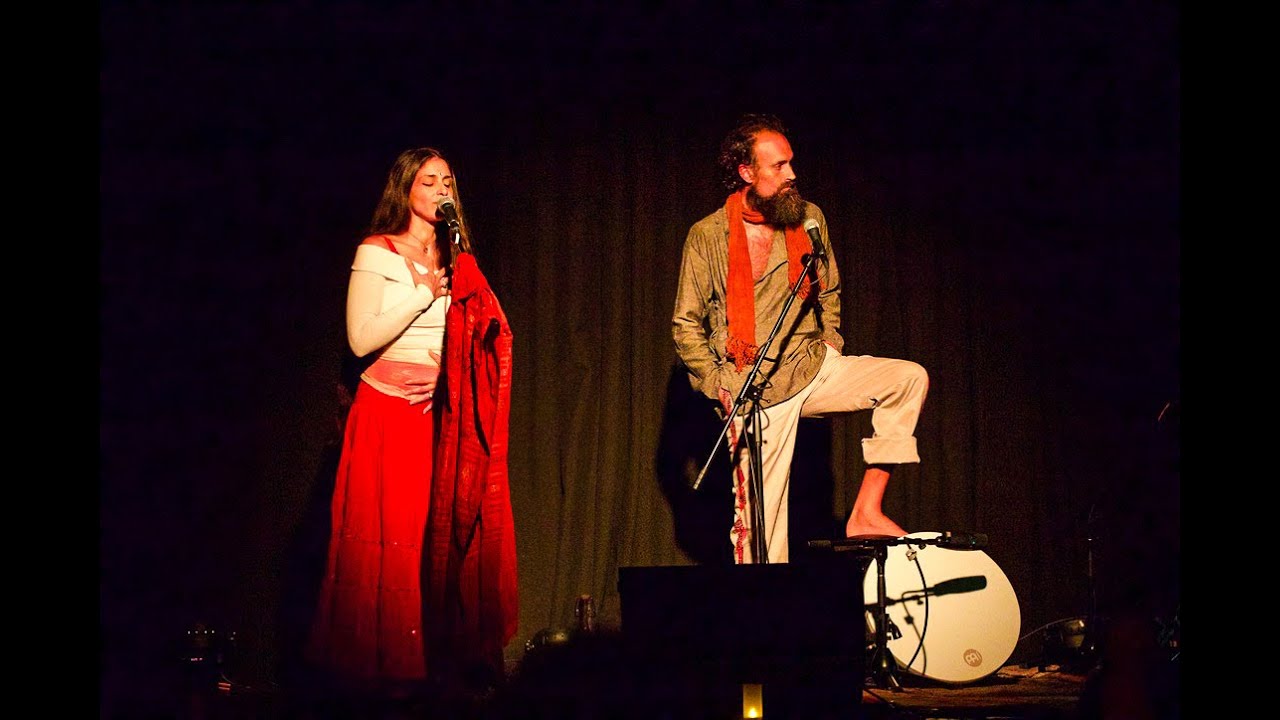
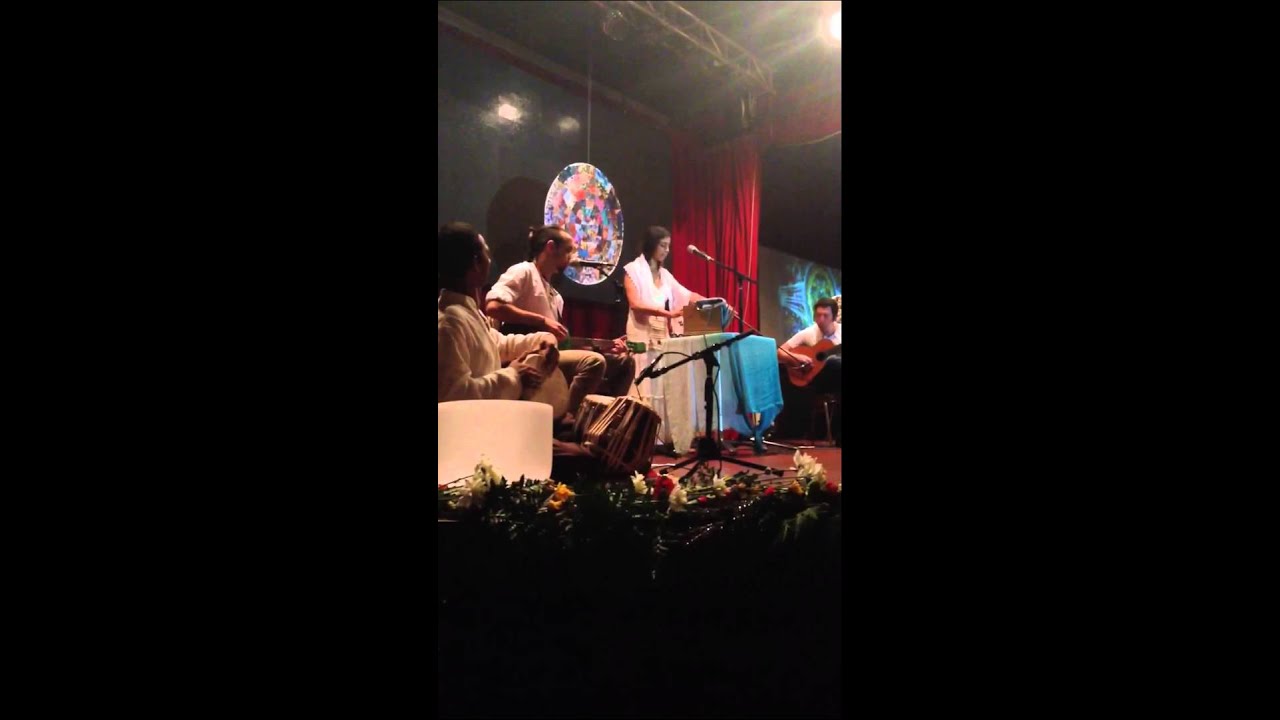
This is a short devotional kirtan and movement practice centered on the sacred mantra Om Namah Shivaya — a core Hindu invocation meaning "I bow to Shiva," the divine principle of transformation and consciousness. Filmed as a live session with musical accompaniment by The JAHIDI Experience, the piece demonstrates how chanting and embodied movement create a doorway to inner stillness and recognition of the divine Self.

Leitura · 7 seções

What is Om Namah Shivaya and Why Does It Matter?

Om Namah Shivaya is one of the most widely chanted mantras in Hindu, yogic, and contemplative traditions. The mantra translates as "I bow to Shiva" — but Shiva here refers not to a personal god, but to the universal principle of consciousness itself, the divine ground of being. Each syllable carries layers of meaning: Om is the primordial sound from which creation emerges; Namah means "I bow" or "I honor"; and Shivaya points to Shiva, understood as pure consciousness, awareness, and the force of transformation.

In traditional yoga philosophy, Shiva represents the transcendent witness — the unchanging awareness that observes all transformation without being affected by it. By chanting this mantra, a practitioner acknowledges and align themselves with this principle, moving toward their own liberation or self-realization. The mantra is not a petition to an external deity but an affirmation and recognition of the divine nature already present within.

How Does Movement Amplify the Mantra's Effect?

While mantras can be chanted silently or aloud, the integration of movement and dance adds a somatic dimension to the practice. The body is not separate from consciousness in most non-dual spiritual traditions — it is a vehicle for awakening. When chanting is paired with rhythmic movement, as in this session with The JAHIDI Experience, several things occur:

  • Embodiment of Sound: Movement anchors the vibration of the mantra in the physical body, making the practice multisensory. Rather than remaining an abstract mental or vocal practice, the mantra becomes felt and lived.
  • Dissolution of Self-Consciousness: Dance and movement can dissolve the habitual self-consciousness or conceptual mind that often stands between the ego and direct experience. The body's natural rhythm carries the practitioner into a more intuitive, non-verbal state.
  • Activation of Energy: In yogic understanding, mantra and movement together activate subtle energy channels (nadis) and psychic centers (chakras), facilitating the flow of prana (life force) through the system.
  • Communal Resonance: In a group setting, as in this filmed experience, the combined voices and movements create a collective field that amplifies the mantra's potency and creates a shared threshold into deeper states.

What is the Role of Music in Devotional Practice?

The JAHIDI Experience provides live musical accompaniment — a crucial element in kirtan and devotional chanting. Music serves several functions in mantra practice. It creates a container, a rhythmic and tonal field that holds the participants' attention and energy. Rather than chanting in silence, which requires significant mental discipline, the melody and rhythm of a skilled musician invite the voice naturally into harmony and the mind naturally into absorption.

In kirtan traditions, particularly in Hindu and Krishnaite contexts, the musician is not merely accompanying singers but actively creating the conditions for direct experience. The interplay between the chanter's voice, the musician's response, and the collective resonance mirrors the larger dance between individual consciousness and universal consciousness that many spiritual paths point toward.

What Does Transformation Mean in This Context?

The title "Dance of Transformation" points to a central theme in Shiva-centered philosophy: that reality itself is not static but a continuous dance of appearance and dissolution, creation and destruction, contraction and expansion. This cosmic dance is called Tandava in Sanskrit. On the personal level, transformation means the dissolution of fixed identity and the recognition of one's true nature as the unchanging awareness that witnesses all change.

A mantra practice with movement becomes a microcosm of this larger cosmic dance. As the practitioner moves, chants, and surrenders to the rhythm and sound, the rigid boundaries of the separate ego begin to soften. Transformation is not something that happens to you — it is the ongoing process of recognizing what you already are beneath the layers of conditioning, belief, and habitual thinking.

How Can One Engage with This Practice at Home?

While this filmed session is a complete devotional experience, the mantra Om Namah Shivaya is portable and accessible. A practitioner might:

  • Chant Silently: Repeat the mantra internally, particularly during meditation or in moments of stress or confusion. The practice anchors attention in the present and creates space between thought and awareness.
  • Chant Aloud: Vocalize the mantra with the intention of invoking the principle of consciousness and transformation. The vibration of the spoken word itself has a purifying effect.
  • Move With It: Simple swaying, circular movements, or whatever the body naturally wants to do while chanting creates the embodied, multisensory dimension explored in this session.
  • Listen to Recordings: Following along with recorded kirtan, like this session, allows one to join the collective field without needing instrumental or vocal skill.

What Is the Role of Devotion in Spiritual Practice?

This session is fundamentally a devotional practice, and devotion (or bhakti in Sanskrit) is one of the primary paths to liberation in Hindu and many other spiritual traditions. Bhakti is not blind faith or emotional sentimentality. Rather, it is the whole-hearted surrender of the limited ego-self to something greater, to the divine principle that sustains all existence.

Devotion opens the heart and creates the conditions for grace — understood not as a supernatural intervention but as the natural unfolding of one's deepest nature when resistance is released. When a practitioner chants Om Namah Shivaya with genuine devotion, bowing internally to the divine within all beings, the practice becomes a love letter to consciousness itself, and a recognition that there is nowhere to go and nothing to become — only an unveiling of what already is.

Where to Go From Here

If this session resonates, explore further by seeking out live kirtan events in your area or online, where you can experience the full power of collective chanting and music. Develop a personal practice with Om Namah Shivaya — even five to ten minutes daily of quiet chanting or movement-based practice can begin to shift perception and open awareness to the transformative power of mantra. For deeper study, explore texts on Shaivism and Tantra, such as the Shiva Sutras or teachings from contemporary Shaivite teachers. And remember that the transformation promised by this practice is not distant or conditional — it begins the moment you turn your attention inward and bow to the consciousness that witnesses all experience.

]]>
Comments

Loading the conversation…

Transcript

[0:03] [Music]

[0:11] [Music]

[0:19] [Music]

[0:26] om Nam

[0:28] sh om Nam shiv

[0:31] [Music]

[0:57] [Music]

[0:59] om

[1:01] [Music]

[1:14] [Music]

[1:20] [Music]

[1:29] Shiva

[1:31] [Music]

[1:45] [Music]

[1:58] the she

[2:02] om

[2:08] [Music]

[2:26] [Music]

[2:29] om

[2:31] [Music]

[2:37] [Music]

[2:44] [Music]

[2:59] [Music]

[3:09] [Music]

Paloma Devi
ArtistPaloma Devi

Kirtan artist dedicated to sharing the transformative power of devotional chanting through performances and teachings rooted in the Bhakti lineage.

Ver perfilSite
Explorar temas
Om-namah-shivayaKirtanMantra-chantingDevotional-practiceShiva-consciousness

Tem perguntas?

Perguntas frequentes

Om Namah Shivaya translates to "I bow to Shiva," where Shiva represents universal consciousness and the principle of transformation. Om is the primordial sound, Namah means "I bow," and Shivaya refers to pure consciousness itself — not a separate deity, but the divine nature within all beings.
Adding movement to mantra practice creates an embodied, multisensory experience that anchors the vibration in the physical body, dissolves self-consciousness, activates subtle energy channels, and facilitates a shift from conceptual thinking into direct, intuitive awareness of the present moment.
Yes. You can chant the mantra silently during meditation, aloud for its vibrational effect, or combine it with gentle movement. Even five to ten minutes daily can begin to shift perception and open awareness to the transformative power of mantra practice.
Bhakti yoga, or the yoga of devotion, is the path of whole-hearted surrender to the divine principle within all existence. Chanting mantras like Om Namah Shivaya is a primary bhakti practice, turning attention inward and bowing to the consciousness that sustains all life.
Live music creates a rhythmic and tonal container that naturally invites the voice into harmony and the mind into absorption. The musician actively creates the conditions for direct experience through the interplay between the chanter's voice, the musician's response, and collective resonance.
In Hindu and yogic philosophy, Shiva represents the principle of pure consciousness, the transcendent witness that observes all transformation without being affected by it. Shiva is also associated with the cosmic dance of creation and dissolution, and the absolute ground of being itself.

Continuar lendo

More from Paloma

Ver Tudo
I Am Infinite Love: Kirtan and Handpan Music for Awakening
Inspire

I Am Infinite Love: Kirtan and Handpan Music for Awakening

Paloma Devi and Joel Karabo Elliott perform "I Am Infinite Love," a kirtan-style meditation blending handpan and devotional song to invoke a…

1 min read
Music as Medicine: Kirtan, Rhythm, and Healing
Inspire

Music as Medicine: Kirtan, Rhythm, and Healing

Paloma Devi explores how sacred music and rhythm function as medicine for the body and spirit, combining traditional kirtan with contemporar…

1 min read
Sacred Music for Sacred Forests: Chanting for Trees in Rishikesh
Inspire

Sacred Music for Sacred Forests: Chanting for Trees in Rishikesh

A short kirtan clip from Rishikesh ties chanting to forest protection. Proceeds from the 19 October concert support GoDharmic's Dharma Fores…

1 min read
Om Namah Shivaya Live Kirtan: Call, Response and the Shiva Chant
Inspire

Om Namah Shivaya Live Kirtan: Call, Response and the Shiva Chant

A live kirtan of Om Namah Shivaya, recorded at Medicine Festival 2026 in Reading, moves from slow mantra into ecstatic chant. Here is what t…

1 min read

Continue explorando

Continue sua jornada

Mais sabedoria e mais encontros de todo o diretório BrightStar.

Mais artigos

Explore a biblioteca completa de ensinamentos, entrevistas e guias.

Voltar a todos os artigos →

Professores e artistas

Conheça as linhagens, os músicos e os guias do mundo consciente.

Explorar artistas →

Encontre um evento

Kirtan, retiros, banhos de som, breathwork, festivais — acontecendo em breve.

Ver eventos →