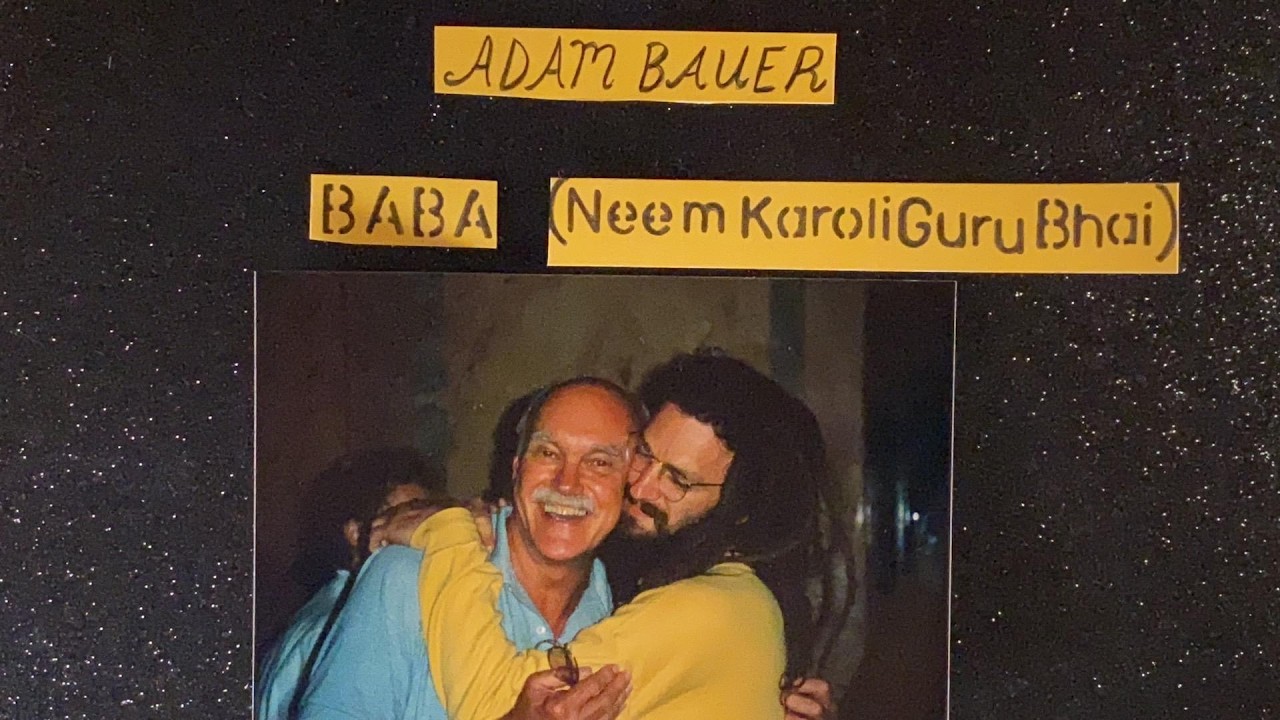
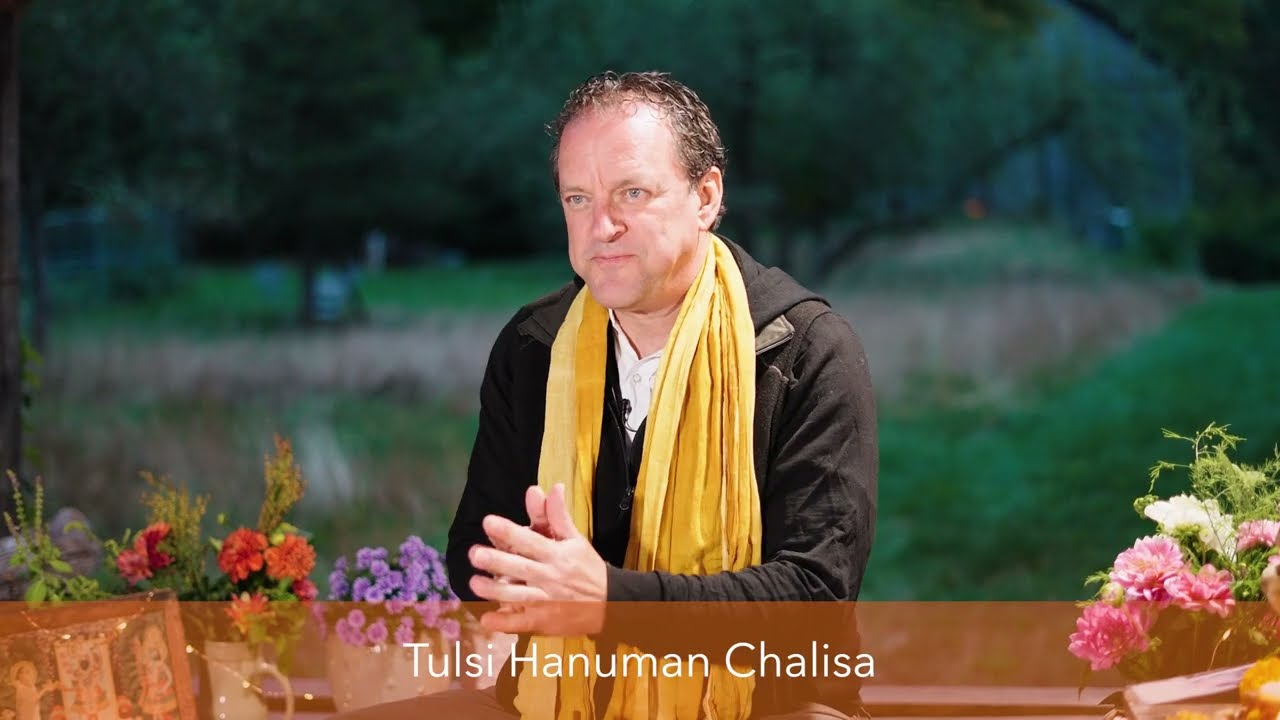
In September 2020, as the world trembled through pandemic upheaval and social fracture, Adam Bauer released the official lyric video for "Healing Song," a track from his album Return to the Sacred. The choice to present the song as a lyric video—words visible, readable, central—signals an artist committed to making the song's message transparent. It's a format that honors both the devotional tradition and the contemporary listener's hunger for specificity in spiritual art.
The album title itself is revealing. In a year defined by isolation, loss, and the fracturing of shared ritual space, "Return" carries weight. It suggests not invention but remembrance—a movement backward toward something essential that modern life obscures or crowds out. For kirtan and devotional musicians, the sacred is never new; it's perennial. The urgency in Bauer's album title lies not in discovering something but in clearing the debris that keeps us from it.
Released on RadhaKrishna Recordings, Return to the Sacred sits within a lineage of contemporary spiritual music that treats the vehicle of song as more than entertainment. The label itself—centered on Krishna consciousness practice—positions this work within a specific devotional stream: one that uses melody, mantra, and heartfelt lyrical content as pathways to inner transformation.
The decision to release "Healing Song" as a lyric video rather than a simple audio track or performance video reflects a shift in how devotional music reaches listeners. A lyric video makes the words indispensable—they're not decoration; they're the architecture. For a song titled "Healing Song" released during collective trauma, the visible words become medicine. The reader becomes witness, and witnessing itself becomes part of the healing.
Healing songs carry an old lineage. From the kirtan traditions of India to the blues and folk music traditions of North America, songs explicitly framed as healing have always existed at the intersection of sound, intention, and community. What distinguishes contemporary healing music is its accessibility: a person alone with a screen in 2020 could encounter this work at any hour, in any circumstance, with the promise that attention itself—to the words, the melody, the space the song creates—might shift something inside.
Return to the Sacred as a complete work suggests an artist surveying the distance between where we live and where we might belong spiritually. Each song, including "Healing Song," functions as a waypoint. The album's existence is an argument: that in a secular, fragmented age, the impulse toward the sacred remains not nostalgic but vital, and that songs can carry us there.
The 34,000+ views on the "Healing Song" lyric video indicate a community that found something there—a song that worked on them, or with them, or for them. That's the true measure of healing music: not critical acclaim but the quiet evidence that someone, somewhere, needed exactly this, exactly when they found it.
Listen to the full album Return to the Sacred, available through Adam Bauer's website at iamadambauer.com. For those new to contemporary kirtan and devotional music, let "Healing Song" be an entry point, but don't stop there. Follow Adam Bauer's work on Instagram (@iamadambauer) and his website for ongoing music and teaching that continues to explore the sacred in accessible, contemporary forms.