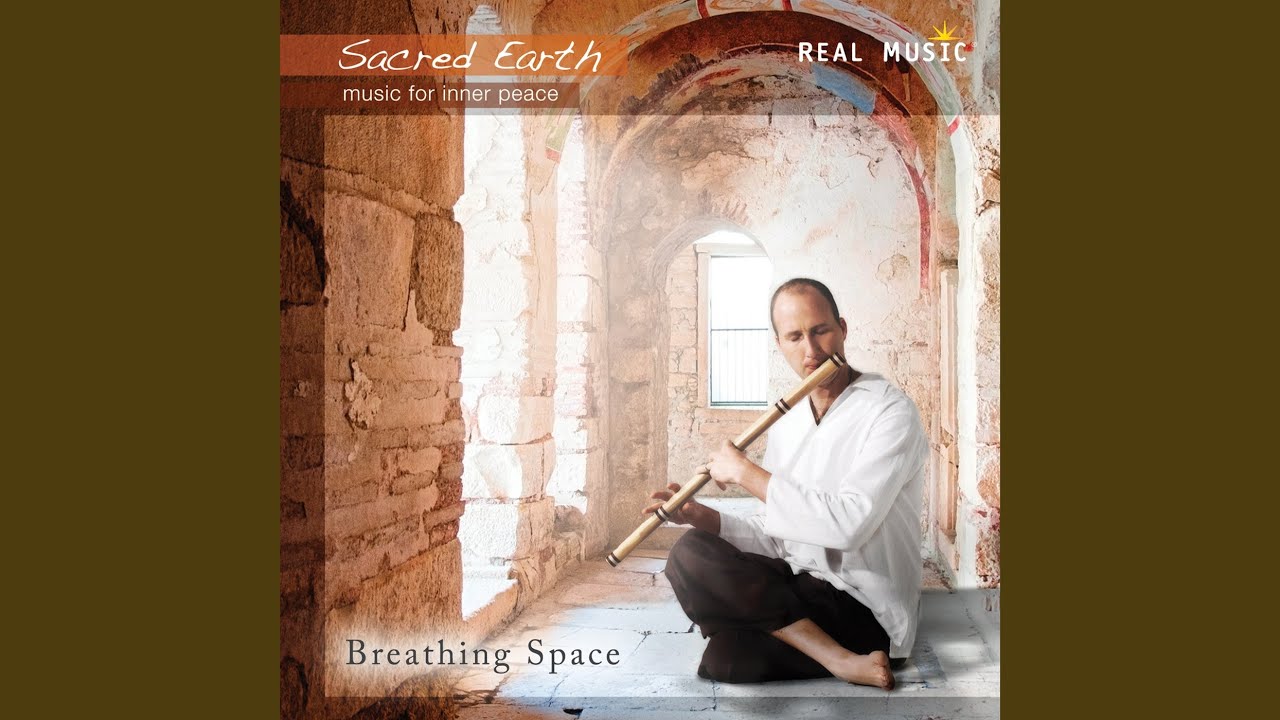
Breathing Space is a track from Call to the Divine, a 2010 release credited to the project Sacred Earth and to performers Jethro Williams and Prem Williams. The recording was issued on June 11, 2010, under license from Sacred Earth Music, and it has since reached a large audience through its circulation on YouTube, where the upload has drawn more than one million views. Because the public listing for this video is thin, this guide sticks to what the record itself establishes and then offers a practical way to listen to a piece with a title like this one.
The published details are short but useful. The track carries the title Breathing Space and sits within the album Call to the Divine. The credits name Jethro Williams and Prem Williams alongside the Sacred Earth name, and the copyright line dates the recording to 2010, with the release date set for June 11 of that year. The upload itself appeared on YouTube in October 2022, more than a decade after its original issue, which is typical of older recordings that find new listeners through streaming and channel-based distribution.
What the listing does not provide is equally important. There is no transcript, no liner-note essay, and no description of the instruments, the tempo, or the specific sound of the recording. Anyone writing about the track is working from its title, its album, and its credits. Any claim about the musicians' intentions or the sonic texture would be guesswork, so it is better to listen directly and draw your own conclusions.
The phrase is an invitation. "Breathing space" is a common English expression for a pause, a gap in pressure, a moment in which something can expand. Titles in devotional and meditative music often point listeners toward an inner posture rather than a narrative, and this one fits that pattern. Whether or not the musicians meant anything specific by it, a listener can approach the track as a test of attention: does the music leave room, or does it fill every moment?
That question is a useful frame for ambient and contemplative recordings generally. Many listeners find that the most affecting pieces in this genre are the ones that refuse to hurry. They let a tone sustain, let a phrase resolve slowly, and trust silence to do part of the work.
A few simple practices can deepen the experience without requiring any background knowledge of the album:
- Listen once at full length without doing anything else. Notice where your attention drifts and where it returns.
- Match your breathing to the music for a minute or two, then let the two separate. The point is not to synchronize perfectly but to notice the moment your breath begins to follow the sound.
- Pay attention to the gaps. In slow music, the space between sounds carries as much information as the sounds themselves.
- Listen again on a different day. Contemplative recordings often change with the listener's mood, and a second hearing can reveal textures the first one missed.
Call to the Divine is the frame that gives Breathing Space its context, and the most reliable next step for a serious listener is to hear the track within the album rather than in isolation. Album sequencing is a deliberate act, and a piece titled for breath may be designed to land differently after the tracks that precede it. Playing the record through in order will show you how the individual piece functions as part of a larger devotional arc, which a single upload cannot display.
Start with the full album, Call to the Divine, and listen to Breathing Space in sequence. Then, if the track holds you, look for other releases credited to Jethro Williams and Prem Williams to see how the duo approaches space, silence, and sustained tone across their work. Keep notes on what you hear and what you feel; that personal record will tell you more about this music than any description can. Where the public record is silent, your own attention is the best source you have.