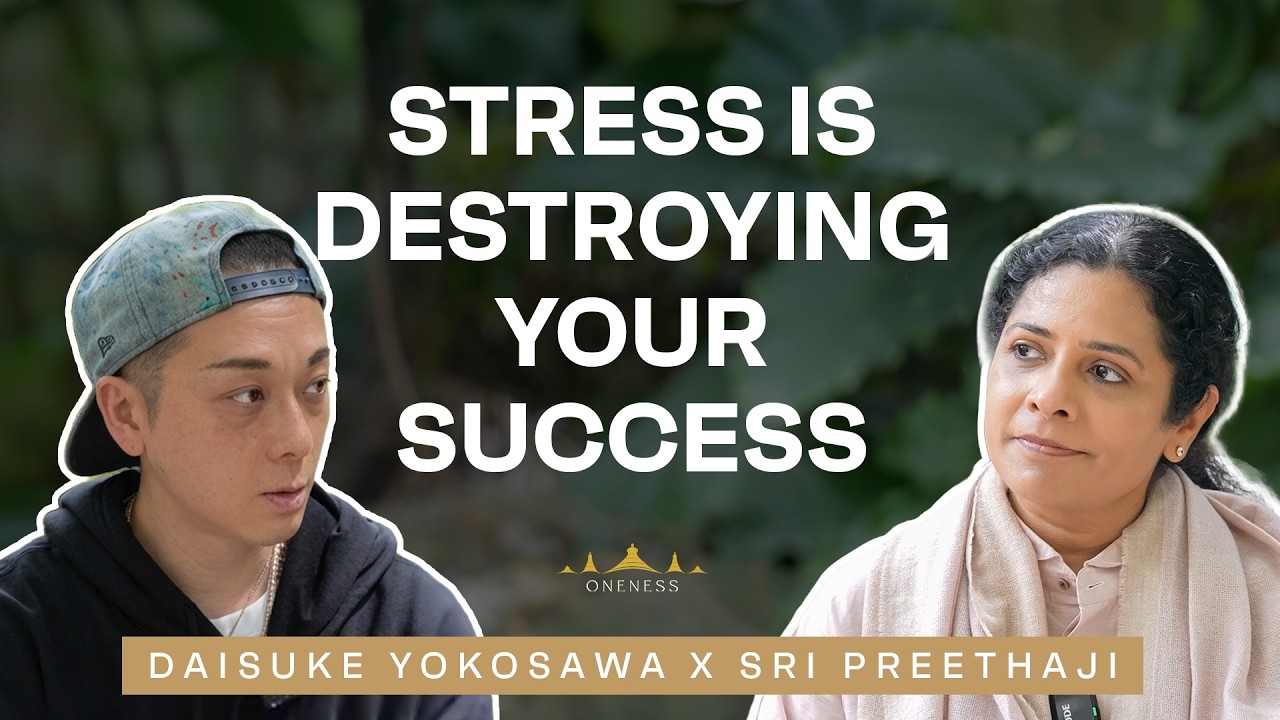
Obsession clouds the mind and pulls you away from genuine achievement. True goal-setting requires clarity—a state of inner stillness where you can honestly ask yourself what you really want, without the noise of conditioning, fear, or external pressure. This distinction between driven obsession and clear intention is the foundation for sustainable success and authentic fulfillment.
Why Obsession Fails as a Path to Success
Most modern achievement culture celebrates intensity and relentless drive. But according to this teaching, obsession is fundamentally different from purposeful action. Obsession is reactive—it stems from fear, doubt, or a desperate need to prove something. It clouds your judgment and disconnects you from what you actually want. When you operate from obsession, you're often chasing someone else's definition of success or running from an internal sense of inadequacy. This restless state prevents clarity because the mind is too turbulent, too caught in wanting validation or escape.
The problem with obsession is that it creates a feedback loop of suffering. You become attached to outcomes, anxious about failure, and unable to see alternative paths. Your energy is consumed by the struggle rather than the goal itself. In this state, even if you achieve what you were obsessed with, the relief is temporary—because the underlying driver (fear, inadequacy, external validation) remains unresolved. You move from one obsession to the next, never landing in genuine fulfillment.
What Does Clarity Actually Mean?
Clarity is the opposite of this turbulent chase. It is a state of inner stillness where your mind settles enough to perceive what you genuinely want—not what you think you should want, not what others expect of you, but what aligns with your authentic nature and values. Clarity requires a pause. It requires you to step out of the constant doing and asking.
Clarity arises when you create space between stimulus and response. In that space, you can ask a simple but profound question: What do I really want? This question is not asked to produce a quick answer for social media or to satisfy an external deadline. It's asked in stillness, in honesty, in the willingness to sit with uncertainty until something genuine emerges.
The Practice of Pausing and Breathing
The teaching emphasizes a concrete practice: pause, breathe, and ask. This is not complicated, but it is often overlooked in a culture obsessed with momentum and action. Pausing interrupts the habitual loop of reactivity. Breathing settles the nervous system so you can access deeper knowing rather than surface impulse. When your system is regulated, your intelligence becomes available.
This is why breath work is not merely a wellness trend—it is a fundamental tool for accessing clarity. When you are breathing consciously, you are not in fight-or-flight. You are not in scarcity consciousness. You are available to listen to what actually matters to you.
The questioning that follows is also specific. Not "How can I achieve more?" or "What will impress people?" but "What do I really want?" The word really matters. It invites you beneath the surface, beyond conditioning. When you ask this in genuine stillness, the answer that emerges is more likely to be true.
How Stillness Guides You to Genuine Fulfillment
Stillness is not passivity or resignation. It is the ground from which authentic action emerges. When you set a goal from a place of clarity rather than obsession, several things shift:
- Your energy is congruent. You're not divided against yourself, simultaneously wanting success and fearing it. Your whole system moves in one direction.
- You can adjust your approach. When you're not rigidly attached to one obsessive path, you can respond to feedback, opportunity, and changing circumstances with flexibility.
- The journey becomes part of the goal. Since you're pursuing something aligned with your genuine nature, the process of pursuing it is already fulfilling, not just the endpoint.
- You attract different people and opportunities. Clarity has a frequency. People and circumstances that align with your genuine intention begin to show up, whereas obsession tends to repel or attract only temporary, transactional connections.
The Difference Between Intention and Compulsion
A clear goal is an intention—something you've consciously chosen and aligned with. A goal driven by obsession is a compulsion—something that drives you because you haven't resolved the underlying emotional need. Intentions are flexible and adaptive. Compulsions are rigid and eventually exhausting.
When you ask "What do I really want?" in stillness, you're creating the conditions for intention rather than compulsion to surface. You're distinguishing between what the world has told you to want and what your authentic self is calling for. This is not selfish; it's the most generous thing you can do for yourself and others, because a person aligned with genuine intention brings genuine presence and integrity to their work.
Where to Go From Here
Begin with the simple practice: Find five minutes of quiet. Pause your usual activity. Take three to five conscious breaths, allowing your body and mind to settle. Then, without judgment, ask yourself: What do I really want? Don't force an answer. Notice what emerges. You may find that your true desire is very different from what you've been chasing. That recognition itself is the beginning of clarity. From there, your goals will naturally become clearer, more aligned, and more likely to lead to genuine fulfillment—not because you're forcing them through obsession, but because they're rooted in what you truly value.