BrightStar

Ver todos os Events

Descubra encontros conscientes

events

Yoga
Meditation
Breathwork
Qigong
Tai Chi
Sacred Music
World Music
Medicine Music
Sound Healing
Ecstatic Dance
Destinos populares
BaliSedonaLos AngelesCosta RicaNew YorkSan FranciscoAustinMiamiJoshua TreeTulum
Ver todas as categoriasVer todos os destinos

Explorar todos os recursos

Ferramentas poderosas para expandir seus eventos

Recursos da plataforma

Precificação dinâmica inteligente
Categorias de ingressos
Lugares marcados
Recuperação de carrinho abandonado
Recuperação de visitantes
Doações e preço variável
Sistema de afiliados
Scanner de ingressos
Códigos de desconto
Perguntas personalizadas
Compartilhamento de ingressos
Upsells e adicionais
Análises e relatórios
Sequências de e-mail
Lista de espera / Notificar / Lembrar
Pessoas e Lugares
Artists & TeachersEvent OrganizersVenues & StudiosKnowledge BaseGlossaryInspiration
Ver todos os recursosSobre nós
PreçosBlog
Language
Saved events
Ver todos os eventos

events

YogaMeditationBreathworkQigongTai ChiSacred MusicWorld MusicMedicine Music

Destinos populares

BaliSedonaLos AngelesCosta RicaNew YorkSan Francisco

Pessoas e Lugares

Artists & TeachersEvent OrganizersVenues & StudiosKnowledge BaseGlossaryInspiration

Recursos da plataforma

Precificação dinâmica inteligenteCategorias de ingressosLugares marcadosRecuperação de carrinho abandonadoRecuperação de visitantesDoações e preço variávelSistema de afiliadosScanner de ingressosCódigos de descontoPerguntas personalizadasCompartilhamento de ingressosUpsells e adicionaisAnálises e relatóriosSequências de e-mailLista de espera / Notificar / Lembrar
Ver todos os recursosSobre nós
PreçosBlog
EntrarBuscadoresCriadores
  • Ver todos os Eventos
  • Para buscadores
  • Yoga
  • Meditação
  • Respiração consciente
  • Qigong
  • Tai chi
  • Música sagrada
  • World music
  • Música de medicina
  • Terapia sonora
  • Dança extática
  • Retiros
  • Workshops
  • Todas as categorias →
  • Bali
  • Sedona
  • Los Angeles
  • Costa Rica
  • Tulum
  • Byron Bay
  • San Francisco
  • Austin
  • New York
  • San Diego
  • Denver
  • Seattle
  • Portland
  • Miami
  • Todas as cidades →
  • Join the Movement
  • Why we list
  • Sell Globally
  • Para criadores
  • Para equipes
  • Para escritores
  • Para professores
  • Para artistas de kirtan
  • Para estúdios
  • Para festivais
  • Para centros de retiro
  • Para organizações sem fins lucrativos
  • Embaixador da marca
  • Estudos de caso
  • Ingressos grátis
  • Elevate
  • Amplify
  • Rede de 500K+ compradores
  • Recuperação de carrinho abandonado
  • Precificação dinâmica inteligente
  • Categorias de ingressos
  • Eventos recorrentes
  • Lugares marcados
  • Sistema de afiliados
  • Lista de espera / Notificar
  • Scanner de ingressos
  • Widget incorporável
  • Distribuição de eventos
  • Central de mensagens
  • Integrações
  • Relatórios
  • Todos os recursos →
  • Sobre
  • O ecossistema
  • Blog
  • Glossário
  • Inspiração
  • Central de ajuda
  • Contato
  • Documentação da API
  • Recursos da marca
  • Carreiras
  • Imprensa
  • Termos de Serviço
  • Política de Privacidade

Eventos

  • Ver todos os Eventos
  • Para buscadores
  • Yoga
  • Meditação
  • Respiração consciente
  • Qigong
  • Tai chi
  • Música sagrada
  • World music
  • Música de medicina
  • Terapia sonora
  • Dança extática
  • Retiros
  • Workshops
  • Todas as categorias →

Destinos

  • Bali
  • Sedona
  • Los Angeles
  • Costa Rica
  • Tulum
  • Byron Bay
  • San Francisco
  • Austin
  • New York
  • San Diego
  • Denver
  • Seattle
  • Portland
  • Miami
  • Todas as cidades →

Para criadores

  • Join the Movement
  • Why we list
  • Sell Globally
  • Para criadores
  • Para equipes
  • Para escritores
  • Para professores
  • Para artistas de kirtan
  • Para estúdios
  • Para festivais
  • Para centros de retiro
  • Para organizações sem fins lucrativos
  • Embaixador da marca
  • Estudos de caso
  • Ingressos grátis
  • Elevate
  • Amplify

Recursos

  • Rede de 500K+ compradores
  • Recuperação de carrinho abandonado
  • Precificação dinâmica inteligente
  • Categorias de ingressos
  • Eventos recorrentes
  • Lugares marcados
  • Sistema de afiliados
  • Lista de espera / Notificar
  • Scanner de ingressos
  • Widget incorporável
  • Distribuição de eventos
  • Central de mensagens
  • Integrações
  • Relatórios
  • Todos os recursos →

Empresa

  • Sobre
  • O ecossistema
  • Blog
  • Glossário
  • Inspiração
  • Central de ajuda
  • Contato
  • Documentação da API
  • Recursos da marca
  • Carreiras
  • Imprensa
  • Termos de Serviço
  • Política de Privacidade
BrightStar
© 2026 BrightStar. Todos os direitos reservados.
Inspiration

Raag Kalyaan in Live Concert: Indian Classical Music

Professor Paramjeet Singh
Jan 3, 2015
5 min de leitura

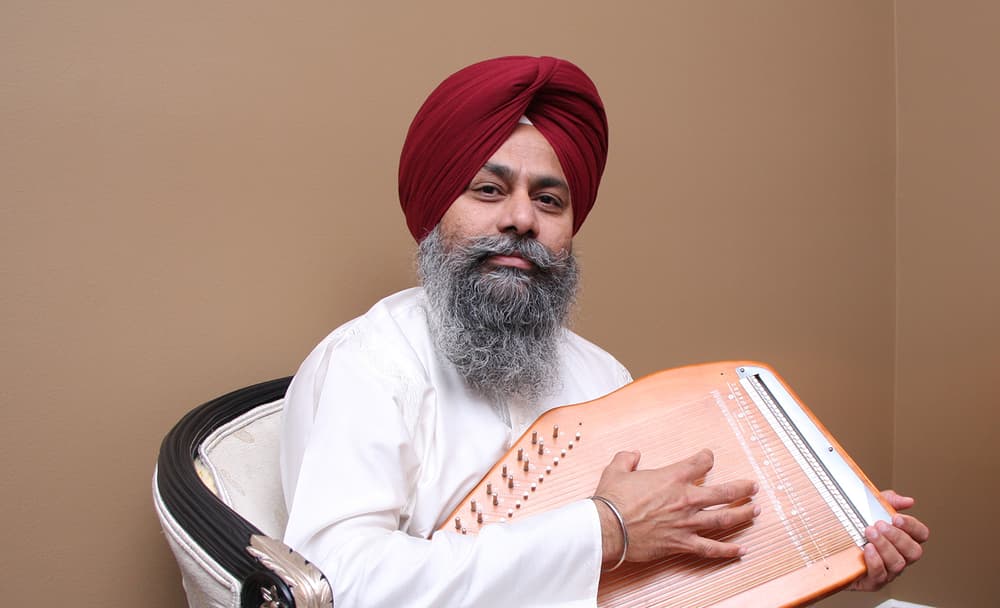
This is a live performance of Raag Kalyaan, one of classical Indian music's most celebrated ragas, known for its jubilant, auspicious character. Raag Kalyaan features a pentatonic scale (lacking the flat second and flat seventh notes) that creates its distinctive brightening quality, traditionally associated with celebrations and morning performances. The raga demands sophisticated ornamentation and melodic exploration to reveal its full emotional and spiritual depth within the constraints of its scalar rules.

Leitura · 6 seções

What Is Raag Kalyaan in Indian Classical Music?

Raag Kalyaan is one of the most revered ragas in Hindustani (North Indian) classical music tradition. The name itself carries meaning: "Kalyaan" refers to auspiciousness, welfare, and well-being. This raga is traditionally performed during morning hours and at celebratory occasions, weddings, and festivals. Its sound embodies an ascending, uplifting quality that listeners often describe as joyful, radiant, and spiritually elevating.

The raga belongs to the Kalyan thaat (framework family), one of the ten principal organizing systems in Hindustani music. Raag Kalyaan is considered the archetypal raga of its thaat—it is, in many respects, the definitive expression of the Kalyan sonority and philosophy.

How Does Raag Kalyaan's Scale Create Its Sound?

Raag Kalyaan uses a pentatonic ascending scale (arohi) that excludes two chromatic degrees: the flat second (komal re) and the flat seventh (komal nish). This creates a scale of five ascending notes, often depicted as:

  • Sa (tonic) – the root and anchor
  • Shuddh Re (natural second) – major second
  • Shuddh Ga (natural third) – major third
  • Shuddh Ma (natural/perfect fourth) – perfect fourth
  • Pa (perfect fifth) – perfect fifth
  • Shuddh Dha (natural sixth) – major sixth
  • Shuddh Ni (natural seventh) – major seventh
  • Sa (octave) – return to tonic

In descent, the scale remains largely the same but may introduce slight variations in how certain notes are approached or emphasized, reflecting the raga's preference for brightness and clarity. The absence of the lowered versions of the second and seventh creates a luminous, untarnished quality—no dark or shadowy tones cloud the raga's essential character.

What Are the Emotional and Spiritual Qualities of This Raga?

Raag Kalyaan is associated with a spectrum of positive emotional and spiritual states. Practitioners describe the raga as expressing:

  • Celebration and joy – its bright, ascending contour naturally suggests festivity
  • Auspiciousness and blessing – the literal meaning of the name shapes its cultural and spiritual context
  • Clarity and illumination – the absence of lowered degrees creates a sense of transparency
  • Devotion and spiritual aspiration – it is used extensively in Sikh devotional music (kirtan) and Hindu classical contexts
  • Completeness and wholeness – as the thaat-raga, it represents the full expression of the Kalyan family's sonic potential

In performance, a skilled musician uses these inherent qualities as a foundation and explores them through ornamental phrasing, rhythmic variation, and melodic dialogue with percussion and accompaniment.

How Is Raag Kalyaan Performed and Explored?

A live performance of Raag Kalyaan typically unfolds in multiple sections, each designed to deepen the listener's immersion in the raga's world:

Alap: The opening, unmetered section where the musician introduces the raga's characteristic phrases and ornamentation without accompanying percussion. This is the space where the raga's personality emerges through slow, meditative exploration of the notes and their relationships. The alap allows the performer to establish the emotional and sonic foundation that the entire performance will build upon.

Jor and Jhala: Gradually accelerating sections that introduce a sense of forward motion and rhythmic pulse before the formal entry of the tabla (drums). The performer explores melodic phrases with increasing velocity, creating momentum and excitement while remaining true to the raga's rules and character.

Bandish (Composition): The entrance of a fixed melodic composition set to a specific rhythmic cycle (taal). The musician and accompanying percussionist engage in call-and-response, improvisation around the melodic theme, and rhythmic interplay. This is where the raga's inherent joy and celebratory quality often shine most vividly.

Improvisation within constraints: Throughout, the performer demonstrates technical mastery by ornamenting notes, exploring different registers, creating tension and release, and inventing melodic passages that surprise the listener while adhering strictly to the raga's scalar boundaries and emotional trajectory.

Why Is This Raga Significant in Indian Music Culture?

Raag Kalyaan holds a special place in both Hindustani classical and devotional music traditions. It is frequently chosen for auspicious occasions—weddings, temple celebrations, and spiritual gatherings—because its sound is believed to invoke positive energy and blessing. In Sikh gurdwaras (temples), it appears regularly in kirtan (devotional singing).

The raga also serves as an excellent introduction to classical Indian music for listeners new to the tradition. Its ascending simplicity, lack of dissonant lowered intervals, and inherently jubilant character make it more immediately accessible than ragas with darker or more complex scalar structures. Yet despite this accessibility, Raag Kalyaan offers endless depths for musicians to explore—master performers spend lifetimes refining their interpretation of its nuances.

The performance tradition itself—a live concert recording—embodies a core value of Indian classical music: the spontaneous, moment-by-moment creation of music within the framework of tradition. Each performance is unique, shaped by the musician's creative imagination, the context, the accompanists, and the receptivity of the audience.

Where to Go From Here

To deepen your understanding of Raag Kalyaan, explore recordings by master musicians in the Hindustani tradition and listen actively to the raga's emerging character across different performances. Notice how the same raga expresses itself differently in the hands of different maestros. Study the structure of the scale and its scalar rules, then listen again with awareness of which notes appear most frequently and which are approached with characteristic ornaments. Investigate the relationship between this raga and others in the Kalyan thaat family. If you have interest in Sikh or Hindu devotional music, explore how Raag Kalyaan functions in kirtan and sacred contexts. Finally, consider how the raga's inherent joyfulness and auspiciousness might inform your own listening practice—allow the music's uplifting quality to work on your consciousness directly, without requiring analytical understanding.

Comments

Loading the conversation…

Professor Paramjeet Singh
ArtistProfessor Paramjeet Singh

Professor Paramjeet Singh is an Indian classical vocalist and Sikh kirtan artist who has mastered over 125 ragas and devoted his career to preserving the devotional music of saints…

Ver perfilSite
Explorar temas
Raag-kalyaanHindustani-classicalIndian-musicKirtanRaga-theory

Tem perguntas?

Perguntas frequentes

Raag Kalyaan is a classical Indian raga known for its bright, auspicious character. The name "Kalyaan" means auspiciousness, welfare, and well-being—reflecting the raga's association with celebratory occasions, weddings, and spiritual gatherings. It is the archetypal raga of the Kalyan thaat family.
Raag Kalyaan uses a pentatonic ascending scale that excludes the flat second and flat seventh degrees, creating a bright, luminous sound. Its ascending sequence includes sa, shuddh re, shuddh ga, shuddh ma, pa, shuddh dha, and shuddh ni—all natural (non-flattened) intervals.
Raag Kalyaan is a morning raga traditionally performed at sunrise or during auspicious hours. It is especially popular for weddings, festivals, temple celebrations, and Sikh devotional contexts where its joyful, blessing-invoking quality is valued.
Musicians explore the raga through structured sections: an unmetered alap introduces the raga's character, jor and jhala accelerate the tempo, and a bandish (fixed composition) anchors improvisation with rhythmic cycles. Throughout, performers ornament notes and create melodic passages while strictly adhering to the raga's scalar rules.
Raag Kalyaan's bright, uplifting quality and association with auspiciousness and spiritual blessing make it ideal for Sikh devotional singing. Its luminous sound naturally carries the intention of invoking divine blessing and positive energy in worship contexts.
Raag Kalyaan's pentatonic structure and absence of lowered intervals create an untarnished, radiant brightness distinct from ragas that use minor or diminished intervals. This gives it an unmistakably joyful, celebratory character and makes it more accessible to listeners new to Indian classical music.

Continuar lendo

More from Professor

Ver Tudo
Raag Rageshwari Practice: How Sargam Phrases Build a Raag
Inspire

Raag Rageshwari Practice: How Sargam Phrases Build a Raag

A classroom Raag Rageshwari drill built from sargam phrases shows how sur, voice control, taal and riyaz come together. Here is what the pra…

1 min read
Raag-Based Gurbani Kirtan: The Beauty of Mere Laalan Ki Sobha
Inspire

Raag-Based Gurbani Kirtan: The Beauty of Mere Laalan Ki Sobha

Learn how raag-based Gurbani kirtan preserves authentic Sikh devotional music through the shabad "Mere Laalan Ki Sobha," performed in classi…

1 min read
Bhaja Mana Radha Govinda Kirtan: Meaning and Practice
Inspire

Bhaja Mana Radha Govinda Kirtan: Meaning and Practice

A seven-minute London kirtan of the maha-mantra Bhaja Mana Radha Govinda, unpacked: its meaning, its call-and-response form, and the New Yor…

1 min read
Minimal Vocalization as Spiritual Practice: Power in Simplicity
Inspire

Minimal Vocalization as Spiritual Practice: Power in Simplicity

A brief live vocal interlude demonstrates how devotional sound—stripped to its essence—can invoke presence and transformation through pure r…

1 min read

Continue explorando

Continue sua jornada

Mais sabedoria e mais encontros de todo o diretório BrightStar.

Mais artigos

Explore a biblioteca completa de ensinamentos, entrevistas e guias.

Voltar a todos os artigos →

Professores e artistas

Conheça as linhagens, os músicos e os guias do mundo consciente.

Explorar artistas →

Encontre um evento

Kirtan, retiros, banhos de som, breathwork, festivais — acontecendo em breve.

Ver eventos →