BrightStar

Ver todos os Events

Descubra encontros conscientes

events

Yoga
Meditation
Breathwork
Qigong
Tai Chi
Sacred Music
World Music
Medicine Music
Sound Healing
Ecstatic Dance
Destinos populares
BaliSedonaLos AngelesCosta RicaNew YorkSan FranciscoAustinMiamiJoshua TreeTulum
Ver todas as categoriasVer todos os destinos

Explorar todos os recursos

Ferramentas poderosas para expandir seus eventos

Recursos da plataforma

Precificação dinâmica inteligente
Categorias de ingressos
Lugares marcados
Recuperação de carrinho abandonado
Recuperação de visitantes
Doações e preço variável
Sistema de afiliados
Scanner de ingressos
Códigos de desconto
Perguntas personalizadas
Compartilhamento de ingressos
Upsells e adicionais
Análises e relatórios
Sequências de e-mail
Lista de espera / Notificar / Lembrar
Pessoas e Lugares
Artists & TeachersEvent OrganizersVenues & StudiosKnowledge BaseGlossaryInspiration
Ver todos os recursosSobre nós
PreçosBlog
Language
Saved events
Ver todos os eventos

events

YogaMeditationBreathworkQigongTai ChiSacred MusicWorld MusicMedicine Music

Destinos populares

BaliSedonaLos AngelesCosta RicaNew YorkSan Francisco

Pessoas e Lugares

Artists & TeachersEvent OrganizersVenues & StudiosKnowledge BaseGlossaryInspiration

Recursos da plataforma

Precificação dinâmica inteligenteCategorias de ingressosLugares marcadosRecuperação de carrinho abandonadoRecuperação de visitantesDoações e preço variávelSistema de afiliadosScanner de ingressosCódigos de descontoPerguntas personalizadasCompartilhamento de ingressosUpsells e adicionaisAnálises e relatóriosSequências de e-mailLista de espera / Notificar / Lembrar
Ver todos os recursosSobre nós
PreçosBlog
EntrarBuscadoresCriadores
  • Ver todos os Eventos
  • Para buscadores
  • Yoga
  • Meditação
  • Respiração consciente
  • Qigong
  • Tai chi
  • Música sagrada
  • World music
  • Música de medicina
  • Terapia sonora
  • Dança extática
  • Retiros
  • Workshops
  • Todas as categorias →
  • Bali
  • Sedona
  • Los Angeles
  • Costa Rica
  • Tulum
  • Byron Bay
  • San Francisco
  • Austin
  • New York
  • San Diego
  • Denver
  • Seattle
  • Portland
  • Miami
  • Todas as cidades →
  • Be Found
  • Sell Globally
  • Para criadores
  • Para equipes
  • Para escritores
  • Para professores
  • Para artistas de kirtan
  • Para estúdios
  • Para festivais
  • Para centros de retiro
  • Para organizações sem fins lucrativos
  • Embaixador da marca
  • Estudos de caso
  • Ingressos grátis
  • Elevate
  • Amplify
  • Rede de 500K+ compradores
  • Recuperação de carrinho abandonado
  • Precificação dinâmica inteligente
  • Categorias de ingressos
  • Eventos recorrentes
  • Lugares marcados
  • Sistema de afiliados
  • Lista de espera / Notificar
  • Scanner de ingressos
  • Widget incorporável
  • Distribuição de eventos
  • Central de mensagens
  • Integrações
  • Relatórios
  • Todos os recursos →
  • Sobre
  • O ecossistema
  • Blog
  • Glossário
  • Inspiração
  • Central de ajuda
  • Contato
  • Documentação da API
  • Recursos da marca
  • Carreiras
  • Imprensa
  • Termos de Serviço
  • Política de Privacidade

Eventos

  • Ver todos os Eventos
  • Para buscadores
  • Yoga
  • Meditação
  • Respiração consciente
  • Qigong
  • Tai chi
  • Música sagrada
  • World music
  • Música de medicina
  • Terapia sonora
  • Dança extática
  • Retiros
  • Workshops
  • Todas as categorias →

Destinos

  • Bali
  • Sedona
  • Los Angeles
  • Costa Rica
  • Tulum
  • Byron Bay
  • San Francisco
  • Austin
  • New York
  • San Diego
  • Denver
  • Seattle
  • Portland
  • Miami
  • Todas as cidades →

Para criadores

  • Be Found
  • Sell Globally
  • Para criadores
  • Para equipes
  • Para escritores
  • Para professores
  • Para artistas de kirtan
  • Para estúdios
  • Para festivais
  • Para centros de retiro
  • Para organizações sem fins lucrativos
  • Embaixador da marca
  • Estudos de caso
  • Ingressos grátis
  • Elevate
  • Amplify

Recursos

  • Rede de 500K+ compradores
  • Recuperação de carrinho abandonado
  • Precificação dinâmica inteligente
  • Categorias de ingressos
  • Eventos recorrentes
  • Lugares marcados
  • Sistema de afiliados
  • Lista de espera / Notificar
  • Scanner de ingressos
  • Widget incorporável
  • Distribuição de eventos
  • Central de mensagens
  • Integrações
  • Relatórios
  • Todos os recursos →

Empresa

  • Sobre
  • O ecossistema
  • Blog
  • Glossário
  • Inspiração
  • Central de ajuda
  • Contato
  • Documentação da API
  • Recursos da marca
  • Carreiras
  • Imprensa
  • Termos de Serviço
  • Política de Privacidade
BrightStar
© 2026 BrightStar. Todos os direitos reservados.
Inspiration

Raag Des Rendition: Yun HiBe Sabab Na Phira Karo

Professor Paramjeet Singh
Jul 22, 2011
7 min de leitura
Assistir · 6

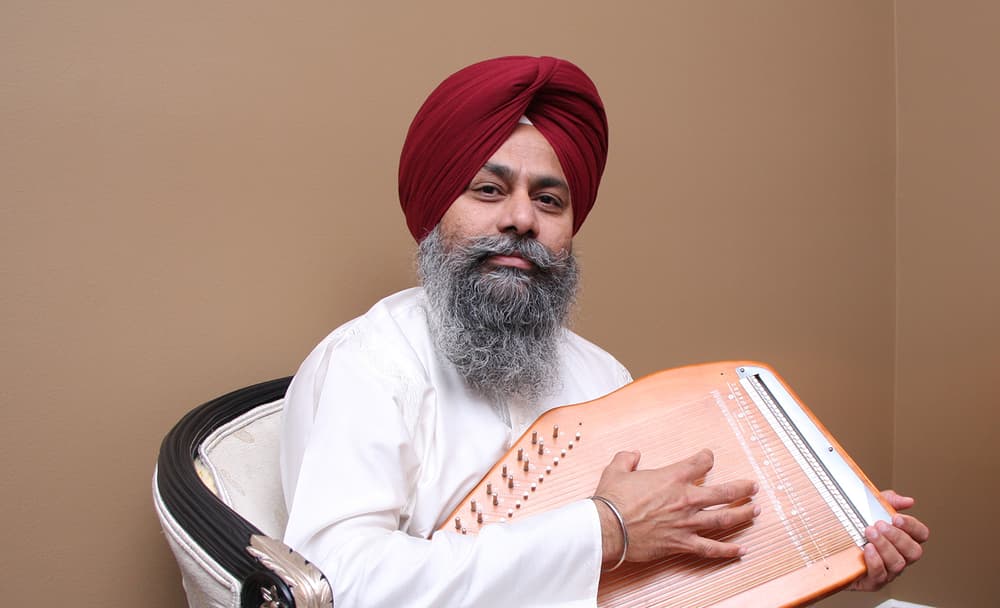
Professor Paramjeet Singh's performance of "Yun Hi Be Sabab Na Phira Karo" in Raag Des is a deeply expressive rendition of a classical Urdu ghazal centered on the pain of unrequited love and the inevitability of parting. The piece explores how lovers become separated without clear reason—how those who call from the heart are never returned to, and how the speaker grapples with the impossible task of forgetting someone who has claimed their heart. Through the melodic framework of Raag Des, a raga known for its emotional depth and capacity to convey both longing and resignation, Professor Paramjeet brings the ghazal's philosophical meditation on human connection and loss into rich musical expression.

Leitura · 8 seções

What Is the Central Metaphor of the Ghazal?

The phrase "Yun Hi Be Sabab Na Phira Karo" translates roughly as "Do not turn away without reason" or "Do not abandon me so thoughtlessly." This refrain, which anchors the ghazal, speaks to a deeply human question: why do people drift apart? The ghazal does not blame malice or betrayal—instead, it suggests something more painful: the separation happens almost by default, without explanation, almost as a law of nature. It is not an act of deliberate cruelty, but rather an inexplicable turning away that feels both inevitable and senseless.

This central tension—between the inevitability of separation and its apparent reasonlessness—frames all the couplets that follow. The speaker is not raging at a lover's betrayal; rather, he is contemplating the mysterious force that pulls people apart, the way connection becomes disconnection without conscious choice.

How Does Raag Des Frame the Emotional Journey?

Raag Des is a classical Indian raga traditionally associated with the monsoon season and the experience of longing. It carries an inherent melancholy and a quality of patient resignation—emotions perfectly suited to the ghazal's subject matter. In Professor Paramjeet's interpretation, the raga provides a container for the speaker's emotional arc: from initial plea (the refrain), through increasingly painful reflection on what has been lost, to a kind of philosophical acceptance of human impermanence.

The slow, deliberate phrasing characteristic of Raag Des allows each word of the Urdu text to resonate. There is no rush; the music moves with the gravity of grief. The melodic contours descend naturally, mirroring an emotional withdrawal or surrender. This is not a raga meant for celebration or triumph—it is suited instead to introspection, to sitting alone with loss.

What Do the Couplets Reveal About Longing?

The ghazal progresses through a series of couplets that deepen the exploration of unrequited love and unanswered calling. One of the central images involves the speaker calling someone to come to them—"Jinne Tum Ko Dil Se Bulaya" (those whom I have called from my heart)—but that call goes unanswered. The beloved does not return; the connection is not restored.

A later couplet shifts the perspective: "Ishtihaarssi Lagti Hai Mujhe Mohabbatoki Kahanyya" (it seems to me that the story of love is worth telling, worth sharing). This suggests that even in the pain of separation, the experience of love itself holds value—it is worth witnessing, worth speaking about, even when it ends without fulfillment. The speaker does not regret loving; he regrets only that the love could not endure.

Another crucial moment arrives in the reflection: "Jara Fasale Se Milakro" (why not come together even across distance?). This is a plea for connection despite obstacles. It acknowledges that separation need not be absolute—that even across the gap, some thread of connection might remain. Yet the ghazal's overall momentum suggests this hope is fragile, tested by the inexorability of parting.

How Does the Refrain Deepen Across the Performance?

The refrain "Yun Hi Be Sabab Na Phira Karo" returns multiple times throughout the performance, and with each return it gathers new resonance. In the opening, it is a direct plea—almost a command, as though the speaker believes he can reverse the turning away if only he asks clearly enough. But as the performance deepens and the couplets accumulate their weight of reflection, the refrain begins to sound less like a plea and more like an acknowledgment of what cannot be changed.

By the later iterations of the refrain, there is a shift in tone. The speaker seems to have moved from asking "do not leave" to something closer to "why did you leave without reason?" The music itself carries this evolution—the same melodic phrases, but informed by everything that has come before, now sound weighted with acceptance rather than urgent demand.

What Is the Role of the Second Verse?

Toward the middle of the performance (around 3:30–5:00), Professor Paramjeet introduces a shifting section where the performance becomes more elaborate and ornate. Here the raga's possibilities expand, with more rapid passages and wider melodic leaps. This section often serves in Raag Des performances as a kind of deepening—a move into more intimate emotional terrain.

In this expanded middle section, the couplets explore a different angle: the impossibility of forgetting. The speaker acknowledges that the beloved has taken hold of the heart ("Tum Ko Dil Se Bulaya")—and that once someone has been called from the heart, the call becomes permanent. It cannot be unsaid. The beloved may not return, but neither can the speaker uncall them. This is the paradox of deep love: it marks you permanently, even in its incompleteness.

What Is the Ghazal's Philosophical Position on Love?

Unlike a Western romantic narrative, the ghazal does not end in resolution—reunion or final closure. Instead, it sits in the space of ongoing, unresolved longing. The ghazal form itself is designed to allow this: each couplet can stand alone, and the overall shape is not a narrative arc but a meditation that circles around the same emotional truth from multiple angles.

The speaker's position might be summarized this way: love happens. It marks the heart. The beloved leaves, apparently without sufficient reason. The speaker cannot forget them, cannot undo the calling. This is human experience—not a failure of will, but the actual structure of human connection. We reach toward each other; sometimes we connect; often that connection dissolves for reasons neither party can fully articulate. The ghazal does not rage against this; it simply names it, with precision and deep feeling.

How Does Professor Paramjeet's Vocal Approach Serve the Text?

Professor Paramjeet's rendering emphasizes clarity and emotional restraint. He does not oversell the drama; instead, each word of the Urdu text is articulated with care, allowing the semantic weight to come through. The vocal ornamentation—the gamaks, the subtle bends and slides characteristic of Raag Des—emerges organically from the text itself, not imposed upon it.

There is a particular sensitivity in how the refrain is sung. The word "Sabab" (reason) is given special weight; the "phira karo" (turn away) has a quality of gentle protest rather than angry accusation. This vocal choice aligns with the ghazal's own emotional tenor: sadness, yes, but also a kind of courtly restraint, a refusal to collapse into mere complaint.

The performance also demonstrates how the choice of Raag Des itself becomes a kind of interpretation. A different raga might have made the same words sound angry, or triumphant, or defiant. Raag Des makes them sound accepting, resigned, and deeply human—as though the speaker has come to understand that this separation, though painful, is somehow natural, part of the way the world moves.

Where to go from here

To deepen your engagement with this work, listen to other classical ghazal renditions in Raag Des to compare interpretive choices and understand how different vocalists bring varying emotional temperatures to the same text. Study the Urdu text alongside Professor Paramjeet's performance, paying attention to how specific words and concepts are emphasized through melodic phrasing. Explore the broader ghazal tradition—poets like Mirza Ghalib and Jaun Elia—to see how the form handles themes of love, loss, and philosophical resignation. Consider also exploring other raags known for emotional depth: Raag Yaman, Raag Bhairav, or Raag Marwa, each of which carries its own particular emotional signature. If you are drawn to Raag Des specifically, listen to instrumental renditions on sarangi, sitar, or sarod to understand the raga independent of the vocal text, then return to Professor Paramjeet's performance with that knowledge in place.

Comments

Loading the conversation…

Transcript

[0:00] [ਸੰਗੀਤ]

[0:01] యుహి

[0:03] బేసబబ న ఫేరాకర

[0:07] కోయి

[0:09] షా ర్

[0:11] బరహ క

[0:13] కోయి

[0:15] శామ र

[0:17] रहा कर

[0:20] गजल

[0:22] कि स किता है

[0:27] ल

[0:30] [ਸੰਗੀਤ]

[0:31] బ

[0:32] హై ఉసే చుప్కే చుప్కే పడా కరో యుహ

[0:41] బేసబబ న

[0:44] ਪరాక యుహ

[0:47] బేసబబ న పరాక

[0:50] [ਸੰਗੀਤ]

[1:09] [ਸੰਗੀਤ]

[1:21] ਜੋਗਲੇ

[1:23] ਮਿਲੋਗੇ ਤਪਾਕਸੇ

[1:26] [ਸੰਗੀਤ]

[1:33] కోయి

[1:34] హత్ ీ నా మిలాయేగా

[1:40] ਗలే

[1:41] ਮలోੋगेే ਤ

[1:45] [ਸੰਗੀਤ]

[1:49] పాਕస

[1:52] కోయి

[1:54] కోయి కోయి

[2:01] [ਸੰਗੀਤ]

[2:06] గలే కోయి హాथ

[2:09] [ਸੰਗੀਤ]

[2:10] ీనా मिిలాయేగా

[2:14] జగలే

[2:16] మిలోగే

[2:19] తపక్సే కోయి హాత్

[2:22] హినా

[2:25] మిలాయేగా

[2:26] జగలే

[2:28] మిలోగే తప

[2:31] [ਸੰਗੀਤ]

[2:33] నయ

[2:34] మిజజ క హర్ హై

[2:39] నయ మిజాజ్ క షహర్ హై జరా

[2:46] ఫसले से मिलाకరో

[2:51] रा

[2:52] फसले से

[2:55] మిలా కరో యుహి బ సబబ ਜ ਪਰਾ ਕਰो ਜ ਨ

[3:05] ਬੇਸੰਭਵ ਪਿਰਾ ਕਰो యుਹੀ

[3:10] బੇਸਬਬ ਨਫਿਰਾ ਕਰ యుਹੀ ਬే

[3:17] [ਸੰਗੀਤ]

[3:32] ఇష్తిహర్సి లగతి హై ముజే

[3:39] ఇశతిహర్సి

[3:40] లగతిహై య

[3:44] మొహబతోకి

[3:47] [ਸੰਗੀਤ]

[3:56] కహయా ముజే ఇతహ

[4:01] లగతి హై య

[4:06] మహబతోకి

[4:12] కహనియా జో కహా

[4:15] నహి వ सुనా

[4:18] క जोో కహ ని

[4:23] సునా

[4:24] కो जो सुना న वो कहा

[4:30] కరో

[4:32] జోసునా నహి వ

[4:35] కహా కరో యున

[4:40] బేసబబ

[4:41] పరా క యుహి

[4:46] బేసబబ నఫేరాక

[4:49] [ਸੰਗੀਤ]

[4:54] [ਤਾੜੀਆਂ]

[4:55] [ਸੰਗੀਤ]

[5:11] [ਸੰਗੀਤ]

[5:21] ਹਾਂਜੀ ਮਖਤਾ

[5:22] [ਤਾੜੀਆਂ]

[5:22] [ਸੰਗੀਤ]

[5:25] ਹੈ ਅਰਾహమ

[5:29] [ਸੰਗੀਤ]

[5:30] ਕਈ ਮੋੜ ਹੈ ਕੋਈ

[5:34] ਆਏਗਾ ਕੋਈ

[5:37] ਜਾਇਗਾ

[5:41] ਅਰਾਮే ਕਈ ਮੋੜ ਹੈై ਕੋਈ

[5:47] ਆయਗਾ ਕੋਈ

[5:53] ਜਾయਗਾ ਜਿਨੇ ਤੁਮ ਕੋ ਦਿਲ ਸੇ ਬੁਲਾ ਦਿਆ

[6:00] ਜਿ

[6:02] కో ల్

[6:04] ులా దియా

[6:08] ੂਲਨੇ ਕੀ

[6:11] ਦੁਆ ਕਰੋ ਉਨ

[6:14] ਬੂਲਨੇ ਕੀ

[6:17] దుੁਆ ਕਰ

[6:21] యుਨ ਪరా

[6:23] [ਸੰਗੀਤ]

[6:25] ਉਹੀ

[6:26] ਬేਸਭਬ ਨ

[6:29] ਰਾకੋ

[6:30] యి శామ

[6:33] ర్ బి రహ కరో

[6:37] గजల్కి सच् किताब है

[6:43] गजलకి सच् किताब హై ఉసే చుప్కే చుప్కే పడా

[6:51] కరో యు బేసరా

[6:55] [ਸੰਗੀਤ]

[7:00] సబ నా పరా క యుహి ਮੈ

[7:09] [ਸੰਗੀਤ]

Professor Paramjeet Singh
ArtistProfessor Paramjeet Singh

Professor Paramjeet Singh is an Indian classical vocalist and Sikh kirtan artist who has mastered over 125 ragas and devoted his career to preserving the devotional music of saints…

Ver perfilSite
Explorar temas
Raag-desGhazalUrdu-poetryUnrequited-loveClassical-music

Tem perguntas?

Perguntas frequentes

The phrase translates to 'Do not turn away without reason' or 'Do not abandon me so thoughtlessly.' It expresses the pain of inexplicable separation—the speaker's bewilderment at how connection can dissolve without clear cause, almost as though parting were an invisible law rather than a deliberate choice.
Raag Des is traditionally associated with longing and the monsoon season, making it ideal for expressing the ghazal's themes of unrequited love and melancholic resignation. The raga's natural descent and patient quality mirror the emotional journey from plea to acceptance that the ghazal undertakes.
A ghazal is built from independent couplets that can stand alone, each exploring the same emotional theme from different angles. Unlike narrative songs, ghazals do not move toward plot resolution; instead, they circle around a single truth—in this case, the impossibility of explaining or reversing a beloved's departure.
The speaker moves from direct plea ('do not leave') toward philosophical acceptance ('why did this happen?'). By the final refrains, the tone has shifted from urgent demand to resigned recognition that separation is part of human experience, while the call to the beloved remains forever inscribed in the heart.
Urdu ghazals have long been paired with Indian classical raags, creating a hybrid form where the melodic logic of the raga frames and deepens the semantic and emotional content of the poetry. This combination allows complex emotional truths to be explored with both musical and linguistic precision.
'I have called you from my heart'—this phrase captures the permanence of love's mark. Once someone has been called from the heart with such depth, that call cannot be unsaid or forgotten, even when the beloved does not return. It expresses the paradox of love: its very intensity makes it impossible to undo.
His approach emphasizes clarity of text and emotional restraint. Rather than imposing dramatic ornamentation, he allows the Urdu words to carry their semantic weight, with the raga's characteristic bends and gamaks emerging organically from the meaning and emotional contour of the poetry itself.

Continuar lendo

More from Professor

Ver Tudo
Raag-Based Gurbani Kirtan: The Beauty of Mere Laalan Ki Sobha
Inspire

Raag-Based Gurbani Kirtan: The Beauty of Mere Laalan Ki Sobha

Learn how raag-based Gurbani kirtan preserves authentic Sikh devotional music through the shabad "Mere Laalan Ki Sobha," performed in classi…

1 min read
Raag-Based Gurbani Kirtan: Tukhari, Bhairavi, and Classical Tradition
Inspire

Raag-Based Gurbani Kirtan: Tukhari, Bhairavi, and Classical Tradition

Experience the spiritual depth of Patiala Gharana kirtan through rare raags and Gurbani compositions. A live performance honoring classical …

1 min read
Music That Asks Not to Be Hurried
Inspire

Music That Asks Not to Be Hurried

Todd Boston and Silvia Nakkach on Pema Journey: fingerstyle guitar, classical North Indian voice, raga-inspired melody, and a record built a…

1 min read
Alapana: The Melodic Foundation of Indian Classical Music
Inspire

Alapana: The Melodic Foundation of Indian Classical Music

Alapana is the unaccompanied melodic exploration that opens a raga performance, establishing the scale and emotional character before rhythm…

1 min read

Continue explorando

Continue sua jornada

Mais sabedoria e mais encontros de todo o diretório BrightStar.

Mais artigos

Explore a biblioteca completa de ensinamentos, entrevistas e guias.

Voltar a todos os artigos →

Professores e artistas

Conheça as linhagens, os músicos e os guias do mundo consciente.

Explorar artistas →

Encontre um evento

Kirtan, retiros, banhos de som, breathwork, festivais — acontecendo em breve.

Ver eventos →