BrightStar

Ver todos os Events

Descubra encontros conscientes

events

Yoga
Meditation
Breathwork
Qigong
Tai Chi
Sacred Music
World Music
Medicine Music
Sound Healing
Ecstatic Dance
Destinos populares
BaliSedonaLos AngelesCosta RicaNew YorkSan FranciscoAustinMiamiJoshua TreeTulum
Ver todas as categoriasVer todos os destinos

Explorar todos os recursos

Ferramentas poderosas para expandir seus eventos

Recursos da plataforma

Precificação dinâmica inteligente
Categorias de ingressos
Lugares marcados
Recuperação de carrinho abandonado
Recuperação de visitantes
Doações e preço variável
Sistema de afiliados
Scanner de ingressos
Códigos de desconto
Perguntas personalizadas
Compartilhamento de ingressos
Upsells e adicionais
Análises e relatórios
Sequências de e-mail
Lista de espera / Notificar / Lembrar
Pessoas e Lugares
Artists & TeachersEvent OrganizersVenues & StudiosKnowledge BaseGlossaryInspiration
Ver todos os recursosSobre nós
PreçosBlog
Language
Saved events
Ver todos os eventos

events

YogaMeditationBreathworkQigongTai ChiSacred MusicWorld MusicMedicine Music

Destinos populares

BaliSedonaLos AngelesCosta RicaNew YorkSan Francisco

Pessoas e Lugares

Artists & TeachersEvent OrganizersVenues & StudiosKnowledge BaseGlossaryInspiration

Recursos da plataforma

Precificação dinâmica inteligenteCategorias de ingressosLugares marcadosRecuperação de carrinho abandonadoRecuperação de visitantesDoações e preço variávelSistema de afiliadosScanner de ingressosCódigos de descontoPerguntas personalizadasCompartilhamento de ingressosUpsells e adicionaisAnálises e relatóriosSequências de e-mailLista de espera / Notificar / Lembrar
Ver todos os recursosSobre nós
PreçosBlog
EntrarBuscadoresCriadores
  • Ver todos os Eventos
  • Para buscadores
  • Yoga
  • Meditação
  • Respiração consciente
  • Qigong
  • Tai chi
  • Música sagrada
  • World music
  • Música de medicina
  • Terapia sonora
  • Dança extática
  • Retiros
  • Workshops
  • Todas as categorias →
  • Bali
  • Sedona
  • Los Angeles
  • Costa Rica
  • Tulum
  • Byron Bay
  • San Francisco
  • Austin
  • New York
  • San Diego
  • Denver
  • Seattle
  • Portland
  • Miami
  • Todas as cidades →
  • Be Found
  • Sell Globally
  • Para criadores
  • Para equipes
  • Para escritores
  • Para professores
  • Para artistas de kirtan
  • Para estúdios
  • Para festivais
  • Para centros de retiro
  • Para organizações sem fins lucrativos
  • Embaixador da marca
  • Estudos de caso
  • Ingressos grátis
  • Elevate
  • Amplify
  • Rede de 500K+ compradores
  • Recuperação de carrinho abandonado
  • Precificação dinâmica inteligente
  • Categorias de ingressos
  • Eventos recorrentes
  • Lugares marcados
  • Sistema de afiliados
  • Lista de espera / Notificar
  • Scanner de ingressos
  • Widget incorporável
  • Distribuição de eventos
  • Central de mensagens
  • Integrações
  • Relatórios
  • Todos os recursos →
  • Sobre
  • O ecossistema
  • Blog
  • Glossário
  • Inspiração
  • Central de ajuda
  • Contato
  • Documentação da API
  • Recursos da marca
  • Carreiras
  • Imprensa
  • Termos de Serviço
  • Política de Privacidade

Eventos

  • Ver todos os Eventos
  • Para buscadores
  • Yoga
  • Meditação
  • Respiração consciente
  • Qigong
  • Tai chi
  • Música sagrada
  • World music
  • Música de medicina
  • Terapia sonora
  • Dança extática
  • Retiros
  • Workshops
  • Todas as categorias →

Destinos

  • Bali
  • Sedona
  • Los Angeles
  • Costa Rica
  • Tulum
  • Byron Bay
  • San Francisco
  • Austin
  • New York
  • San Diego
  • Denver
  • Seattle
  • Portland
  • Miami
  • Todas as cidades →

Para criadores

  • Be Found
  • Sell Globally
  • Para criadores
  • Para equipes
  • Para escritores
  • Para professores
  • Para artistas de kirtan
  • Para estúdios
  • Para festivais
  • Para centros de retiro
  • Para organizações sem fins lucrativos
  • Embaixador da marca
  • Estudos de caso
  • Ingressos grátis
  • Elevate
  • Amplify

Recursos

  • Rede de 500K+ compradores
  • Recuperação de carrinho abandonado
  • Precificação dinâmica inteligente
  • Categorias de ingressos
  • Eventos recorrentes
  • Lugares marcados
  • Sistema de afiliados
  • Lista de espera / Notificar
  • Scanner de ingressos
  • Widget incorporável
  • Distribuição de eventos
  • Central de mensagens
  • Integrações
  • Relatórios
  • Todos os recursos →

Empresa

  • Sobre
  • O ecossistema
  • Blog
  • Glossário
  • Inspiração
  • Central de ajuda
  • Contato
  • Documentação da API
  • Recursos da marca
  • Carreiras
  • Imprensa
  • Termos de Serviço
  • Política de Privacidade
BrightStar
© 2026 BrightStar. Todos os direitos reservados.
Inspiration

Om Namah Shivaya Chant:Ecstatic Trance Meditation

Jai Uttal
Jai Uttal
Sep 30, 2026
5 min de leitura
Assistir · 4

Ninety-one seconds. That is the whole arc of Jai Uttal's "Om Namah Shivaya Trance"—a distilled, devotional engine of sacred sound that moves with the speed and inevitability of a mantra entering the bloodstream. The piece is not a lecture or a teaching layered with explanation. It is a direct transmission: chant, repetition, and the listener's own capacity to surrender to the frequency and let it work.

The opening invocation, "Om Namah Shivaya," is among the oldest Sanskrit mantras in Hindu and yogic tradition. Broken down phonetically, the phrase translates roughly as "I bow to Shiva"—Shiva being the aspect of consciousness associated with dissolution, transformation, and the transcendent void from which all creation emerges. Om is the primordial sound, the vibration that is said to underlie all existence. Namah means reverence or salutation. Shivaya is the dative form, literally "to Shiva." Taken together, the mantra is an act of submission to transformative force itself.

What Uttal does across these 91 seconds is strip away everything except the essential machinery of the chant. There is no musical arrangement, no backing track, no pedagogical scaffolding. The voice rises and falls in waves—"नमः शिवाय, नमः शिवाय"—a call-and-response pattern that mirrors the structure of traditional kirtan, the devotional call-and-answer singing that has been woven through Indian spiritual practice for centuries. The repetition is deliberate. It is not meant to bore the listener into submission but to create a kind of cognitive bypass, a space where the thinking mind steps aside and the body, the breath, and the nervous system can attune to the frequency of the mantra itself.

Leitura · 4 seções

How does repetition in chant work on the nervous system?

The mechanism is not mystical, though it can feel that way. Repetitive vocalization and listening activate the vagus nerve, the longest cranial nerve in the body, which governs the parasympathetic nervous system—the "rest and digest" state. When you chant or listen to rhythmic, tonal utterance with intention, your heart rate typically slows, your breathing deepens, and your cortisol levels drop. The practice has been studied by neuroscientists and validated in peer-reviewed literature: mantra repetition increases coherence in brain-wave activity and can induce states of deep relaxation and heightened awareness simultaneously. It is not that the words themselves possess magical power, but that the frequency, rhythm, and focused attention create measurable shifts in physiology and consciousness.

What makes Om Namah Shivaya specifically potent?

The mantra's power lies in its harmonic structure and its lineage. Om is understood in yoga and Vedantic philosophy as the fundamental vibration of the universe. When chanted, it activates the entire vocal range—the sound begins in the belly (the "O" sound), moves through the heart and throat (the "m" sound), and resolves in a silent vibration at the crown of the head. Namah Shivaya, by invoking Shiva, calls on the principle of transformation and dissolution—the necessary counterpart to creation and attachment. In the context of spiritual practice, this mantra is understood as a way of honoring and aligning with the forces of change and transcendence within one's own consciousness.

Jai Uttal's particular lineage carries this intention forward through the tradition of kirtan—devotional chanting rooted in Hindu and yogic practice but increasingly embraced across contemporary spiritual communities in the West. His voice in this recording is direct, unadorned, almost raw. There are no layers of production or aesthetic softening. What you hear is the voice and the mantra, and the invitation is simple: attune yourself to this frequency and let what happens, happen.

Why does ecstatic chant feel transcendent?

The term "ecstatic" points to a shift in consciousness that practitioners report during or after intensive chanting: a sense of dissolution of ego boundaries, an expansion beyond the ordinary sense of self, a felt connection to something larger. This can occur through a combination of factors: the hypnotic effect of repetition, the activation of the parasympathetic nervous system, the cultural and spiritual significance carried by the mantra, and the sheer power of sound vibration itself. When you enter into rhythmic, tonal utterance with full presence and intent, you are engaging multiple systems at once—nervous system, endocrine system, the subtle energy channels described in yoga philosophy. The result can feel like liberation, clarity, or a profound peace.

In Uttal's 91-second recording, the listener is not required to believe in any particular theology or cosmology. The invitation is experiential: press play, listen with an open nervous system, and notice what shifts. The mantra does not require permission or faith to work on the body. It simply requires attention.

Where to go from here

If "Om Namah Shivaya Trance" resonates with you, deepen the practice by exploring longer recordings of the mantra. Many kirtan artists, including Uttal himself, have recorded extended versions of this chant designed for extended meditation. You might also investigate the philosophical roots of the mantra by reading the Shiva Sutras or introductory texts on Kashmir Shaivism, the Tantric tradition that centrally honors Shiva consciousness. Finally, consider exploring live kirtan—group chanting events are increasingly available in cities and spiritual communities around the world, and the collective resonance of many voices chanting together amplifies the effect described here.

Comments

Loading the conversation…

Transcript

[0:01] 나시야

[0:18] 나мая

[0:24] 나мая

[0:38] 나시

[0:42] 엄나

[0:44] 맛시

[0:55] 나시바라시야

[1:14] 나야

[1:17] 나시야

[1:29] Oh. Oh.

Jai Uttal
ArtistJai Uttal

American kirtan singer, multi-instrumentalist, and pioneer of devotional sound in the West — one of the central figures, alongside Krishna Das, Snatam Kaur, and Deva Premal, in the…

Ver perfilSite
Explorar temas
Om-namah-shivayaKirtanMantra-chantingEcstatic-chantSacred-sound

Tem perguntas?

Perguntas frequentes

Om Namah Shivaya translates as "I bow to Shiva." Om is the primordial sound of creation; Namah means reverence; and Shivaya invokes Shiva, the aspect of consciousness associated with transformation and transcendence. Together, it is a salutation to transformative force itself.
Repetitive vocalization and listening activate the parasympathetic nervous system, slowing heart rate and deepening breath. The frequency and rhythm of the mantra create measurable shifts in physiology and brainwave coherence, inducing states of relaxation and heightened awareness simultaneously—effects that accumulate even in brief exposure.
Kirtan is devotional call-and-response chanting rooted in Hindu and yogic tradition. Unlike some forms of chanting that emphasize technique or musical virtuosity, kirtan prioritizes collective resonance and spiritual intention, creating a space where participants can experience ecstatic states through communal participation.
Yes. The physiological effects of mantra—vagal activation, nervous system regulation, coherence in brainwave patterns—occur independently of belief. The tradition and meaning add depth, but the mantra's impact on the body and nervous system is accessible to anyone, regardless of their spiritual framework.
Shiva represents the principle of transformation, dissolution, and the transcendent void from which creation emerges. In invoking Shiva, the mantra honors the forces of change and liberation within consciousness—a complement to attachment and creation—making it powerful for practices aimed at transcendence and inner dissolution.
Ecstatic chant is designed to invoke a state of transcendence and ego dissolution—a felt expansion beyond ordinary consciousness—while meditative chanting may emphasize calm, focus, and inner clarity. Ecstatic chant often uses more dynamic vocal expression and rhythmic intensity to facilitate this shift in consciousness.
Yes. Playing this 91-second recording daily can become part of a meditation or spiritual practice. The repetition over time deepens your attunement to the mantra's frequency. Many practitioners also extend the practice by exploring longer recordings of Om Namah Shivaya designed for deeper meditation.
Blue Spirit likely refers to the spiritual lineage or energy invoked through the ecstatic chanting practice—blue being associated with Shiva, the throat chakra, and transcendent consciousness in yogic and Hindu iconography. The specific context is anchored in Jai Uttal's particular artistic and spiritual framing.

Continuar lendo

More from Jai

Ver Tudo
How the Bauls of Bengal Broke My Sky: A Musician's Search
Inspire

How the Bauls of Bengal Broke My Sky: A Musician's Search

A chance encounter on a dirt path in West Bengal led to a musical awakening. Jai Uttal traces how the outcasts of Bengali culture transforme…

1 min read
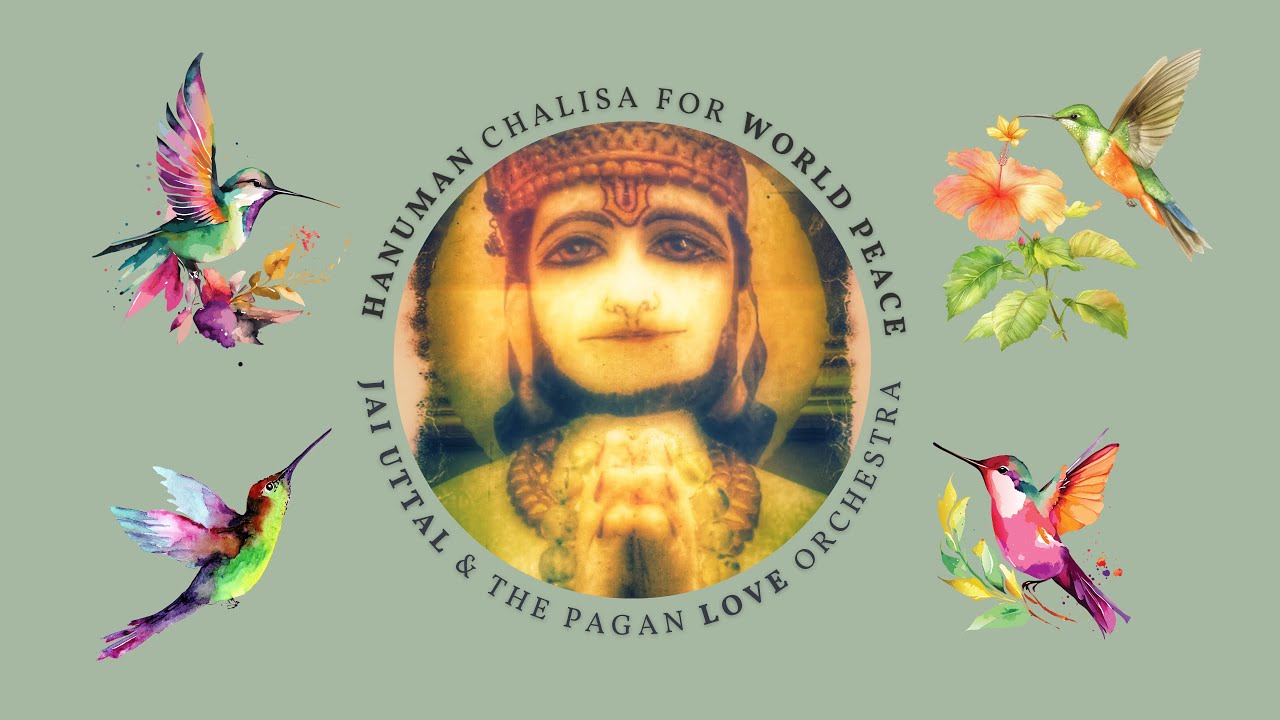
Hanuman Chalisa for World Peace: Ancient Chant for Modern Times
Inspire

Hanuman Chalisa for World Peace: Ancient Chant for Modern Times

Jai Uttal leads a devotional rendering of the Hanuman Chalisa, a 40-verse Sanskrit hymn invoking strength, clarity, and peace through kirtan…

1 min read
Govinda Jaya: How Sacred Sound Awakens the Heart
Inspire

Govinda Jaya: How Sacred Sound Awakens the Heart

Radhika Das channels the liberating power of mantra through a luminous kirtan performance at Medicine Festival, invoking divine names to pur…

1 min read
Deva Premal & Miten Return to Melbourne After Years Away
Inspire

Deva Premal & Miten Return to Melbourne After Years Away

Deva Premal and Miten announce their return to Melbourne's Palais Theatre on October 26, celebrating 35 years of mantra and music with longt…

1 min read

Continue explorando

Continue sua jornada

Mais sabedoria e mais encontros de todo o diretório BrightStar.

Mais artigos

Explore a biblioteca completa de ensinamentos, entrevistas e guias.

Voltar a todos os artigos →

Professores e artistas

Conheça as linhagens, os músicos e os guias do mundo consciente.

Explorar artistas →

Encontre um evento

Kirtan, retiros, banhos de som, breathwork, festivais — acontecendo em breve.

Ver eventos →