BrightStar

Ver todos os Events

Descubra encontros conscientes

events

Yoga
Meditation
Breathwork
Qigong
Tai Chi
Sacred Music
World Music
Medicine Music
Sound Healing
Ecstatic Dance
Destinos populares
BaliSedonaLos AngelesCosta RicaNew YorkSan FranciscoAustinMiamiJoshua TreeTulum
Ver todas as categoriasVer todos os destinos

Explorar todos os recursos

Ferramentas poderosas para expandir seus eventos

Recursos da plataforma

Precificação dinâmica inteligente
Categorias de ingressos
Lugares marcados
Recuperação de carrinho abandonado
Recuperação de visitantes
Doações e preço variável
Sistema de afiliados
Scanner de ingressos
Códigos de desconto
Perguntas personalizadas
Compartilhamento de ingressos
Upsells e adicionais
Análises e relatórios
Sequências de e-mail
Lista de espera / Notificar / Lembrar
Pessoas e Lugares
Artists & TeachersEvent OrganizersVenues & StudiosKnowledge BaseGlossaryInspiration
Ver todos os recursosSobre nós
PreçosBlog
Language
Saved events
Ver todos os eventos

events

YogaMeditationBreathworkQigongTai ChiSacred MusicWorld MusicMedicine Music

Destinos populares

BaliSedonaLos AngelesCosta RicaNew YorkSan Francisco

Pessoas e Lugares

Artists & TeachersEvent OrganizersVenues & StudiosKnowledge BaseGlossaryInspiration

Recursos da plataforma

Precificação dinâmica inteligenteCategorias de ingressosLugares marcadosRecuperação de carrinho abandonadoRecuperação de visitantesDoações e preço variávelSistema de afiliadosScanner de ingressosCódigos de descontoPerguntas personalizadasCompartilhamento de ingressosUpsells e adicionaisAnálises e relatóriosSequências de e-mailLista de espera / Notificar / Lembrar
Ver todos os recursosSobre nós
PreçosBlog
EntrarBuscadoresCriadores
  • Ver todos os Eventos
  • Para buscadores
  • Yoga
  • Meditação
  • Respiração consciente
  • Qigong
  • Tai chi
  • Música sagrada
  • World music
  • Música de medicina
  • Terapia sonora
  • Dança extática
  • Retiros
  • Workshops
  • Todas as categorias →
  • Bali
  • Sedona
  • Los Angeles
  • Costa Rica
  • Tulum
  • Byron Bay
  • San Francisco
  • Austin
  • New York
  • San Diego
  • Denver
  • Seattle
  • Portland
  • Miami
  • Todas as cidades →
  • Join the Movement
  • Sell Globally
  • Para criadores
  • Para equipes
  • Para escritores
  • Para professores
  • Para artistas de kirtan
  • Para estúdios
  • Para festivais
  • Para centros de retiro
  • Para organizações sem fins lucrativos
  • Embaixador da marca
  • Estudos de caso
  • Ingressos grátis
  • Elevate
  • Amplify
  • Rede de 500K+ compradores
  • Recuperação de carrinho abandonado
  • Precificação dinâmica inteligente
  • Categorias de ingressos
  • Eventos recorrentes
  • Lugares marcados
  • Sistema de afiliados
  • Lista de espera / Notificar
  • Scanner de ingressos
  • Widget incorporável
  • Distribuição de eventos
  • Central de mensagens
  • Integrações
  • Relatórios
  • Todos os recursos →
  • Sobre
  • O ecossistema
  • Blog
  • Glossário
  • Inspiração
  • Central de ajuda
  • Contato
  • Documentação da API
  • Recursos da marca
  • Carreiras
  • Imprensa
  • Termos de Serviço
  • Política de Privacidade

Eventos

  • Ver todos os Eventos
  • Para buscadores
  • Yoga
  • Meditação
  • Respiração consciente
  • Qigong
  • Tai chi
  • Música sagrada
  • World music
  • Música de medicina
  • Terapia sonora
  • Dança extática
  • Retiros
  • Workshops
  • Todas as categorias →

Destinos

  • Bali
  • Sedona
  • Los Angeles
  • Costa Rica
  • Tulum
  • Byron Bay
  • San Francisco
  • Austin
  • New York
  • San Diego
  • Denver
  • Seattle
  • Portland
  • Miami
  • Todas as cidades →

Para criadores

  • Join the Movement
  • Sell Globally
  • Para criadores
  • Para equipes
  • Para escritores
  • Para professores
  • Para artistas de kirtan
  • Para estúdios
  • Para festivais
  • Para centros de retiro
  • Para organizações sem fins lucrativos
  • Embaixador da marca
  • Estudos de caso
  • Ingressos grátis
  • Elevate
  • Amplify

Recursos

  • Rede de 500K+ compradores
  • Recuperação de carrinho abandonado
  • Precificação dinâmica inteligente
  • Categorias de ingressos
  • Eventos recorrentes
  • Lugares marcados
  • Sistema de afiliados
  • Lista de espera / Notificar
  • Scanner de ingressos
  • Widget incorporável
  • Distribuição de eventos
  • Central de mensagens
  • Integrações
  • Relatórios
  • Todos os recursos →

Empresa

  • Sobre
  • O ecossistema
  • Blog
  • Glossário
  • Inspiração
  • Central de ajuda
  • Contato
  • Documentação da API
  • Recursos da marca
  • Carreiras
  • Imprensa
  • Termos de Serviço
  • Política de Privacidade
BrightStar
© 2026 BrightStar. Todos os direitos reservados.
Inspiration

Mindfulness Meditation for Daily Life: A Practical Guide to Present-Moment Awareness

Hugh Byrne
Hugh Byrne
Aug 14, 2012
6 min de leitura
Assistir · 4

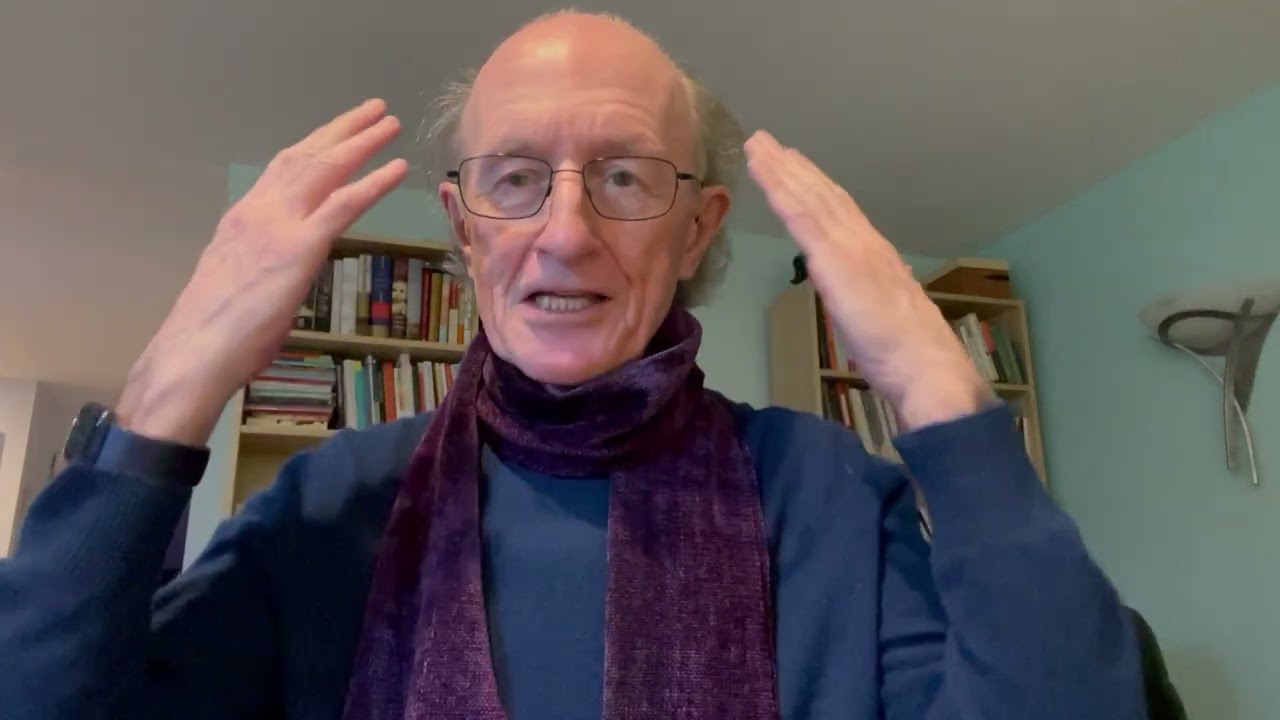
You settle into your seat and close your eyes. Almost immediately, your mind offers you something: a task you forgot to finish, a conversation replaying, a worry about later. Your first instinct is to push it away—to clear your mind. But what if that instinct itself is the misconception? What if thinking in meditation isn't failure; it's the entire point of the practice? A DC-based meditation teacher offers this reframe as the foundation of mindfulness: the practice isn't about becoming thoughtless. It's about training your attention to notice when you've drifted and gently return—again and again—to the present moment. That return, repeated thousands of times, rewires how your mind works.

Leitura · 6 seções

What Is Mindfulness Meditation, Really?

Mindfulness meditation is often described as "clearing the mind" or "finding inner peace," but both descriptions miss the actual mechanism. The teaching begins with permission: "Give yourself permission to be here" (0:11). That simple sentence contains the entire entry point. Most people approach meditation as a task—something to achieve, optimize, get right. But the first instruction dissolves that frame. You're not earning access to meditation. You're simply choosing to be present, and that choice is already enough.

The practice begins with posture: finding a way to sit that is both relaxed and comfortable, with your hands resting naturally in your lap or on your knees. But posture isn't about rigidity. The teaching emphasizes relaxation as an active ingredient. This matters because meditation can feel like a tense correction of your normal state—spine rigid, breath controlled, face stern. That's not the point. The invitation is ease, permission, naturalness.

Why Thinking Isn't the Problem

Here's where the teaching pivots into something genuinely useful: "Thinking isn't a problem in meditation. Just have to notice when we're thinking and choose to come back" (0:49). This single clarification resolves the most common obstacle people encounter when they first sit down. A person closes their eyes expecting their mind to go silent. Within seconds, thoughts arise. They interpret this as failure—"I'm not good at meditation. My mind won't stop." They quit.

But the teaching reframes the entire enterprise. Thinking isn't the failure point. Not noticing the thinking is. The practice is noticing when your attention has drifted—when you've become lost in thought—and then choosing to come back. Come back to the breath. Come back to the body. This is the training: "In this way we train our minds by moving our attention back into the present moment."

That mechanism—notice, gently redirect—is what meditation actually is. It's not a state you achieve and hold. It's a skill you develop: the capacity to catch yourself when you've left the present and return. And that skill transfers directly to daily life, to the moments when anxiety pulls you into the future or regret pulls you into the past. You notice. You choose to return. You come back.

The Paradox of Relaxed Attention

The teaching then introduces a paradox that many people never resolve: "Sitting in a way that's both relaxed and alert, bringing these two qualities together—a quality of ease and relaxation on one hand, an attention on the other" (0:97). This is the opposite of what people often attempt. They either relax into drowsiness or tense into rigid focus. Neither works.

Relaxation without attention becomes sleep. Attention without relaxation becomes anxiety—a tightly wound concentration that exhausts rather than nourishes. The teaching asks for both simultaneously: ease and alertness together. This is subtle work. It requires finding the middle path between collapse and tension, between the mind checking out and the mind clenching down.

In practical terms: you're aware of your breathing. You notice when your mind wanders. But you're not gripping the breath or forcing attention. You're simply present with what's here, in a state of what the teaching calls being "aware of your experience, relaxed and alert."

Opening to What's Actually Here

The deepest part of the teaching arrives near the end: "See if you can open to whatever is here right now, welcoming the guests—pleasant experiences, unpleasant experiences, maybe some tightness or tension in the body or a difficult emotion" (1:34). This is where mindfulness becomes something more than a relaxation technique. The instruction is to welcome difficulty.

This is radical. Most people meditate hoping to feel better, to escape discomfort. But the teaching suggests the opposite: see if you can open to the difficult emotion. See how it comes, stays for a while, and then passes. This is profound because it teaches something essential about the nature of experience itself: nothing is static. No emotion, no pain, no anxiety is permanent. It arises, it has duration, and it passes.

When you truly understand that emotionally—not just intellectually—fear loses some of its grip. You begin to trust that the difficult experience you're having right now will transform. This doesn't mean you want difficulty or that you become passive about it. It means you stop adding resistance to the experience, which often amplifies suffering. You stop saying "This shouldn't be happening" on top of the base experience. You just open to what's here.

A Practice for Daily Life

The teaching is explicitly framed as "mindfulness meditation for daily life," and that matters. This isn't a retreat technique or an exotic practice. It's something you can do anywhere—sitting in your car before work, on a subway, in a break room. Three minutes or thirty. The instruction remains the same: sit in a way that's relaxed and comfortable, settle your attention on the breath and body, notice when thinking has pulled you away, and gently come back.

The benefit accumulates. One meditation session trains the skill in isolation. But the real power emerges when you begin noticing throughout your day—in a stressful conversation, in a moment of craving, in a bout of self-doubt—that you can remember this quality of presence. You can come back. You can choose how to respond rather than react automatically.

The teaching doesn't promise euphoria or transcendence. It promises something more practical: the capacity to be more present in your own life, to work with difficulty rather than be overwhelmed by it, to train your attention so that it serves you rather than runs away from you.

Where to go from here

If this foundational teaching resonates, the natural next steps involve consistency and community. Establish a regular practice—even five or ten minutes daily produces measurable changes in attention and emotional regulation. Explore longer meditation sessions to deepen familiarity with the landscapes of your own mind. Seek out in-person instruction or meditation groups; the presence of a teacher and fellow practitioners provides both accountability and the subtle transmission that comes from practicing together. Read widely in mindfulness and contemplative traditions to develop a richer conceptual understanding. Most importantly, approach the practice with the same permission you give yourself on the cushion: be gentle with yourself as you learn, notice what arises without judgment, and trust that the repetition itself—the return, again and again—is the whole point.

Comments

Loading the conversation…

Transcript

[0:02] so sit in a way that's

[0:04] relaxed and comfortable

[0:11] give yourself permission to be here

[0:16] you might consciously

[0:18] put aside the

[0:20] plans that you have for later or the

[0:24] memories of things that have happened

[0:26] and just choose to be here now

[0:29] as fully present as you can be in this

[0:31] moment

[0:36] so begin by finding a relaxed and

[0:39] comfortable posture

[0:42] let your

[0:43] hands rest comfortably in your lap or on

[0:46] your knees

[0:49] thinking isn't a problem in meditation

[0:53] just have to notice when we're thinking

[0:55] and choose to come back

[0:58] choose to come back to the breath come

[1:00] back to the body

[1:02] and in this way we

[1:04] we train our minds

[1:10] by moving our attention back

[1:13] into the present moment

[1:20] as you breathe in just know that you're

[1:22] breathing in

[1:26] and as you breathe out

[1:28] know that you're breathing out

[1:37] sitting in a way that's both relaxed

[1:40] and alert

[1:42] so

[1:43] bringing these two qualities together a

[1:46] quality of

[1:48] ease relaxation on one hand

[1:52] an attention on the other

[1:55] aware of your experience

[1:59] relaxed

[2:00] and alert

[2:10] see if you can

[2:14] open to whatever

[2:16] is here right now

[2:18] welcoming the guests

[2:26] pleasant experiences unpleasant

[2:29] experiences

[2:31] maybe some tightness or tension in the

[2:33] body

[2:35] or a difficult emotion

[2:39] see if you can just

[2:41] open to that emotion and just see how it

[2:44] comes and

[2:45] stays for a while and then passes

[3:19] you

Hugh Byrne
ArtistHugh Byrne

Hugh Byrne, PhD, is a meditation teacher and author of The Here-and-Now Habit and Habit Swap, and a lead teacher at the Insight Meditation Community of Greater Washington.

Ver perfilSite
Explorar temas
Mindfulness-meditationBreath-awarenessPresent-momentMeditation-practiceAttention-training

Tem perguntas?

Perguntas frequentes

Yes, absolutely—wandering is not a failure. The entire practice is built on noticing when your mind has drifted and gently redirecting your attention back to the breath and body. That return is the training itself.
Relaxation without attention becomes drowsiness; attention without relaxation becomes tension. The teaching asks for both simultaneously: ease on one hand, alert awareness on the other. This middle ground is found through gentle practice over time.
Rather than pushing them away, the teaching invites you to open to them. Notice how the difficult emotion arises, stays for a while, and then passes. This teaches you that no emotional state is permanent, which can reduce fear and resistance in daily life.
There's no minimum or maximum. Three minutes or thirty—the instruction remains the same. Consistency matters more than duration; a regular short practice builds the skill more effectively than occasional long sessions.
You can meditate anywhere—in your car, on public transport, in a break room. The practice is explicitly designed for daily life. Any quiet moment where you can sit comfortably is sufficient.
Mindfulness specifically trains your capacity to notice when attention has drifted and redirect it to the present moment—the breath, body, or sensations. It builds the skill of presence and observation rather than seeking a specific state or outcome.

Continuar lendo

More from Hugh

Ver Tudo
Mindfulness Without Judgment: The Core Practice of Presence
Inspire

Mindfulness Without Judgment: The Core Practice of Presence

A six-minute guided meditation that teaches how to meet this moment—body, emotions, breath—with kindness instead of judgment. Learn the prac…

1 min read
Poetry as a Bridge to Direct Experience in Meditation
Inspire

Poetry as a Bridge to Direct Experience in Meditation

Poetry bypasses conceptual thought to deepen meditation, opening practitioners to direct experience and heart-centered presence.…

1 min read
The Mental Burden Behind Every Problem You Carry
Inspire

The Mental Burden Behind Every Problem You Carry

Where do your problems actually live? Eckhart Tolle reveals how the mind creates a superstructure of suffering separate from the situations …

1 min read
Guided Meditation: Resting in Reality Within the Body
Inspire

Guided Meditation: Resting in Reality Within the Body

A 23-minute guided meditation practice that returns attention to embodied presence, using body scan, breath, and sound to rest in the living…

1 min read

Continue explorando

Continue sua jornada

Mais sabedoria e mais encontros de todo o diretório BrightStar.

Mais artigos

Explore a biblioteca completa de ensinamentos, entrevistas e guias.

Voltar a todos os artigos →

Professores e artistas

Conheça as linhagens, os músicos e os guias do mundo consciente.

Explorar artistas →

Encontre um evento

Kirtan, retiros, banhos de som, breathwork, festivais — acontecendo em breve.

Ver eventos →