
BrightStar

Ver todos os Events

Descubra encontros conscientes

events

Yoga
Meditation
Breathwork
Qigong
Tai Chi
Sacred Music
World Music
Medicine Music
Sound Healing
Ecstatic Dance
Destinos populares
BaliSedonaLos AngelesCosta RicaNew YorkSan FranciscoAustinMiamiJoshua TreeTulum
Ver todas as categoriasVer todos os destinos

Explorar todos os recursos

Ferramentas poderosas para expandir seus eventos

Recursos da plataforma

Precificação dinâmica inteligente
Categorias de ingressos
Lugares marcados
Recuperação de carrinho abandonado
Recuperação de visitantes
Doações e preço variável
Sistema de afiliados
Scanner de ingressos
Códigos de desconto
Perguntas personalizadas
Compartilhamento de ingressos
Upsells e adicionais
Análises e relatórios
Sequências de e-mail
Lista de espera / Notificar / Lembrar
Pessoas e Lugares
Artists & TeachersEvent OrganizersVenues & StudiosKnowledge BaseGlossaryInspiration
Ver todos os recursosSobre nós
PreçosBlog
Language
Saved events
Ver todos os eventos

events

YogaMeditationBreathworkQigongTai ChiSacred MusicWorld MusicMedicine Music

Destinos populares

BaliSedonaLos AngelesCosta RicaNew YorkSan Francisco

Pessoas e Lugares

Artists & TeachersEvent OrganizersVenues & StudiosKnowledge BaseGlossaryInspiration

Recursos da plataforma

Precificação dinâmica inteligenteCategorias de ingressosLugares marcadosRecuperação de carrinho abandonadoRecuperação de visitantesDoações e preço variávelSistema de afiliadosScanner de ingressosCódigos de descontoPerguntas personalizadasCompartilhamento de ingressosUpsells e adicionaisAnálises e relatóriosSequências de e-mailLista de espera / Notificar / Lembrar
Ver todos os recursosSobre nós
PreçosBlog
EntrarBuscadoresCriadores
  • Ver todos os Eventos
  • Para buscadores
  • Yoga
  • Meditação
  • Respiração consciente
  • Qigong
  • Tai chi
  • Música sagrada
  • World music
  • Música de medicina
  • Terapia sonora
  • Dança extática
  • Retiros
  • Workshops
  • Todas as categorias →
  • Bali
  • Sedona
  • Los Angeles
  • Costa Rica
  • Tulum
  • Byron Bay
  • San Francisco
  • Austin
  • New York
  • San Diego
  • Denver
  • Seattle
  • Portland
  • Miami
  • Todas as cidades →
  • Join the Movement
  • Why we list
  • Sell Globally
  • Para criadores
  • Para equipes
  • Para escritores
  • Para professores
  • Para artistas de kirtan
  • Para estúdios
  • Para festivais
  • Para centros de retiro
  • Para organizações sem fins lucrativos
  • Embaixador da marca
  • Ingressos grátis
  • Elevate
  • Amplify
  • Rede de 500K+ compradores
  • Recuperação de carrinho abandonado
  • Precificação dinâmica inteligente
  • Categorias de ingressos
  • Eventos recorrentes
  • Lugares marcados
  • Sistema de afiliados
  • Lista de espera / Notificar
  • Scanner de ingressos
  • Widget incorporável
  • Distribuição de eventos
  • Central de mensagens
  • Integrações
  • Relatórios
  • Todos os recursos →
  • Sobre
  • O ecossistema
  • Blog
  • Glossário
  • Inspiração
  • Central de ajuda
  • Contato
  • Documentação da API
  • Recursos da marca
  • Carreiras
  • Imprensa
  • Termos de Serviço
  • Política de Privacidade

Eventos

  • Ver todos os Eventos
  • Para buscadores
  • Yoga
  • Meditação
  • Respiração consciente
  • Qigong
  • Tai chi
  • Música sagrada
  • World music
  • Música de medicina
  • Terapia sonora
  • Dança extática
  • Retiros
  • Workshops
  • Todas as categorias →

Destinos

  • Bali
  • Sedona
  • Los Angeles
  • Costa Rica
  • Tulum
  • Byron Bay
  • San Francisco
  • Austin
  • New York
  • San Diego
  • Denver
  • Seattle
  • Portland
  • Miami
  • Todas as cidades →

Para criadores

  • Join the Movement
  • Why we list
  • Sell Globally
  • Para criadores
  • Para equipes
  • Para escritores
  • Para professores
  • Para artistas de kirtan
  • Para estúdios
  • Para festivais
  • Para centros de retiro
  • Para organizações sem fins lucrativos
  • Embaixador da marca
  • Ingressos grátis
  • Elevate
  • Amplify

Recursos

  • Rede de 500K+ compradores
  • Recuperação de carrinho abandonado
  • Precificação dinâmica inteligente
  • Categorias de ingressos
  • Eventos recorrentes
  • Lugares marcados
  • Sistema de afiliados
  • Lista de espera / Notificar
  • Scanner de ingressos
  • Widget incorporável
  • Distribuição de eventos
  • Central de mensagens
  • Integrações
  • Relatórios
  • Todos os recursos →

Empresa

  • Sobre
  • O ecossistema
  • Blog
  • Glossário
  • Inspiração
  • Central de ajuda
  • Contato
  • Documentação da API
  • Recursos da marca
  • Carreiras
  • Imprensa
  • Termos de Serviço
  • Política de Privacidade
BrightStar
Baixe o app
Baixar naApp StoreDisponível noGoogle Play
© 2026 BrightStar. Todos os direitos reservados.
Inspiration

Lakshmi Mantra: Chanting for Abundance and Spiritual Awakening

Jaya Lakshmi and Ananda
Jun 5, 2021
6 min de leitura

De Jaya Lakshmi And Ananda Das

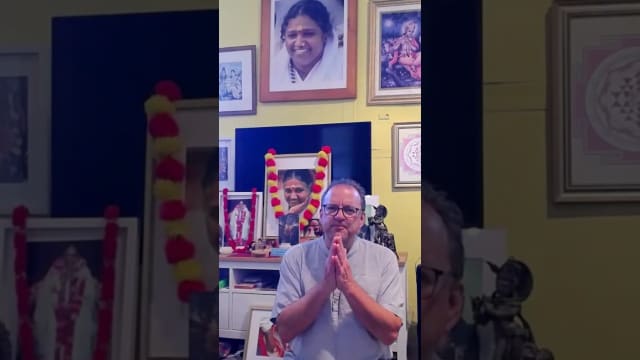
The Lakshmi mantra belongs to a lineage as old as Sanskrit itself, yet its resonance in contemporary spiritual practice reveals something essential about how devotional music works: it dissolves the boundary between invocation and transformation. In this exploration, kirtan artists Jaya Lakshmi and Ananda Yogiji offer not merely a chant, but a lived teaching on how repetitive sonic practice awakens both material harmony and inner luminosity.

Leitura · 7 seções

The Lakshmi Lineage: Goddess of Abundance and Inner Radiance

Lakshmi, in Hindu devotional tradition, represents far more than financial prosperity. She embodies the principle of auspiciousness—the flow of grace, beauty, and right relationship in all dimensions of life. The mantra dedicated to her operates on multiple frequencies simultaneously: it addresses the material realm (the traditional understanding of abundance), the emotional body (harmony and ease), and the luminous intelligence of awakening itself.

This layering is deliberate. Kirtan, the participatory call-and-response form of devotional singing, works precisely because it engages the whole being at once. The repetition isn't hypnotic escapism; it's a systematic tuning of the nervous system toward receptivity. When Jaya Lakshmi and Ananda Yogiji lead this mantra, they're not offering a performance to consume, but an instrument to play with your own voice.

What Does the Lakshmi Mantra Actually Do?

The traditional understanding holds that chanting the name or mantra of a deity creates a resonance with that principle. In the case of Lakshmi, practitioners report experiences ranging from the practical—unexpected financial flows, clearer decision-making about resources—to the subtle and energetic: a sense of spaciousness, a quieting of scarcity thinking, an enhanced felt sense of worthiness to receive.

The mechanism isn't magical. It's neurological and psychological. Repetitive mantra work activates the parasympathetic nervous system, shifting the body out of survival mode and into a state where the brain can access higher-order thinking. The specific vibrations of Sanskrit syllables, refined over millennia of practice, target particular energy centers in yogic anatomy. Most importantly, the act of singing together—of joining your voice with others in devotion—creates a social resonance that reminds the nervous system it's safe to be open, to receive, to flourish.

Awakening Through Repetition: The Kirtan Path

Kirtan differs fundamentally from meditation or study. It's a practice of embodied devotion. The leader—in this case, Jaya Lakshmi and Ananda Yogiji—establishes a phrase or mantra, and participants echo it back, round after round, often building in intensity, complexity, or emotional depth. The repetition isn't boring; it's hypnotic in the precise sense: it shifts consciousness into a more receptive state.

This form has ancient roots, but its relevance now lies in how it addresses contemporary fragmentation. In a culture that prizes novelty and constant stimulation, kirtan offers the opposite: one phrase, deepened infinitely through return. One name, explored in ten thousand ways. This paradox—infinite depth within radical simplicity—is where the awakening happens.

For those new to mantra practice, the Lakshmi mantra offers an accessible entry point. It's not abstract philosophy or complex visualization. It's simply the repeated invocation of a principle of grace, carried on your own breath and voice, grounded in the presence of others or the intimate solitude of personal practice.

Abundance and Harmony as Spiritual Principles

The modern wellness movement often reduces abundance to net worth, but the traditional understanding is more nuanced. Lakshmi governs not just material flow but the quality of life itself—beauty, nourishment, grace. To invoke her is to acknowledge that scarcity exists partly as a mental construct, and that the universe is fundamentally abundant for those who can perceive and receive it.

Harmony, the subtitle's third pillar, speaks to the integration of these principles within the self. A person might attract resources yet remain fractured internally. The Lakshmi mantra, as a practice of cultivation, aims at the integration: allowing external abundance to reflect and reinforce inner peace, and inner peace to magnetize external grace.

This isn't positive thinking or mere affirmation. It's a retraining of perception through disciplined repetition. The nervous system, literally rewired by weeks and months of mantra practice, begins to recognize and resonate with opportunities and synchronicities that were always present but perceptually invisible.

How to Work with the Mantra

There are no prerequisites or gatekeeping in kirtan. Whether you sing in tune, know Sanskrit, or hold any particular belief system is immaterial. The practice itself is the teaching. A simple approach: find the recording, press play, and allow your voice to join the call-and-response. Let the repetition do its work. Consistency matters far more than duration—five minutes daily is more potent than an occasional hour.

Some practitioners work with the mantra for abundance specifically, consciously setting an intention around material flow or decision-making. Others use it for emotional attunement, sensing how the repetition shifts their baseline state. Still others approach it as pure devotion, with no agenda beyond the joy of chanting a divine name. All are valid. The practice meets practitioners where they are.

The recordings by Jaya Lakshmi and Ananda Yogiji are crafted to support sustained practice. The album Saraswati Dreams, from which this performance draws, embeds the mantra within musical arrangements designed to carry the listener deeper—harmonium drone providing harmonic foundation, rhythm supporting the body's natural entrainment, melody leaving space for individual variation.

The Teachers Behind the Chant

Jaya Lakshmi and Ananda Yogiji bring decades of devotional practice and musical refinement to their kirtan. Their work isn't diluted kirtan-lite or spiritual aestheticism. It's rooted in rigorous study of both the traditional texts and the sonic principles that make mantra work. The harmonium, that deceptively simple pump-organ central to kirtan, becomes in their hands a vehicle for serious harmonic exploration—never ornamental, always in service of the mantra itself.

This is significant. Kirtan in the West has sometimes been treated as background music for yoga classes or gentle spiritual wallpaper. When practitioners encounter serious musicians like these two, the impact shifts. The chanting becomes more than pleasant; it becomes potent. The repetition gains gravity.

Where to Go From Here

If this exploration of the Lakshmi mantra resonates, the next step is simple: listen, and if something moves you, chant along. The mantra is public property, free and open to all who wish to invoke it. You can explore the recordings at major streaming platforms or visit the artists' website for deeper material, including options to support their ongoing work in devotional music and teaching.

For those curious about the broader context—the yogic understanding of energy, the philosophy of abundance, the theology of Lakshmi herself—there exist endless rabbit holes of traditional texts and contemporary teachers. But the practice doesn't require scholarship first. Chant now; understand later, if understanding calls. The mantra carries its own teaching.
Comments

Loading the conversation…

Jaya Lakshmi and Ananda
ArtistJaya Lakshmi and Ananda

Watch more from Jaya Lakshmi and Ananda on YouTube.

Ver perfilSite
Explorar temas
Lakshmi-mantraKirtanDevotional-singingAbundanceSpiritual-awakening

Tem perguntas?

Perguntas frequentes

The Lakshmi mantra is a devotional chant invoking the Hindu goddess of abundance, auspiciousness, and grace. Repetitive chanting activates the parasympathetic nervous system, shifting the body into a receptive state while targeting specific energy centers in yogic anatomy, promoting both material ease and inner awakening.
Kirtan is open to all, regardless of religious background or belief system. The practice works through the power of repetitive, embodied sound and group resonance. No prerequisites, singing ability, or spiritual credentials are required.
Consistency matters more than duration. Five minutes of daily practice is more potent than occasional longer sessions. The repetition gradually retrains the nervous system and perception, with noticeable shifts typically emerging after weeks to months of regular engagement.
No. While Lakshmi traditionally governs material flow, she also represents beauty, nourishment, grace, and the quality of life itself. The mantra cultivates harmony between inner peace and outer circumstances, helping practitioners recognize and receive opportunities across all dimensions of life.
Kirtan is embodied, participatory devotion using call-and-response chanting, while meditation is typically silent and inward. Kirtan actively engages the voice and nervous system through repetition, often creating a shared energetic field with others, whereas meditation emphasizes witness awareness.
The harmonium provides harmonic foundation and acoustic support that anchors the mantra and facilitates the listener's entrainment. In skilled hands, it's far more than accompaniment—it becomes a vehicle for deepening the sonic and energetic resonance of the practice itself.
Yes. Some practitioners consciously set intentions around material abundance or emotional healing while chanting. Others approach it as pure devotion without agenda. Both approaches are valid—the practice adapts to the practitioner's openness and intention.

Continuar lendo

More on Inspiration

Ver Tudo
Jai Ma Kirtan: Chanting Victory to the Divine Mother
Inspire

Jai Ma Kirtan: Chanting Victory to the Divine Mother

A short kirtan clip titled "Jai Ma Mantra" invites listeners to chant with Adam Bauer. Here is what the posting shows, what the chant means,…

4 min read
Guru Ram Das Returns in Gdańsk: A Mantra's Long Homecoming
Inspire

Guru Ram Das Returns in Gdańsk: A Mantra's Long Homecoming

A 14-second clip of Snatam Kaur singing "Guru Ram Das" live in Gdańsk, Poland. The mantra was first recorded in 2003 and returns after nearl…

2 min read
Why Trying to Love People Fails—and What Attention Does Instead
Inspire

Why Trying to Love People Fails—and What Attention Does Instead

A café parable about two strangers exposes how conditioning colors every encounter. Eckhart Tolle explains why pure attention, not effort, i…

9 min read
Become Live at Center for the Arts: Chant and Call-Response
Inspire

Become Live at Center for the Arts: Chant and Call-Response

A seven-minute live performance of "Become," from the album by Simrit feat. dub creative, built on repeated vocal phrases, held vowels and c…

5 min read

Continue explorando

Continue sua jornada

Mais sabedoria e mais encontros de todo o diretório BrightStar.

Mais artigos

Explore a biblioteca completa de ensinamentos, entrevistas e guias.

Voltar a todos os artigos →

Professores e artistas

Conheça as linhagens, os músicos e os guias do mundo consciente.

Explorar artistas →

Encontre um evento

Kirtan, retiros, banhos de som, breathwork, festivais — acontecendo em breve.

Ver eventos →