BrightStar

Ver todos os Events

Descubra encontros conscientes

events

Yoga
Meditation
Breathwork
Qigong
Tai Chi
Sacred Music
World Music
Medicine Music
Sound Healing
Ecstatic Dance
Destinos populares
BaliSedonaLos AngelesCosta RicaNew YorkSan FranciscoAustinMiamiJoshua TreeTulum
Ver todas as categoriasVer todos os destinos

Explorar todos os recursos

Ferramentas poderosas para expandir seus eventos

Recursos da plataforma

Precificação dinâmica inteligente
Categorias de ingressos
Lugares marcados
Recuperação de carrinho abandonado
Recuperação de visitantes
Doações e preço variável
Sistema de afiliados
Scanner de ingressos
Códigos de desconto
Perguntas personalizadas
Compartilhamento de ingressos
Upsells e adicionais
Análises e relatórios
Sequências de e-mail
Lista de espera / Notificar / Lembrar
Pessoas e Lugares
Artists & TeachersEvent OrganizersVenues & StudiosKnowledge BaseGlossaryInspiration
Ver todos os recursosSobre nós
PreçosBlog
Language
Saved events
Ver todos os eventos

events

YogaMeditationBreathworkQigongTai ChiSacred MusicWorld MusicMedicine Music

Destinos populares

BaliSedonaLos AngelesCosta RicaNew YorkSan Francisco

Pessoas e Lugares

Artists & TeachersEvent OrganizersVenues & StudiosKnowledge BaseGlossaryInspiration

Recursos da plataforma

Precificação dinâmica inteligenteCategorias de ingressosLugares marcadosRecuperação de carrinho abandonadoRecuperação de visitantesDoações e preço variávelSistema de afiliadosScanner de ingressosCódigos de descontoPerguntas personalizadasCompartilhamento de ingressosUpsells e adicionaisAnálises e relatóriosSequências de e-mailLista de espera / Notificar / Lembrar
Ver todos os recursosSobre nós
PreçosBlog
EntrarBuscadoresCriadores
  • Ver todos os Eventos
  • Para buscadores
  • Yoga
  • Meditação
  • Respiração consciente
  • Qigong
  • Tai chi
  • Música sagrada
  • World music
  • Música de medicina
  • Terapia sonora
  • Dança extática
  • Retiros
  • Workshops
  • Todas as categorias →
  • Bali
  • Sedona
  • Los Angeles
  • Costa Rica
  • Tulum
  • Byron Bay
  • San Francisco
  • Austin
  • New York
  • San Diego
  • Denver
  • Seattle
  • Portland
  • Miami
  • Todas as cidades →
  • Join the Movement
  • Why we list
  • Sell Globally
  • Para criadores
  • Para equipes
  • Para escritores
  • Para professores
  • Para artistas de kirtan
  • Para estúdios
  • Para festivais
  • Para centros de retiro
  • Para organizações sem fins lucrativos
  • Embaixador da marca
  • Ingressos grátis
  • Elevate
  • Amplify
  • Rede de 500K+ compradores
  • Recuperação de carrinho abandonado
  • Precificação dinâmica inteligente
  • Categorias de ingressos
  • Eventos recorrentes
  • Lugares marcados
  • Sistema de afiliados
  • Lista de espera / Notificar
  • Scanner de ingressos
  • Widget incorporável
  • Distribuição de eventos
  • Central de mensagens
  • Integrações
  • Relatórios
  • Todos os recursos →
  • Sobre
  • O ecossistema
  • Blog
  • Glossário
  • Inspiração
  • Central de ajuda
  • Contato
  • Documentação da API
  • Recursos da marca
  • Carreiras
  • Imprensa
  • Termos de Serviço
  • Política de Privacidade

Eventos

  • Ver todos os Eventos
  • Para buscadores
  • Yoga
  • Meditação
  • Respiração consciente
  • Qigong
  • Tai chi
  • Música sagrada
  • World music
  • Música de medicina
  • Terapia sonora
  • Dança extática
  • Retiros
  • Workshops
  • Todas as categorias →

Destinos

  • Bali
  • Sedona
  • Los Angeles
  • Costa Rica
  • Tulum
  • Byron Bay
  • San Francisco
  • Austin
  • New York
  • San Diego
  • Denver
  • Seattle
  • Portland
  • Miami
  • Todas as cidades →

Para criadores

  • Join the Movement
  • Why we list
  • Sell Globally
  • Para criadores
  • Para equipes
  • Para escritores
  • Para professores
  • Para artistas de kirtan
  • Para estúdios
  • Para festivais
  • Para centros de retiro
  • Para organizações sem fins lucrativos
  • Embaixador da marca
  • Ingressos grátis
  • Elevate
  • Amplify

Recursos

  • Rede de 500K+ compradores
  • Recuperação de carrinho abandonado
  • Precificação dinâmica inteligente
  • Categorias de ingressos
  • Eventos recorrentes
  • Lugares marcados
  • Sistema de afiliados
  • Lista de espera / Notificar
  • Scanner de ingressos
  • Widget incorporável
  • Distribuição de eventos
  • Central de mensagens
  • Integrações
  • Relatórios
  • Todos os recursos →

Empresa

  • Sobre
  • O ecossistema
  • Blog
  • Glossário
  • Inspiração
  • Central de ajuda
  • Contato
  • Documentação da API
  • Recursos da marca
  • Carreiras
  • Imprensa
  • Termos de Serviço
  • Política de Privacidade
BrightStar
Baixe o app
Baixar naApp StoreDisponível noGoogle Play
© 2026 BrightStar. Todos os direitos reservados.
Inspiration

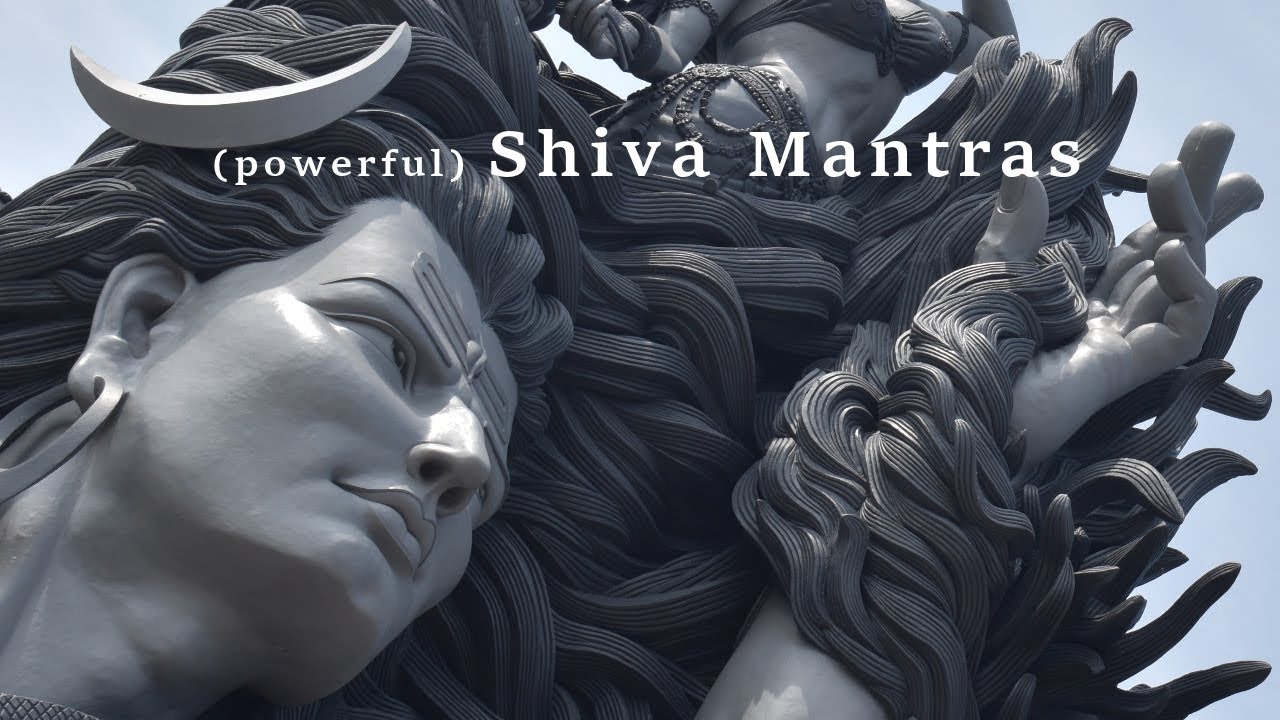
Karpur Gauram in London: Inside a Live Shiva Chant

Manish Vyas
Manish Vyas
Sep 23, 2025
7 min de leitura
Assistir · 7

A hushed room, a single sustained note, and then a chant in Sanskrit that begins not with a bang but with a bow: "Karpur Gauram," the camphor-bright one. In a six-minute live recording filmed in a traditional school library in London, Manish Vyas and his band perform a composition from his 2024 album Harihar, and the clip shows how a short devotional verse can be stretched, repeated and layered until the room itself becomes part of the instrument. Nothing is spoken on the recording. The only words are the sung lines and the applause that brackets them, which makes the music, and the way it is built, the whole story.

Leitura · 6 seções

What is being sung in "Karpur Gauram"?

The verse calls on Shiva, here addressed through the names Bhava and Bhavani, the pair the lyrics invoke together. Read word by word, the opening line says something like: camphor-white, embodiment of compassion, essence of the world, garlanded with the king of serpents. The second phrase, "sada vasantam," means ever-spring, a image of something that is always in bloom. Then the verse places that eternal presence in the lotus of the heart, and the singer bows.

That imagery matters for how the piece sounds. Camphor-white and ever-spring are light, open, luminous words, and the melody leans into them. Devotional verses like this one are usually meant to be sung rather than read, and the repetition is part of the teaching: a line returns, a little changed, until the listener has absorbed it without trying. The performance honors that. The lines are short enough to memorize after one hearing, which is why the room can join in.

How does the arrangement build the sound?

The clip opens on instrumental texture before the first word. The transcript shows music at the very start, then a burst of applause at roughly the 26-second mark, and the first sung line, "Karpur Gauram, Karunavatharam," arrives at 0:32. That sequencing is a small choice with a large effect. The audience has settled, the sound has been established, and only then does the text begin. It is the way a good kirtan leader opens a space rather than filling one.

Manish Vyas is credited as lead vocalist and harmonium player, and the harmonium is the spine of the recording. For anyone who has not sat near one, the harmonium is a hand-pumped reed instrument whose drone holds the pitch steady beneath the melody. In devotional singing, that sustained tone does more than harmony. It becomes a floor under the voice, so that the singer can bend a phrase, hold a breath, or drop into a line without the music losing its center. Listen for the way the chorus lines settle back onto that steady tone after each one.

Around the lead voice sit the other performers credited in the video: Alok Verma on tabla and vocals, Sanjeeth Nayak on flute, Kajal Seth on vocals, and Atul Kantilal on keyboards. The tabla supplies the pulse that keeps a repeated verse from feeling static, the flute draws long lines over the top, and the second vocalist answers and doubles the lead, which turns a single voice into a congregation. The mix is intimate. In a library, with no stage to project into, the instruments have to be heard at close range, and the recording carries that closeness.

Where does the refrain come back, and why does it matter?

Watch the structure rather than the individual notes and a pattern appears. The opening phrase returns at 1:18, once the group has moved through the verse. The verse lines come back again around 4:27, after a stretch of instrumental music from about 3:48. These returns are the architecture of the piece. A devotional chant does not develop like a Western pop song, with a bridge that changes key and a final chorus that climaxes. It circles. Each return brings the same words back into a slightly deeper listening, and the audience's own voices, the applause at the start and at the end, mark the boundaries of the offering.

That circling is where the craft lives. A repeated line is only as strong as the attention with which it is sung. The tabla has to hold a steady time without rushing the return, the harmonium has to keep the drone even, and the lead voice has to resist the urge to decorate every repetition. When the group does vary a line, it is in small ways: a stretched vowel, a slight lift on "bhava," a breath placed before "namami." Those small adjustments are what keep the chant alive on the seventh hearing.

The clip also ends with applause at 5:53, which is worth noticing. In a devotional setting the audience is not a passive crowd. The response at the close is a kind of answer to the offering, and the recording keeps it in, so the viewer hears the room finishing the thought.

Why does a six-minute performance draw so many listeners?

The video has been viewed more than 168,000 times, a number that suggests the recording reaches people well beyond the room where it was made. The reasons are probably simple. The verse is short and singable. The sound is spacious and warm rather than polished for a streaming platform. The setting, a school library, is unusual enough to hold attention while the music does the work. And the performance is generous: it lets the listener sit inside the repetition long enough to feel it, which is rarer in an age of short clips.

There is also a broader point about how sacred and secular spaces meet in recordings like this one. A school library is not a temple, but a room where people read, study and gather. Putting a Shiva chant into that room, with a harmonium and tabla and a small band, makes the verse feel present rather than distant. It is a reminder that devotional music has always traveled, into new cities and new rooms, and that the form survives because it can be sung anywhere people are willing to listen.

How can you listen to a chant like this more deeply?

Start with the drone. On your next listen, ignore the melody for the first thirty seconds and hear only the harmonium's steady tone under the voices. Then follow the tabla's cycle, the repeated pulse that tells you where the return is coming. Finally, listen for the second vocalist, who answers and doubles the lead. Each layer is a different way of hearing the same verse, and together they explain why a chant of a few lines can hold the attention of a room for six minutes.

You do not need Sanskrit to take part. Learn the opening line, sing it under your breath, and notice how the repetition changes your sense of time. A verse that feels slow on a first hearing often feels exactly right by the third. That is the point of the form: the words are meant to be lived with, not solved.

Where to go from here

Watch the full clip once without distraction, then again with the timestamps in mind: the first sung line at 0:32, the return at 1:18, the instrumental break near 3:48, the verse coming back at 4:27, and the applause at 5:53. Then listen to the full Harihar album, released in 2024, to hear how the composition sits within a larger body of work. If you are new to harmonium-led devotional music, pay attention to the drone and the pulse before the melody; they are the foundation that makes repetition feel like a place to rest rather than a loop to endure.

Comments

Loading the conversation…

Transcript

[0:00] [संगीत]

[0:14] [संगीत]

[0:20] [संगीत]

[0:26] [प्रशंसा]

[0:29] [संगीत]

[0:32] कपूर गौरम करुणावतारम

[0:35] संसारसारम

[0:39] भुजगेंद्रहारम

[0:43] सदा वसंतम हृदयवंदे

[0:46] भव भवानी

[0:50] सहितम नमाम

[0:54] करम

[0:55] करुणावतारम

[0:57] संसारसारमहारम

[1:00] [संगीत]

[1:05] सदा वसंतमय

[1:08] वन्दे भवं नमामि

[1:12] शिवम नमामि

[1:18] कर्पूर गौरम

[1:22] करुणावतारम

[1:26] संसार सारम

[1:29] भुजगेंद्रहारम

[1:32] [संगीत]

[1:48] कर्पूर गौरम

[1:52] करुणावतारम

[1:55] संसार सारम

[1:59] भुजगेंद्रहारम

[2:03] कर्पूर गौरम

[2:06] करुणा

[2:08] तारम

[2:10] संसार सारम

[2:14] भुजगेंद्रहारम

[2:18] सदा वसंतम

[2:20] [संगीत]

[2:21] हृदयव

[2:25] भव भवाम

[2:28] सहितम नमाम

[2:32] सदा वसंतम

[2:34] [संगीत]

[2:36] हृदय

[2:40] भव नमा

[2:43] सहित नमामि

[2:46] अस करम

[2:51] करुणावतारम

[2:54] संसारसारम

[2:58] भजेंद्रहारम

[3:02] कर्पू गौरम

[3:05] करुणा अवतार

[3:09] संसार सारम

[3:13] भुजम

[3:17] सदा वसंतम

[3:20] हृदयवं

[3:24] भव भवानी

[3:28] सहितम नमाम

[3:31] सदा वसंतम

[3:35] जय जय

[3:39] भव भवानी

[3:42] सहितम नमामि

[3:48] [संगीत]

[4:15] [संगीत]

[4:27] कर्पूर गौरम

[4:30] करुणावतारम

[4:34] संसारसारम

[4:38] भुजगेंद्रहारम

[4:41] [संगीत]

[4:52] [संगीत]

[5:06] गौरम करुणावतारम

[5:08] संसारसारम

[5:12] भुजगेंद्रहारम

[5:14] [संगीत]

[5:16] सदा वसंतम

[5:19] भव

[5:20] भवानीम

[5:24] नमाम

[5:28] गौरम करुणावतारम

[5:31] संसारसारमेंद्रहारम

[5:37] [संगीत]

[5:38] सदा वसंतम हृदयाविंद

[5:42] भव भवानी

[5:45] संतम नमामि

[5:49] [संगीत]

[5:53] [प्रशंसा]

Manish Vyas
ArtistManish Vyas

Gujarat-born musician, composer, singer and multi-instrumentalist who devotes his work to sacred Indian music, mantra, kirtan and the intrinsic power of sound known as naad yoga.

Ver perfilSite
Explorar temas
Karpur-gauramHarmonium-kirtanShiva-chantManish-vyasDevotional-music

Tem perguntas?

Perguntas frequentes

The opening words, karpur gauram, translate roughly as camphor-bright or camphor-white, and the verse goes on to describe its subject as an embodiment of compassion, the essence of the world, and garlanded with the king of serpents. The lyrics call on Bhava and Bhavani together, which is why the verse is sung in devotion to Shiva and Parvati.
The video credits Manish Vyas on lead vocals and harmonium, Alok Verma on tabla and vocals, Sanjeeth Nayak on flute, Kajal Seth on vocals, and Atul Kantilal on keyboards. The harmonium's sustained drone and the tabla's steady pulse form the foundation under the voices and flute.
According to the video description, the composition is found on the album Harihar, which was published in 2024. The live recording was filmed in a traditional school library in London and released on Manish Vyas's channel in September 2025.
The harmonium is a hand-pumped reed instrument that produces a steady drone beneath the melody. In kirtan and bhajan singing, that sustained tone gives the singer a stable center, so phrases can be bent, held or repeated without the music losing its grounding.
The video runs about six minutes, with the first sung line beginning around the 32-second mark. The recording includes applause at the start and at the close, and it has been viewed more than 168,000 times.
Start by learning the opening line, then sing it under your breath with the recording, since repetition makes the words easy to absorb. Many devotional chants are built around short returning phrases, so you can join in by the second or third hearing even without translating every word.

Continuar lendo

More from Manish

Ver Tudo
Mahamrityunjaya Mantra: Structure, Meaning and Chant
Inspire

Mahamrityunjaya Mantra: Structure, Meaning and Chant

Manish Vyas's Mahamrityunjaya chant weaves the Tryambakam verse with Beeja seed syllables. Here is how the recording is built and what its w…

1 min read
Shiva Mantras for Morning: Panchakshara in Vedic Chanting
Inspire

Shiva Mantras for Morning: Panchakshara in Vedic Chanting

Manish Vyas's "Vedic Chanting" packs Shiva's names, a Tryambakam verse, and the five-syllable Panchakshara into four minutes. Here is how th…

1 min read
Sacred Music for Sacred Forests: Chanting for Trees in Rishikesh
Inspire

Sacred Music for Sacred Forests: Chanting for Trees in Rishikesh

A short kirtan clip from Rishikesh ties chanting to forest protection. Proceeds from the 19 October concert support GoDharmic's Dharma Fores…

1 min read
Om Namah Shivaya Live Kirtan: Call, Response and the Shiva Chant
Inspire

Om Namah Shivaya Live Kirtan: Call, Response and the Shiva Chant

A live kirtan of Om Namah Shivaya, recorded at Medicine Festival 2026 in Reading, moves from slow mantra into ecstatic chant. Here is what t…

1 min read

Continue explorando

Continue sua jornada

Mais sabedoria e mais encontros de todo o diretório BrightStar.

Mais artigos

Explore a biblioteca completa de ensinamentos, entrevistas e guias.

Voltar a todos os artigos →

Professores e artistas

Conheça as linhagens, os músicos e os guias do mundo consciente.

Explorar artistas →

Encontre um evento

Kirtan, retiros, banhos de som, breathwork, festivais — acontecendo em breve.

Ver eventos →