BrightStar

Ver todos os Events

Descubra encontros conscientes

events

Yoga
Meditation
Breathwork
Qigong
Tai Chi
Sacred Music
World Music
Medicine Music
Sound Healing
Ecstatic Dance
Destinos populares
BaliSedonaLos AngelesCosta RicaNew YorkSan FranciscoAustinMiamiJoshua TreeTulum
Ver todas as categoriasVer todos os destinos

Explorar todos os recursos

Ferramentas poderosas para expandir seus eventos

Recursos da plataforma

Precificação dinâmica inteligente
Categorias de ingressos
Lugares marcados
Recuperação de carrinho abandonado
Recuperação de visitantes
Doações e preço variável
Sistema de afiliados
Scanner de ingressos
Códigos de desconto
Perguntas personalizadas
Compartilhamento de ingressos
Upsells e adicionais
Análises e relatórios
Sequências de e-mail
Lista de espera / Notificar / Lembrar
Pessoas e Lugares
Artists & TeachersEvent OrganizersVenues & StudiosKnowledge BaseGlossaryInspiration
Ver todos os recursosSobre nós
PreçosBlog
Language
Saved events
Ver todos os eventos

events

YogaMeditationBreathworkQigongTai ChiSacred MusicWorld MusicMedicine Music

Destinos populares

BaliSedonaLos AngelesCosta RicaNew YorkSan Francisco

Pessoas e Lugares

Artists & TeachersEvent OrganizersVenues & StudiosKnowledge BaseGlossaryInspiration

Recursos da plataforma

Precificação dinâmica inteligenteCategorias de ingressosLugares marcadosRecuperação de carrinho abandonadoRecuperação de visitantesDoações e preço variávelSistema de afiliadosScanner de ingressosCódigos de descontoPerguntas personalizadasCompartilhamento de ingressosUpsells e adicionaisAnálises e relatóriosSequências de e-mailLista de espera / Notificar / Lembrar
Ver todos os recursosSobre nós
PreçosBlog
EntrarBuscadoresCriadores
  • Ver todos os Eventos
  • Para buscadores
  • Yoga
  • Meditação
  • Respiração consciente
  • Qigong
  • Tai chi
  • Música sagrada
  • World music
  • Música de medicina
  • Terapia sonora
  • Dança extática
  • Retiros
  • Workshops
  • Todas as categorias →
  • Bali
  • Sedona
  • Los Angeles
  • Costa Rica
  • Tulum
  • Byron Bay
  • San Francisco
  • Austin
  • New York
  • San Diego
  • Denver
  • Seattle
  • Portland
  • Miami
  • Todas as cidades →
  • Join the Movement
  • Why we list
  • Sell Globally
  • Para criadores
  • Para equipes
  • Para escritores
  • Para professores
  • Para artistas de kirtan
  • Para estúdios
  • Para festivais
  • Para centros de retiro
  • Para organizações sem fins lucrativos
  • Embaixador da marca
  • Ingressos grátis
  • Elevate
  • Amplify
  • Rede de 500K+ compradores
  • Recuperação de carrinho abandonado
  • Precificação dinâmica inteligente
  • Categorias de ingressos
  • Eventos recorrentes
  • Lugares marcados
  • Sistema de afiliados
  • Lista de espera / Notificar
  • Scanner de ingressos
  • Widget incorporável
  • Distribuição de eventos
  • Central de mensagens
  • Integrações
  • Relatórios
  • Todos os recursos →
  • Sobre
  • O ecossistema
  • Blog
  • Glossário
  • Inspiração
  • Central de ajuda
  • Contato
  • Documentação da API
  • Recursos da marca
  • Carreiras
  • Imprensa
  • Termos de Serviço
  • Política de Privacidade

Eventos

  • Ver todos os Eventos
  • Para buscadores
  • Yoga
  • Meditação
  • Respiração consciente
  • Qigong
  • Tai chi
  • Música sagrada
  • World music
  • Música de medicina
  • Terapia sonora
  • Dança extática
  • Retiros
  • Workshops
  • Todas as categorias →

Destinos

  • Bali
  • Sedona
  • Los Angeles
  • Costa Rica
  • Tulum
  • Byron Bay
  • San Francisco
  • Austin
  • New York
  • San Diego
  • Denver
  • Seattle
  • Portland
  • Miami
  • Todas as cidades →

Para criadores

  • Join the Movement
  • Why we list
  • Sell Globally
  • Para criadores
  • Para equipes
  • Para escritores
  • Para professores
  • Para artistas de kirtan
  • Para estúdios
  • Para festivais
  • Para centros de retiro
  • Para organizações sem fins lucrativos
  • Embaixador da marca
  • Ingressos grátis
  • Elevate
  • Amplify

Recursos

  • Rede de 500K+ compradores
  • Recuperação de carrinho abandonado
  • Precificação dinâmica inteligente
  • Categorias de ingressos
  • Eventos recorrentes
  • Lugares marcados
  • Sistema de afiliados
  • Lista de espera / Notificar
  • Scanner de ingressos
  • Widget incorporável
  • Distribuição de eventos
  • Central de mensagens
  • Integrações
  • Relatórios
  • Todos os recursos →

Empresa

  • Sobre
  • O ecossistema
  • Blog
  • Glossário
  • Inspiração
  • Central de ajuda
  • Contato
  • Documentação da API
  • Recursos da marca
  • Carreiras
  • Imprensa
  • Termos de Serviço
  • Política de Privacidade
BrightStar
Baixe o app
Baixar naApp StoreDisponível noGoogle Play
© 2026 BrightStar. Todos os direitos reservados.
Inspiration

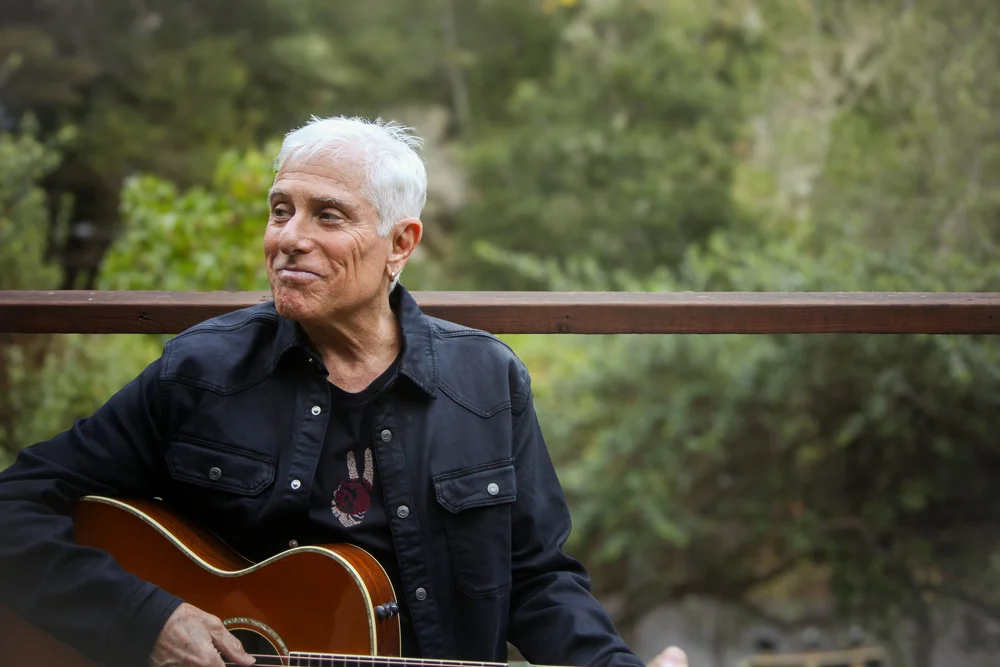
Guru Brahma Guitar Chord Guide for Beginners

Jai Uttal
Jai Uttal
Oct 3, 2016
4 min de leitura

De Jai Uttal

Assistir · 4
This guitar lesson breaks down the chord structure for Guru Brahma into manageable shapes. The song uses a repeating progression of B minor and D for the intro, shifts to E minor, D major, and G major 7th for the verse, and ends with a slide from G major 7th to B flat major 7th. A capo on the second fret raises the pitch to suit the singer's voice. No exotic voicings required—these are foundational chords accessible to intermediate and advancing players.

Leitura · 7 seções

What Are the Basic Chords in Guru Brahma?

The song's architecture rests on two distinct sections. The intro cycles through B minor and D major, played repeatedly (approximately four times, though the exact count is flexible). This opening establishes the harmonic foundation and gives players time to settle into the groove before the verse begins.

The verse introduces more harmonic movement. After the intro repeats, the progression shifts: E minor leads to D major, followed by G major 7th, and resolves back to D minor. This sequence repeats twice before the final phrase, which requires a single chord change—sliding the G major 7th shape up three frets to reach B flat major 7th.

How Do You Play the Intro Section?

The intro alternates cleanly between B minor and D major. If you already know these basic chord shapes, you're ready to start. The movement between them is straightforward—no barres or complex finger stretches. The rhythm isn't specified in the lesson, so listen to the recorded version on "Return To Shiva Station" to absorb the timing and feel. Repetition—playing the intro four times—gives your muscle memory and ears a chance to lock into the song's emotional tone.

What Changes in the Verse?

Once past the intro, the verse deepens the harmonic landscape with four chords: E minor, D major, G major 7th, and D minor. The presence of the 7th extension (G major 7th) adds a touch of color beyond simple triads; if you're unfamiliar with this voicing, it's worth looking up in a chord reference or online diagram. The teacher notes it's "not hard"—meaning the shape is learnable without advanced technique. The verse repeats twice, creating space for singing or instrumental soloing before moving to the outro change.

What Is the B Flat Major 7th Change?

The final harmonic moment arrives when you slide the G major 7th shape up three frets. This produces a B flat major 7th chord and marks the outro or ending phrase. Because you're moving the same finger shape (a transpose rather than a new position), the physical movement is simple—lift your hand as a unit and shift it up the neck. This kind of sliding voicing technique is common in folk and devotional guitar and conserves mental energy by reusing familiar shapes.

Should You Use a Capo?

The teacher recorded the version on "Return To Shiva Station" using a capo on the second fret. This raises the pitch and places the song in a range that suits their voice. If you're singing or playing solo, experiment with a capo between the first and third fret to find what feels natural for your vocal range or ensemble. Without a capo, the progression is the same—only the absolute pitch changes, not the relative relationships between chords.

How Does This Fit Into Kirtan and Devotional Music?

Guru Brahma is a Sanskrit mantra or invocation, likely addressing Brahma, the creator in Hindu cosmology. Kirtan—call-and-response devotional singing—relies on guitarists who can hold a harmonic foundation while singers (or a congregation) layer melody and voices on top. These simplified chords provide that foundation without requiring complex jazz voicings or fingerstyle technique. The song's repetitive structure aligns with kirtan's meditative and cyclical nature, where phrases loop to deepen presence and communal resonance.

Where to Go From Here

Start by drilling the intro progression (B minor to D major) until you can switch smoothly without thinking. Then add the verse chords one at a time: E minor, D major, G major 7th, back to D minor. Once the changes feel automatic, listen to the recorded version and match your rhythm and pacing to the original. Experiment with a capo to locate the pitch that suits your voice. If the G major 7th is unfamiliar, spend a few minutes with a chord chart to build the muscle memory. As you internalize the progression, you'll free mental space to focus on the melody, the breath, and the intentionality behind singing a sacred mantra.

]]>

Comments

Loading the conversation…

Transcript

[0:01] hey everybody how's it going I wanted to

[0:04] show you the the simplified chords for

[0:07] Guru Brahma uh here they are starts with

[0:11] the B

[0:13] minor and the

[0:15] [Music]

[0:19] D this is the

[0:22] intro so it goes a bunch of times

[0:25] probably four or

[0:29] whatever B

[0:31] minor then to D then for the

[0:36] verse

[0:39] [Music]

[0:45] a so that's E

[0:49] minor D major then G major

[0:55] 7th you might have to look in a book or

[0:57] something to get that but it's not hard

[0:59] and then back to the D Minor so that

[1:01] repeats twice I mean happens

[1:05] [Music]

[1:25] twice then the last one

[1:28] changes my sh

[1:30] Guru so that's the same position it's

[1:33] the G major 7th so slide it up three

[1:36] Frets to the B flat major 7th that's

[1:39] easy Once you got the G major 7 just go

[1:41] [Music]

[1:45] there back to the

[1:49] [Music]

[1:53] beginning

[1:58] urur oh

[2:02] etc etc etc so on the CD return TOA

[2:06] station I use a capo on the second fret

[2:09] so it's uh a little bit higher a little

[2:11] bit nicer for my voice but here it is

[2:13] and I I hope that helps

Com

Artistas nesta história

Jai Uttal
Jai Uttal
Kirtan Artist

Jai Uttal was born in New York City, where he was immersed in a vibrant musical environment from a young age. His early exposure to diverse musical genres laid the foundation for…

Explorar temas
Kirtan-guitarChord-progressionGuitar-lessonBhakti-musicCapo-technique

Tem perguntas?

Perguntas frequentes

The intro uses B minor and D major, repeated four times. The verse progresses through E minor, D major, G major 7th, and D minor, repeating twice. The outro slides the G major 7th shape up three frets to B flat major 7th.
A capo is optional. The original recording uses a capo on the second fret for a higher pitch suited to the vocalist's range, but you can play without one—the chord shapes remain the same, only the absolute pitch changes.
The exact voicing isn't detailed in the lesson, but G major 7th is a standard chord found in most guitar references or online chord databases. Once learned, you can slide it up three frets to create the B flat major 7th ending.
Guru Brahma is a Sanskrit invocation likely addressing Brahma, the creator deity in Hindu philosophy. In kirtan, it's sung as a devotional chant with call-and-response vocals layered over a repeating harmonic foundation.
The intro repeats approximately four times, though the teacher notes flexibility—the exact count depends on the recording and the ensemble's feel during performance.
Start with the intro (B minor to D major) until you can switch smoothly, then add verse chords one at a time. Listen to the recorded version and match the rhythm, and experiment with capo placement to find your voice's natural range.

Continuar lendo

More from Jai Uttal

Ver Tudo
Hanuman Chalisa for World Peace: Ancient Chant for Modern Times
Inspire

Hanuman Chalisa for World Peace: Ancient Chant for Modern Times

Jai Uttal leads a devotional rendering of the Hanuman Chalisa, a 40-verse Sanskrit hymn invoking strength, clarity, and peace through kirtan…

9 min read
Kirtan as Mourning: Grief and Presence in Devotional Practice
Inspire

Kirtan as Mourning: Grief and Presence in Devotional Practice

A live kirtan honoring Shyam Das explores how chanting the Maha Mantra holds both longing and presence—the dual nature of bhakti when rememb…

8 min read
Opening a Lighthouse: Gratitude, Seva and Song in Mumbai
Inspire

Opening a Lighthouse: Gratitude, Seva and Song in Mumbai

A three-hour live ceremony in Borivali West reopens a Brahma Kumaris service center. Here is how gratitude, seva and devotional song shape t…

9 min read
Namo Namo: The Devotional Song Sung Back to a Teacher
Inspire

Namo Namo: The Devotional Song Sung Back to a Teacher

A three-minute devotional song, written by Sutara and Omkara and shared with a sangha room in June 2026, turns a teacher's teaching into a c…

8 min read

Continue explorando

Continue sua jornada

Mais sabedoria e mais encontros de todo o diretório BrightStar.

Mais artigos

Explore a biblioteca completa de ensinamentos, entrevistas e guias.

Voltar a todos os artigos →

Professores e artistas

Conheça as linhagens, os músicos e os guias do mundo consciente.

Explorar artistas →

Encontre um evento

Kirtan, retiros, banhos de som, breathwork, festivais — acontecendo em breve.

Ver eventos →