BrightStar

Ver todos os Events

Descubra encontros conscientes

events

Yoga
Meditation
Breathwork
Qigong
Tai Chi
Sacred Music
World Music
Medicine Music
Sound Healing
Ecstatic Dance
Destinos populares
BaliSedonaLos AngelesCosta RicaNew YorkSan FranciscoAustinMiamiJoshua TreeTulum
Ver todas as categoriasVer todos os destinos

Explorar todos os recursos

Ferramentas poderosas para expandir seus eventos

Recursos da plataforma

Precificação dinâmica inteligente
Categorias de ingressos
Lugares marcados
Recuperação de carrinho abandonado
Recuperação de visitantes
Doações e preço variável
Sistema de afiliados
Scanner de ingressos
Códigos de desconto
Perguntas personalizadas
Compartilhamento de ingressos
Upsells e adicionais
Análises e relatórios
Sequências de e-mail
Lista de espera / Notificar / Lembrar
Pessoas e Lugares
Artists & TeachersEvent OrganizersVenues & StudiosKnowledge BaseGlossaryInspiration
Ver todos os recursosSobre nós
PreçosBlog
Language
Saved events
Ver todos os eventos

events

YogaMeditationBreathworkQigongTai ChiSacred MusicWorld MusicMedicine Music

Destinos populares

BaliSedonaLos AngelesCosta RicaNew YorkSan Francisco

Pessoas e Lugares

Artists & TeachersEvent OrganizersVenues & StudiosKnowledge BaseGlossaryInspiration

Recursos da plataforma

Precificação dinâmica inteligenteCategorias de ingressosLugares marcadosRecuperação de carrinho abandonadoRecuperação de visitantesDoações e preço variávelSistema de afiliadosScanner de ingressosCódigos de descontoPerguntas personalizadasCompartilhamento de ingressosUpsells e adicionaisAnálises e relatóriosSequências de e-mailLista de espera / Notificar / Lembrar
Ver todos os recursosSobre nós
PreçosBlog
EntrarBuscadoresCriadores
  • Ver todos os Eventos
  • Para buscadores
  • Yoga
  • Meditação
  • Respiração consciente
  • Qigong
  • Tai chi
  • Música sagrada
  • World music
  • Música de medicina
  • Terapia sonora
  • Dança extática
  • Retiros
  • Workshops
  • Todas as categorias →
  • Bali
  • Sedona
  • Los Angeles
  • Costa Rica
  • Tulum
  • Byron Bay
  • San Francisco
  • Austin
  • New York
  • San Diego
  • Denver
  • Seattle
  • Portland
  • Miami
  • Todas as cidades →
  • Join the Movement
  • Why we list
  • Sell Globally
  • Para criadores
  • Para equipes
  • Para escritores
  • Para professores
  • Para artistas de kirtan
  • Para estúdios
  • Para festivais
  • Para centros de retiro
  • Para organizações sem fins lucrativos
  • Embaixador da marca
  • Ingressos grátis
  • Elevate
  • Amplify
  • Rede de 500K+ compradores
  • Recuperação de carrinho abandonado
  • Precificação dinâmica inteligente
  • Categorias de ingressos
  • Eventos recorrentes
  • Lugares marcados
  • Sistema de afiliados
  • Lista de espera / Notificar
  • Scanner de ingressos
  • Widget incorporável
  • Distribuição de eventos
  • Central de mensagens
  • Integrações
  • Relatórios
  • Todos os recursos →
  • Sobre
  • O ecossistema
  • Blog
  • Glossário
  • Inspiração
  • Central de ajuda
  • Contato
  • Documentação da API
  • Recursos da marca
  • Carreiras
  • Imprensa
  • Termos de Serviço
  • Política de Privacidade

Eventos

  • Ver todos os Eventos
  • Para buscadores
  • Yoga
  • Meditação
  • Respiração consciente
  • Qigong
  • Tai chi
  • Música sagrada
  • World music
  • Música de medicina
  • Terapia sonora
  • Dança extática
  • Retiros
  • Workshops
  • Todas as categorias →

Destinos

  • Bali
  • Sedona
  • Los Angeles
  • Costa Rica
  • Tulum
  • Byron Bay
  • San Francisco
  • Austin
  • New York
  • San Diego
  • Denver
  • Seattle
  • Portland
  • Miami
  • Todas as cidades →

Para criadores

  • Join the Movement
  • Why we list
  • Sell Globally
  • Para criadores
  • Para equipes
  • Para escritores
  • Para professores
  • Para artistas de kirtan
  • Para estúdios
  • Para festivais
  • Para centros de retiro
  • Para organizações sem fins lucrativos
  • Embaixador da marca
  • Ingressos grátis
  • Elevate
  • Amplify

Recursos

  • Rede de 500K+ compradores
  • Recuperação de carrinho abandonado
  • Precificação dinâmica inteligente
  • Categorias de ingressos
  • Eventos recorrentes
  • Lugares marcados
  • Sistema de afiliados
  • Lista de espera / Notificar
  • Scanner de ingressos
  • Widget incorporável
  • Distribuição de eventos
  • Central de mensagens
  • Integrações
  • Relatórios
  • Todos os recursos →

Empresa

  • Sobre
  • O ecossistema
  • Blog
  • Glossário
  • Inspiração
  • Central de ajuda
  • Contato
  • Documentação da API
  • Recursos da marca
  • Carreiras
  • Imprensa
  • Termos de Serviço
  • Política de Privacidade
BrightStar
Baixe o app
Baixar naApp StoreDisponível noGoogle Play
© 2026 BrightStar. Todos os direitos reservados.
Inspiration

Falling in Love Today: Risk, Complements and Heartbreak

Arthur Brooks
Arthur Brooks
Nov 5, 2026
9 min de leitura

De Dr. Arthur Brooks

Assistir · 8

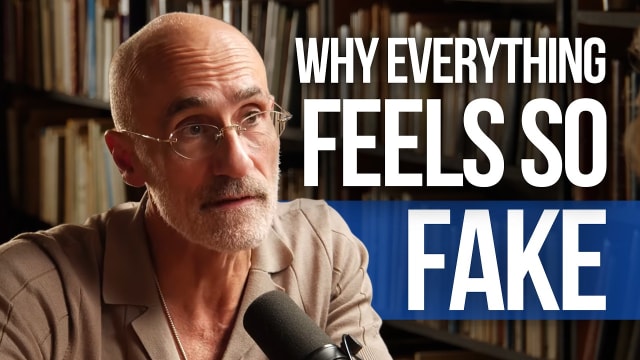
Arthur Brooks, the economist and writer who has spent years studying happiness and social science, makes a blunt claim in this clip from his podcast conversation "How to Find Love in 2026": the thing most likely to keep people from falling in love is not a shortage of options, but a shortage of nerve. He ties that claim to research on how young adults are growing up more slowly, to a 2018 study of heartbreak, to a story about a man on an airplane who finally said what he felt, and to the idea that a good partner is someone who completes you rather than mirrors you. Taken together, his argument is that love is a risk you have to keep choosing, and that the failures along the way are the curriculum rather than the penalty.

Leitura · 8 seções

Why are young people falling in love less than their parents did?

Brooks opens with what he calls a "love depression," and he diagnoses part of it through behavior rather than sentiment. He points to the work of Jean Twenge, a social psychologist at San Diego State University, who measures how slowly young adults are growing up by tracking risk-taking. The surprise in her data, as Brooks presents it, is that today's young people are not more reckless. "Younger people, believe it or not, are actually less risk-taking than people were when they were young," he says in the clip (0:00). Drinking and drug use, he notes, are down, not up, and the same pattern shows up in romance: less willingness to take personal risk goes with less falling in love and less sex.

Brooks is careful to separate kinds of risk. Driving fast and using drugs are bad risks. But the risk he cares about is the entrepreneurial kind. "Risks with your heart is another matter," he says (1:10). "That's the most entrepreneurial thing that you can do." His framing is that entrepreneurship is the deliberate placing of valuable resources at risk in search of outsized returns, and that your emotional life is the most valuable resource you have.

What does a plane ride have to do with courage in love?

The clearest illustration in the clip is a small story. Brooks says he once gave a talk on Capitol Hill to staffers in their twenties, a room he describes as working in "the world's most dysfunctional dating market," a place where everyone is climbing and power is the currency. His advice was to be a real entrepreneur with your life: give your heart away and take a risk. He thought it was a clever line, and forgot about it.

Weeks later, a man recognized him on a plane and said he could not stop thinking about the talk. He was on his way, he said, to tell a woman he had been secretly in love with for two years how he felt. Brooks admits he was worried. He had only been giving a speech, and he did not want to ruin anyone's life. Months later, at a holiday party, the man found him. The woman had not returned his feelings. She had been in love with someone else, and she had introduced him to that man. Brooks says he apologized. The man told him not to be sorry.

"Because, you know, that was the thing I was most afraid of in my life... and it did and I didn't die and I'm not afraid anymore." (Arthur Brooks, recounting the story in the clip, 3:30)

That is the point Brooks wants listeners to take away: the fear was bigger than the thing feared. Rejection did not kill him. It removed the dread that had been running his choices.

Why does rejection hurt so much, and why does that pain matter?

Brooks does not pretend rejection is pleasant. He says he has studied the pain of social rejection, and that the brain's dorsal anterior cingulate cortex, part of the limbic system, is wired to make us hate it. He describes experiments in which people play a ball-tossing game on a screen while two others begin excluding them, and the exclusion registers as pain in that same region. "Imagine when somebody says to you, 'You love me, but I don't love you,'" he says. "It's intensely painful" (4:10).

But he insists the pain is information. "That's how you learn. That's the only way that you learn" (4:34). A failed romance teaches you what went wrong, that you survive being wrong, what you are actually looking for, and why a particular person was not the right one. The lesson he keeps returning to is a cycle: try, fail, suffer, try again. "That's why it's so critically important to get into the cycle," he says (4:58). The alternative, avoiding the pain by not trying, is the very pattern he has just described in young people.

What do breakups actually teach us?

Brooks offers a timeline most people will find reassuring. Drawing on his own data, he says heartbreak usually lasts a few months, not years. "You will actually get over it sooner than you think," he says (5:11). He jokes that six weeks from now you may be on a date with someone else, wondering how you ever loved that particular loser so much (5:20).

The more interesting claim comes from a 2018 study he cites, which followed 160 people in their twenties who broke up around age 22, the modal age for a first serious heartbreak. Those who believed they had learned something from the breakup reported much higher relationship satisfaction later and lower conflict in their next relationship (5:32). Brooks says the learning clusters into three things: social-cognitive maturity, the ability to see why you behaved as you did; romantic agency, knowing what you want; and coherence, understanding why things happened the way they did. "I know why my last relationship failed and I'm going to fix those mistakes in the future," he says. "You only get that from experience" (6:43).

He is also specific about the dose. People tend to do best in marriage after a few breakups, not fifty and not two hundred. His metaphor is a startup that matures: a couple of false starts along the way, not a string of disasters. "Mature startups, not murders. Certainly not hostile takeovers," he quips (6:56). The line is funny, but the logic is serious. Getting it wrong is part of getting better at love, and the people who do best are those who run a real postmortem afterward.

Is compatibility about finding someone who is just like you?

This is the second hard truth, and Brooks states it as a principle: "Don't look for your body double. Look for your complement" (7:19). Most of us assume that the safest partner is the one who thinks, earns, and feels as we do. Brooks argues that this instinct is often wrong. He describes a campus study many listeners will have heard of, in which women sniffed T-shirts worn by men and rated them. His point is that attraction runs on signals the brain reads beneath conscious choice, and that people often lean toward partners whose biological defenses differ from their own rather than matching them. The lesson he draws is not about biology as destiny. It is that a partner who completes you may be more useful than one who reflects you back, and that the mind does not always know what it is responding to.

The practical implication is that people who curate their dating lists too tightly, screening for sameness on every axis, may be filtering out the very difference that would make a relationship work. Compatibility, in Brooks's sense, is a fit between two people who each bring something the other lacks, not a mirror.

How has modern dating changed what we look for?

Brooks says he is interested in how technology is reshaping the way people fall in love and stay in love, and he gives one striking number: "62% of long-term relationships now are starting on the apps" (7:33). The figure matters for his argument because apps invite curation. You can sort by height, politics, habits, and photos, and it is easy to start treating a partner as a list of specifications. Brooks's second protocol pushes back on exactly that: the spec sheet tells you who is similar, not who will complement you. The apps are not the enemy, but they can reward the same caution that Jean Twenge's data describes, the preference for the safe match over the uncertain one.

Why does courage keep coming back to fear?

The third thread in the clip is about fear, and the description of the video names it directly: fear of rejection, the courage to take healthy risks, and the willingness to get it wrong. Brooks says that people paralyzed by fear are often the ones who most need to act, and that acting in spite of fear is what changes the pattern. The limbic system, he notes, is doing its job when it warns you away from pain, but that warning is not the same as a verdict on what is good for you. You can feel the sting and still go up to the person. The clip ends before he fully unpacks the final principle, so the complete framing lives in the longer conversation.

Where to go from here

If the clip leaves you thinking about your own patterns, start small and specific. Notice whether you are avoiding a conversation because the pain of rejection feels unbearable, or because the stakes feel real. Brooks's own test is the postmortem: after any breakup or failed attempt, write down what you learned about yourself and what you are looking for next. Then make a deliberate choice to take one risk you have been putting off. For the full argument, including the context around the third principle, watch the complete episode, "How to Find Love in 2026," on Brooks's YouTube channel. The short version of his case is simple to say and hard to live: take the risk, expect the sting, learn from the loss, and look for someone who completes you rather than copies you.
Comments

Loading the conversation…

Transcript

[0:00] How do you solve the love depression

[0:03] that I talked about in the very

[0:04] beginning looking at the data in in your

[0:06] own life?

[0:08] Now, to begin with,

[0:10] to do this requires

[0:12] risk, taking risk.

[0:15] One of the characteristics that I find

[0:16] that's actually inhibiting

[0:18] falling in love the most, and this once

[0:20] again gets back to the literature um

[0:22] that I look at every single day and what

[0:24] I write about, is that younger people,

[0:26] believe it or not, are actually less

[0:28] risk-taking than people were when they

[0:31] were young who are now my age. And this

[0:32] gets a lot to the work of Jean Twenge, a

[0:34] wonderful social psychologist that at uh

[0:37] San Diego State University, who talks

[0:39] about how young adults are growing up

[0:41] much more slowly. And the way that she

[0:43] measures that is with risk-taking

[0:45] behavior.

[0:46] Now, some of this is pretty innocuous

[0:47] and healthy like driving. Some of it is

[0:50] less healthy like drinking and and and

[0:53] using drugs, which, you know, everybody

[0:54] says, "Oh, young people, they're

[0:55] drinking and taking drugs more than

[0:57] ever." No, wrong. A lot less, as a

[0:59] matter of fact. They're also less likely

[1:00] to fall in love. They're less also less

[1:02] likely to have sex. And it has

[1:03] everything to do, she says, of a a of a

[1:06] lower willingness to take personal risk.

[1:09] Now,

[1:10] risk is funny because there's bad risks

[1:12] and there's good risks. But risk in

[1:14] general is not an unhealthy thing. On

[1:16] the contrary, that's

[1:18] characteristic of being an entrepreneur

[1:20] with your life. And I don't recommend

[1:21] being an entrepreneur with your life by

[1:23] taking dangerous drugs and driving 100

[1:25] miles an hour. That's stupid. But risks

[1:28] with your heart

[1:29] is another matter. That's the most

[1:31] entrepreneurial thing that you can do.

[1:33] Years ago, not that many years ago, I

[1:35] was giving a speech on Capitol Hill for

[1:36] a bunch of Capitol Hill staffers, people

[1:38] in their 20s. Now, for a little bit of

[1:40] background,

[1:41] Washington D.C. is the world's most

[1:43] dysfunctional dating market. I mean,

[1:45] it's everybody's climbing and it's all

[1:47] about power and and it's not just not a

[1:49] healthy way for people to fall in love,

[1:51] I have found.

[1:52] And so, they were really deeply

[1:54] interested in what I was talking about

[1:55] this topic. And I said, "Look, if you

[1:56] really want to be an entrepreneur, a

[1:58] real entrepreneur in your life, give

[1:59] your heart away.

[2:01] Take a risk. That's the ultimate risk

[2:03] of, you know, putting at risk valuable

[2:06] resources in search of explosive

[2:08] returns." That's the definition of

[2:09] entrepreneurship. Thought it was clever,

[2:11] anyway. A couple weeks later, a guy

[2:12] comes up with me on a plane and um cuz

[2:15] I'm always on a plane

[2:16] and he says, "Professor Brooks." I said,

[2:18] "Yeah." He says, "I was at that talk you

[2:20] gave on Capitol Hill about being an

[2:21] entrepreneur with my life and to give my

[2:23] heart away and take a risk." And I said,

[2:24] "Yeah." He says, "And I can't get it out

[2:26] of my head." I said, "Yeah."

[2:28] He said, "So, I'm on my way right now to

[2:30] tell a woman I've been secretly in love

[2:32] with for 2 years how I feel.

[2:35] I'm going to

[2:36] spill it."

[2:38] And I'm like,

[2:39] "Dude, it was only a speech. You know,

[2:41] I'm not trying to ruin your life." And I

[2:43] was kind of worried about that because

[2:44] I'm thinking, yeah, I mean, this this

[2:45] could have consequences. Um

[2:47] and I I said, you know,

[2:49] uh here's my email. Let me know how it

[2:51] turns out. I said, "Okay."

[2:53] Um I didn't hear from him. Which seemed

[2:56] like not great. Well, I did see him some

[2:58] months later um at a party, a holiday

[3:01] party

[3:02] at the company that I was running and he

[3:03] showed up and and and he said, "Remember

[3:05] me?" And I said, "Yeah."

[3:07] And and I said, "How did it go? How did

[3:09] it go with that woman that you were in

[3:11] love with?" And he said, "She shot me

[3:12] down.

[3:13] She wasn't in love with me, not at all.

[3:15] She was in love with another guy. She

[3:16] introduced me to him. It was horrible.

[3:19] And I was very contrite. I said, "I'm

[3:21] sorry. I wasn't trying to ruin your

[3:22] life." Um and he said, "No, no, no, no."

[3:24] He said, "The reason I came is because I

[3:26] wanted to thank you."

[3:28] I said, "Thank me for what?" And he

[3:30] said, "Because,

[3:32] you know, that was the thing I was most

[3:34] afraid of in my life. I mean, I just

[3:36] couldn't I couldn't bear the thought of

[3:38] that happening and it did and I didn't

[3:41] die

[3:42] and I'm not afraid anymore." You get the

[3:45] point, right?

[3:47] This makes you stronger.

[3:50] Now, to be sure, it is unbelievably

[3:53] painful to be rejected. I have studied

[3:55] the pain of social rejection. The dorsal

[3:58] anterior cingulate cortex of the brain

[4:00] is designed in the limbic system to make

[4:02] you hate social rejection. Even in

[4:05] little games when they put people in

[4:07] machines to look at the activities of

[4:09] their brains and they're they they

[4:10] simulate rejection by having a ball

[4:12] tossing game that you're looking at on a

[4:14] screen and and two other people start

[4:16] excluding you from the game, it starts

[4:18] to feel painful in this

[4:20] dorsal anterior cingulate cortex of your

[4:22] brain. Imagine when somebody says to

[4:24] you, "You love me, but I don't love

[4:26] you." It's going to be unbelievably

[4:28] painful. It's intensely painful.

[4:31] As a matter of fact, and I've talked

[4:33] about this kind of pain in past episodes

[4:34] in the past.

[4:36] But here's the thing, that's how you

[4:37] learn. That's the only way that you

[4:40] learn. How do What do you learn? You

[4:41] learn about what went wrong. You learn

[4:44] that you won't die. You learn more what

[4:47] you're looking for.

[4:49] You learn that that wasn't the person

[4:51] for you and why. That's why it's so

[4:54] critically important to get into the

[4:55] cycle of try,

[4:57] fail,

[4:58] suffer,

[5:00] try.

[5:02] Try again. Now, I've got a lot of data

[5:04] on how long it actually takes uh for

[5:06] people to get over their heartbreak and

[5:08] the answer is usually a few months, not

[5:11] a few years. It's very unusual that you

[5:12] go that you have a breakup and it lasts

[5:14] years and years. On the contrary, you

[5:16] will actually get over it sooner than

[5:17] you think. And 6 weeks from now you'll

[5:19] be on a date with somebody else going,

[5:20] "Man, I can't believe I was on I was I

[5:21] love that loser so much." That's that's

[5:23] the typical thing that we actually find.

[5:25] But you also the learning that you get

[5:27] is really the big big benefit from this.

[5:30] There's a really interesting paper on

[5:32] this that you know 208 a 2018 study that

[5:34] looked at 160 daters who were in their

[5:37] 20s

[5:38] and then they broke up around the age of

[5:40] 22, which is the kind of the modal age

[5:42] to have your first big breakup with

[5:44] somebody that you're truly in love with.

[5:45] It turns out.

[5:46] And then and then asked them what they

[5:48] learned and it turns out that those who

[5:50] actually believe they learned from their

[5:52] breakup, they had much higher

[5:54] relationship satisfaction subsequently

[5:57] and lower relationship conflict in their

[5:59] next relationship. In other words, learn

[6:02] learn learn. Do the postmortem, figure

[6:04] out what actually went wrong and you

[6:05] will benefit from this, but you have to

[6:07] fail as a as as part of the process here

[6:11] so that you can get better. That means

[6:13] take a risk and be willing to fail. What

[6:16] did they learn by the way? They learned

[6:17] three things. Here's what breakups teach

[6:19] you. Social cognitive maturity.

[6:22] Right? That's like I know why I behaved

[6:24] like an idiot and I won't do that again

[6:26] because I'm mature. Number two is

[6:27] romantic agency.

[6:30] I know what I want now.

[6:31] And number three is coherence. You all

[6:33] know what that is cuz you've been

[6:35] following the show. That means why

[6:36] things happen the way they do.

[6:38] I know why my last last relationship

[6:40] failed and I'm going to fix those

[6:41] mistakes in the future. You only get

[6:43] that from experience. This is why, you

[6:46] know, people they tend to do best in

[6:48] marriages, for example, after they've

[6:50] had a few breakups. Not 50 breakups, not

[6:53] 200 breakups.

[6:54] We're talking about a few breakups. It's

[6:56] kind of like a mature startup. Is the

[6:59] way that that works. A couple of false

[7:00] starts along the way.

[7:02] Mature startups, not

[7:04] murders.

[7:06] Certainly not

[7:07] hostile takeovers. Anyway, I'm not going

[7:09] to press that metaphor. All right.

[7:10] That's number one.

[7:12] Take more risk.

[7:15] That's the first of the protocols of how

[7:17] to fall in love and stay in love.

[7:19] Number two.

[7:21] Don't look for your body double.

[7:24] Look for your complement.

[7:26] This is really important. Now, um you

[7:28] know, I I'm really interested in how

[7:30] technology is is affecting how people

[7:33] fall in love and stay in love. 62% of

[7:36] long-term relationships now are starting

[7:37] on the apps. That's kind of how people

[7:39] meet. I talk to young people and I say,

[7:41] you know, why don't you just go up and

[7:42] you know, when you're having a drink

[7:43] after work, go up and talk to somebody?

[7:44] Because they're like, cuz I don't want

[7:46] them to think I'm a serial killer. Yeah,

[7:48] yeah, I mean

[7:50] society is very complicated and how

[7:52] people meet actually changes. And I've

[7:54] got a lot of thoughts on that. It's very

[7:55] important if you can to meet people in

[7:57] real life and usually that's actually

[7:59] not in a bar. That's around common

[8:02] interests, whether it's a running club

[8:04] or church or whatever your thing

[8:05] actually happens to be. But probably for

[8:07] those of you who are watching this and

[8:09] you're in the dating pool, you're

[8:09] probably using the apps cuz most people

[8:11] are.

[8:12] What should you be looking for? The

[8:14] answer is not somebody who's exactly

[8:16] like you. And one of the problems with

[8:18] many of the apps, the apps are getting

[8:19] better at this and I'm very bullish on

[8:21] what the apps are going to be able to

[8:22] do. I'm not anti-technology.

[8:25] But what they've often done in the past

[8:26] is allowed you to curate your dating

[8:28] profile to eliminate everybody who

[8:30] doesn't have a lot of overlap with you

[8:32] beyond just some basic values. To we

[8:36] vote the same way, we listen to the same

[8:38] music, we want to go live in the same

[8:40] city, we work in the same industry,

[8:43] everything. And and pretty soon you're

[8:45] looking in the mirror and that is truly

[8:47] not hot. I hope that's not hot to you.

[8:50] Why is it that more and more people

[8:52] often say, who curate their dating

[8:55] profiles very, very studiously and very,

[8:57] very, in a very careful way,

[8:59] that they get a lot of dates but they

[9:00] don't have much attraction? And the

[9:02] answer is because it's too much

[9:03] compatibility and not enough

[9:05] complementarity. Complementarity is

[9:07] difference and difference is hot. That's

[9:09] really where it comes down to. And and

[9:10] again, this is a this is a

[9:12] neurobiological phenomenon. Famous

[9:14] study, many of you have heard about

[9:16] this. This is the Wedekind et al. study

[9:18] in the in the in biological sciences. An

[9:20] old study, 1995. This is the famous

[9:23] t-shirt sniffing study. And what it was

[9:26] was, in a nutshell really quickly, is

[9:29] that guys on the college campus, these

[9:31] experiments always use undergraduate

[9:33] dudes because

[9:34] they'll do anything for 20 bucks. They

[9:36] had to wear a t-shirt around for 48

[9:39] hours, working out, going to class, no

[9:41] showers. And then they would take those

[9:43] t-shirts and put them in shoe boxes and

[9:44] drill holes in the shoe boxes. And

[9:47] undergraduate women who didn't know

[9:48] them, or didn't know who they were,

[9:49] there's no identifying characteristics

[9:51] on the boxes, had to sniff,

[9:53] I know it's gross, bear with me, sniff

[9:56] the t-shirts and say who's most

[9:58] attractive simply on the basis of the

[9:59] smell. What did they find?

[10:01] That those who are immunologically most

[10:03] dissimilar from them, the women, were

[10:06] most attractive to them. Now, there's a

[10:08] reason for this. This is called the MHC,

[10:10] the major histocompatibility complex.

[10:13] You know, based on smell, you don't

[10:15] know. You're You're It's an indication

[10:17] to you because your brain knows so much

[10:19] more than you're consciously aware of

[10:21] who is dissimilar enough from you such

[10:23] that if you hypothetically have

[10:25] offspring, who's going to have a wider

[10:27] immunological repertoire. You want

[10:30] people who have different defenses than

[10:32] you. That's called That's where the

[10:33] major histocompatibility complex

[10:35] actually is, which you ascertain through

[10:37] the olfactory bulb in your brain, among

[10:39] other ways of ascertaining that. You can

[10:42] do it through, you know, sight and a lot

[10:43] of other ways as well. The bottom line

[10:45] is this.

[10:46] More different, hotter.

[10:49] Right? But we're not curating for that

[10:51] when we're

[10:52] spending too much time looking for the

[10:53] body double. We're very narcissistic as

[10:55] creatures. I get it. But the more

[10:57] narcissistic you are and the more that

[10:59] you're picking your dating partners as

[11:01] opposed to somebody who actually loves

[11:02] you and says, "I'd be the perfect person

[11:04] for her." They're not saying it's just

[11:06] like her. They're saying it's enough

[11:07] like her and then enough different than

[11:10] her as well.

[11:12] That's principle number two of the

[11:13] protocol.

[11:14] Look for difference,

[11:17] not just similarity. Number three,

[11:20] don't fear breaking up.

[11:22] Don't fear the breakup. I've talked

[11:24] about this a little bit before, but if

[11:25] you're paralyzed

[11:27] by the possible pain, you won't do what

[11:30] you need to do. So, this really is tied

[11:32] to step one of the protocol. Um you

[11:34] know, if you're going into business and

[11:36] you're horribly, horribly afraid

[11:38] of having a mishap in business, you're

[11:40] going to make bad business decisions.

[11:42] Now, if you're not afraid at all, you're

[11:43] also going to make bad business

[11:44] decisions, but all of us are a little

[11:46] bit afraid. I'm not worried about that.

[11:48] But people who are paralyzed by fear

[11:50] almost always make non-entrepreneurial

[11:52] decisions, and that's fatal when it

[11:55] comes to romance.

[11:57] Don't fear. Now, or

[11:59] let me be a little bit more specific

[12:00] about this. Have courage even if you do

[12:03] feel fear, cuz that's really what it's

[12:04] all about. Feel the fear and act

[12:07] anyways. Say, "Bring it on.

[12:10] Bring on the risk."

[12:12] When a relationship dissolves

[12:15] that they they have a tendency to

[12:18] to

[12:19] rate mental pain at a pretty significant

[12:22] level. It's It's slightly more than

[12:23] three on a one to seven scale of mental

[12:26] pain severity. People have actually

[12:28] looked at that and measured that. But it

[12:31] falls. It falls much faster than you

[12:34] think. Your brain is designed to make

[12:36] you think that when you're in pain, it's

[12:38] never going to go away. The reason for

[12:39] that is because your brain wants you to

[12:41] avoid doing things that are painful to

[12:43] you. These things are threats. But you

[12:46] know, beyond your just basic troglodyte

[12:49] limbic system, that there's lots of

[12:51] things that you need to do. And that

[12:52] means you need to understand that

[12:54] whereas your limbic system is saying

[12:56] this pain is permanent, it's lying to

[12:58] you. It's transient. And therefore, you

[13:00] will walk into a situation in which

[13:02] there is possible pain. What do we know

[13:04] about that three on a one to seven

[13:06] scale? It goes down on average by about

[13:09] 0.07

[13:11] points on that scale

[13:13] each week.

[13:15] So, if you're a 3.5 in pain after a

[13:17] breakup, on average, you can expect to

[13:19] feel a little bit better each week where

[13:21] after 6 weeks, you're going to feel less

[13:23] than half as bad about it. And by that

[13:25] point, less than half as bad is a pretty

[13:27] normal level of pain in your life and

[13:28] you're probably going to be dating

[13:29] again. And that's within 6 months.

Arthur Brooks
ArtistArthur Brooks

Seattle-born musician and composer who blends classical and contemporary music with social science, exploring happiness, community, and human connection through albums, books, and…

Ver perfilSite
Explorar temas
Falling-in-loveRomantic-riskHeartbreak-recoveryComplementary-partnersModern-dating

Tem perguntas?

Perguntas frequentes

In this clip, Arthur Brooks cites psychologist Jean Twenge's research at San Diego State University, which finds that young adults are growing up more slowly and taking fewer personal risks. He argues that lower willingness to take risk goes along with lower rates of falling in love and having sex.
Brooks says that from the data he has reviewed, most heartbreaks last a few months rather than years. He adds that people often get over a breakup sooner than they expect.
Brooks cites a 2018 study of 160 daters in their twenties who broke up around age 22. Those who believed they had learned from the breakup reported higher relationship satisfaction and less conflict in their next relationship. He summarizes the learning as social-cognitive maturity, romantic agency, and coherence.
Brooks argues against seeking a 'body double' and recommends looking for a complement. He suggests that attraction often draws people toward partners whose differences matter, and that a partner who completes you may serve a relationship better than one who mirrors you.
Brooks says the brain's dorsal anterior cingulate cortex, part of the limbic system, responds to social rejection in a way that registers as pain, even in lab games where people are simply excluded. He treats that pain as a signal from which we learn, rather than a sign that something has gone permanently wrong.
Brooks notes that 62% of long-term relationships now start on apps, so he does not treat them as a dead end. He cautions that apps can encourage treating a partner as a checklist of specifications, which may filter out the complementary partner he recommends looking for.
He compares emotional risk to entrepreneurship: deliberately putting something valuable at stake in search of a large return. He separates this from dangerous risks like reckless driving or drug use, calling risking your heart the most entrepreneurial thing a person can do.

Continuar lendo

More from Arthur Brooks

Ver Tudo
Phones, Boredom, and the First Hour: Escaping Modern Life's Trap
Inspire

Phones, Boredom, and the First Hour: Escaping Modern Life's Trap

Arthur Brooks argues the problem isn't the phone itself but what it crowds out: boredom, reflection, and real-world connection. He also offe…

10 min read
Taking Off the Mask: Why We Hide Ourselves and How to Stop
Inspire

Taking Off the Mask: Why We Hide Ourselves and How to Stop

Why we hide behind daily masks, and three ways to take them off. Arthur Brooks on mask freedom, honesty, and the emotional cost of concealin…

8 min read
Love People As They Are: Responsive vs. Reactive
Inspire

Love People As They Are: Responsive vs. Reactive

Learn how to love people unconditionally by shifting from reactive patterns to responsive presence, keeping your heart open in the face of s…

9 min read
Sensing the Essence of Another Person
Inspire

Sensing the Essence of Another Person

Learn how awareness of your own essence enables you to perceive the deeper nature of others. Discover what truly meeting another person mean…

9 min read

Continue explorando

Continue sua jornada

Mais sabedoria e mais encontros de todo o diretório BrightStar.

Mais artigos

Explore a biblioteca completa de ensinamentos, entrevistas e guias.

Voltar a todos os artigos →

Professores e artistas

Conheça as linhagens, os músicos e os guias do mundo consciente.

Explorar artistas →

Encontre um evento

Kirtan, retiros, banhos de som, breathwork, festivais — acontecendo em breve.

Ver eventos →