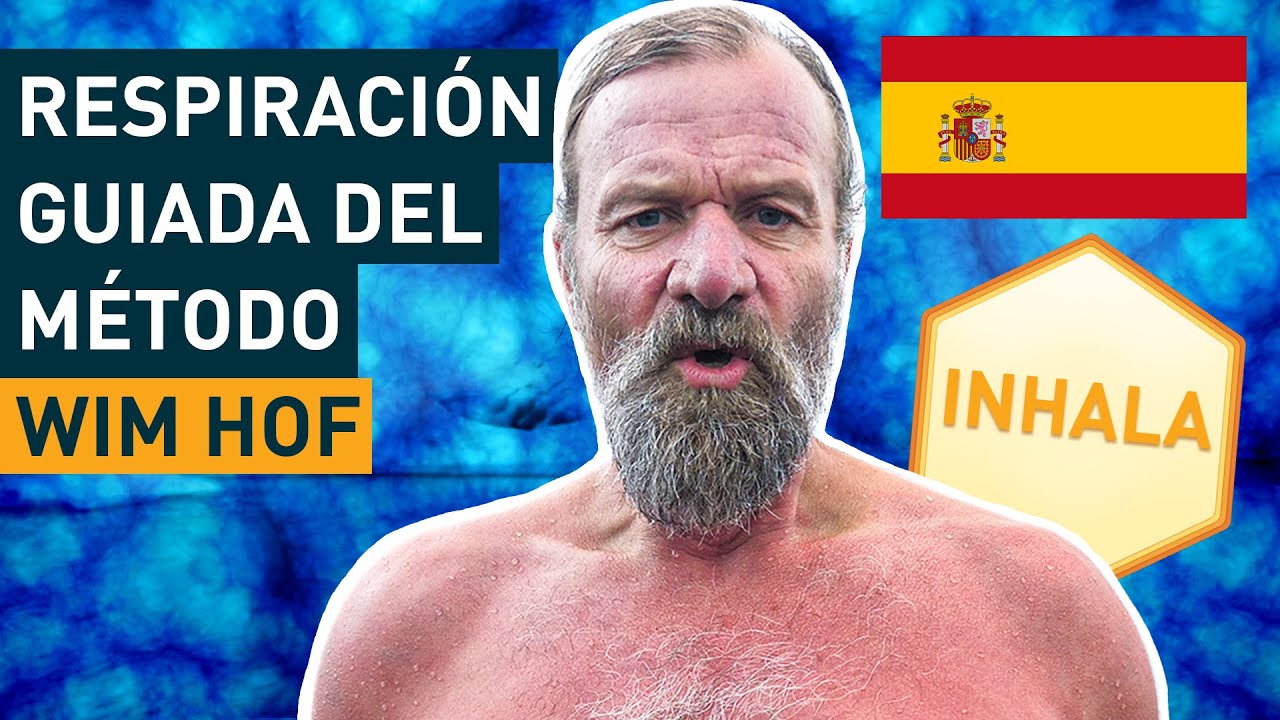
The Wim Hof Method is a science-backed practice combining cold water immersion, controlled breathing exercises, and meditation to train the nervous system for stress resilience, immune system strengthening, and relief from anxiety, depression, and chronic pain. Developed over decades by Dutch extreme athlete Wim Hof, who holds 26 Guinness World Records, the method teaches practitioners to access deeper layers of their physiology and mind through systematic exposure to cold and breath work, without requiring extreme feats like climbing Everest in shorts.
What is the Wim Hof Method and how does it work?
The Wim Hof Method emerged from decades of personal experimentation by Wim Hof, a Dutch extreme athlete who discovered at age 17 that immersion in freezing water created a profound sense of connection and emotional release. Rather than viewing his practice as a stunt, Hof developed it into a structured methodology available to ordinary people. The method combines three core pillars: breathing techniques that allow practitioners to enter "the depth of your natural physiology," cold exposure that trains the cardiovascular system "to the best it can," and mindset work through meditation.
According to Hof, the approach is fundamentally about stress mastery. "You learn to deal with stress" by meeting it directly in the ice—a form of voluntary discomfort that rewires how the nervous system responds to perceived threats. The breathing component is not mystical; it works by changing oxygen and carbon dioxide levels in the blood, which affects the autonomic nervous system and allows individuals to shift from fight-or-flight reactivity into a state of calm control.
How does cold exposure function as a training tool for the body?
Hof explains that cold works like weightlifting: muscles grow stronger through repeated stress, and the same principle applies to the cardiovascular system. Regular cold exposure reduces the force required for the heart to pump blood by training blood vessels to adapt and become more efficient. This cardiovascular resilience then translates into improved overall health markers, including immune function.
The method is not about becoming numb or superhuman—it's about teaching the body to respond intelligently to stress. Each time a person enters cold water mindfully, following their breath rather than panicking, they are literally rewiring their relationship with discomfort. Over time, this retraining reduces the inflammatory response that typically accompanies stress, which is why practitioners report relief from anxiety, depression, and chronic pain.
What are Wim Hof's documented achievements and world records?
Hof holds 26 Guinness World Records that serve as evidence of what controlled nervous system training can accomplish. These include running marathons barefoot in snow, standing in constant contact with ice for nearly two hours, running beyond the polar circle barefoot, and climbing Mount Everest to 7,200 meters while wearing only shorts. Perhaps most remarkably, Hof once became trapped under ice and had to swim 100 meters underwater (beyond the intended 50-meter distance) to find the ice hole—an experience during which he "lost the fear of dying."
These achievements highlight a critical insight: the method trains not just physical resilience but psychological resilience. By voluntarily exposing himself to extreme conditions under controlled conditions, Hof demonstrated that the mind's perception of limitation is often the actual limitation. Most people cannot run marathons barefoot in snow not because their bodies are incapable, but because their minds reject the idea as impossible before the body is even tested.
What does the science say about cold exposure and immunity?
Hof claims that the method strengthens the immune system and can help address inflammatory diseases. The mechanism works as follows: cold exposure triggers the release of adrenaline and other stress hormones, which in controlled doses actually strengthens immune function. The body learns to handle this hormonal signal efficiently, much like athletes build cardiovascular fitness through training stress. Additionally, reducing chronic mental stress through nervous system training reduces the baseline inflammation that drives many modern diseases, from autoimmune conditions to depression.
The claim that cold exposure can "cure" depression and anxiety may overstate the case, but the evidence that it significantly helps manage these conditions is substantial. Anxiety and depression are rooted partly in nervous system dysregulation—the inability to shift out of threat-detection mode. By training the nervous system to remain calm under physical stress, practitioners develop the neurological capacity to remain calm under psychological stress as well.
Can ordinary people practice this method, or is it only for extreme athletes?
One of Hof's core messages is that the method is accessible to everyone. In the video, Drew Binsky (the interviewer) participates in his first-ever ice bath and reports feeling "more alive" than ever before, despite having slept zero hours the previous night. This is significant because Binsky is not an extreme athlete—he is a travel vlogger—yet he experienced immediate benefits from a single session.
Hof himself emphasizes simplicity: "it's so simple to be happy." The method does not require record-breaking achievements. Instead, practitioners begin with shorter cold exposures, proper breathing techniques, and gradual progression. Millions of people worldwide now practice the Wim Hof Method through workshops, online courses, and free mini-classes, many reporting improvements in sleep quality, energy levels, mood, and pain management.
How does the breathing component differ from other meditation practices?
The breathing work in the Wim Hof Method is distinct because it is directly linked to cold exposure and designed to achieve measurable nervous system changes. Rather than slow, meditative breathing (common in many contemplative traditions), the method uses rhythmic hyperventilation followed by breath-holds, which creates specific physiological states. This changes blood pH and oxygen availability in ways that strengthen parasympathetic (calming) function and reduce the responsiveness of the amygdala—the brain's threat-detection center.
The combination of breathing work, cold exposure, and commitment creates a powerful feedback loop. The breathing calms the mind before entering cold water; the cold exposure then tests whether that calm can be maintained; and success reinforces neural pathways associated with stress resilience. This is why participants often report the experience as "powerful" and transformative—it is not purely psychological, but neurobiological.
What is Wim Hof's broader vision for mental health transformation?
Hof articulates an ambitious vision: "We are now able to get 100% control over our own brain. We are able to defy inflammation, actually the course of disease, and then we will change mental health care with natural ways." Rather than relying solely on pharmaceutical interventions, his method proposes that individuals can learn to regulate their own neurochemistry and immune function through accessible, non-invasive practices.
This vision extends to addressing not just anxiety and depression but also hormone balance and autoimmune conditions. By teaching people to consciously influence their autonomic nervous system, Hof believes individuals can reclaim agency over health outcomes currently treated as fixed medical conditions. His message has resonated widely: millions of social media followers practice the method, documentaries have chronicled his life and theories, and he conducts regular workshops worldwide.
What makes the Wim Hof Method different from other stress-management or cold-exposure approaches?
While cold exposure has been used in various traditions (Scandinavian saunas, ice baths in athletics), and breathing practices appear across meditation lineages, the Wim Hof Method synthesizes these into a specific, teachable protocol designed to be both accessible and measurable. The method includes structured progressions, scientific explanations grounded in physiology, and clear metrics for progress (duration in cold, body-temperature regulation, reported mental state changes).
Additionally, Hof's approach normalizes the idea that discomfort can be a tool for growth rather than something to avoid. This reframes stress itself—not as a pathology to medicate away, but as a signal that the nervous system is capable of adaptation. The psychological shift from "cold is dangerous" to "cold is training" is central to the method's effectiveness.
Where to go from here
If you are interested in exploring the Wim Hof Method, Hof offers free mini-classes through his official website. Begin with the breathing work before attempting cold exposure; this reduces risk and allows the nervous system to adjust gradually. A first ice bath should last 30 seconds to a few minutes, always under safe conditions and ideally with guidance or in a group setting.
For deeper understanding, consider how stress operates in your own life. Where do you experience tension, worry, or fear that feels unchangeable? The method proposes that these are not fixed but trainable—that your mind and nervous system possess far greater flexibility than you may assume. Cold exposure, breathwork, and meditation provide concrete tools to test this premise in your own body.
Finally, remember Hof's conclusion: being happy and achieving control over stress is not complex or unattainable. It requires willingness to meet discomfort directly, faith in the body's capacity to adapt, and consistent practice. As Hof tells interviewers: "We gotta love life"—and learning to do so through these practices is within reach for anyone willing to try.