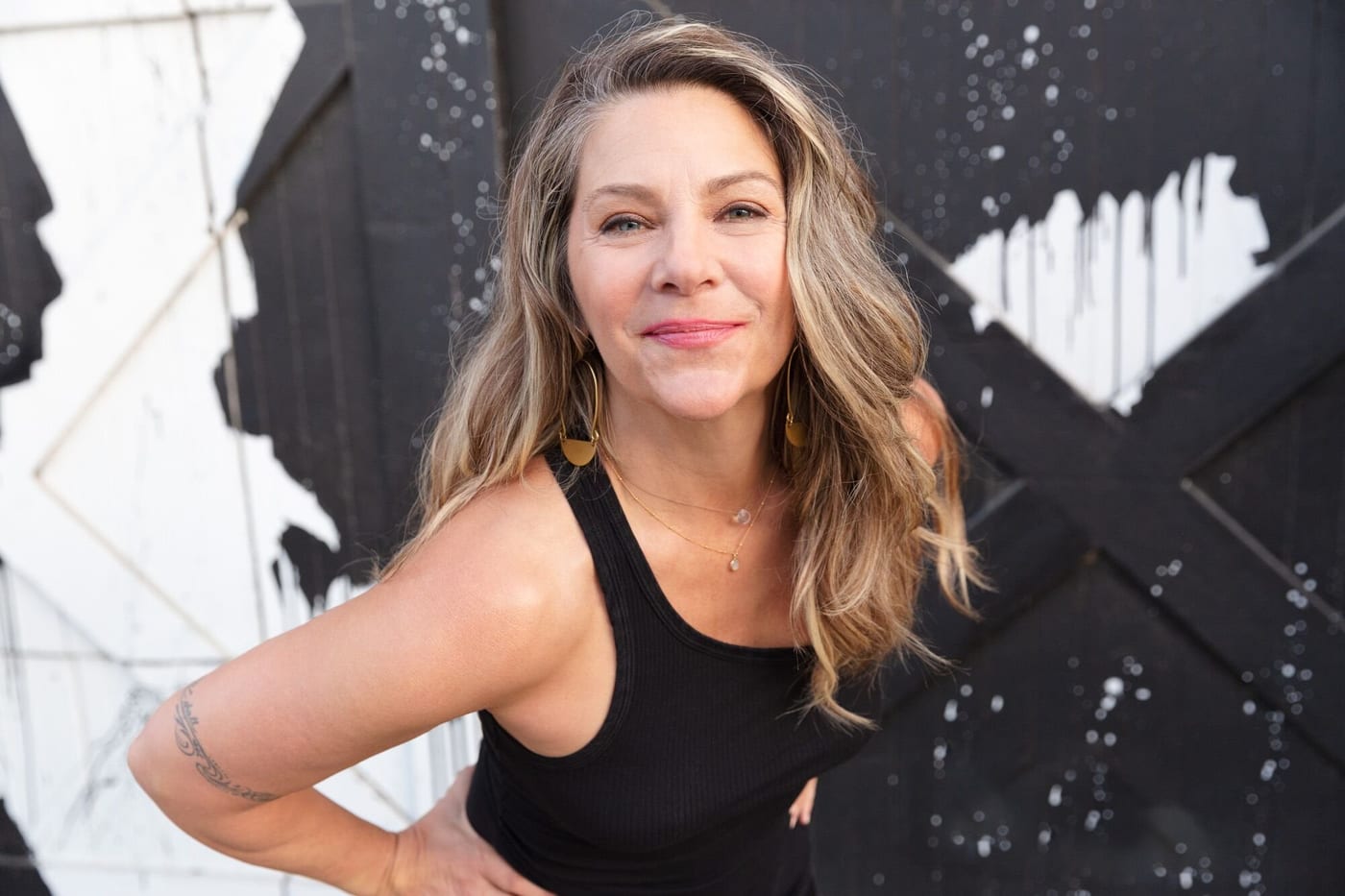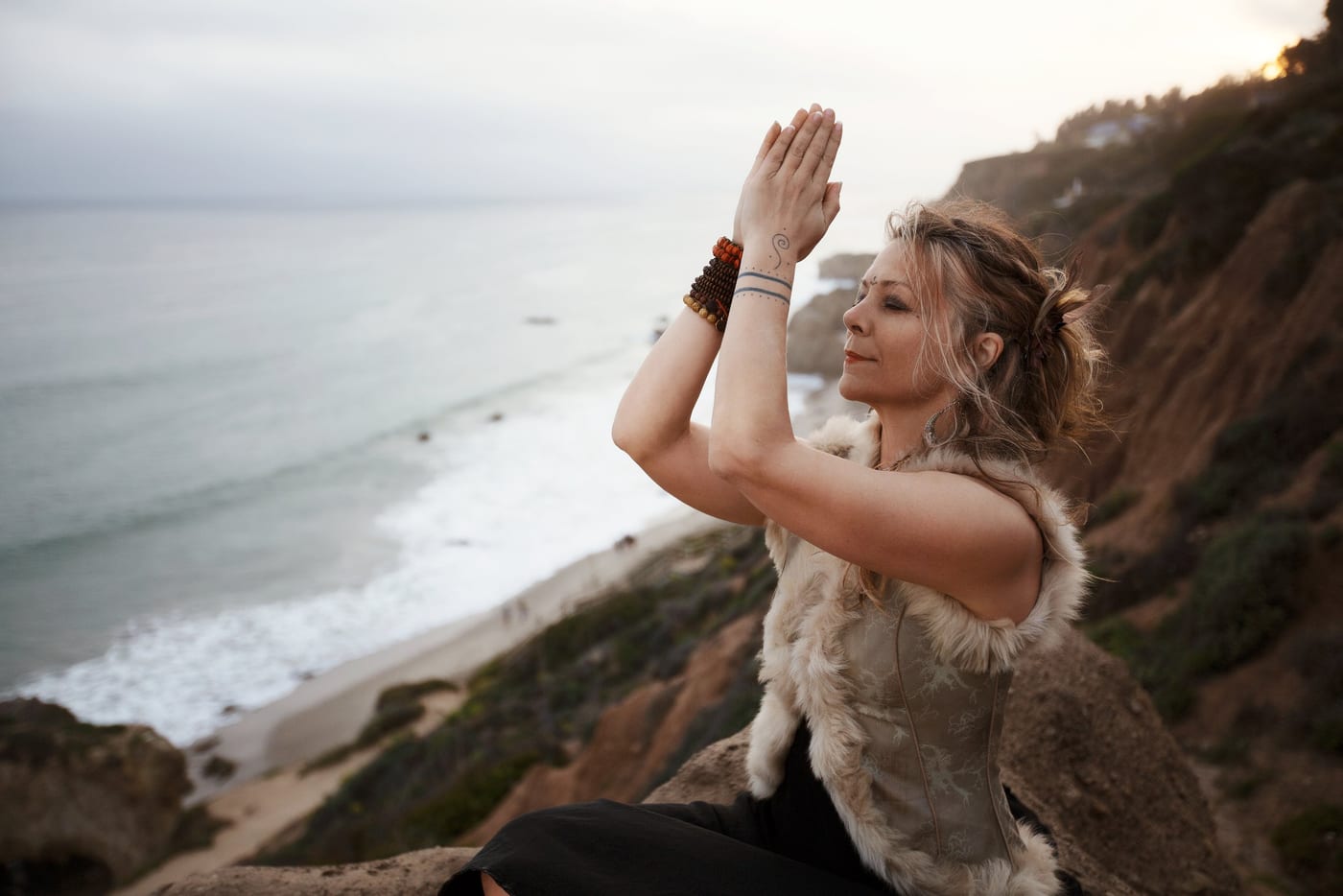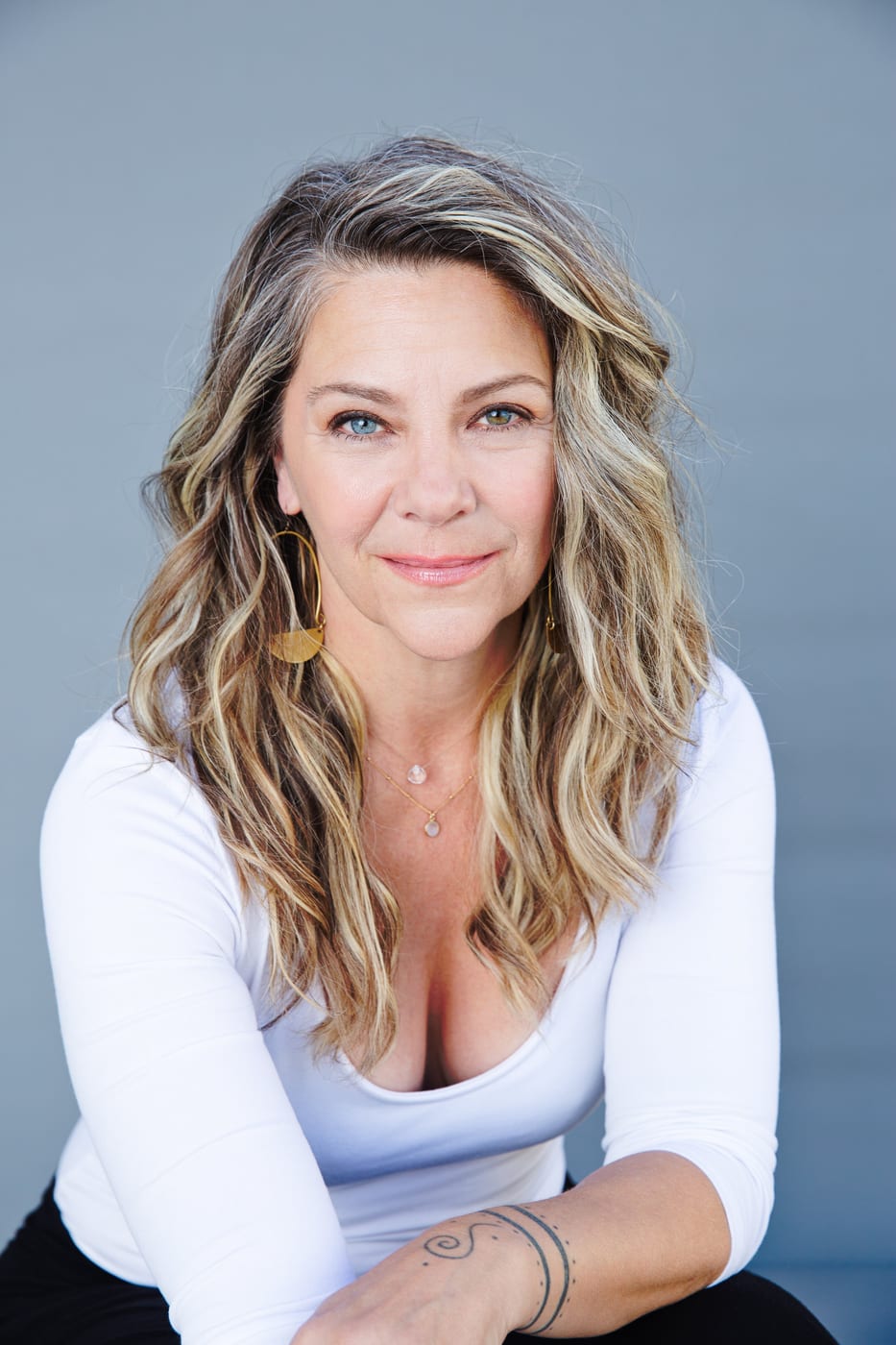

Suzanne Sterling's music is built around the human voice, mantra and rhythm rather than dense orchestration. Her own voice is the central instrument, and the production exists to support chant and breath rather than compete with them. Pacing leans on repetition: a phrase returns, a melody settles, and the listener is asked to stay with it instead of waiting for a climax.
The texture depends on the format. Kirtan, her signature mode, is group call-and-response singing, so her chant recordings sound communal and conversational rather than soloist-driven. The people singing alongside her are part of the sound. Singing bowls appear among the sound-healing and devotional tools in her areas of work, though the record does not itemize the instruments on any given album.
Production varies across the catalogue. Chakra Flow (2014) and The Yoga Sessions: Hang With Angels (2011) sit closer to ambient practice music. Dub Mantra Sangha (2015) places mantra inside reggae-style echo and space. The 2024 remasters of Mala and Japa point to cleaner reissues of earlier work, though the record does not say who handled the remastering. Overall the material is spare and slow-moving, and listeners who want fast tempos or layered electronic arrangements will not find them here.
Her work sits primarily within bhakti, the Indian devotional path in which song and repeated sacred names become a direct route to the divine. Kirtan and devotional music are its most visible expression in her work. Kirtan: The Bhakti Yoga of Chanting Mantras (2018) frames kirtan as bhakti yoga, and Japa 2024 Remaster points to japa, the quiet repetition of a mantra.
A second strand runs alongside it. For more than 25 years she has worked with the International Reclaiming Community, co-creating public ritual and training teachers in earth-based spirituality. Sacred Well: Ritual Music from Reclaiming and Wyrd Vibrations: Future Sounds of Paganism from Reclaiming Tradition represent that side. Her bio also lists shamanism and ceremonies among her subjects, so her lineage is better read as a set of practices than a single guru line. The record names no specific teachers she trained under, and no formal guru succession should be assumed. Listeners expecting a strictly orthodox South Asian lineage may find the framing eclectic.
What distinguishes Sterling is the way sound becomes a teachable practice. She founded Voice of Change and created The Voice of Change Method, which helps individuals and leaders reconnect with their authentic voice. Her concerts and kirtans are presented as a modern take on devotional music and framed as ritual rather than show, so the audience participates rather than watches.
In sonic terms, the most unusual marker is Dub Mantra Sangha, which brings mantra into a dub production style that is uncommon in kirtan circles. Beyond the studio, she co-founded Off the Mat, Into the World, which has trained leaders of sacred activism since 2006, and directed its Global Seva Challenge, which raised over $3.5 million through yoga communities. In 2021 she co-founded the Auricle Collective to support sacred musicians. Her range across recording, kirtan leading, ritual, workshops and organizing sets her apart from artists who only release chant albums.
The record does not provide a detailed roster of players, so no individual musicians are named here. What it does show is a collaborative web. The International Reclaiming Community has been a long-running partner in her ritual work. The Auricle Collective, established in 2021, is the most concrete collaborative institution in the record. Compilations such as Deep Repose: Meditation Music from Reclaiming and Friends and Kirtan Nation suggest a wide network of contributing artists, and her bio notes guest appearances on many other albums. For exact personnel, the credits on Spotify and Apple Music are the most reliable source.
Begin with Kirtan: The Bhakti Yoga of Chanting Mantras (2018), the most direct entry point, gathering chant-based devotional material across twenty tracks. If you want stillness rather than call-and-response, try The Yoga Sessions: Hang With Angels or Chakra Flow. Those who prefer her current writing can try the 2026 singles Hole in the Stone, Open All the Doors and Songspell, which are more song-forward.
Expect repetition, and expect to be invited to sing. In a live room, call-and-response is taught on the spot, so newcomers can listen first and join when ready. Several things may surprise you: the dub echo of Dub Mantra Sangha, the prominence of earth-based and Reclaiming ritual alongside yoga-world devotion, and how often activism and community organizing surface in the teaching. Skeptics of devotional or ritual frames should know the spiritual language is central, not decorative. Her Spotify following is modest, about 8,210 followers, which reflects a catalogue that spreads mainly through live rooms, retreats and community networks. The discography also mixes solo records with compilations and remasters, so check which titles are solo releases before buying.
Most devotional musicians work either as chant performers or as producers of meditation albums. Sterling occupies a wider position: recording artist, kirtan leader, ritual maker, teacher and field organizer. Her live work appears at venues such as Omega, Esalen, Kripalu, Wanderlust and Bhaktifest, placing her among the established festival and retreat circuits of the yoga and kirtan world.
Her distinctiveness lies in structure and practice rather than commercial reach. Listeners who want a polished studio artist with extensive press coverage may be disappointed, while those who want music tied to community practice will find a good match. One description quoted in her bio calls her "a musical priestess," a fan-style tribute rather than a formal honor, but it captures how her work is received: as music made for a room of people singing together.