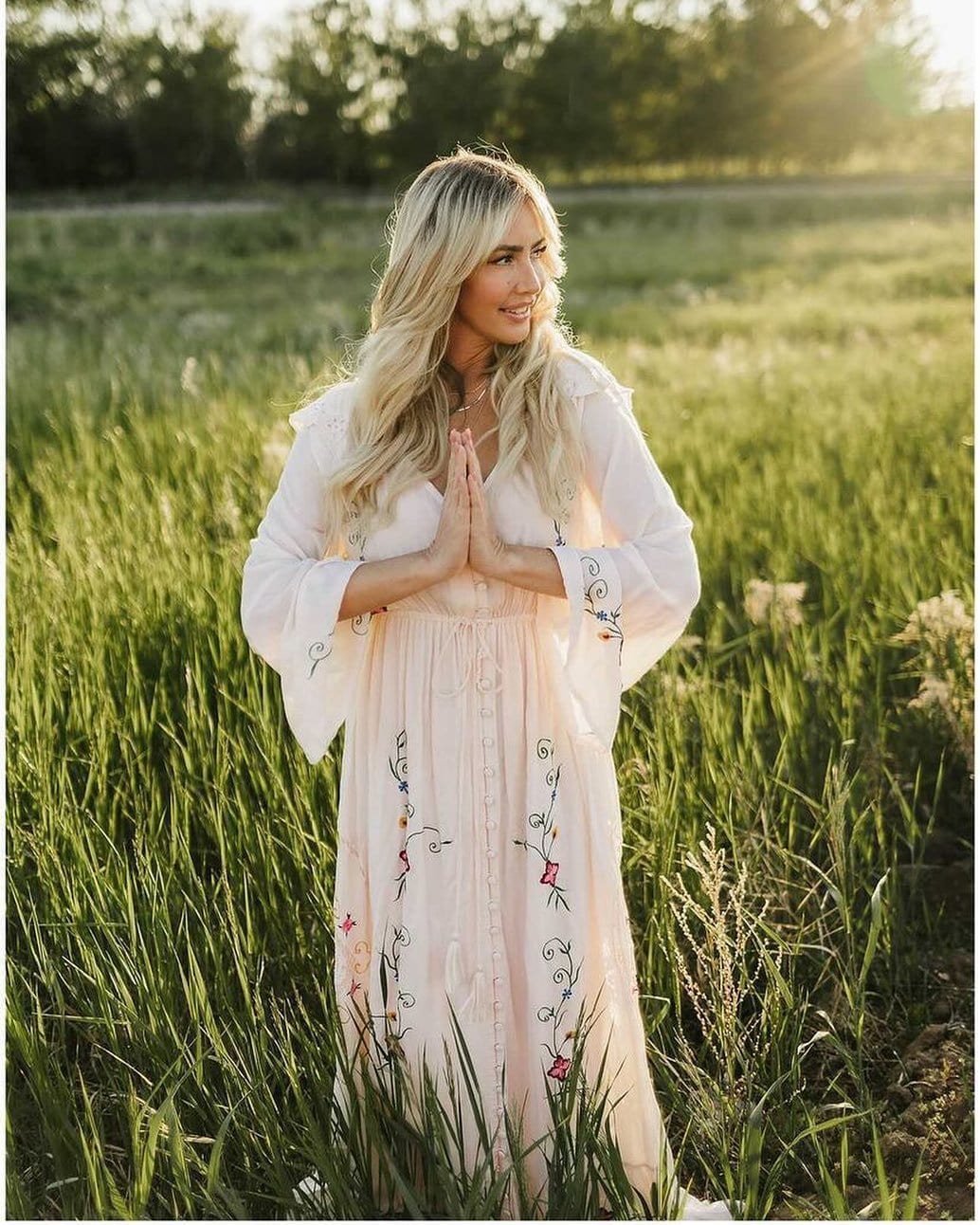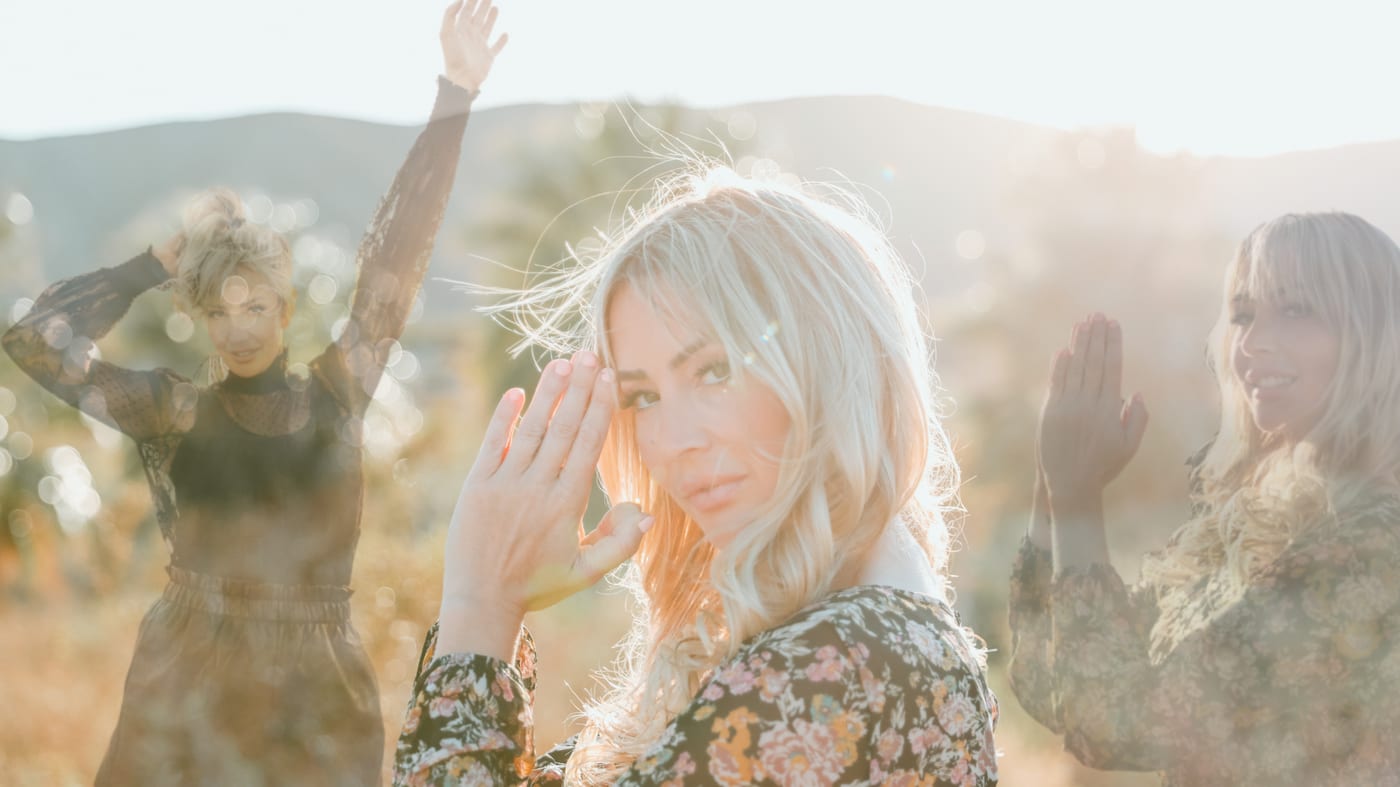

Amanda Sellers works with voice, breath, and intention, and she does it across several disciplines. She is a full-time voice actor, a meditation teacher, and a podcast host. She is a three-time Voice Arts Awards nominee. Her guided meditations and visualizations are freely available on YouTube. These strands might look like separate careers, but in her own telling they belong to one path, and the path was not a straight line.
She describes it as one that has taken in theatre school, singing in a rock band, working as a radio DJ, and finishing as a Miss Vancouver finalist. Each of those settings asks something particular of a person's voice and presence: projection, timing, ease in front of a microphone, composure under an audience's gaze. Together they read as an unusual apprenticeship for the work she does now.
The documented record of Amanda Sellers's early life is thin, and it would be a disservice to fill the gaps. Her hometown is not given in the sources available, nor are dates of birth or details of her upbringing. What can be said is what she herself offers: a performing background that moved from theatre training into music and broadcasting, and then into the pageant stage in Vancouver as a finalist. Her biography begins with performance, and the rest follows from there.
Meditation entered her life as a tool, and she calls it a tremendous one. That framing matters. She did not arrive through a monastery, a lineage, or a teacher in a classical tradition. She arrived the way many working adults do: looking for something that would help.
Through daily practice, she says, she has been able to heal, or at least better manage, stress, insecurities, trauma, and the balance between motherhood and work. The wording is careful and honest. It does not claim cure or transformation, only management and healing as ongoing work. That candor is part of what shapes her teaching. She speaks from lived experience of pressure and recovery rather than from a position above it.
Amanda Sellers's core contribution is the fusion of two crafts. As a commercial voice actor with three Voice Arts Awards nominations, she has spent years learning how pacing, breath control, and tone land in a listener's ear. As a meditation teacher, she applies that knowledge to guided meditations and visualizations. The result is guidance that sounds professionally produced and is paced with intention, without the monotone or over-mystified delivery that can put newcomers off.
Her teaching is secular and contemporary. She does not position herself as continuing a Vedic, Buddhist, or other classical transmission, and no teacher or lineage is named in her story. Her framework sits within modern wellness culture and the manifestation movement, where healing, intention, and conscious choice are central. She describes herself as a driven, goal-oriented entrepreneur who tries to live on purpose through conscious manifestation and intention.
Recurring themes run through her work: moving past limiting beliefs, stress, fear, and doubt; setting intentions with conscious attention; and the real-world negotiation between ambition and caregiving. She calls herself a "possibilitarian," a term that captures her orientation toward what might be possible. Her stated belief is that anything is possible when you raise your vibration and stand in your true, authentic self. Readers who approach manifestation language with skepticism may not share that vocabulary, and her work does not ask them to pretend otherwise. It is offered plainly, as her own framework.
Her body of work is mostly recorded and mostly free. The center of it is her YouTube channel, where guided meditations and visualizations can be heard without payment or prerequisite. She also hosts a podcast, which extends her teaching voice into longer, more conversational territory. Her website, missamandasellers.com, serves as the hub for her platforms.
There is no catalog of published books or formal retreat programs in the available record, and it would be wrong to suggest one. What exists is a practice of steady, accessible, recorded guidance, which is a project in its own right.
Amanda Sellers continues to work full time as a voice actor while teaching and hosting her podcast. Her life outside the studio is part of her public identity: she is a mother of two boys, a nature lover, a triathlete, and a half marathoner. She describes herself as a light seeker and big dreamer.
One live appearance is on record: Moksha, on April 21, 2027. Beyond that, anyone wanting current offerings or schedules is best served by checking her website or following her YouTube channel.
Why does a teacher like Amanda Sellers matter? Partly because of who she reaches. Her audience is people living busy, secular, ambitious lives, often parents and professionals, who want practical tools rather than a new religious framework. For someone curious but wary of institutional spirituality, a free fifteen-minute recording with a clear, steady voice is a low-risk way to begin.
She also matters for what she models. Her story does not present meditation as an escape from a demanding life but as a way of meeting it. A performer who has spent a career on stages and microphones brings those same skills to quiet, interior work, and shows that voice and breath can serve healing as well as presentation.
Her limits are worth stating too. Those seeking classical lineage, initiation, or live interactive teaching will find a different offering here. Her work is recorded, contemporary, and self-directed in origin. Within those bounds, it makes a modest and sincere case: that practice can be accessible, that a person's difficult experiences can inform their teaching, and that a well-used voice can help others settle into their own.