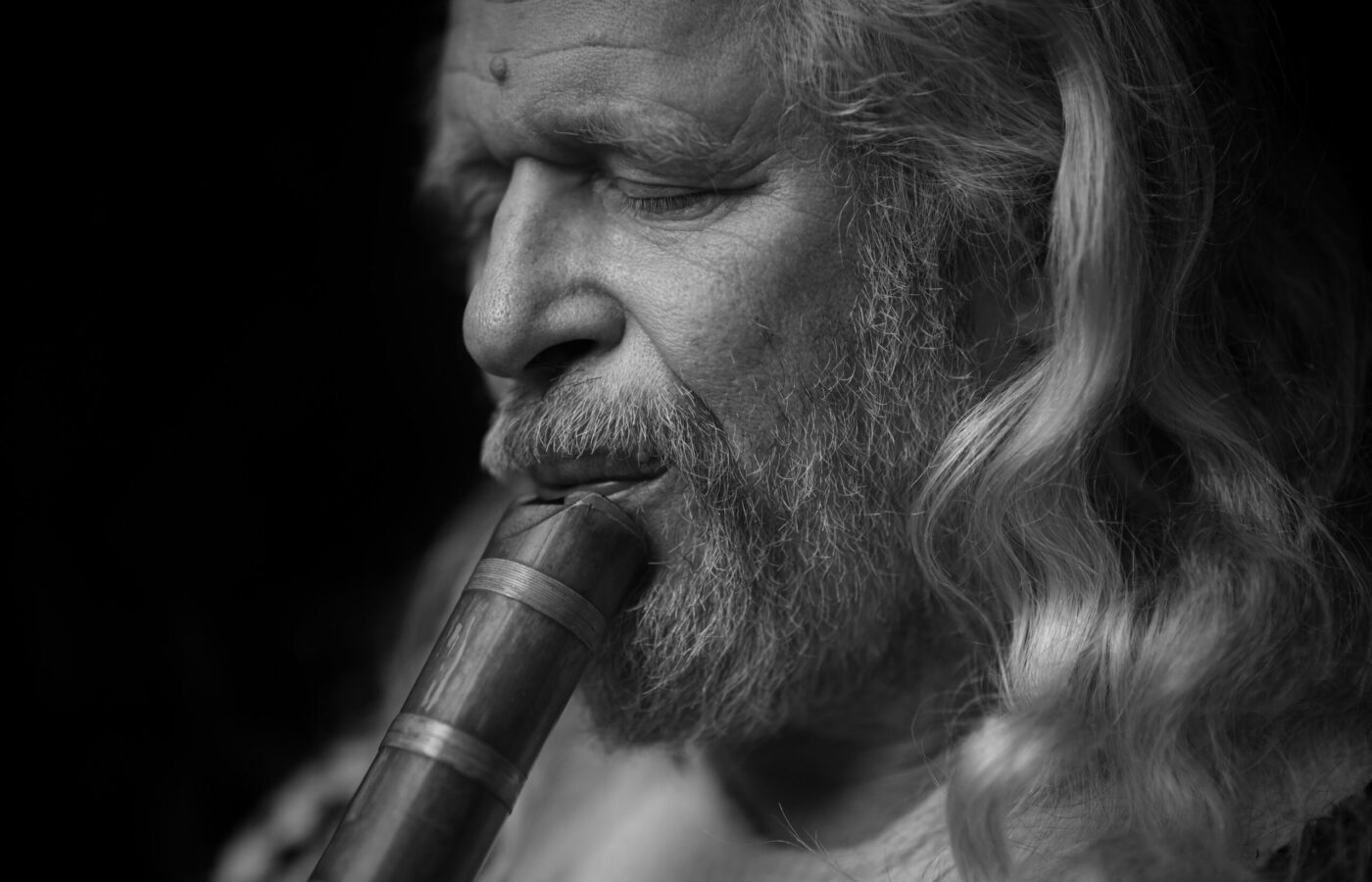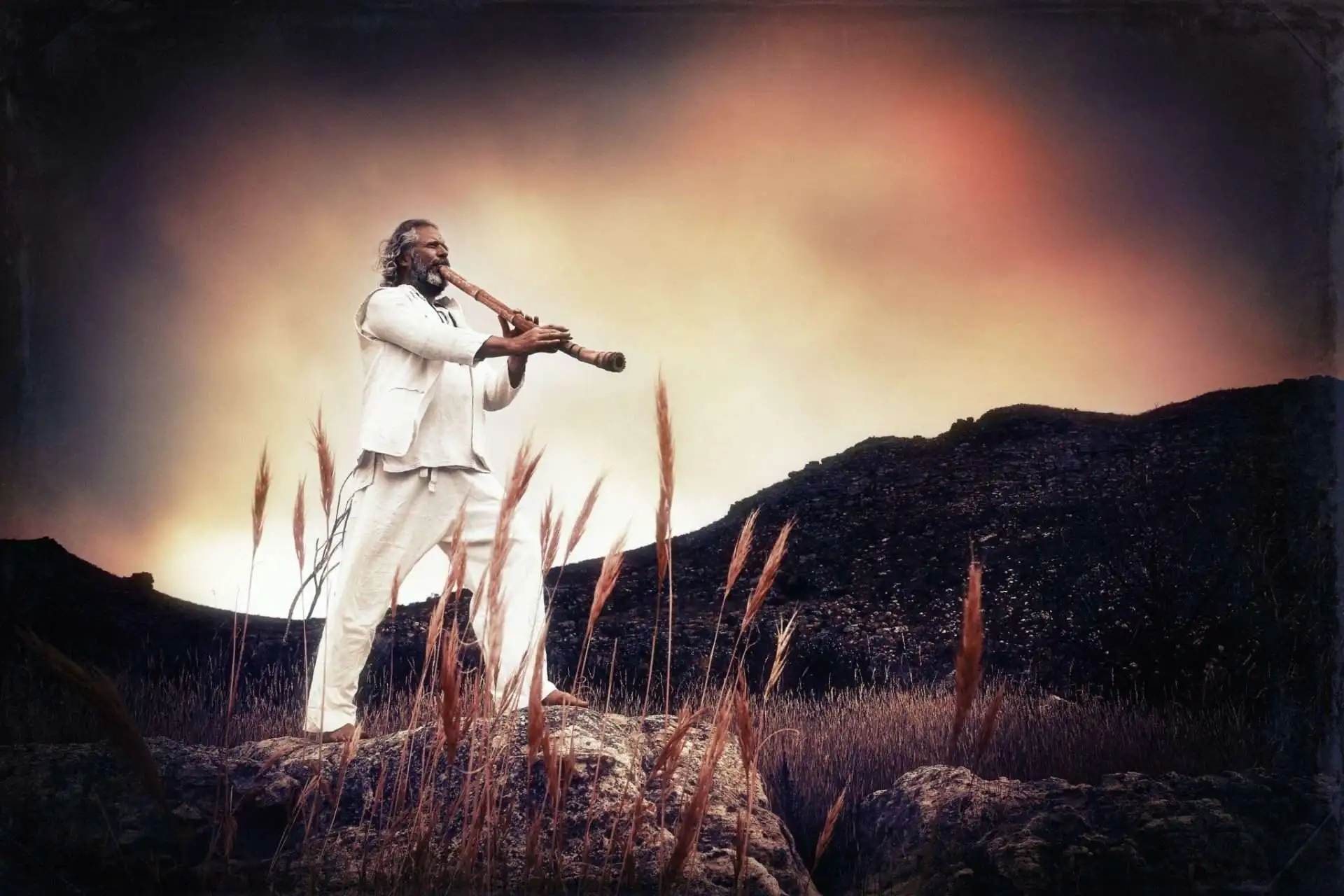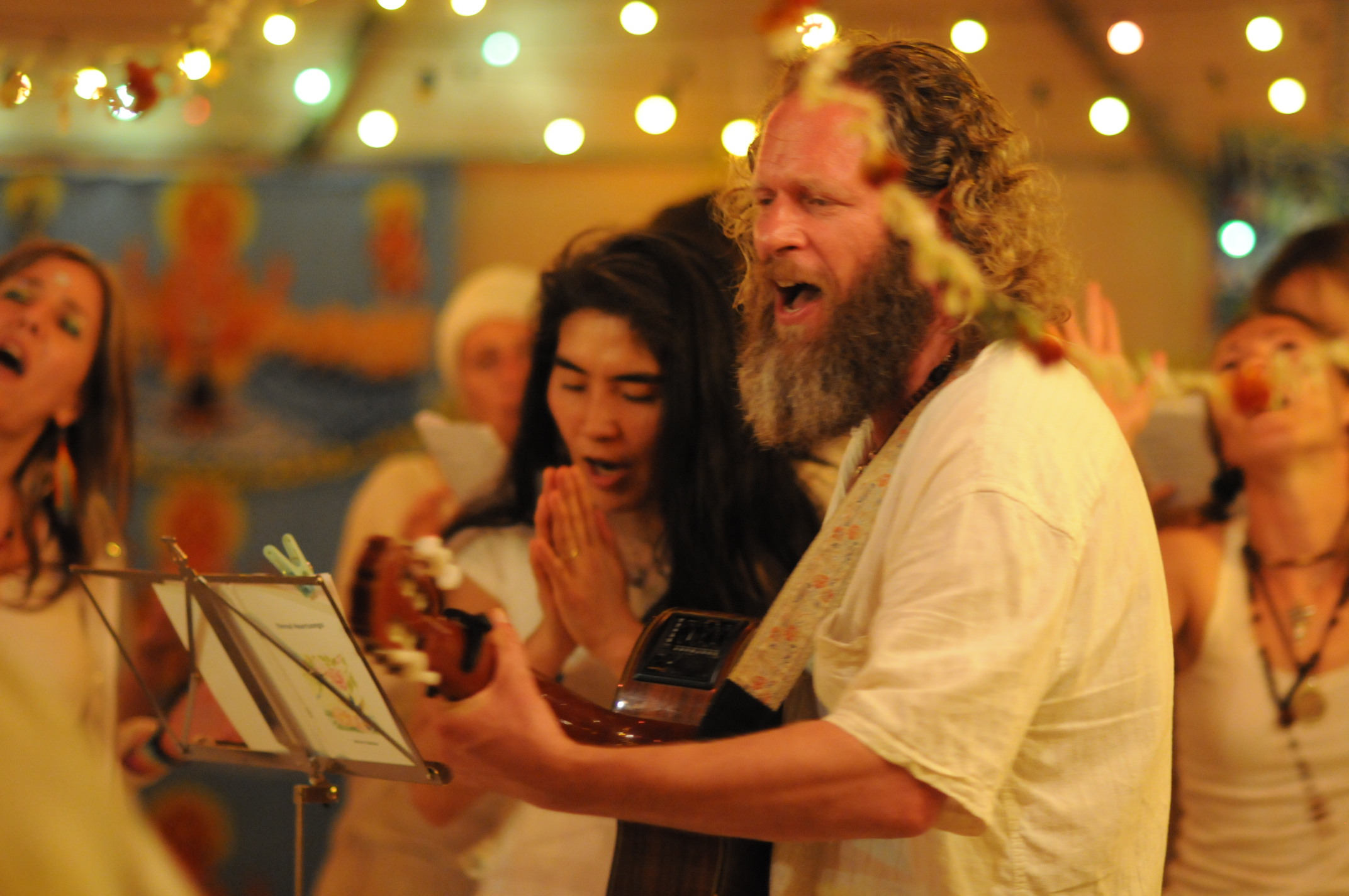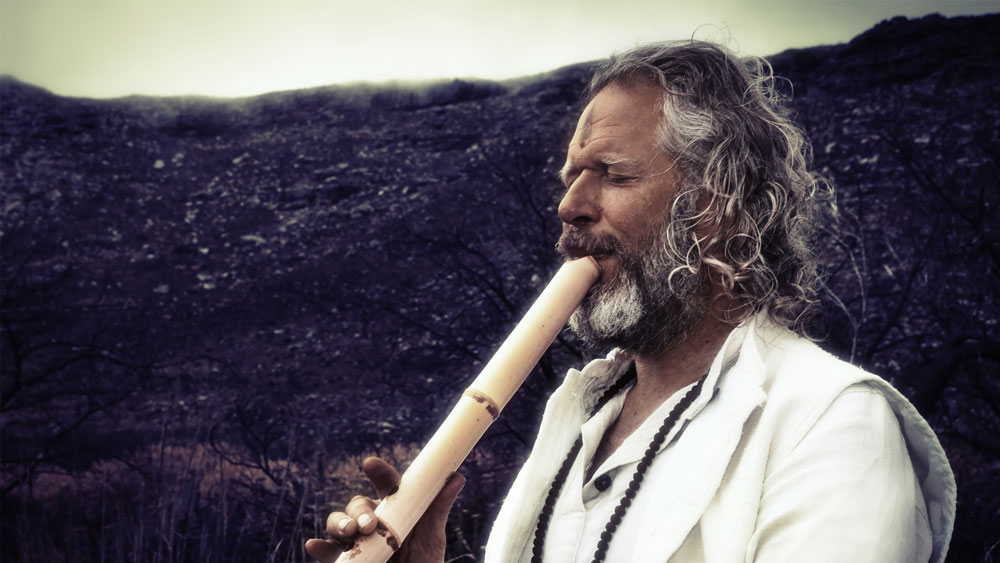

Adrian Freedman occupies a singular position in contemporary spiritual music—a Western composer who spent seven years apprenticing under Grand Master Yokoyama Katsuya in Japan, absorbing the honkyoku tradition of the shakuhachi not as exotic flavor but as lived practice. Yet despite this deep training and his decades-long career bridging Buddhist meditation, plant medicine ceremony, and the Japanese bamboo flute, Freedman's work exists primarily in the realm of live transmission rather than studio documentation. His "Zen Heart Medicine Music"—a term he coined to describe his synthesis of shakuhachi discipline, mantra, and ceremonial context—has been shared in retreat centers, ceremonies, and teaching spaces across continents, but has not yet materialized into a formal discography. For those seeking his sound, the path leads not through album covers but through direct encounter: workshops, ceremonies, and the oral tradition he honors. This guide, then, maps an absence that is itself instructive—a reminder that some musical practices resist the artifact, insisting instead on the breath-to-breath, moment-to-moment presence that the shakuhachi has always demanded.
For devotional practice: Given Freedman's focus on medicine mantra songs and ceremonial contexts, seekers of devotional music would find resonance in attending one of his live plant medicine ceremonies, where shakuhachi and mantra interweave in real-time response to the sacred space.
For contemplative stillness: Those drawn to meditative soundscapes would benefit most from seeking out recordings of traditional honkyoku pieces performed by Freedman's teacher, Yokoyama Katsuya, to understand the lineage from which Freedman's contemplative approach emerges—then experiencing how Freedman translates that tradition into contemporary ceremonial settings.
For energetic transformation: Freedman's synthesis of shamanic and Buddhist practices suggests that his most energetically potent work unfolds in ceremony rather than recording. Participants in his workshops report the shakuhachi's capacity to move energy through the body when played in intentional, ceremonial contexts—an experience that remains, for now, unmediated by studio production.
For healing work: As a teacher of "Music and Spirituality" who integrates plant medicine ceremony with traditional Buddhist instrument practice, Freedman's healing offering is the practice itself—the teaching of how to approach the shakuhachi as spiritual discipline, and the ceremonial space where sound becomes medicine. Until albums emerge, the healing path is participation.