
MS

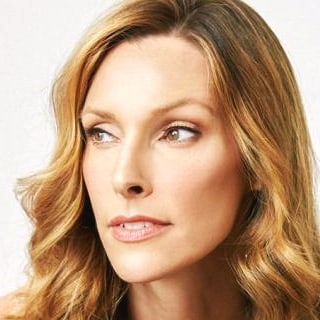
Mel Schweder
Meditation Teacher
Sobre
Mel Schweder is a mindbody coach and Reiki practitioner who helps people living with chronic symptoms, anxiety, OCD, burnout and patterns of fear and overthinking. Her work, under the name A Brighter Wild, rests on the belief that we aren't broken and don't need to become someone new to find more freedom. She focuses on helping the brain and nervous system learn that they are safe.
Mel Schweder is a mindbody coach and Reiki practitioner who helps people living with chronic symptoms, anxiety, OCD, burnout and patterns of fear and overthinking. Her work, under the name A Brighter Wild, rests on the belief that we aren't broken and don't need to become someone new to find more freedom. She focuses on helping the brain and nervous system learn that they are safe.
Her own path began in 2009, weeks before grad school, when she became suddenly ill with dizziness, fatigue, brain fog, insomnia, chronic pain and a growing list of diagnoses. After years of treatments, diets and protocols across conventional, alternative and spiritual approaches, she came to see that the constant search had become part of the trap. Learning about neuroplasticity and the mind-body connection changed her direction. She now hikes, climbs, travels and does work she loves.
Mel previously worked in scientific research, studying physiology, cell biology, biochemistry and human metabolism. Her path later widened to meditation, somatic experiencing, Reiki and Qi Gong. She doesn't ask people to choose between science and spirituality, and believes meaningful change often happens where evidence, experience and intuition meet.
She offers coaching, guided meditations, Reiki and intuitive healing, co-regulation sessions and online courses. These draw on nervous system regulation, mindfulness, self-compassion and values-based living, and always move at the person's pace. Mel has also been studying toward a Master's in Clinical Mental Health Counseling. Away from work, she enjoys forest hikes, rock climbing, gardening and playing Zelda.
Questions
Mel Schweder (Melani Schweder) is a meditation teacher, certified health coach, and Reiki Master/Teacher who approaches healing from the rare angle of someone with both scientific training and lived experience of chronic illness. She worked in scientific research—studying physiology, cell biology, biochemistry, and human metabolism—before becoming ill in 2009, just as she was beginning graduate school. Her own decade-plus recovery from multiple diagnoses became the crucible for her practice: she learned that neuroplasticity and the mind-body connection could fundamentally shift her relationship to illness without requiring "perfection" or a cure narrative. She now attracts students seeking something grounded in evidence rather than pure spiritual framework—people navigating anxiety, OCD, chronic symptoms, and patterns of fear who want nervous system regulation and body safety, not platitudes. Her work matters precisely because she doesn't separate science from intuition; she integrates neuroscience, somatic experiencing, Reiki, and traditional mindfulness into a coherent teaching that takes the nervous system seriously.
Mel Schweder's work is fundamentally hybrid—rooted in the contemporary mindfulness movement but grounded in neuroscience and somatic therapy rather than classical Buddhist lineage. She draws on modern nervous system science (neuroplasticity, polyvagal-adjacent understanding of nervous system states) alongside traditional contemplative practices like meditation, Reiki, and Qi Gong, positioning herself explicitly at the intersection of "where evidence, experience and intuition meet." Her background in scientific research gives her work a distinctly Western, secularly-oriented flavor—she's not working in an Asian teacher-student transmission model, but rather as a health coach and clinical counselor in training who uses meditation and energy work as evidence-informed tools for nervous system regulation. This makes her lineage less "Buddhist meditation master" and more "Western somatic psychotherapist who incorporates traditional healing modalities"—a growing cohort of contemplative practitioners who see the nervous system, not just the mind, as the primary site of transformation. For someone skeptical of purely spiritual frameworks, medically traumatized, or seeking science-informed approaches to healing, this grounding can feel like permission to practice in a way that honors both body and evidence. Her ongoing pursuit of a Master's degree in Clinical Mental Health Counseling also signals her trajectory toward integrating contemplative practice with clinical psychology and psychotherapy.
Start at her website, A Brighter Wild (abrighterwild.com), which serves as her primary hub and clearly lays out her full scope of offerings—coaching, courses, Reiki, intuitive healing, and co-regulation sessions. Her Spotify podcast channel (9,761 followers) is an accessible, free entry point for guided meditations and teaching talks; you can sample her voice, teaching style, and approach to nervous system regulation without committing to anything paid. Her YouTube channel (UCCh8DSnpOgg4MtTzRlqbtYg) also hosts teaching content and is worth browsing to understand how she frames her work around moving out of survival mode and reclaiming meaningful life. If you're drawn to a specific area—whether anxiety, chronic health symptoms, meditation practice, or Reiki—her website clearly delineates which offerings address your concern, so you can pick what matches your current need rather than guessing. Many newcomers start with a guided meditation on Spotify to experience her teaching voice and style, then explore her online courses or book a coaching consultation if they want deeper, personalized engagement. There's no gatekeeping or prerequisite—whether you're new to meditation or recovering from medical trauma, her offerings are designed to meet you without requiring prior knowledge or spiritual fluency.
Most meditation teachers come from a contemplative tradition; Mel Schweder comes from the lab. Her background in scientific research on physiology, cell biology, biochemistry, and human metabolism means she speaks the language of neuroscience and neuroplasticity with genuine authority, not borrowed expertise. While many wellness teachers talk vaguely about "mind-body connection," she specifically addresses nervous system regulation, somatic experiencing, and the physiological patterns underlying anxiety and chronic illness—she's working with the vagus nerve, polyvagal states, and how chronic fear dysregulates the body. Her personal recovery story is also distinctive: rather than positioning herself as a healed guru or enlightened guide, she frames her ongoing relationship with illness as part of her teaching, emphasizing that healing is about reclaiming meaningful life, not chasing perfection or cure. She combines this grounded, evidence-based approach with Reiki and Qi Gong, showing comfort holding multiple modalities without needing to privilege one "true" system. For students tired of spiritual bypass or seeking teachers who honor both science and intuition, this integration is what sets her apart in a landscape crowded with generic mindfulness instruction.
Mel Schweder's work is not ideal for people primarily seeking a transcendent spiritual experience or energetic activation divorced from nervous system science. If you want a teacher who frames healing as purely metaphysical—who promises enlightenment, cosmic consciousness, or quick energy shifts—her grounded, evidence-informed approach will likely feel too cautious or clinical. Similarly, her work isn't a fit for those seeking a guru or charismatic figure; she positions herself as a coach and counselor in training, emphasizing compassionate support and co-regulation rather than the teacher-student mystique. People who've been harmed by medical models and want purely spiritual/alternative framing (without neuroscience) may also find her simultaneous embrace of both science and intuition confusing rather than integrative. Additionally, her teaching often addresses chronic illness, anxiety, and fear patterns—if you're seeking general wellness optimization or fitness-focused instruction, you won't find that here. Her work also requires genuine willingness to examine your own nervous system patterns and potentially change how you relate to your body and fear; it's not passive or entertainment-oriented, and that intensity isn't for everyone.
The most direct way is through her website, A Brighter Wild (abrighterwild.com), where she lists current offerings, online courses, and any special events or retreats—you can also reach out through her website for coaching consultations or session inquiries. She maintains an active presence on Spotify (podcast channel with 9,761 followers) and YouTube (UCCh8DSnpOgg4MtTzRlqbtYg), where she regularly releases guided meditations and teaching content; subscribing to these channels will keep you updated on new releases and ongoing practice resources. Many of her offerings are structured as evergreen online courses, so there isn't necessarily a "tour" in the traditional sense—rather, she maintains rolling availability of coaching slots, Reiki sessions, and co-regulation work that you can book directly through her website. Given that she's currently completing a Master's degree in Clinical Mental Health Counseling, her offerings and focus areas may evolve as her training progresses; staying connected through her website ensures you'll hear about any new programs or expanded services. If you prefer to follow her teaching updates without booking directly, the Spotify and YouTube subscriptions offer a low-commitment way to stay engaged with her guided meditations and recorded talks as they're released.
Based on her teaching philosophy and background, Mel Schweder's style emphasizes nervous system safety and co-regulation over transcendence or performance. Her sessions likely feel grounded, methodical, and genuinely focused on your body's felt sense rather than on achieving a "spiritual high"—she's trained in somatic experiencing and Reiki, so she's working with your nervous system's state, not just your mind's content or emotions. Her health coaching and Reiki sessions are structured around helping people feel safer in their own bodies, which means her language is probably gentle but direct, informed by neuroscience but expressed in accessible terms that don't require years of spiritual study. She explicitly mentions offering "co-regulation sessions," which implies she's actively working with your nervous system state—using her own regulated presence to help calm your system—rather than asking you to do something alone from a place of dysregulation. Meditations guided by her likely have spaciousness and silence, clear instruction without excessive flowery language, and explicit connection to how the practice helps your nervous system shift toward safety and presence. The overall tone from her bio and stated aims suggests practical compassion: she's not trying to fix you or prove your illness isn't real; she's trying to help you build a life not organized around fear, which means sessions feel collaborative and grounded in real change, not mystical experience.
The central theme of her work is moving people out of survival mode and back into a life that feels meaningful, connected, and free—this is her stated aim and appears as the throughline across all her offerings. A related theme is nervous system regulation: the idea that much suffering stems from a dysregulated nervous system stuck in protective, fearful states, and that building safety in the body is prerequisite to other transformation. She emphasizes the mind-body connection and neuroplasticity specifically, teaching that how we think and how we inhabit our bodies are not separate—chronic fear, overthinking, and physical symptoms are intertwined. Her personal illness journey—and her framework that recovery means reclaiming life, not becoming perfect—shapes another recurring theme: the rejection of the myth of the "fixed" self and the embrace of ongoing, embodied healing. Anxiety, OCD, and chronic symptoms appear as touchstones in her teaching, suggesting she works with the reality that the nervous system gets stuck in loops, and that compassionate, evidence-based practices can gradually shift these patterns. Finally, there's a consistent theme of moving from a fear-organized life to an intuition-and-evidence-organized life—trusting both inner knowing and outer science, rather than privileging one over the other.
Mel Schweder has not published traditional books (based on available data), but she has created substantial independent learning resources through guided meditations and online courses. Her Spotify podcast channel is her primary platform for recorded teaching and guided meditation—with 9,761 followers, it's an accessible repository of her voice and teaching framework that you can revisit anytime and integrate into your daily practice. Her YouTube channel (UCCh8DSnpOgg4MtTzRlqbtYg) also hosts teaching content and talks, though the exact breadth of material there would require browsing directly. She offers online courses on her website, A Brighter Wild, which are structured learning programs you can move through at your own pace—these likely combine video teaching, guided practice, and written material addressing specific themes like nervous system regulation or moving out of survival mode. While she's not a prolific author in the traditional book-publishing sense, her primary teaching modality appears to be direct guided practice (meditations, Reiki sessions, coaching) and recorded audio, which makes sense given her focus on nervous system regulation and somatic work—these can't always be effectively transmitted through text alone. She's also completing a Master's degree in Clinical Mental Health Counseling, which may result in future written or recorded clinical work, so her publishing output may expand as her training develops.
No prior knowledge or experience is required—her teaching is designed to be accessible to complete beginners, whether in meditation, Reiki, or health coaching. If you've never meditated before, her guided meditations on Spotify serve as an effective entry point; she leads you through the practice without assuming you know terminology or technique. If you're new to the mind-body connection or neuroplasticity, she explains these concepts in modern, secular language grounded in neuroscience rather than philosophical Buddhist or metaphysical frameworks. People with chronic illness, anxiety, OCD, or trauma may actually find her work more approachable than traditional meditation teaching, because she explicitly addresses the nervous system patterns and survival responses that can make traditional instruction feel dismissive or irrelevant. Similarly, if you're skeptical of spirituality or have been harmed by spiritual communities, her evidence-informed, secular approach offers a welcoming entry point—there's nothing you need to "believe in" beyond the nervous system's plasticity and your own embodied experience. Her teaching is also designed for people at various life stages and health conditions, so whether you're dealing with acute anxiety, post-trauma recovery, or ongoing chronic illness, she's creating material and sessions that meet you where you are.



É você? Reivindicar esta página ›
There's more where this came from.
BrightStar is the global directory of artists, teachers, and healers in the wellness and spiritual movement. Find your next experience — or add yourself.
Discover More Artists
Browse 14,000+ curated profiles across kirtan, yoga, meditation, and beyond.
Explore directory →Find an Event Near You
Kirtan, retreats, sound baths, breathwork, ceremonies — happening this week.
Browse events →Add Your Profile
Are you an artist, teacher, or healer? Get listed — free, AI-assisted, live in minutes.
Get started →